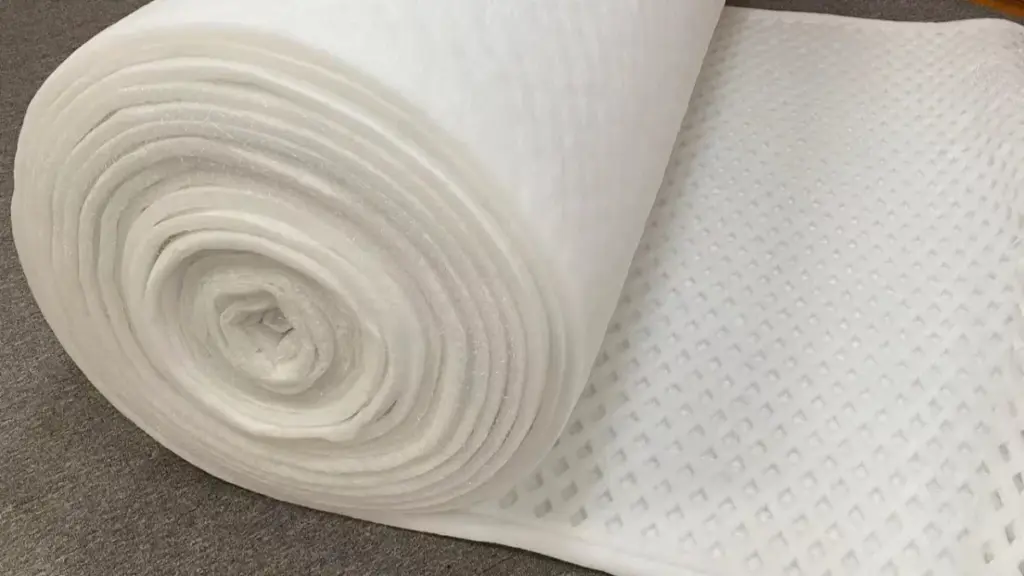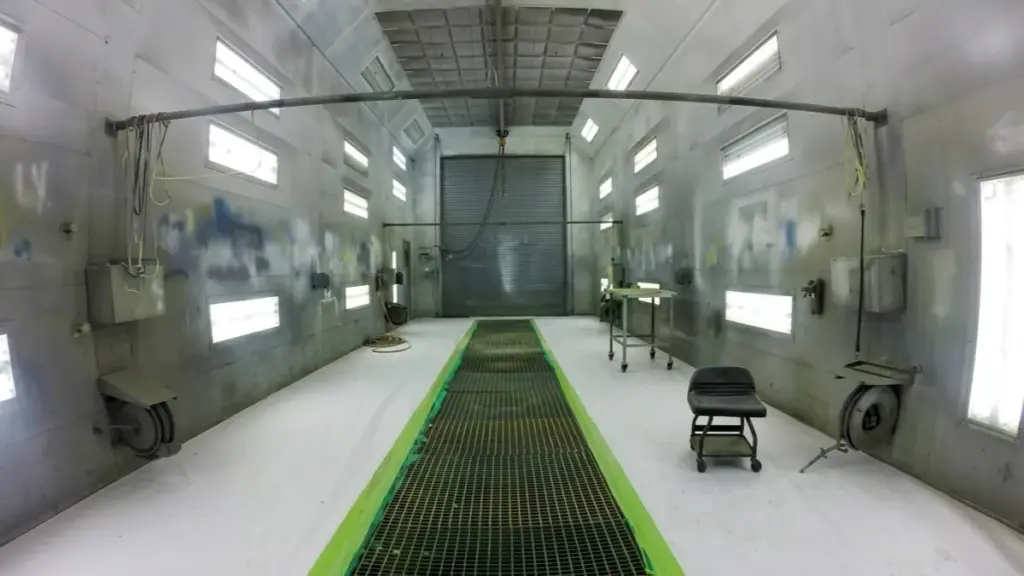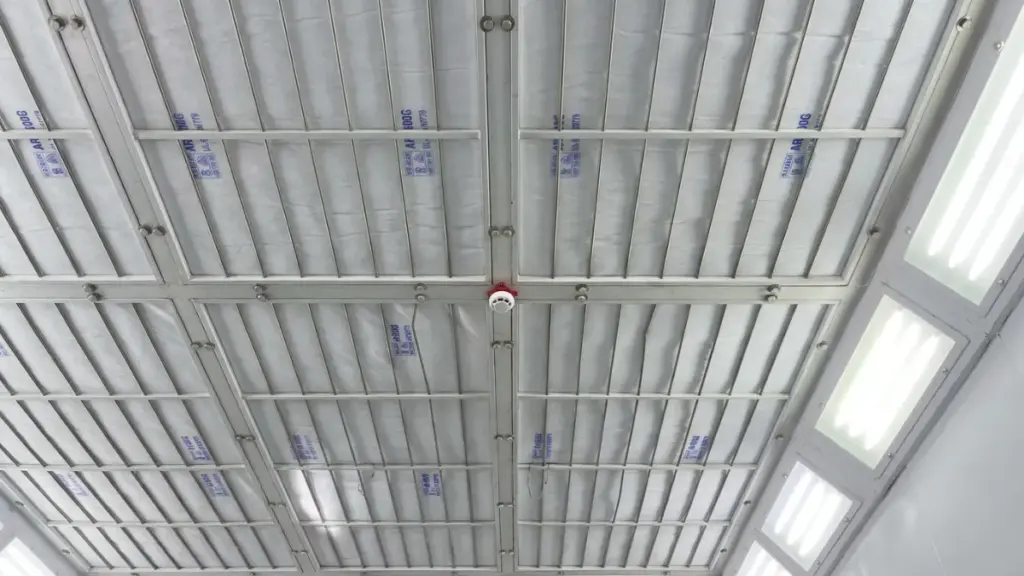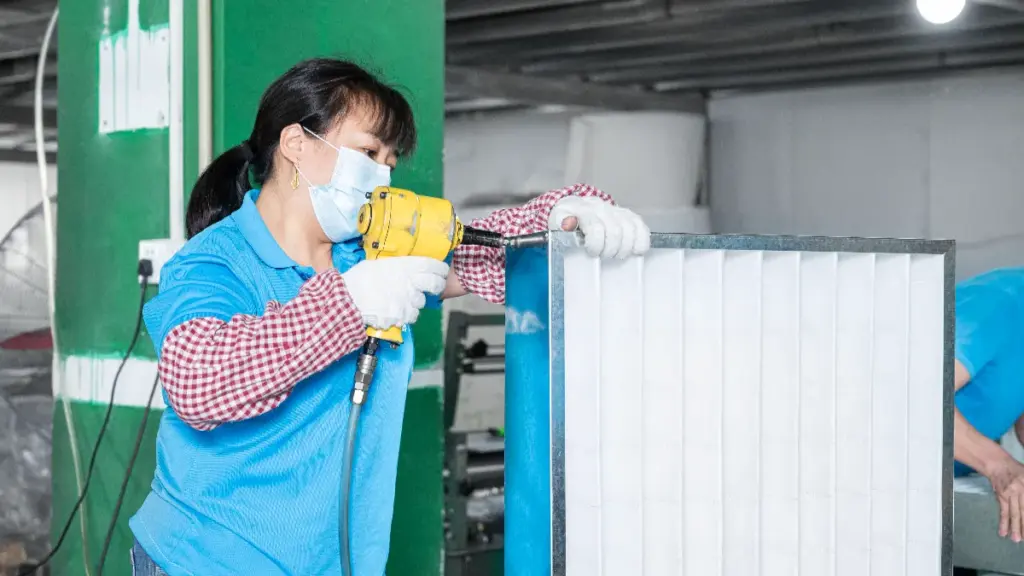
When it comes to maintaining the quality and efficiency of a paint booth, the ceiling filter plays a critical role. Selecting the right ceiling filter ensures optimal airflow, captures overspray effectively, and prevents defects in your paint finish. Cependant, with a wide variety of filter media, épaisseur, and efficiency ratings on the market, choosing the right one can be challenging. This guide will help you make an informed decision and keep your paint booth performing at its best.
Types of Ceiling Filters Used in Paint Booths
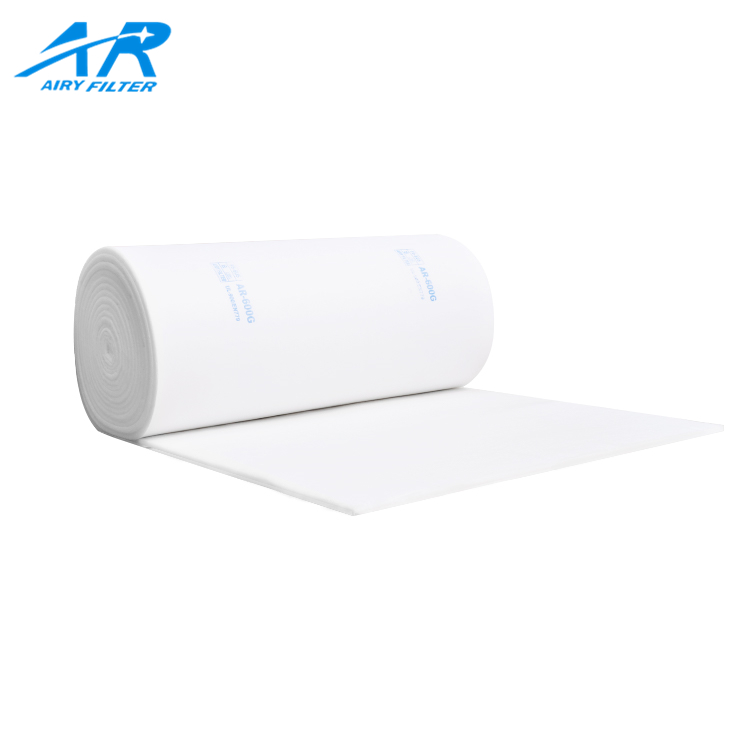
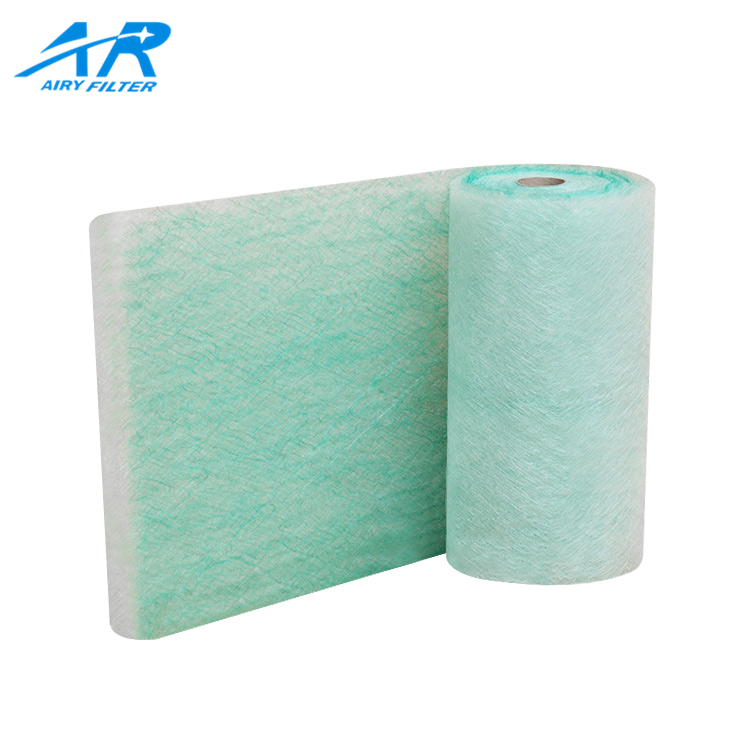
Paint booth ceiling filters come in several types, each designed for specific applications and performance requirements. Understanding the differences will help you match the right filter to your booth.
1. Fiberglass Ceiling Filters
Fiberglass filters are widely used in automotive and industrial paint booths. They are made from fine fiberglass fibers bonded into a sheet or pleated format. These filters are excellent at capturing overspray and large dust particles. They are cost-effective, facile à remplacer, and can handle high airflow volumes.
Pros: Affordable, high dust-holding capacity, easy to install
Inconvénients: Durée de vie limitée, not suitable for ultra-clean environments
2. Synthetic Media Filters
Synthetic media ceiling filters use polyester or polypropylene fibers, offering a more consistent airflow and higher resistance to moisture than fiberglass. They are often used in waterborne paint booths and facilities with stringent environmental regulations.
Pros: Durable, moisture-resistant, stable filtration performance
Inconvénients: Slightly higher cost than fiberglass filters
3. Multi-Layer or Gradient Filters
Some ceiling filters combine multiple layers of media with varying densities. This gradient design improves dust and overspray capture while maintaining low resistance to airflow. They are ideal for high-quality automotive finishes or precision coatings.
Pros: Improved paint finish, durée de vie du filtre plus longue, low airflow resistance
Inconvénients: Plus cher, may require specialized replacement
4. Filtres en carbone activés
Activated carbon filters are occasionally used as ceiling filters in specialty applications where odor control is important. They are less common in standard automotive booths but are used in facilities dealing with solvent-heavy coatings.
Pros: Odor control, can remove gaseous contaminants
Inconvénients: Limited dust capture, coût plus élevé
Tip: For most automotive and industrial paint booths, fiberglass or synthetic filters are sufficient. Activated carbon is generally an add-on for odor-sensitive applications.
You may also like:
What Is a Paint Booth Ceiling Filter and How Does It Work?
Quels sont les différents types de filtres de cabine de peinture?
Key Factors to Consider When Choosing Paint Booth Ceiling Filters
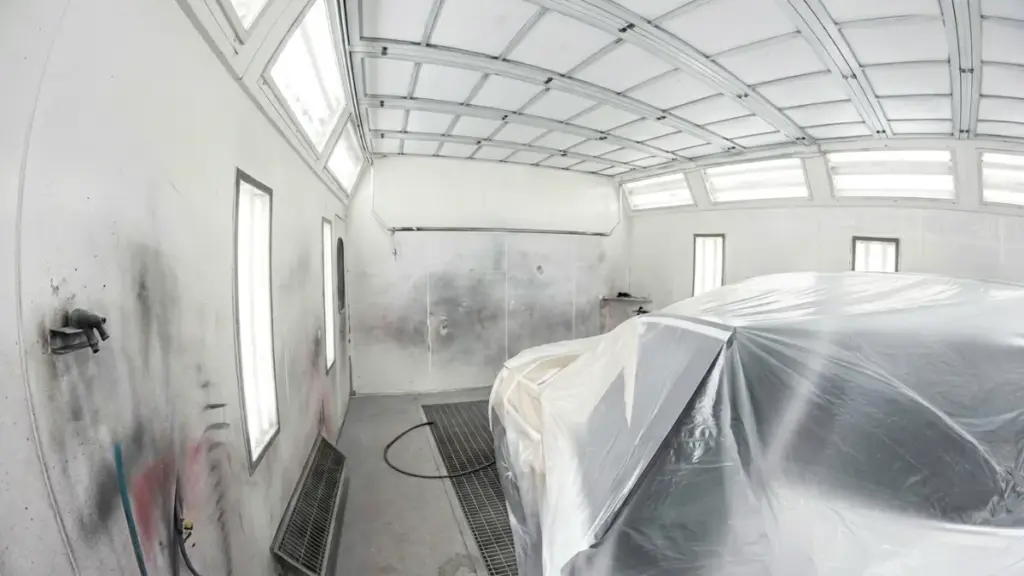
Selecting the right ceiling filter requires balancing MERV ratings, airflow dynamics, and total ownership costs to secure flawless paint finishes and regulatory compliance.
1. Filter Efficiency
Filter efficiency determines how effectively the filter captures overspray and dust. Paint booth filters are often categorized into pre-filters, medium-efficiency filters, and HEPA or high-efficiency filters.
| Filter Material | Efficacité typique | Best Application |
|---|---|---|
| Fibre de verre | Mât 6-8 (faible efficacité) | Budget cross-draft paint booths or general-purpose automotive booths |
| Pleated Polyester | Mât 8-10 (medium efficiency) | Standard water-based paint booths |
| Diffusion Media / HEPA | Mât 10+ (high efficiency) | Downdraft paint booths for high-quality or regulated finishes |
- Pré-filtres: Capture large particles, protecting more expensive downstream filters.
- Medium-Efficiency Filters: Trap finer particles, commonly used in most automotive paint booths.
- High-Efficiency / Filtres HEPA: For clean rooms or critical finish applications, these filters trap particles down to 0.3 microns.
Tip: Higher efficiency doesn’t always mean better for your application. Using HEPA filters in a standard spray booth may increase airflow resistance unnecessarily.
2. Filter Thickness
Thickness affects both dust-holding capacity and airflow resistance. Typical thicknesses range from 1 semecter 4 pouces. Thicker filters usually last longer and capture more overspray, but they may restrict airflow if the fan is not designed for it.
Tip: Consult your paint booth manufacturer’s specifications before choosing thickness, ou contacter Airy for expert guidance and customized ceiling filter recommendations.
3. Loft Rating
Loft rating measures the depth of the filter media and its ability to trap overspray. Higher loft filters have more media volume, which increases dust-holding capacity and extends filter life.
Tip: For booths with high paint volumes or heavy overspray, choose a higher loft rating to reduce the frequency of filter changes.
4. Booth Size and Filter Dimensions
Ceiling filters must fit precisely within your paint booth’s ceiling grid. Oversized or undersized filters can create bypass airflow, allowing dust to enter the paint zone.
Tip: Measure your booth dimensions carefully, including the thickness of any framing or support, and select filters with compatible dimensions.
5. Material and Performance
Different media materials respond differently to solvents, peintures à l'eau, and temperature changes. Fiberglass is common for solvent-based paints, while synthetic media performs better in waterborne booths.
Tip: Match the filter media to your coating type for maximum efficiency and longer filter life.
6. Airflow Considerations
Every ceiling filter creates some resistance to airflow. Ensure your fan and ventilation system can handle the pressure drop of the chosen filter without reducing booth performance.
Tip: Check manufacturer specifications for recommended airflow resistance.
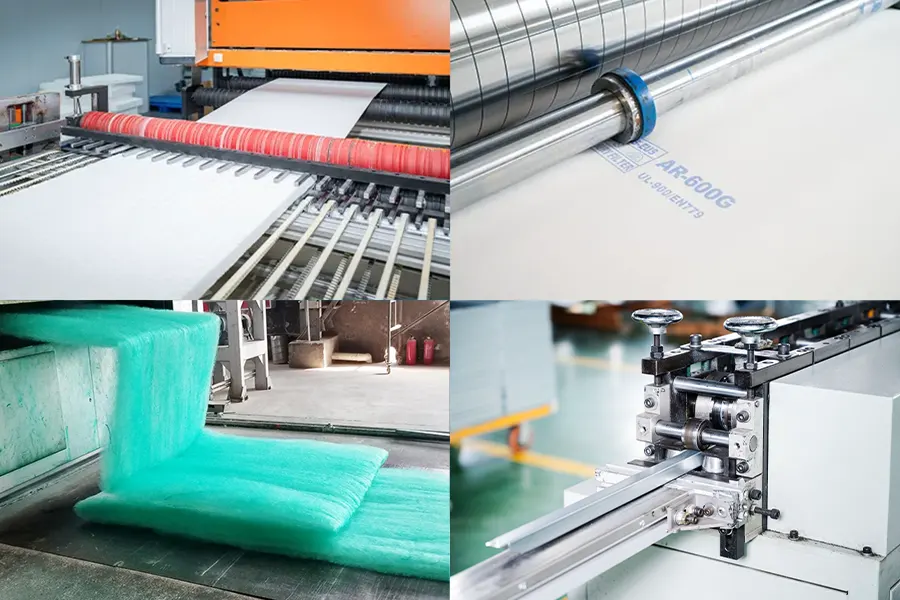
Factory-Direct Custom Air Filtration Solutions
Common Ceiling Filter Selection Mistakes
Selecting the wrong ceiling filter size, Merv, or material compromises airflow and allows airborne contaminants to bypass your system entirely.
Even experienced operators can make mistakes when selecting paint booth filters. Avoid these common pitfalls:
| Common Mistake | Why It’s a Problem | How to Avoid It |
|---|---|---|
| Choosing the wrong thickness | Can cause airflow imbalance or reduce filter life | Always check manufacturer specifications and booth airflow rating |
| Over-specifying efficiency | Higher-cost filters increase airflow resistance unnecessarily | Match efficiency to application—HEPA is not always needed |
| Ignoring loft rating | Low loft filters clog quickly, reducing booth performance | Choose appropriate loft for paint volume and type |
| Incorrect sizing | Leads to air bypass and overspray contamination | Measure booth carefully and check fit for ceiling grid |
| Using incompatible media | Solvent or waterborne paints can degrade media | Match media type to paint system (fiberglass for solvent, synthetic for waterborne) |
When to Replace a Paint Booth Ceiling Filter
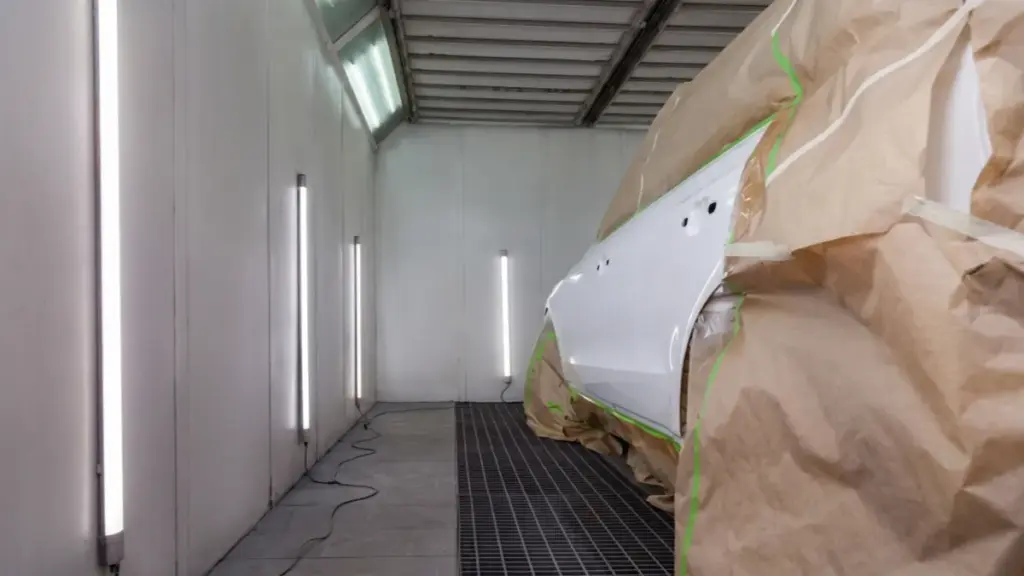
Replace paint booth ceiling filters based on production volume—every 2 à 4 weeks for high-volume shops—and monitor pressure gauges for a 0.5-inch rise to prevent finish defects.
Standard Timeframes by Production Volume
Filter lifespan depends heavily on your spray frequency and the volume of material passing through the system. Establishing a baseline schedule maintains consistent airflow and stops overspray from overwhelming the exhaust and intake mechanisms.
- High-volume shops: Replace filters every 2 à 4 weeks to manage heavy overspray loads and keep production moving without airflow drops.
- Medium-volume facilities: Plan for a 4 to 6-week replacement cycle when using standard polyester or fiberglass media.
- Light or intermittent setups: Stretch replacement intervals up to 2 mois. You must monitor these setups strictly to avoid exceeding manufacturer limits.
Warning Signs Indicating Filter Saturation
Calendar schedules provide a solid starting point, but environmental factors and specific paint types dictate the actual saturation rate. Inspect your booth actively to catch filter failure before it ruins a paint job.
- Visual degradation: Inspect media surfaces for dark patches, heavy material buildup, holes, or a noticeable loss of moistness.
- Pressure changes: Check your gauges for an increase exceeding 0.5 inches water column above the clean baseline.
- Finish defects: Look out for uneven paint finishes or recirculated particles. Reduced airflow velocity causes these specific quality issues.
Choose Airy as Your Reliable Ceiling Filter Supplier
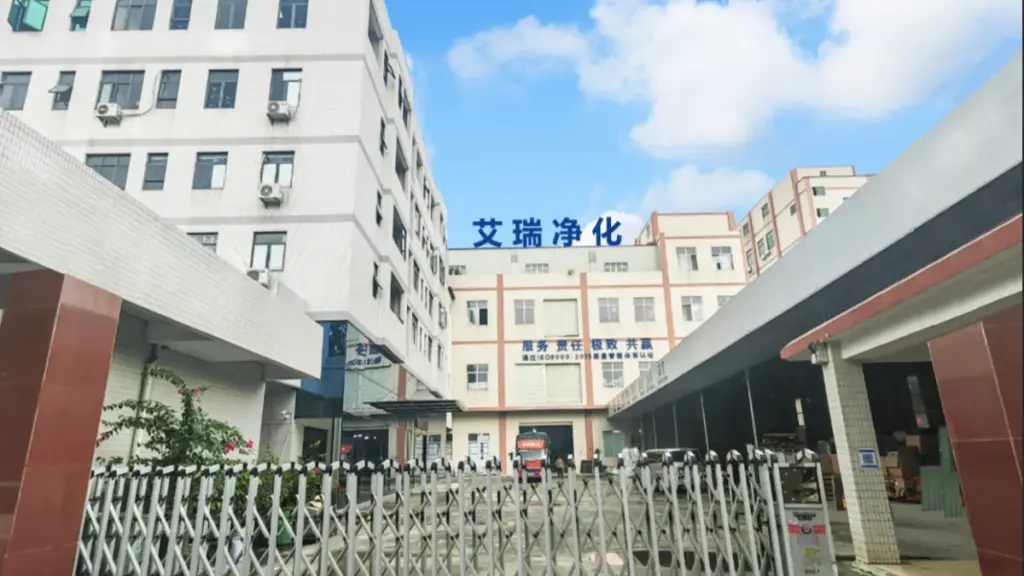
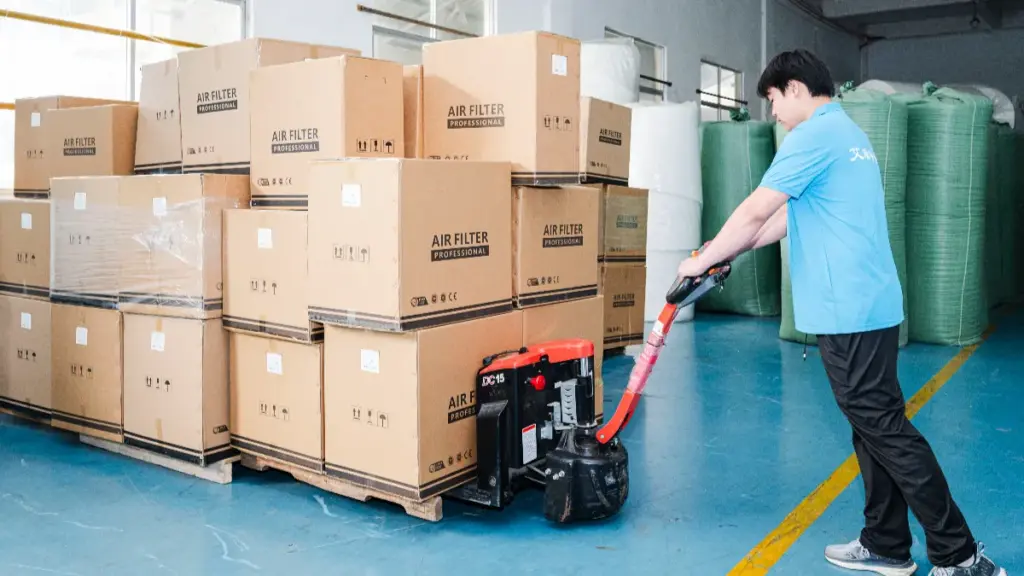
Guangzhou Airy Filter Media Co., Ltd. delivers 200,000 certified ceiling filters monthly. We combine a 10,000-square-meter facility with direct OEM support to meet high-volume demands fast.
Manufacturing Capabilities and Factory Scale
Guangzhou Airy Filter Media Co., Ltd. is a trusted manufacturer and supplier of industrial air filtration products, including ceiling filters for paint booths. With over a decade of experience in filtration media and finished filters, Airy provides:
- Broad Product Range: Fibre de verre, synthetic, plissé, HEPA, and activated carbon ceiling filters
- Personnalisation: Taille, épaisseur, loft, matériel, and packaging tailored to your booth and application
- Quality Assurance: ISO 9001-certified production, in-house testing, and consistent performance
- Export Experience: Serving Europe, les États-Unis, Japan, Southeast Asia, and beyond
- Low MOQ and Fast Delivery: Perfect for OEMs, distributeurs, and small projects
Airy’s vertically integrated manufacturing ensures reliable filter performance, extended life, and application-specific efficiency. For more information on our paint booth filters and customization options, contact us directly.
Foire aux questions
How do I choose a ceiling filter for a paint booth?
Identify your booth type, taille, and airflow specifications from the manufacturer’s manual. Select an appropriate MERV rating based on your finish requirements. Downdraft booths typically need MERV 10+ diffusion media pads, while cross-draft booths work well with MERV 6-8 polyester panels. Match the filter dimensions accurately to your frame and select the right material for the type of paint you spray.
What filter thickness should I use?
Standard paint booth ceiling filters use M5 media and range from 18 mm to 23 mm in thickness. Choisir 18 mm filters for light-duty setups, 21 mm for standard automotive booths, et 23 mm for heavy industrial applications that require maximum dust trapping. Measure your filter slot depth to guarantee a secure fit.
What size of paint booth ceiling filter should I choose?
Measure the inside dimensions of your booth’s filter frame and choose a filter that is 1/8 à 1/2 inch smaller than those measurements. This exact sizing prevents air bypass and maintains proper airflow. Keep in mind that nominal sizes often differ from actual dimensions, so taking exact physical measurements prevents gaps or buckling.
Does higher efficiency mean better performance?
Not automatically. Higher-efficiency filters capture finer particulates but create higher airflow resistance due to an increased pressure drop. This restriction lowers the total clean air delivery rate inside the booth. Balance the filter’s efficiency rating with your exhaust fan’s power to maintain proper air circulation.
What is loft rating in paint booth filters?
Loft rating measures the thickness and cushioning capability of the filter material. A higher loft rating indicates the filter holds its structural integrity better and compresses less under pressure. Filters with high loft ratings typically deliver longer service life, steady airflow output, and fewer pressure drops.
Can the wrong ceiling filter affect paint finish?
Oui. Using the wrong ceiling filter lets unfiltered dust, débris, and overspray enter the booth and settle on freshly painted surfaces, creating specks and rough textures. Incorrect filters also restrict airflow, causing paint mist to recirculate and produce a hazy, uneven finish on your parts.
Réflexions finales
Choosing the right ceiling filter is key to achieving a smooth, defect-free paint finish while maintaining efficient airflow in your booth. By understanding filter types, key selection factors, and common mistakes, you can maximize the performance of your paint booth and reduce maintenance costs. For reliable ceiling filters tailored to your needs, trust Airy to provide high-quality, customizable solutions.
Contact our engineering team at Airy to discuss OEM specifications and lock in a reliable, high-volume supply chain for your facility.