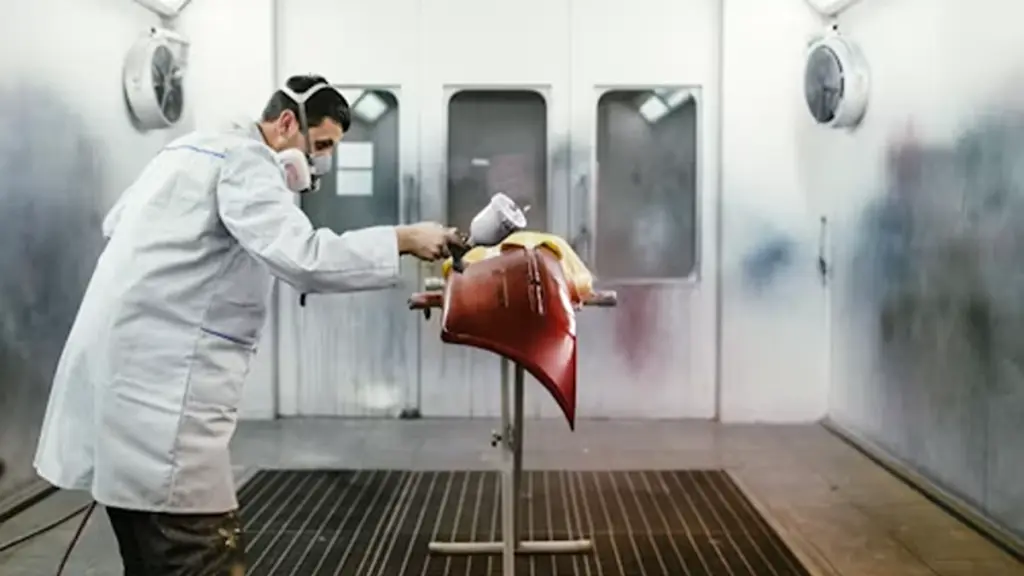
Paint booth performance depends on two different filtration jobs: keeping incoming air clean and capturing paint-laden air before it leaves the booth. Intake filters and exhaust filters may work in the same system, but they serve different purposes, load differently, and affect finish quality and booth efficiency in different ways.
What Is a Intake Filter?
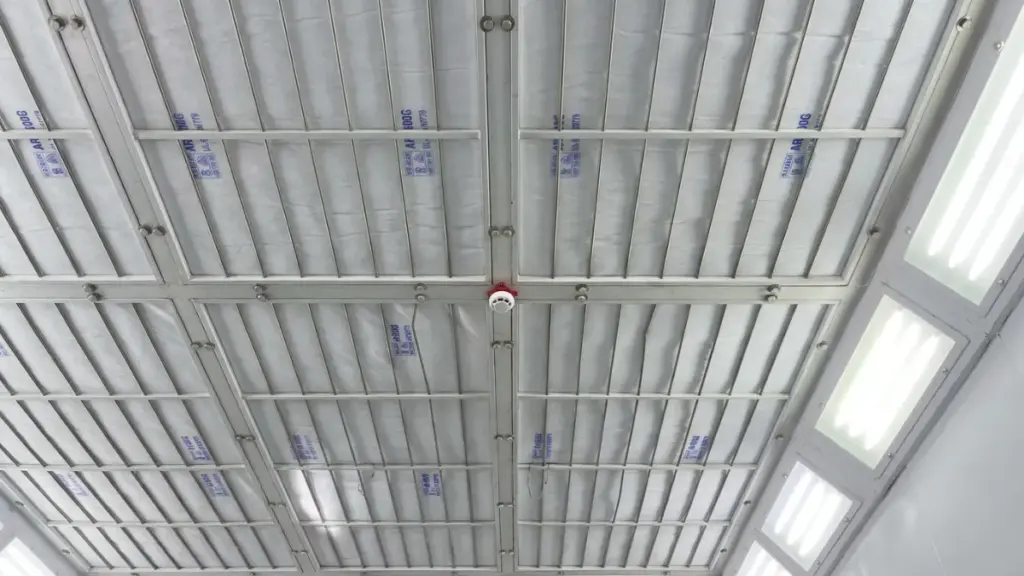
Intake filters act as the first line of defense in a spray booth, purifying incoming air to guarantee a defect-free paint finish and protect operators.
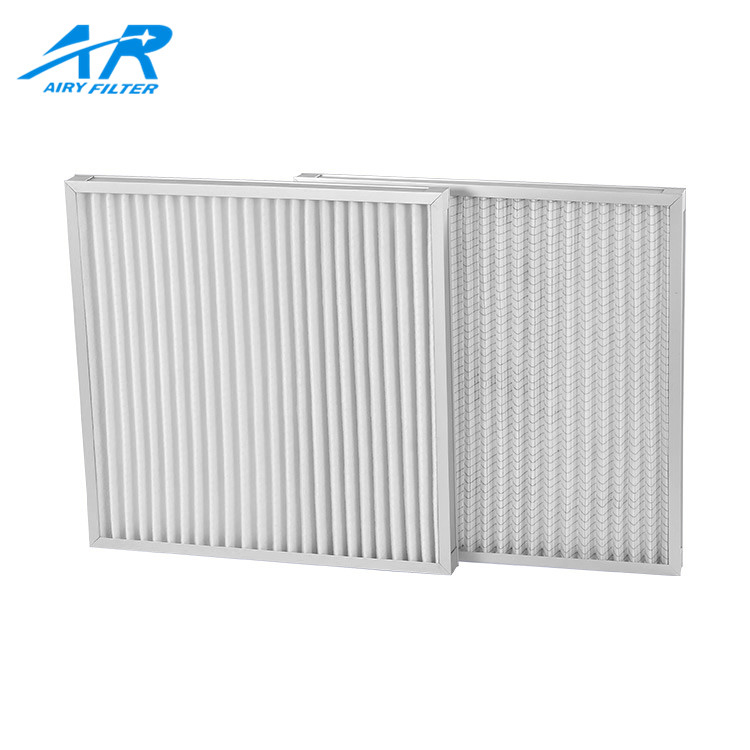
An intake filter (also called a supply air filter or ceiling filter) is installed at the air entry point of a paint booth, such as the ceiling, doors, or air make-up unit. Its primary function is to clean incoming air before it reaches the painting area.
These filters are typically made from synthetic fibers or fiberglass media and are designed to capture:
- Dust particles
- Pollen
- Airborne contaminants
- Fine debris
In high-end paint booths, intake filters can range from coarse pre-filters to high-efficiency ceiling filters, depending on the required cleanliness level.
How Does a Intake Filter Work in a Paint Booth?
Intake filters purify incoming air using interception and diffusion to trap microscopic contaminants. This two-stage process ensures smooth laminar airflow and prevents debris from ruining the final paint finish.
In a paint booth, intake filters play a critical role in delivering clean, controlled airflow to the spraying area. At the core, intake filters use multi-layer fiber media to capture dust and fine particles through mechanisms such as interception and diffusion, typically filtering contaminants down to around 10 microns.
In real applications, intake filtration is not a single step—it works as part of a multi-stage airflow system designed to handle large volumes of air.
- Pre-filtration stage (air make-up unit): Removes larger particles like dust and debris, extending the lifespan of downstream filters.
- Secondary intake filtration: Installed on ceilings, walls, or doors to ensure final air cleanliness and stable airflow.
This staged design helps maintain uniform, laminar airflow, which is essential for high-quality painting.
Here’s how the process works in a typical paint booth:
- Air Intake: Fresh air is drawn from outside or supplied through an HVAC system.
- Filtration Stage: Intake filters remove dust and fine particles before air enters the booth.
- Air Distribution: Clean air flows evenly across the workspace, often in a laminar (non-turbulent) pattern.
- Contamination Control: Clean airflow prevents particles from settling on wet paint surfaces.
When properly selected and maintained, intake filters help ensure:
- Smooth, defect-free finishes
- Reduced rework and polishing
- Consistent coating quality across production
What Is a Exhaust Filter?
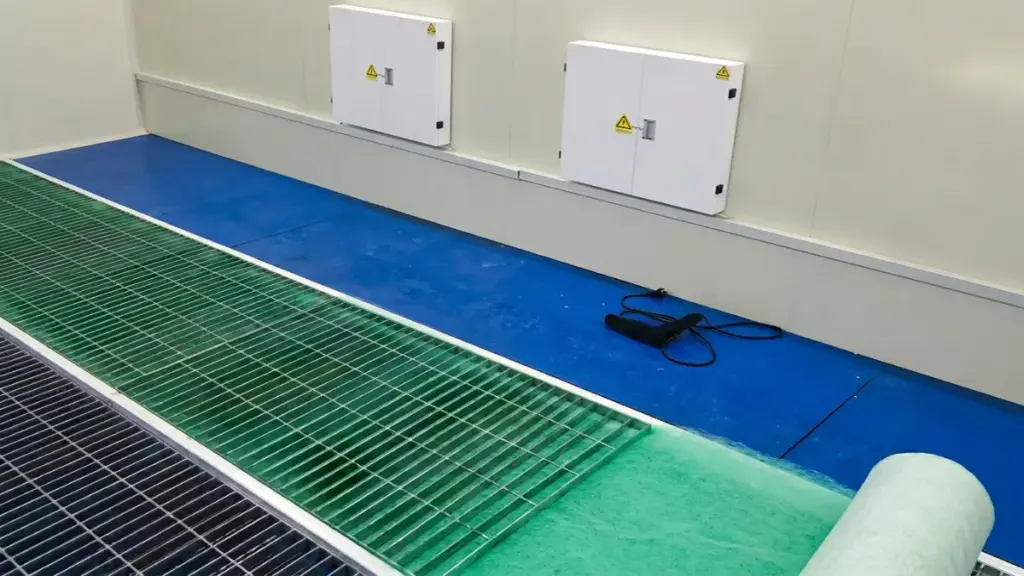
An exhaust filter traps solid particles, chemical vapors, and odors from outgoing air streams, mitigating health risks and preventing environmental pollution before release.
An exhaust filter (also known as a paint arrestor filter or floor filter) is installed at the air outlet of the paint booth, usually near the exhaust fan or within the exhaust chamber. Its main function is to capture overspray particles and contaminants before air is discharged into the environment.
Exhaust filters are specifically designed to handle:
- Paint overspray (wet or dry particles)
- Pigments and coatings
- Sticky or heavy airborne particles
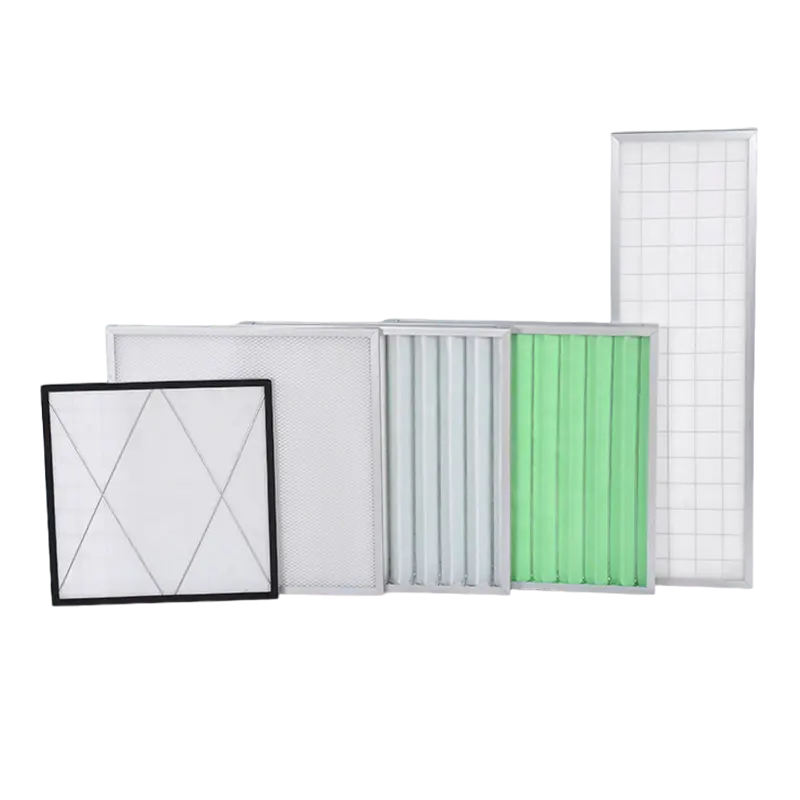
Common exhaust media types include:
- Fiberglass paint stop filters
- Pleated paper filters
- Multi-layer high-capacity arrestors
How Does a Exhaust Filter Work in a Paint Booth?
Exhaust filters use a multi-stage process of fiberglass, polyester, or carbon to trap overspray and VOCs before air leaves the booth, protecting equipment and the environment.
The Multi-Stage Filtration Process
Paint booth exhaust filters rely on a progressive structure to strip contaminants from the outbound air stream. This layered design prevents rapid surface clogging and maintains essential airflow as the filter fills with paint residue.
- Outer layers: These initial barriers capture larger paint droplets and heavy overspray directly from the air stream.
- Inner layers: Deeper into the filter, the media traps smaller particles while the porous material allows adequate airflow to continue through the system.
- Final stage: The last layer blocks the remaining microscopic contaminants so only clean air exits the exhaust fan.
Common Filter Materials and Placement
Installers place exhaust filters near the end of the paint booth, directly adjacent to the outbound exhaust fan. This strategic location ensures the filter catches all airborne particulate before it enters the ductwork or escapes into the atmosphere. Operators select air filter media based on their specific production volume and compliance requirements.
- Fiberglass: This option provides a cost-effective, porous matting that easily manages heavy particle loads without suffocating the fan.
- Multilayered polyester: These synthetic materials increase the air-to-filter contact area to improve capture efficiency and extend equipment lifespan.
- Activated carbon: These specialized filters use adsorption to strip odors and volatile organic compounds (VOCs) from the outbound air.
Intake Filter vs Exhaust Filter Differences
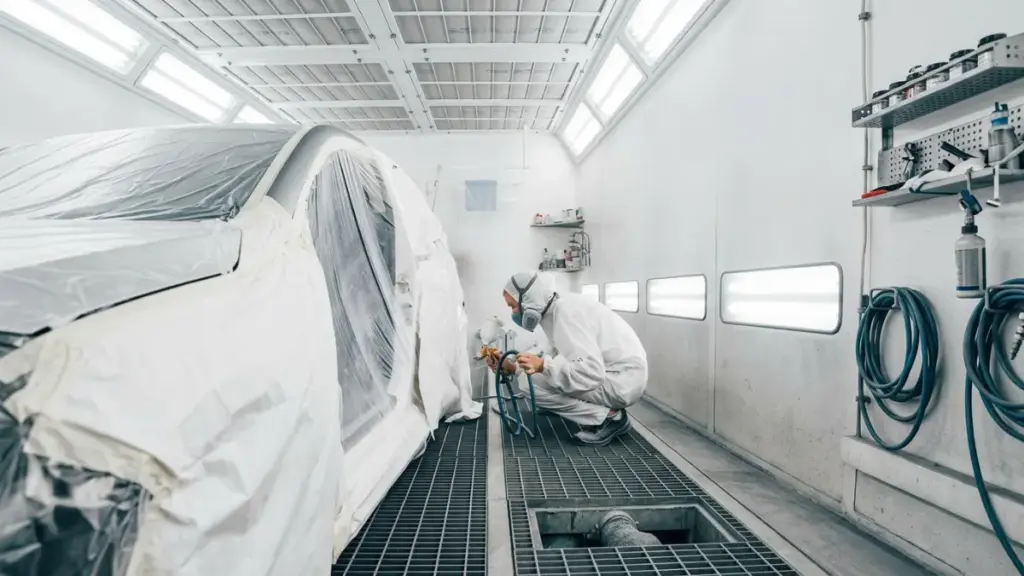
Intake filters protect your internal machinery from incoming ambient dirt, while exhaust filters safeguard workers and the environment from hazardous outgoing emissions.
While both intake and exhaust filters are essential components of a paint booth system, they serve fundamentally different roles. Understanding these differences helps ensure proper filter selection, balanced airflow, and optimal coating results. Here is a summarized table about different between intake filters and exhaust filters for your quick reference:
| Aspect | Intake Filter | Exhaust Filter |
|---|---|---|
| Position | Air entry (ceiling or inlet) | Air exit (floor or rear wall) |
| Primary Function | Clean incoming air | Capture paint overspray |
| Target Contaminants | Dust, fine particles | Paint mist, sticky particles |
| Impact on Finish | Direct (very high) | Indirect (moderate) |
| Impact on Compliance | Low | High |
| Filter Structure | Fine, uniform media | High dust-holding capacity |
| Replacement Frequency | Moderate | Frequent |
Position in the Paint Booth System
The most fundamental difference lies in where each filter is installed.
- Intake filters are located at the air entry point, typically in the ceiling, air make-up unit, or inlet ducts.
- Exhaust filters are installed at the air exit, usually near the floor or rear wall, just before the exhaust fan or ductwork.
This positioning reflects their roles: one prepares clean air for the booth, while the other treats contaminated air before discharge.
Function and Filtration Objective
The two filters are designed for completely different filtration goals.
- Intake filters focus on removing dust and fine airborne particles to ensure a clean painting environment.
- Exhaust filters are designed to capture paint overspray, including sticky and heavy coating particles generated during spraying.
In simple terms:
👉 Intake filters protect the product
👉 Exhaust filters protect the system and environment
Types of Contaminants Captured
Each filter handles different types of contaminants due to its position in the airflow.
- Intake filters: Dust, pollen, lint, and fine particles from ambient air
- Exhaust filters: Paint mist, pigments, solvents, and coating residues
Because overspray particles are heavier and often sticky, exhaust filters require a completely different structure and material design.
Impact on Paint Finish Quality
One of the most important differences for end users is how each filter affects coating results.
- Intake filters have a direct and critical impact on finish quality, as they control the cleanliness of the air contacting wet paint surfaces.
- Exhaust filters have an indirect impact, mainly by maintaining proper airflow and removing overspray efficiently.
Poor intake filtration can lead to visible defects such as dust inclusions, while poor exhaust filtration may cause uneven airflow and overspray accumulation.
Airflow and System Performance
Both filters influence airflow, but in different ways.
- Intake filters ensure smooth, uniform, and laminar airflow entering the booth.
- Exhaust filters maintain proper air extraction and prevent airflow restriction caused by overspray buildup.
A mismatch between intake and exhaust filtration can result in:
- Turbulent airflow
- Pressure imbalance
- Reduced spray efficiency
Filter Structure and Material Design
The internal design of these filters reflects their different roles.
- Intake filters use fine, uniform fiber structures optimized for capturing small particles while maintaining stable airflow.
- Exhaust filters use progressive, multi-layer media designed for high dust-holding capacity and depth filtration.
Common materials also differ:
- Intake: synthetic fibers, ceiling filter media
- Exhaust: fiberglass, polyester, and sometimes activated carbon
Maintenance and Replacement Frequency
Maintenance requirements vary significantly between the two.
- Intake filters generally have a longer service life but still require periodic replacement to maintain air cleanliness.
- Exhaust filters need more frequent replacement due to heavy paint loading and overspray accumulation.
Failing to replace exhaust filters in time can quickly lead to airflow restriction and reduced booth efficiency.
Role in Environmental Compliance
Environmental responsibility is another key difference.
- Intake filters have minimal direct impact on emissions.
- Exhaust filters are critical for environmental compliance, as they prevent paint particles and pollutants from being released into the atmosphere.
In some applications, additional filtration (such as activated carbon) may be required to meet VOC regulations.
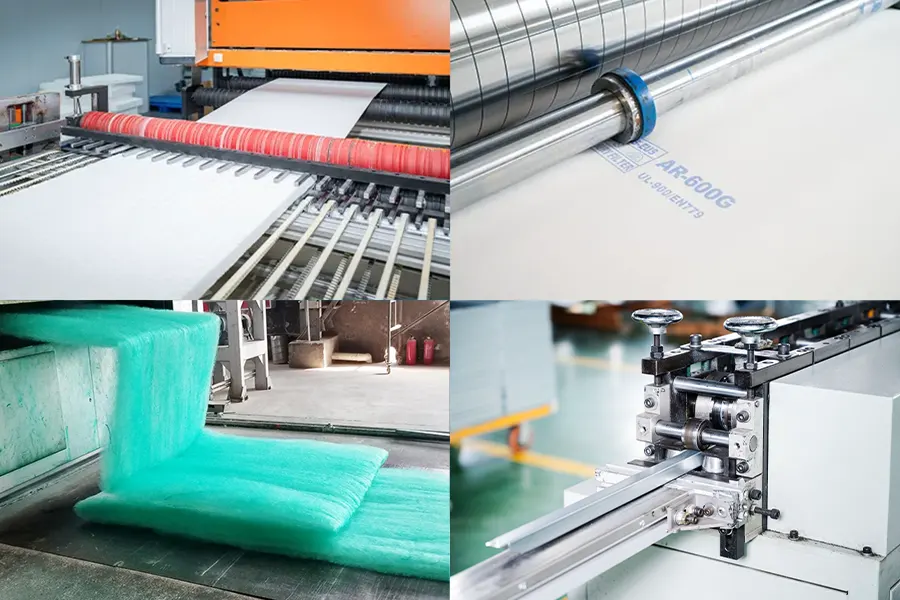
Custom Industrial Filtration at Factory-Direct Prices
Pros and Cons of Intake Filters
Intake filters protect paint finishes from airborne debris, but they require exact booth matching and strict maintenance to prevent severe airflow restriction.
Advantages of Intake Filters
A quality intake filter acts as the primary defense for your spray booth. Catching debris early protects the integrity of the final paint application and keeps your operation running smoothly.
- Air Quality: They remove airborne contaminants before the air reaches the spray booth workspace.
- Airflow Consistency: Properly matched filters maintain steady airflow and operate efficiently across specific booth configurations, including cross draft and downdraft setups.
Limitations of Intake Filters
While critical for clean finishes, intake systems demand exact specifications and regular upkeep. Failing to manage these variables directly impacts booth performance and surface quality.
- Maintenance Risks: Clogged filters reduce airflow efficiency. This restriction allows dirt particles to spread and degrade the paint application quality.
- Strict Compatibility: Operators must precisely match intake filters to specific booth designs. Cross draft and downdraft filters completely lack cross-compatibility.
- Space Constraints: Installing these systems in confined spaces restricts airflow. This creates design challenges for engineers trying to maintain proper velocity ratings.
Pros and Cons of Exhaust Filters
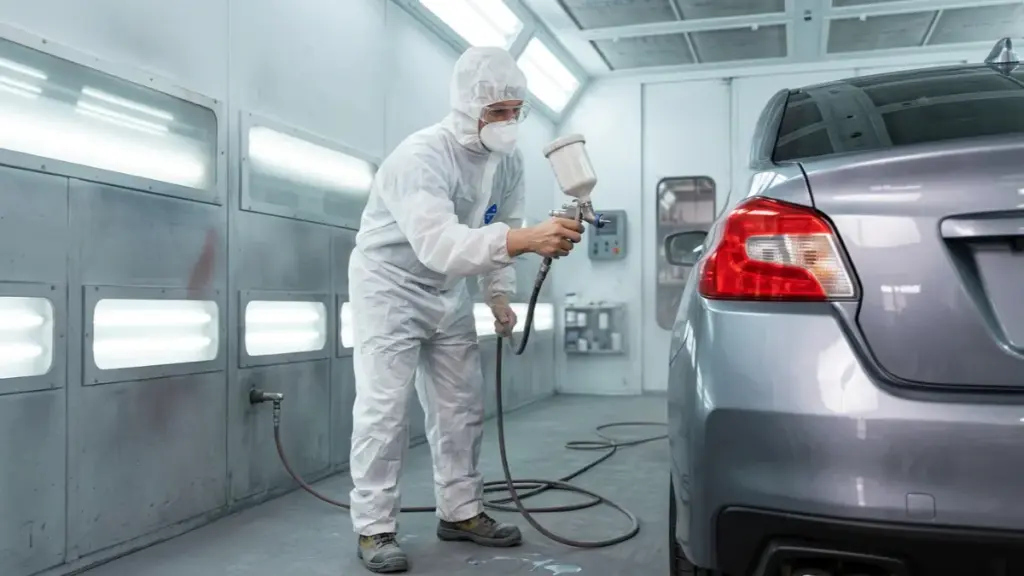
Exhaust filters protect workers, equipment, and the environment by capturing hazardous emissions, but they demand strict maintenance schedules and ongoing budget commitments to remain effective.
Advantages of Exhaust Filters
Industrial facilities rely on exhaust filtration to manage outbound air quality. These systems deliver measurable returns across compliance, safety, and equipment integrity.
- Environmental protection: Exhaust filters minimize pollutant emissions into the atmosphere to protect the environment.
- Workplace safety: They eliminate hazardous byproducts like oil mist to create safer work areas and prevent respiratory hazards.
- Equipment longevity: These filters protect downstream equipment from damage and extend machinery lifespan by removing harmful contaminants.
- Regulatory compliance: They help industrial operations meet strict health, safety, and environmental regulations.
- Product purity: Exhaust filtration ensures manufacturing outputs remain pure and prevents cross-contamination in sensitive industries.
Disadvantages of Exhaust Filters
Despite their critical role, exhaust filtration systems introduce operational friction. Facility managers must account for direct expenses and ongoing labor requirements.
- Capital and operating costs: Implementing and operating industrial filtration systems carry high upfront costs and hidden maintenance expenses.
- Strict maintenance demands: Facilities must regularly replace and monitor filters, as degraded filters actually worsen air quality.
- Filtration limitations: Standard filters fail to remove all particulates, forcing industries to buy specialized custom solutions for smaller pollutants.
- Ongoing budget impact: They create additional maintenance burdens that companies must factor into ongoing industrial budgeting.
How to Choose the Right Paint Booth Filtration System
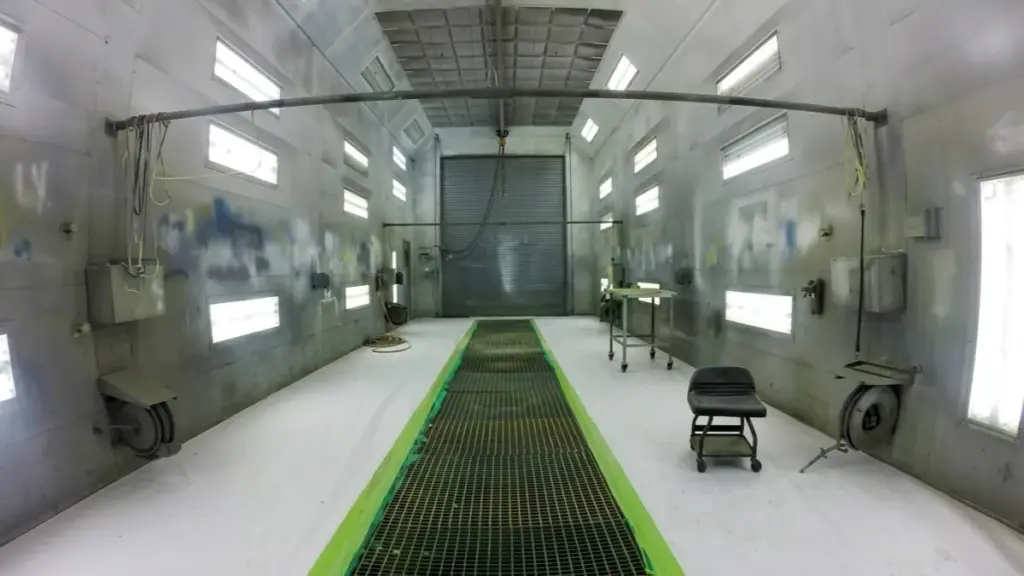
Selecting the right paint booth filtration system is essential for achieving consistent coating quality, maintaining airflow balance, and controlling operating costs. Instead of choosing filters individually, it’s important to evaluate the system as a whole.
Define Your Application Requirements
Start by identifying your specific use case:
- Type of coating (water-based, solvent-based, powder)
- Finish quality requirements (standard industrial vs high-gloss automotive)
- Production volume and spray frequency
Higher-end applications require finer intake filtration and more stable airflow control.
Balance Intake and Exhaust Filtration
A well-performing paint booth depends on balanced airflow:
- Choose intake filters that provide clean, uniform air with low initial resistance
- Select exhaust filters with high dust-holding capacity to avoid rapid clogging
Imbalance between the two can lead to turbulence, overspray buildup, or pressure issues.
Consider Filtration Efficiency and Airflow Resistance
Efficiency and resistance must be optimized together:
- Higher efficiency = cleaner air, but potentially higher pressure drop
- Lower resistance = better airflow, but less filtration
The goal is to find a balanced configuration that maintains clean air without overloading the fan system.
Evaluate Filter Lifespan and Maintenance Frequency
Frequent filter changes increase downtime and cost.
- Use progressive density exhaust filters for longer service life
- Consider pre-filtration stages to extend intake filter lifespan
A longer-lasting system reduces both labor and replacement costs.
Check Compliance and Safety Requirements
Different markets and industries have strict standards:
- Fire resistance ratings (e.g., flame-retardant materials)
- VOC control (activated carbon filters if required)
- Environmental emission regulations
Make sure your filtration system meets local compliance requirements.
Choose a Supplier That Supports Customization
Every paint booth is different, especially in industrial environments.
Look for a supplier that can provide:
- Custom sizes and configurations
- Multiple filter media options (learn more about different types of paint booth filters)
- Technical support for system matching
A one-stop supplier can help you design a fully compatible filtration system, rather than sourcing mismatched components.
Why Work With a One-Stop Air Filter Supplier
Guangzhou Airy Filter Media Co., Ltd. is a specialized manufacturer of industrial air filtration solutions, serving global customers with a full range of products for paint booths and HVAC systems.
Airy provides a complete portfolio, including intake ceiling filters, exhaust paint arrestors, activated carbon filters, HEPA filters, and related filter media—covering every stage of the spray booth filtration process.
Our strengths are built around real customer needs:
- Better finish quality: Full tacky ceiling filters capture and lock fine dust, reducing defects like dust nibs and fish-eyes
- Lower operating costs: Progressive density media increases dust-holding capacity and extends service life
- Safety & compliance: Fire-rated materials and carbon filtration help meet environmental and safety standards
- One-stop sourcing: Full customization across sizes, materials, and structures for intake, exhaust, and specialty filters
With strong manufacturing capability and export experience, we support long-term partnerships for distributors, contractors, and industrial users worldwide. Looking for a reliable paint booth filtration partner? Contact Airy today to get customized solutions and fast quotations.
Frequently Asked Questions
What is the difference between intake and exhaust filters in a paint booth?
Intake filters sit at the air entry points to catch dust and debris before the air hits your painting workspace. Exhaust filters mount near the exhaust fan to trap paint overspray and chemical vapors before the air exits the booth.
What type of filter to use for a paint booth?
A complete paint booth system typically uses:
- Pre-filters (coarse filtration)
- Ceiling intake filters (fine filtration)
- Exhaust filters (paint arrestors)
The exact combination depends on the application and required finish quality.
Do I need both intake and exhaust filters?
Yes, both serve critical roles. Intake filters keep the incoming air clean to ensure a defect-free paint finish. Exhaust filters trap outgoing toxins and paint particles to protect your workers, equipment, and the environment. Running a booth without either directly compromises your surface quality and workplace safety.
Which filter affects finish quality more?
Intake filters dictate finish quality. They act as your first line of defense against microscopic particles that cause defects like fisheyes or uneven gloss. Exhaust filters manage overspray and environmental compliance, so they do not clean the incoming air that touches the wet paint.
What is the best airflow for a paint booth?
Optimal airflow means matching the intake and exhaust cubic feet per minute (CFM) to maintain a slight positive pressure. Crossdraft booths usually require 100 feet per minute (FPM) across the face opening. Downdraft booths operate best between 50 and 100 FPM.
How often should I change paint booth exhaust filters?
Replace your paint booth exhaust filters every 100 operating hours or every 3 to 4 weeks. Heavy production volumes demand more frequent changes. We recommend using a manometer to measure pressure drops so you know exactly when a filter hits its capacity limit.
Can clogged exhaust filters reduce booth performance?
Yes. Clogged exhaust filters can:
- Restrict airflow
- Reduce overspray removal efficiency
- Increase energy consumption
- Cause uneven coating results
Timely replacement is critical for maintaining performance.
Final Thoughts
Both intake and exhaust filters play essential but distinct roles in a paint booth. One ensures clean air for perfect finishes, while the other ensures safe and compliant air discharge.
For optimal performance, it’s not about choosing one over the other—it’s about selecting the right combination, maintaining proper airflow, and working with a supplier that understands your application.
If you’re looking to improve coating quality, reduce defects, and streamline sourcing, partnering with a professional manufacturer like Airy can make a measurable difference.