Überspringen Sie zu Inhalten

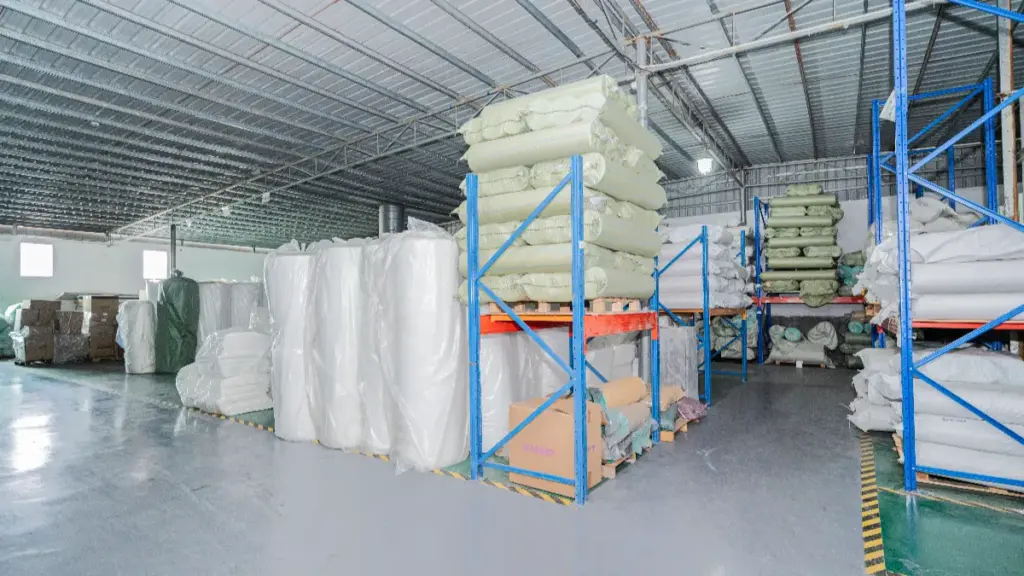
Filter media rolls are lightweight but bulky, which makes sea freight a major cost in wholesale orders. When a container fills before reaching its weight limit, buyers pay to transport unused air and packaging space. This can increase the freight cost per roll and reduce profit margins.
Vacuum compression reduces the packed volume of suitable filter media rolls, allowing more goods to fit into a container. Combined with a planned loading layout, it can lower shipping costs and improve order efficiency. For buyers comparing suppliers, the key is to look beyond the FOB price and calculate the landed cost per roll.
Wichtige Erkenntnisse
- LCL freight charges often depend on volume or weight, while FCL costs are spread across the goods loaded into a container.
- Vacuum compression removes air from suitable filter media rolls to reduce packed volume.
- Different filter products have different compression limits. Rigid frames and finished filters need separate protection.
- A good 20GP or 40HQ loading plan balances roll pallets, Kartons, cargo weight, and available space.
- Landed cost per roll gives buyers a more accurate basis for comparing suppliers than FOB price alone.
Why Do Filter Media Rolls Cost More to Ship by Sea?
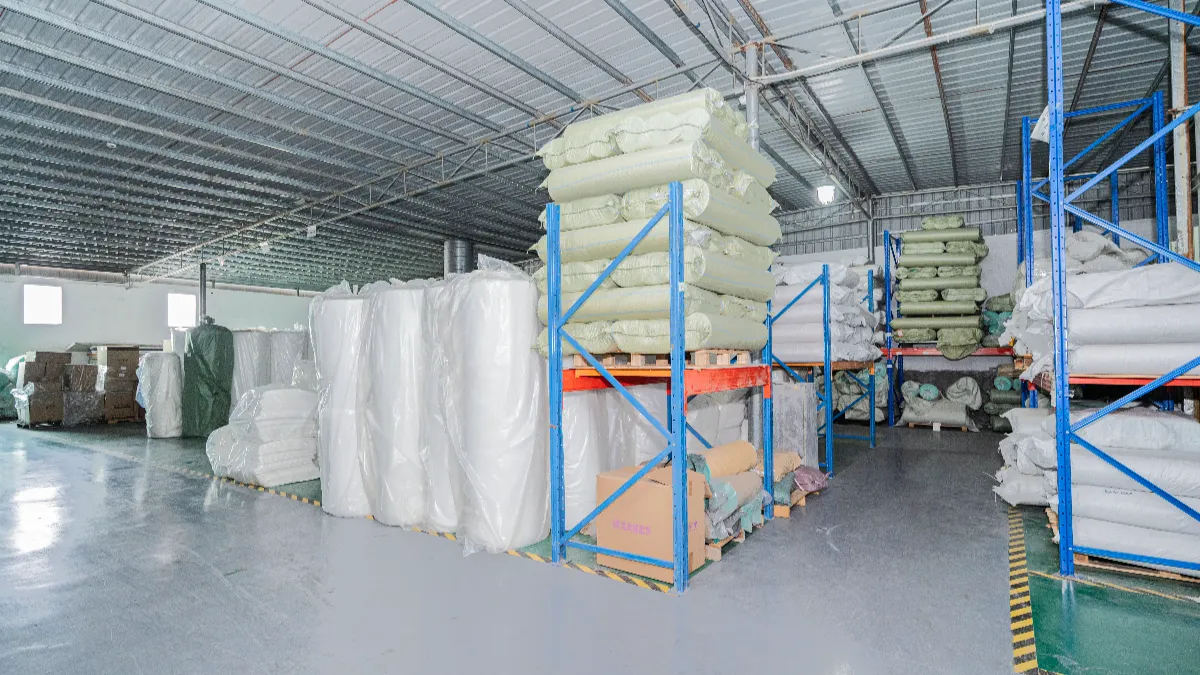
Filter media rolls take up considerable space compared with their weight. The material is wound around a core, and air remains between the layers. This creates bulky packages that can fill a container before its maximum payload is reached.
For less-than-container-load (LCL) shipments, forwarders commonly calculate freight using weight or volume, whichever produces the higher charge. A lightweight but bulky order may therefore cost more than buyers expect. For full-container-load (FCL) shipments, the freight rate is generally charged per container. Loading more rolls into the same container can reduce the freight cost per unit.
Handling and warehouse charges may also depend on shipment volume. Reducing packed dimensions can therefore improve more than just ocean freight costs.
For an air filter media roll wholesale order, buyers should check the actual packed dimensions rather than relying only on the roll’s width and length. Airy’s standard media options include sizes such as 2.1 × 20 M, 2.0 × 21 M, Und 1.5 × 20 M, with other specifications available on request.

How Does Vacuum Compression Reduce Freight Costs?
Vacuum compression removes air from a sealed package and reduces the overall volume of suitable filter media rolls. As the air is removed, the packaging presses against the material, creating a more compact package.
The weight of the filter media stays the same, but its packed dimensions become smaller. This allows more rolls to fit into the same shipping space, provided the material can tolerate the compression.
The actual result depends on the media type, Dicke, Dichte, and internal structure. Different air filter roll materials may respond differently to pressure. A supplier should test the compression level for each grade and check the material after unpacking.
For buyers, the benefit is straightforward. More rolls may fit into one container, reducing the freight cost allocated to each roll. Alternatively, a buyer can ship the same quantity in a smaller volume. Both options can improve purchasing efficiency.
Ask the supplier for the packed dimensions before and after compression. These figures provide a practical basis for comparing shipping options.
Which Filter Products Can Be Compressed Safely?
Not every filter product is suitable for vacuum compression. The main difference is whether the product can tolerate pressure without damaging its structure or affecting filtration performance.
Flexible filter media rolls are potential candidates, but the compression limit must be confirmed for each material. Cut sheets may also accept light compression when the material has been tested. Finished filters with rigid frames or delicate structures need more protection.
| Produkt | Compression | Recommended Packing | Main Freight Factor |
|---|---|---|---|
| Filter media roll | Subject to material testing | Sealed vacuum bag | Packed volume per roll |
| Cut media sheet | Light compression after testing | Flat pack with edge protection | Stack height and pallet count |
| Pleated panel filter | Avoid unless design-tested | Protective carton | Carton size and stack limit |
| Pocket bag filter | Avoid compressing finished pockets | Protective carton | Carton size and pocket protection |
| V-bank filter | No routine compression | Reinforced carton | Frame size and protection |
Compression suitability should be confirmed through product-specific testing before shipment.
Rigid frames can bend under pressure, while pleats and filter pockets may lose their intended shape. These products should be packed separately and protected during loading.
Zum Beispiel, Airys pre-filter media is available in rolls and cut pads. Buyers should confirm the packing method according to the selected grade and product dimensions before placing a bulk order.
How Should You Plan a 20GP or 40HQ Container Load?
A standard 20GP container has an approximate internal volume of 33 m³, while a 40HQ container holds around 76 m³. Actual usable space depends on container dimensions, door openings, pallet sizes, and cargo arrangement.
A good loading plan should consider the entire order rather than treating each product separately. When an order contains both filter media rolls and finished filters, the loading layout needs to account for their different shapes and protection requirements.
A practical loading process includes:
- Confirm the packed dimensions, weight, and pallet count of each product.
- Position heavier and rigid cartons according to the load plan.
- Arrange roll pallets to use available floor space efficiently.
- Secure the cargo to prevent movement during transportation.
- Check door clearance and unloading access before closing the container.
Do not place heavy frames or cartons on top of compressed rolls. Each carton should also stay within its permitted stacking limit.
A loading diagram prepared before shipment helps buyers check container capacity and cargo arrangement. It also makes it easier to confirm whether the order can fit into one container or needs a different loading plan.
What Packaging Protects Filter Media Rolls at Sea?
Reducing volume is only useful if the filter media arrives in good condition. Packaging must protect the rolls from moisture, Staub, punctures, and damage during handling.
For vacuum-compressed rolls, the bag and sealing quality are especially important. A damaged seal can allow air back into the package, increasing its volume and affecting the planned loading arrangement.
Buyers should check the following packaging details:
- Film strength: The bag should resist punctures during handling and transportation.
- Sealing quality: Sealed edges should remain intact throughout the shipping process.
- Feuchtigkeitsschutz: Packaging should suit the media’s moisture sensitivity and the expected shipping conditions.
- Edge protection: Pallet edges and contact points should not damage the rolls.
- Product labels: Each package should show the media type, Größe, batch number, and other required identification.
Before loading, inspect the rolls for damaged cores, visible creases, loose seals, and other signs of poor packaging. A packing inspection also helps prevent problems when distributors and filter manufacturers receive large orders.

How Do You Compare Landed Cost per Filter Roll?
The FOB price alone does not show the full cost of importing filter media. Buyers should calculate the total landed cost to compare suppliers fairly.
A basic calculation is:
Landed Cost per Roll = Total Import Cost ÷ Number of Rolls Received
Total import cost may include:
- Product purchase price
- Export packaging and pallet costs
- Inland transportation
- Ocean freight and insurance
- Destination port and handling charges
- Customs duties, taxes, and final delivery
The exact cost allocation depends on the agreed Incoterm. FOB, CIF, DAP, and DDP place different responsibilities on the buyer and seller. Always confirm which charges are included and who handles import clearance.
When comparing an air filter media roll wholesale order, request the packed dimensions, container loading estimate, and freight quotation from each supplier. Use the same quantity, destination, and delivery terms for a fair comparison.
A supplier that offers better packing efficiency may provide a lower landed cost even if its FOB price is slightly higher. Buyers should also compare annual purchasing volume to see how repeated freight savings affect their margins.
For distributors and OEM buyers, Luftiger Filter offers a range of filter media rolls and customized specifications. Discussing product dimensions and packing requirements before production can help align the order with the planned shipping method.
How Does Airy Support Filter Media Roll Export Orders?
Airy supplies filter media rolls for filter manufacturers, wholesalers, Händler, and private-label brands. Its product range includes synthetic pre-filter media, Glasfasermedien, ceiling diffusion media, paint stop media, and activated carbon media.
The official product range includes standard roll sizes such as 2.1 × 20 M, 2.0 × 21 M, Und 1.5 × 20 M, as well as customized widths and specifications.
For wholesale and OEM orders, Luftig sorgt:
- Flexible order quantities: MOQ starts from 20 Rollen für Filtermedien.
- Customized specifications: Rollenbreite, Gewicht, Dicke, and packaging can be adjusted to order.
- Private-label supply: OEM packaging and branding are available.
- Production capacity: The filter media product range lists a monthly media capacity of 200,000 m².
- Order support: Free samples can ship in 3 Tage, Standardbestellungen in 7–10 Werktagen, and bulk or customized orders in 15–20 days.
Vacuum-compressed packing can be discussed according to the media grade and order requirements. Buyers should confirm the suitable compression method, packed dimensions, and container arrangement before shipment.
To request a quotation, provide the media type, Rollenbreite und -länge, grammage or weight, Bestellmenge, destination port, and preferred delivery terms.
Contact Airy Filter to discuss filter media specifications, export packing, and a container loading plan for your next wholesale order.

Häufig gestellte Fragen
Does vacuum compression damage filter media?
It does not when the pressure stays within the material’s tolerance. The bag presses the roll evenly, and the media recovers its thickness when the bag opens. A roll pressed too hard can crease or crush its core, so the supplier should set the pressure per product and inspect pallets before loading.
Can framed filters ship in the same container as compressed rolls?
Ja, and mixing them often improves the load. Cartons of framed filters stand on the container floor beside the roll pallets, and light compressible goods fill the gaps around them. Do not stack rolls or heavy items on top of cartons. The plan must keep heavy items low and leave the door end clear for unloading.
How much space does a compressed roll save?
The saving depends on the media, the roll size and the pressure used, so a general percentage misleads. Ask for the packed dimensions per roll before and after compression, then compare container loads on those figures.
Which Incoterm suits a roll order?
FOB works when the buyer has a forwarder at the Chinese port. CIF suits buyers who want cost and insurance covered to the destination port by the supplier. DAP and DDP move the goods closer to the buyer’s door and put more of the logistics work on the supplier side.
What does Airy need to quote an air filter media roll wholesale order?
Send the roll width and length, the media type and weight, the quantity, the destination port and the delivery term. Airy replies with packed dimensions, a container load plan and a cost per roll for the route.