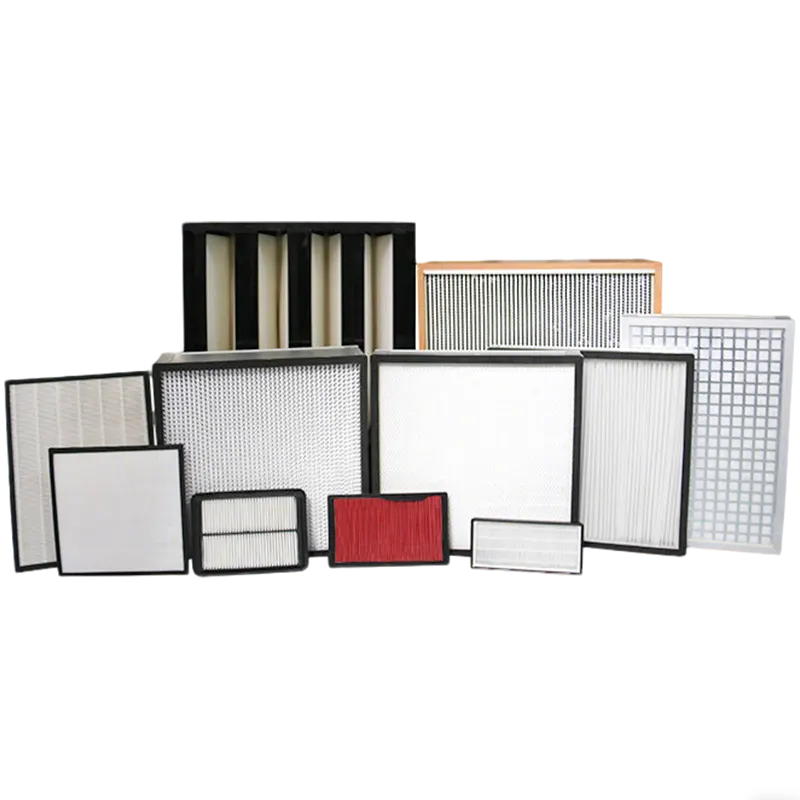
Ein Taschenfilter und ein Faltenplattenfilter können sich eine Fläche von 595 x 595 mm teilen und sich trotzdem nicht gegenseitig ersetzen. Man formt Vliesstoffe zu Taschen 600 mm tief; der andere faltet plissierte Medien zu einem 46 mm Rahmen. Ein Vergleich zwischen geraden Taschenfiltern und Faltenfiltern geht von dieser Geometrie aus, Denn die Wohnung entscheidet darüber, was ein Käufer bestellen kann.
Dieser Leitfaden vergleicht zwei Airy-Linien, die Käufer häufig für die Luftaufbereitung abwägen: die Polyester-Plissee-Prepanel-Serie und die Non-Woven-Taschenserie. Jede Zahl stammt von diesen Produktseiten. Wo eine Seite eine Funktion ohne Testmethode auflistet, der Text sagt es, und das Bestellformular sollte den gleichen Warnhinweis enthalten.
Wichtige Erkenntnisse
- Strukturen unterscheiden sich zunächst: Die Wahl zwischen Taschenfilter und Faltenfilter ist 600 mm gegen 46 mm Tiefe auf einer gemeinsamen 595×595-Fläche.
- Plissee-Referenz: AR-ZK-G3- und G4-Liste 85% Und 90% durchschnittliche Festnahme bei 35 Und 45 Pa Anfangswiderstand.
- Taschenreferenz: Die F5-F9-Tabelle listet 595×595×600 mm mit auf 8 oder 6 Taschen, plus kleinere Stellflächen je nach Modell.
Was sind die beiden Filterstrukturen??
Die Struktur entscheidet über die Passform, bevor die Medien über die Leistung entscheiden. Vergleichen Sie Tiefe und Gesicht, dann reden wir von Effizienz.
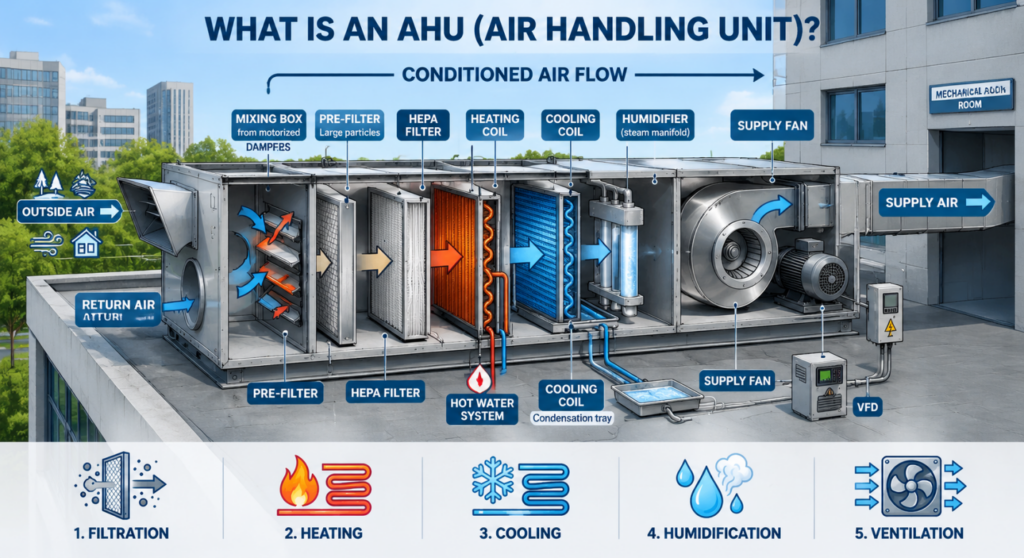
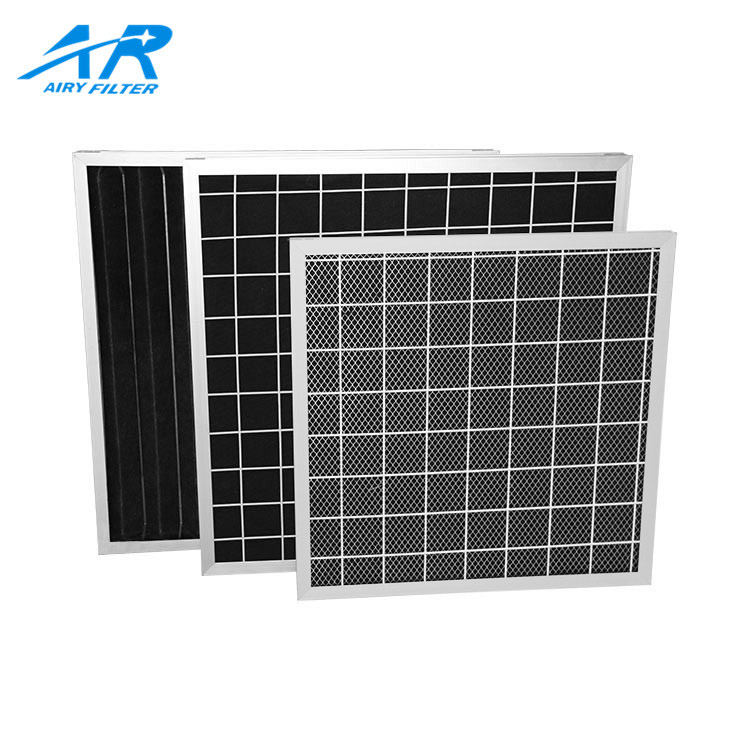
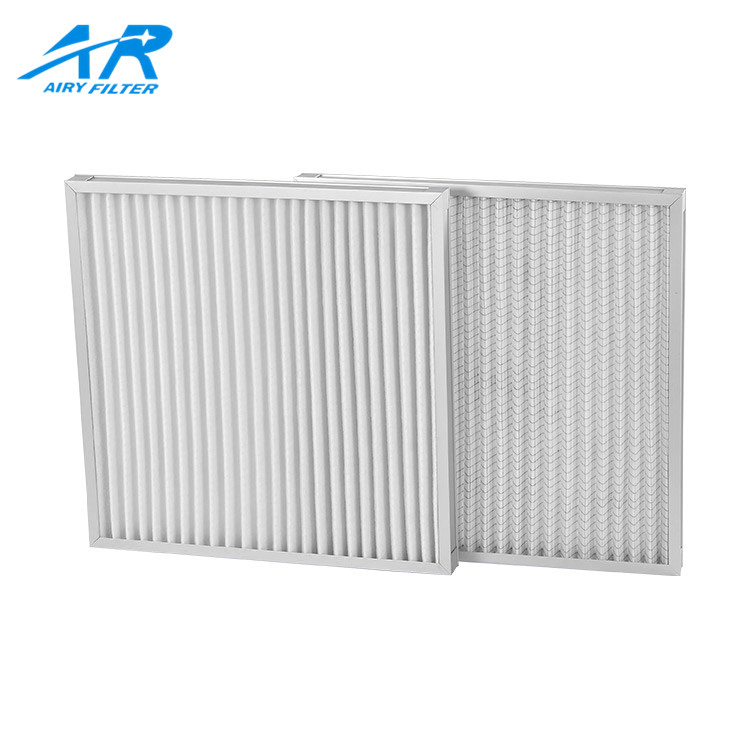
Airys plissierter Vorfilter Auf dieser Seite werden Medien aus Polyesterfasern oder Vliesstoffen beschrieben, die in einem flachen Rahmen zu Falten gefaltet sind. Es wird unter G3/G4/MERV verkauft 5-8 Titel, und die 46 Dank der Tiefe von mm kommt es der Grundfläche eines Flachbildschirms nahe. Die veröffentlichte Tabelle umfasst vier Footprints, 595×595×46 bis hin zu 495×495×46 mm, jedes mit seinem eigenen Nennluftstrom von 3,200 bis hin zu 1,600 m³/h. Die Seite platziert es in der primären Filterstufe der Klimaanlage, Belüftung, und Clean-Engineering-Projekte.
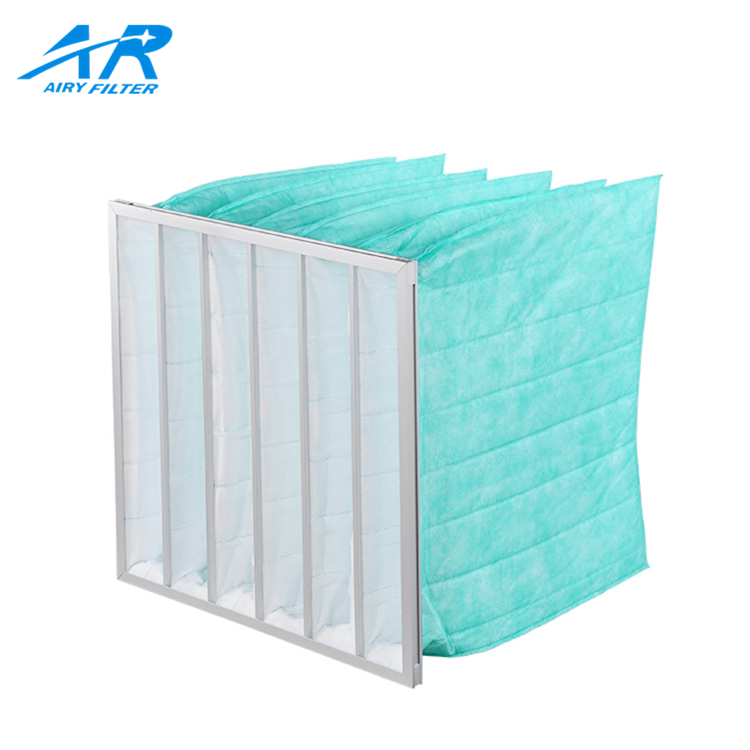
Der Taschenfilter aus Vliesstoff ist ein anderes Objekt. Vliesmedien werden zu einem Taschenpaket geformt, das an einem oberen Rahmen befestigt ist, 600 mm tief. Die Übersicht würdigt die Belastbarkeit, nicht hygroskopische Polyesterfasern, die ihre Struktur in feuchter Luft behalten, und listet das Paket von G4 bis F9 in seinen Feature-Punkten auf. In der veröffentlichten Tabelle sind die Modelle F5 bis F9 aufgeführt, farblich nach Klasse kodiert: F5 orange, F6 grün, F7 rosa, F8 gelb, F9 weiß.
Gleiches Gesicht, verschiedene Objekte. Die nächsten Abschnitte enthalten den Luftstrom, Widerstand, und Aufrechterhaltung dieser Geometrie, sodass die Entscheidung physisch und nicht verbal bleibt.
Können sie sich eine Wohnung teilen?, Bühne, und Tiefe?
Eine gemeinsame Gesichtsgröße ist kein gemeinsamer Teil. Regeln für die Slottiefe vor jeder Leistungszahl.
Eine gemeinsame Fläche von 595 x 595 mm begründet keine Austauschbarkeit. Überprüfen Sie den Montagerahmen, 600 mm verfügbarer stromabwärtiger Spielraum, Türzugang, und Versiegelung für beide Formate; Eine Umrüstung kann einen Adapter oder Gehäuseänderungen erfordern. Bestätigen Sie die nutzbare Tiefe, inklusive Türfreiraum, bevor Sie veröffentlichte Zahlen vergleichen.
Tiefe ist kein leeres Volumen, entweder. Die Taschenseite führt den geringen Anfangswiderstand und die hohe Staubkapazität auf das große Innenvolumen dieser tiefen Packung zurück. Die plissierte Seite sorgt für eine große Filterfläche und einen geringen Anfangswiderstand im Inneren 46 mm. Jedes Format kauft Oberfläche auf seine eigene Weise, und unser Arten von Luftfiltern Reiseführerkarten sowohl in die größere Familie.
Versiegelung gehört zur Tiefe. Auf keiner Seite wird angegeben, wie jedes Format gegen sein Gehäuse abdichtet, Also setzen Sie das auf die Fragenliste. Fragen Sie, wie der Rahmen jedes Formats auf den Sitz trifft, welche Dichtung bzw. Klemmung im Angebot vorausgesetzt wird, und wie die Zugangstür schließt. Luft, die an einer der beiden Grenzen vorbeiströmt, transportiert den Staub direkt zur nächsten Stufe, Egal welches Format die Zeichnung nennt.
Die Bühnenposition folgt den Seiten, innerhalb des eigenen Bereichs jeder Seite. Die plissierte Seite versetzt das Panel in die primäre Filterung. Auf der Taschenseite wird die zweite oder dritte Filterstufe hinter Vorplattenfiltern für Spritzkabinenausrüstung beschrieben. Keine der Seiten legt eine universelle Stufensequenz für gewerbliche HVAC-Systeme fest, Lassen Sie also das AHU-Design über die Reihenfolge entscheiden. Fragen Sie den Systemdesigner, bevor Sie eines der Formate vor die beanspruchte Stufe verschieben.
Wie sollten der Nennluftstrom und der Druckabfall verglichen werden??
Vergleichen Sie den Druckabfall nur dort, wo die veröffentlichten Luftströme aufeinander treffen. Zwei Blätter veröffentlichen Pflicht auf zwei Arten.
Die beiden Seiten veröffentlichen die Pflicht unterschiedlich. Das plissierte Laken bietet einen Nennluftstrom pro Größe, 3,200 m³/h bei 595×595×46, plus einen Anfangswiderstand und einen empfohlenen Endwiderstand von 250 Pa. Das Taschenblatt veröffentlicht drei Luftstrom-Druckabfall-Paare für die 8-Taschen-Konfiguration unter der Überschrift „Druckabfall bei Nennluftstrom“.. Lesen Sie die Vergleichstabelle unter Berücksichtigung dieses Unterschieds. Das Muster wiederholt sich im gesamten Taschenbereich. Die 6-Pocket-Version der gleichen Schlagfläche verschiebt ihre Testpunkte um 2100, 3200 Und 4300 m³/h. Der schmale 3-Pocket-Pack lautet 1100, 1800 Und 2300 m³/h in den gleichen drei Steigungsstufen.
| Artikel | Beispiel für eine plissierte Vorplatte | Beispiel einer Vliestasche |
|---|---|---|
| Abgebildetes Modell | AR-ZK-G4 | AR-WD-F6, 8 Taschen |
| Veröffentlichte Größe | 595×595×46 mm | 595×595×600 mm |
| Daten bereitgestellt | Ein Nennluftstrom mit Anfangs- und empfohlenem Endwiderstand | Drei Luftstrom-Druckabfall-Paare |
| Überprüfen Sie dies vor der Bestellung | Slot-Passform, rahmen, Effizienztestbasis | Gehäusetiefe, Taschenfreiheit, Effizienztestbasis |
Produktbeispiele, wie auf jeder Airy-Produktseite aufgeführt, keine einheitliche Spezifikation; Auf den Seiten wird keine gemeinsame Testmethode angegeben, Daher handelt es sich bei den beiden Spalten nicht um einen Vergleich unter gleichen Bedingungen.

Jede Seite gibt dann ihre eigenen Nummern an. Das Plisseeblatt listet den AR-ZK-G4 auf 90% durchschnittliche Festnahme, 45 Pa Anfangswiderstand, und ein empfohlenes Finale von 250 Pa. Das Taschenblatt beschriftet das F6-Modell mit 65% und gibt 35, 65, Und 100 Mehr und 2,300, 3,500, Und 4,500 m³/h. Lesen Sie jede Figur innerhalb ihrer eigenen Klassenfamilie und Testbasis; Keine Seite bietet eine gemeinsame Methode für eine Parallelbewertung.
Behandeln Sie die Frage „Taschenfilter vs. Faltenfilter“ als Frage zum Betriebspunkt. Platzieren Sie Ihren Design-Luftstrom auf beiden Blättern und sorgen Sie an dieser Stelle für Widerstand. Eine Tasche getestet bei 2,300 m³/h und eine Panel-Nennleistung von 3,200 m³/h beschreiben unterschiedliche Belastungen unterschiedlicher Medien. Die faire Linie auf der Angebotsanfrage ist Ihr gemessener Schlitz und Ihr Luftstrom, gegen beide Formate zitiert.
Wie wirken sich Staubbelastung und Wartungspläne auf die Auswahl aus??
Keine Seite veröffentlicht Staubgehaltsangaben in Gramm. Fordern Sie beim Lieferanten Modelldaten an, bevor Sie einen Austausch planen.
Häufigkeit des Auswechselns staubhaltiger Formen, und beide Seiten beanspruchen eine hohe Kapazität: Die Taschenübersicht verbindet ihr Innenvolumen mit einer längeren Lebensdauer. Was auf den Seiten weggelassen wird, ist die gemessene Zahl. Bitten Sie den Lieferanten um Daten zur Staubaufnahme auf Modellebene, bevor ein Zeitplan auf diesen Angaben basiert.
Auch die Wartung benötigt eine schriftliche Antwort. Auf der plissierten Seite wird die Waschbarkeit als Merkmal aufgeführt, es wird jedoch nicht angegeben, welche Rahmenkonfigurationen das Waschen vertragen, die Methode, oder Nachwaschleistung. Auf der Taschenseite ist keine Waschfunktion aufgeführt, Das ist kein Beweis dafür, dass Packungen in Mülltonnen entsorgt werden müssen. Bitten Sie den Lieferanten, die Wartungsmethode für das genaue Modell zu bestätigen, bevor Sie einen Rotationsplan erstellen.
Ein Messgerät schließt den Kreis in beide Richtungen. Stellen Sie den Wechselpunkt unter Verwendung des empfohlenen Endwiderstands des Filters zusammen mit den Luftstrom- und Druckgrenzen des AHU-Herstellers ein, Überwachen Sie dann den Druckabfall über dem installierten Filter. Wo das Gerät kein Messgerät hat, Verknüpfen Sie den Zeitplan mit der Laufzeit und der beobachteten Belastung, und überprüfen Sie es, nachdem Sie den ersten Satz gebrauchter Medien überprüft haben.
Schreiben Sie den Plan auf, bevor die erste Einheit ausgeliefert wird. Geben Sie den Endwiderstand an, Wer liest das Messgerät?, wie oft, und was passiert mit den entfernten Medien. Ein einzeiliger Plan pro Position verhindert den improvisierten Austausch, der eine Klangfilterentscheidung in ein Bypass-Problem verwandelt.
Welche Effizienz- und Testdaten sollten Käufer vergleichen??
Ein Klassenbrief ist ein Anspruch mit einer Methode dahinter. Fragen Sie nach der Methode.
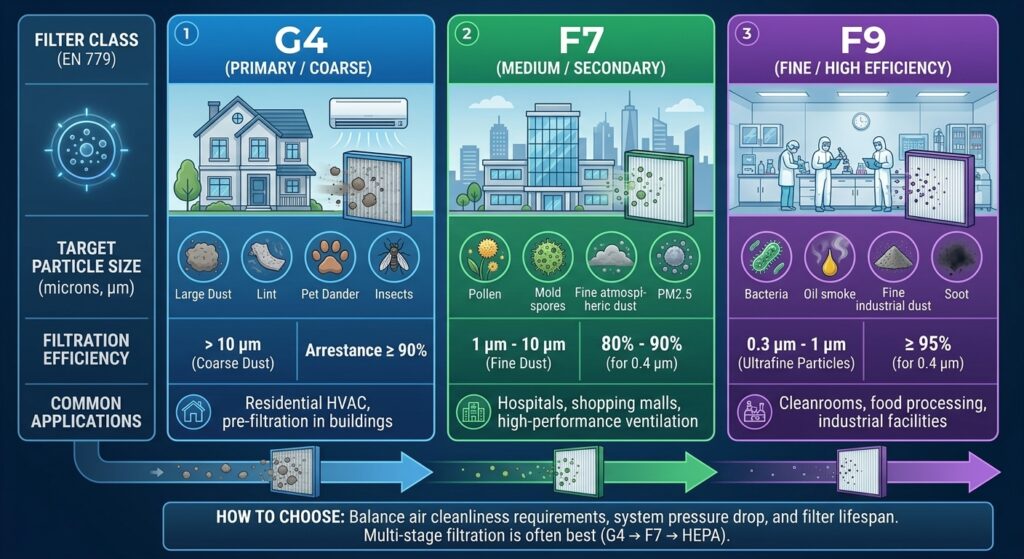
Die plissierte Linie wird unter G3 verkauft, G4, und Merv 5-8 Etiketten, und die Taschentischklassen F5 bis F9. Diese Buchstabenfamilien sind nicht dasselbe Lineal, und die Prozentsätze dahinter messen verschiedene Dinge. Nicht subtrahieren 65% aus 90% und nennen Sie einen Filter besser. Fragen Sie, welchen Umfang der Zielmarkt erwartet: die plissierten Titelpaare G und MERV-Etiketten, und der Taschentisch arbeitet im F-Bereich. Ein Händler, der den Zeitplan eines Technikers einhält, sollte die erforderliche Notation bestätigen, bevor er sich für eines der Formate entscheidet.
Filterbewertungen weichen auch vom installierten Verhalten ab. Der Häufig gestellte Fragen zur ASHRAE-Filtration und -Desinfektion unterstützt ein Prinzip, auf dem dieser Artikel basiert: Die Filterleistung muss zusammen mit dem Luftstrom und dem Zustand des tatsächlichen Systems beurteilt werden. Dieser Verweis stützt nur das Prinzip; es testet nicht, Rate, oder unterstützen Sie bestimmte Airy-Modelle.
Fragen Sie drei Dinge schriftlich: die Testmethode hinter jedem Prozentsatz, der Widerstand bei Ihrem Nennluftstrom, und der empfohlene Endwiderstand für den Austausch. Unser Leitfaden zu Beschaffung von HVAC-Filtern aus China zeigt, wo diese Prüfungen innerhalb einer Lieferantenbewertung angesiedelt sind.
Wann sollte ein Käufer jedes Format anfordern??
Fordern Sie das Format Ihres Steckplatzes an, Bühne, und die Pflicht ist bereits entschieden. Der Rest ist Papierkram.
Fordern Sie die plissierte Platte an, wenn der Schlitz flach ist und das AHU-Design die Position auf der primären Filterstufe vorsieht. Fordern Sie die Tasche an, wenn das Gehäuse trägt 600 mm nutzbare Tiefe. Es eignet sich für eine nachgeschaltete Position hinter Vorschalttafeln, wobei die Staubbelastung die Lautstärke rechtfertigt, anhand Ihres eigenen Systemdesigns bestätigt. Sobald die plissierte Platte diesen Vergleich gewinnt, unser Spezifikationen für Plissee-Filter Der Leitfaden listet die Felder auf, die vor der Bestellung bestätigt werden müssen.
Gehen Sie nicht von einer Austauschbarkeit in beide Richtungen aus. Wenn ein Projekt von einer Phase in die andere übergeht, Überprüfen Sie die Tiefe erneut, Versiegelung, und Luftstrom für diese Position, und zitieren Sie beide Formate zum gleichen Arbeitspunkt, bevor Sie eine Entscheidung treffen. Ausgangspunkt für dieses Angebot sind die veröffentlichten Größentabellen auf den beiden Produktseiten, nicht die fertige Spezifikation.
Häufig gestellte Fragen
Sind Taschen- und Faltenfilter austauschbar??
Nicht standardmäßig. Sie können ein 595×595-Gesicht teilen, aber das Taschenpaket ist es 600 mm tief gegen 46 mm für die Plisseeplatte, und jede Seite beansprucht eine andere Filterstufe. Behandeln Sie einen Tausch als mögliche Wohnungsänderung: Tiefe bestätigen, Versiegelung, und Luftstrom zuerst mit dem Lieferanten klären.
Welche Messungen sind beim Austausch eines HVAC-Filters wichtig??
Notieren Sie die Breite und Höhe der Fläche, die volle Tiefe einschließlich etwaiger Rahmenlippe, und der freie Raum hinter dem Schlitz. Beachten Sie, wie der Filter abdichtet und wo die Zugangstür schließt. Senden Sie diese Zahlen mit dem Luftstrom, den die Position trägt, nicht nur das gedruckte Etikett vom alten Gerät.
Hat ein Taschenfilter immer einen geringeren Druckabfall??
NEIN. Airys Taschenblatt veröffentlicht Widerstand bei 2,300, 3,500, Und 4,500 m³/h, und jede höhere Klasse liest sich am gleichen Punkt höher. Die plissierte Platte gibt einen Nennluftstrom pro Größe an, Daher haben die beiden Blätter keine gemeinsame Testbedingung. Vergleichen Sie nur bei passenden Luftströmen und Größen, oder fordern Sie Lieferantendaten bei Ihrem Design-Airflow an.
Letzte Gedanken
Die Wahl zwischen Taschenfilter und Faltenplattenfilter ist eine Baufrage, bevor es sich um eine Katalogfrage handelt. Tiefe, Bühne, Pflichtluftstrom, und Wartungsgewohnheiten wählen Sie das Format, und der Klassenbrief beschriftet nur die darin enthaltenen Medien. Kaufen Sie die Geometrie, die zum Schlitz passt, Überprüfen Sie dann die Zahlen anhand Ihres eigenen Luftstroms.
Vergleichen Sie beide Formate an Ihrem Einsatzort
Senden Sie Ihre Schlitztiefe und Gesichtsgröße, Zielklasse, gemessener Luftstrom, und Wechselplan. Bitten Sie Airy, zu bestätigen, welche Modelle verfügbar sind und welche vergleichbaren Daten es für beide Formate bei gleicher Aufgabe für Ihre Überprüfung bereitstellen kann.
Produktbeispiele finden Sie im Tafel- und Faltenfilter Katalog auf der Luftiger Filter Website.