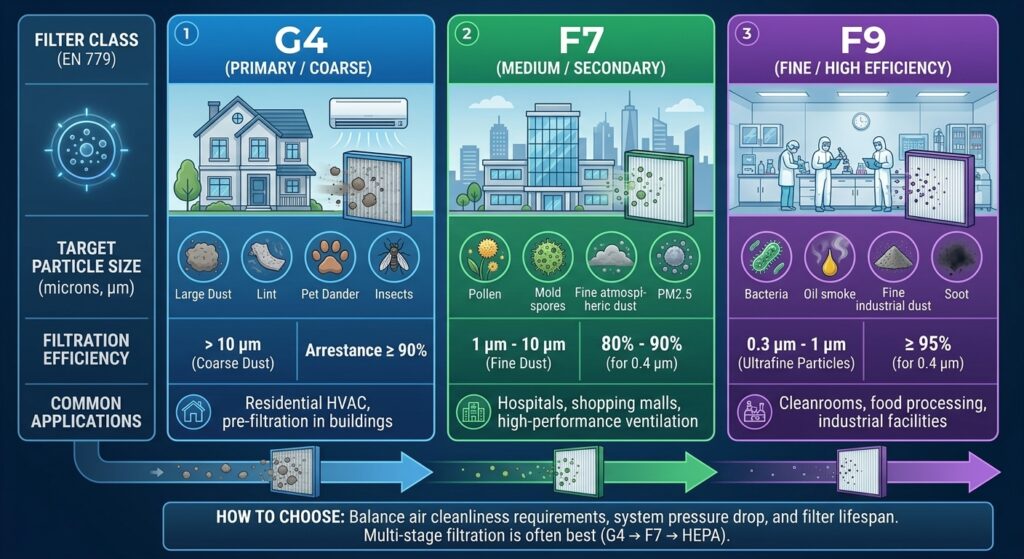
Hệ thống lọc buồng sơn hiệu suất ảnh hưởng trực tiếp đến chất lượng hoàn thiện, chi phí vận hành, và rủi ro tuân thủ. Bộ lọc trần và sàn không phù hợp có thể gây ô nhiễm bụi, sự tích tụ quá mức, và các vấn đề về luồng không khí dẫn đến việc phải làm lại, hư hỏng thiết bị, và chi phí bảo trì không cần thiết.
Hướng dẫn này giúp người vận hành buồng sơn và kỹ sư xác định các giải pháp lọc khí thải và khí thải chính xác, từ việc cung cấp không khí sạch đến việc thu giữ tia phun quá mức. Bằng cách hiểu vai trò của bộ lọc, yêu cầu về phương tiện truyền thông, và các yếu tố thiết kế hệ thống, bạn có thể xây dựng một hệ thống lọc đáng tin cậy giúp cải thiện tính nhất quán của lớp phủ, bảo vệ thiết bị, và hỗ trợ hiệu quả hoạt động lâu dài.
Hệ thống lọc buồng sơn hoạt động như thế nào
Hệ thống lọc buồng sơn làm sạch không khí đi vào để đảm bảo lớp sơn hoàn thiện hoàn hảo và lọc không khí đi ra để loại bỏ sơn phun quá mức, đáp ứng các tiêu chuẩn an toàn và môi trường.
Lọc lượng: Chuẩn bị không khí sạch để sơn
Quá trình bắt đầu khi không khí bên ngoài đi vào buồng sơn thông qua hệ thống nạp. Trước khi đến khu vực phun, không khí đi qua nhiều giai đoạn lọc để loại bỏ bụi, sợi, và các hạt trong không khí khác.
Không khí nạp sạch là cần thiết vì ngay cả những chất gây ô nhiễm nhỏ cũng có thể ảnh hưởng đến hình thức lớp phủ cuối cùng. Hệ thống lọc hoạt động cùng với thiết kế luồng không khí của buồng để tạo ra môi trường được kiểm soát để có kết quả sơn nhất quán.
Luồng khí được kiểm soát: Hướng không khí qua buồng
Sau khi lọc, quạt di chuyển không khí qua buồng theo hướng được kiểm soát. Tùy theo thiết kế gian hàng, các kiểu luồng khí như gió thổi xuống hoặc gió ngang dẫn không khí bị ô nhiễm ra khỏi bề mặt sơn.
Luồng khí ổn định giúp ngăn ngừa sơn quá mức quay trở lại phôi và hỗ trợ ứng dụng lớp phủ đồng đều hơn. Nó cũng cho phép hệ thống ống xả thu giữ các hạt sơn trong không khí hiệu quả hơn.
Lọc khí thải: Loại bỏ tia phun quá mức khỏi luồng không khí
Sau khi không khí đi qua khu vực phun, nó mang theo các hạt sơn và vết sơn thừa phải được loại bỏ trước khi xả. Giai đoạn lọc khí thải sẽ thu giữ các chất gây ô nhiễm này và giúp bảo vệ quạt, đường ống, và môi trường xung quanh.
Các ứng dụng khác nhau yêu cầu khác nhau Sơn lọc phòng lọc dựa trên loại lớp phủ, khối lượng sản xuất, và yêu cầu luồng không khí. Lọc khí thải thích hợp giúp giảm nhu cầu bảo trì đồng thời hỗ trợ vận hành gian hàng an toàn hơn.
Giám sát hệ thống: Duy trì hiệu suất lọc
Hiệu suất của bộ lọc thay đổi khi bụi và các hạt sơn tích tụ theo thời gian. Giám sát sức cản của luồng không khí giúp người vận hành xác định khi nào bộ lọc cần thay thế và ngăn chặn hiệu suất hệ thống giảm.
Bảo trì thường xuyên giúp luồng không khí ổn định, bảo vệ các thành phần quan trọng, và giúp duy trì chất lượng hoàn thiện nhất quán trong suốt quá trình sản xuất.

Bộ lọc trần: Cung cấp không khí sạch và kiểm soát chất lượng sơn
Bộ lọc trần là biện pháp bảo vệ chính cho chất lượng sơn. Chúng làm sạch khí nạp để mang lại sự ổn định, luồng không khí không có chất gây ô nhiễm và ngăn ngừa các khuyết tật tốn kém như ngòi và mắt cá.
Vai trò chính trong việc kiểm soát lượng khí nạp và chất gây ô nhiễm
Bộ lọc trần loại bỏ các hạt mịn trong không khí trước khi chúng đến khu vực sơn. Không giống như các bộ lọc thông gió chung, chúng được thiết kế để bảo vệ các quy trình sơn nhạy cảm bằng cách giảm bụi, sợi, và các chất gây ô nhiễm khác có thể tạo ra khuyết tật bề mặt.
Trong các ứng dụng như sơn ô tô và hoàn thiện công nghiệp, ngay cả những hạt nhỏ cũng có thể gây ra vấn đề rõ ràng, bao gồm cả ngòi, sự bao gồm, và bề mặt không bằng phẳng. Bộ lọc trần chất lượng cao giúp duy trì điều kiện không khí sạch hơn và cải thiện độ đồng nhất của lớp hoàn thiện cuối cùng.
Đảm bảo luồng không khí ổn định cho ứng dụng nhất quán
Trong các buồng sơn hạ cấp, Bộ lọc trần còn đóng vai trò quan trọng trong việc phân phối không khí sạch đều khắp khu vực làm việc. Phương tiện lọc giúp tạo ra luồng không khí mượt mà hỗ trợ ứng dụng sơn được kiểm soát tốt hơn.
Khi bộ lọc bị tắc hoặc luồng khí không đều, nhiễu loạn có thể xảy ra bên trong gian hàng. Điều này có thể ảnh hưởng đến chuyển động phun quá mức, tính đồng nhất của lớp phủ, và hiệu suất chữa bệnh. Duy trì luồng không khí ổn định là điều cần thiết để đạt được kết quả nhất quán trong các hoạt động sản xuất khác nhau.
Hiệu quả lọc cho chất lượng hoàn thiện cao
Hiệu suất lọc của màng lọc trần ảnh hưởng trực tiếp đến độ sạch của môi trường sơn. Phương tiện hiệu quả cao hơn có thể thu được các hạt nhỏ hơn và bảo vệ tốt hơn cho các ứng dụng yêu cầu kiểm soát chất lượng bề mặt nghiêm ngặt.
Dành cho các ngành đòi hỏi khắt khe, chẳng hạn như sơn phủ ô tô và thiết bị công nghiệp, bộ lọc trần buồng sơn thường được lựa chọn dựa trên xếp hạng hiệu quả như MERV 13-16 hoặc các lớp bộ lọc ISO. Thông số kỹ thuật của bộ lọc phù hợp giúp giảm thiểu khuyết tật trong khi vẫn duy trì hiệu suất luồng khí thích hợp.
Quản lý giảm áp suất để ổn định hệ thống
Khi bộ lọc trần thu thập các chất gây ô nhiễm trong không khí, sức cản của luồng không khí tăng dần. Sự giảm áp suất này ảnh hưởng đến hiệu suất của quạt và có thể làm giảm sự cân bằng không khí bên trong buồng sơn nếu bộ lọc không được thay thế kịp thời..
Giám sát thường xuyên giúp người vận hành duy trì luồng không khí ổn định, giảm tiêu thụ năng lượng không cần thiết, và ngăn ngừa các vấn đề về chất lượng do điều kiện gian hàng không nhất quán gây ra.
Chi phí thấp hơn với Bộ lọc chống cháy được chứng nhận
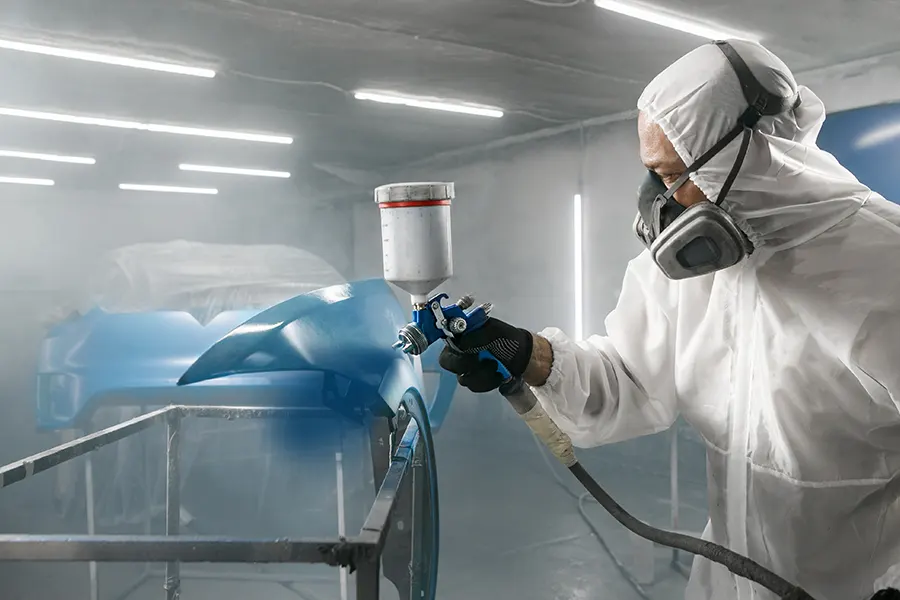
Bộ lọc sàn: Bảo vệ chống phun quá mức và bảo vệ khí thải
Bộ lọc sàn đóng vai trò là lớp bảo vệ chính trong các buồng hút gió, bẫy nước phun quá mức để bảo vệ hệ thống ống xả, duy trì luồng không khí ổn định, và ngăn ngừa các khiếm khuyết ở khâu hoàn thiện cuối cùng.
Chức năng chính: Xử lý vết sơn phun quá mức
Trong buồng sơn hạ cấp và bán hạ cấp, bộ lọc sàn thu gom nước phun ướt sau khi sơn. Không giống như các bộ lọc bụi tiêu chuẩn, họ sử dụng phương tiện công suất cao để giữ các hạt sơn trong toàn bộ cấu trúc bộ lọc, giảm nguy cơ phun quá nhiều vào ống xả.
Thiết kế tải sâu này cho phép bộ lọc thu được nhiều chất rắn sơn hơn trong khi vẫn duy trì hiệu suất luồng không khí. Ứng dụng sơn công nghiệp, đáng tin cậy bộ lọc khí thải buồng sơn rất cần thiết để kiểm soát tình trạng phun quá mức và hỗ trợ các yêu cầu về môi trường.
Bảo vệ các thành phần khí thải và hiệu suất luồng không khí
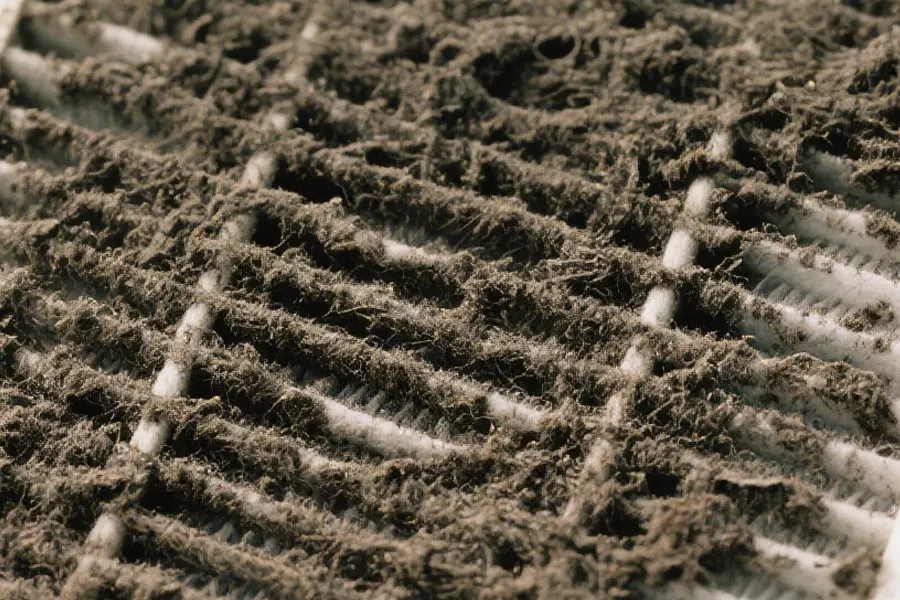
Bộ lọc sàn giúp bảo vệ quạt, đường ống, và buồng xả bằng cách ngăn chặn sự tích tụ sơn bên trong hệ thống. Khi bộ lọc trở nên quá tải, sức cản của luồng không khí tăng lên và có thể ảnh hưởng đến hiệu suất của gian hàng.
Thay thế bộ lọc thường xuyên giúp duy trì luồng không khí ổn định, giảm nhu cầu làm sạch thiết bị, và hỗ trợ kết quả phủ phù hợp.
Phương tiện và ứng dụng lọc phổ biến
Các quy trình sơn khác nhau yêu cầu vật liệu lọc sàn dựa trên khối lượng sơn thừa và điều kiện sản xuất.
- Phương tiện sợi thủy tinh: Thường được sử dụng cho trường hợp phun quá nhiều do cấu trúc mật độ tăng dần và khả năng giữ sơn cao.
- Chất liệu polyester và tổng hợp: Thích hợp cho các ứng dụng yêu cầu khả năng chống ẩm và hiệu suất lọc bền bỉ.
- Dụng cụ giữ giấy xếp nếp: Cung cấp bề mặt lọc lớn hơn cho các môi trường sản xuất cao cụ thể.
Màng lọc sàn cũng cần được phân biệt với màng sàn. Phim sàn chỉ thu thập bụi và mảnh vụn đã lắng đọng; họ không thể bắt được sơn phun quá nhiều trong không khí.
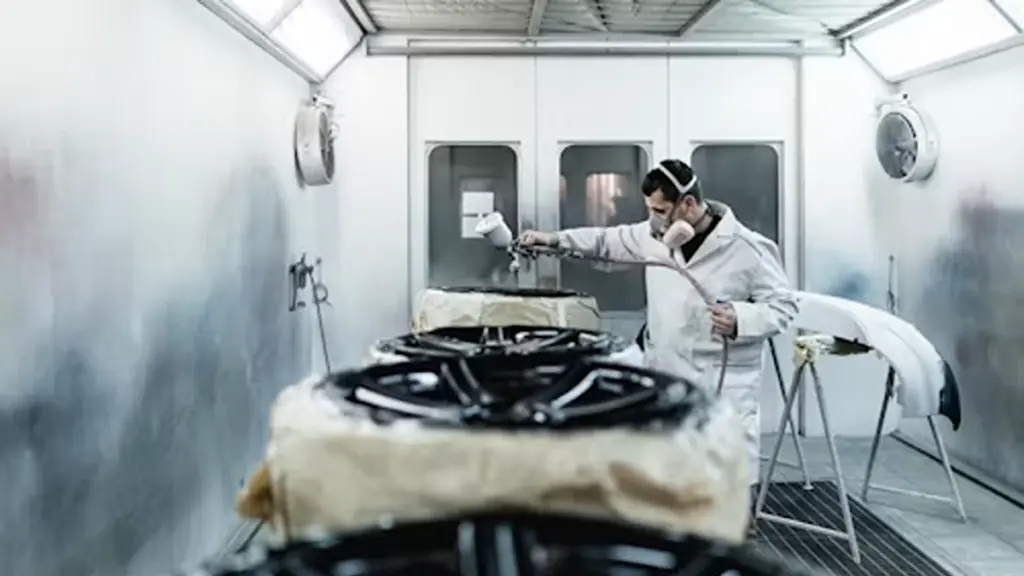
Bộ lọc trần và bộ lọc sàn: Sự khác biệt chính
Bộ lọc trần bảo vệ lớp hoàn thiện của bạn bằng cách làm sạch không khí đi vào. Bộ lọc sàn bảo vệ thiết bị của bạn và môi trường bằng cách thu giữ vết phun quá mức và đáp ứng các tiêu chuẩn tuân thủ.
Vị trí và vai trò lọc
Vị trí của mỗi bộ lọc xác định cách nó hỗ trợ quá trình luồng khí. Bộ lọc trần làm sạch không khí đi vào trước khi sơn, trong khi bộ lọc sàn loại bỏ không khí bị ô nhiễm sau khi tạo ra quá nhiều bụi bẩn.
| Khu vực đánh giá | Bộ lọc trần | Bộ lọc sàn |
|---|---|---|
| Chức vụ | Được lắp đặt trên trần nhà để lọc không khí đi vào. | Được lắp đặt ở khu vực sàn hoặc ống xả để lọc không khí thoát ra. |
| Mục đích chính | Loại bỏ bụi và các hạt để bảo vệ chất lượng sơn. | Chụp sơn phun quá mức để bảo vệ hệ thống ống xả. |
| Lọc tiêu điểm | Lọc hạt mịn và kiểm soát luồng không khí. | Khả năng giữ sơn và thu giữ sơn quá mức. |
| Chu kỳ thay thế | Tuổi thọ dài hơn với tải hạt chủ yếu là khô. | Thay thế thường xuyên hơn do tích tụ sơn. |
Tại sao các bộ lọc này không thể thay thế cho nhau
Mặc dù bộ lọc trần và bộ lọc sàn đều được sử dụng trong Hệ thống lọc buồng sơn, chúng được thiết kế cho các chất gây ô nhiễm và vị trí luồng không khí khác nhau.
Bộ lọc trần tập trung vào việc loại bỏ các hạt mịn trong không khí trước khi sơn, trong khi bộ lọc sàn xử lý sơn ướt tràn sau khi thi công. Sử dụng sai loại bộ lọc có thể làm giảm hiệu quả lọc, làm xáo trộn sự cân bằng luồng không khí, và tăng yêu cầu bảo trì.
Hiệu suất lọc và chi phí vận hành
Các nhiệm vụ lọc khác nhau yêu cầu cấu trúc vật liệu và chu kỳ thay thế khác nhau. Bộ lọc trần tập trung vào việc thu giữ hạt mịn và phân phối luồng không khí sạch, trong khi các bộ lọc sàn được thiết kế để thu gom dung lượng phun tràn cao.
- Phương tiện lọc trần: Được thiết kế để thu giữ bụi và hạt mịn trong khi vẫn duy trì luồng không khí êm ái để có chất lượng lớp phủ ổn định.
- Phương tiện lọc sàn: Được thiết kế với khả năng giữ sơn cao để giữ lại lớp sơn ướt và bảo vệ các bộ phận khí thải.
Bởi vì bộ lọc sàn thu thập các hạt sơn nặng hơn, chúng thường yêu cầu thay thế thường xuyên hơn bộ lọc trần. Lựa chọn phương tiện lọc phù hợp giúp duy trì hiệu suất hệ thống đồng thời kiểm soát chi phí vận hành lâu dài.
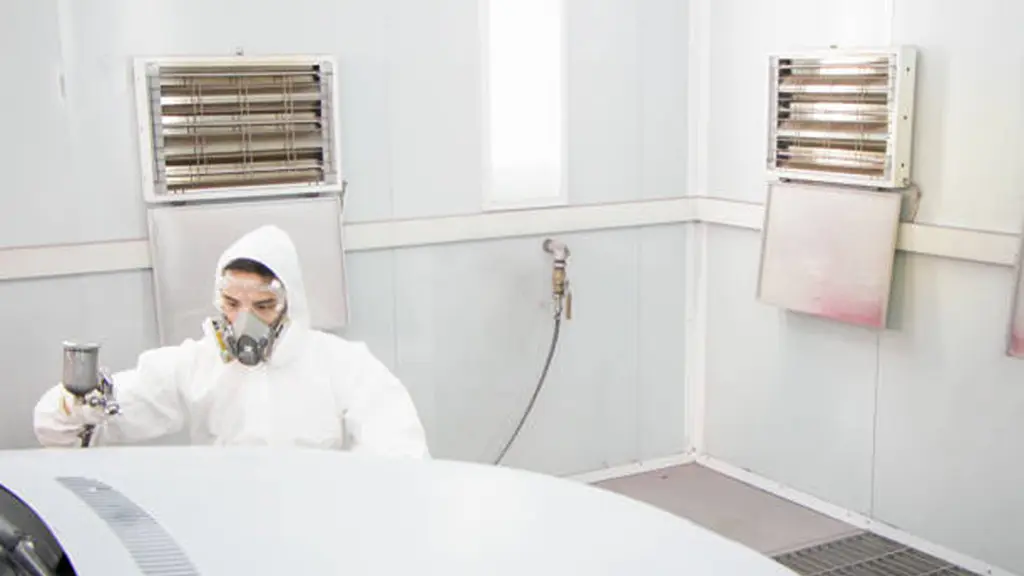
Thiết kế hệ thống lọc buồng sơn hoàn chỉnh
Thiết kế hệ thống lọc buồng sơn hoàn chỉnh cân bằng luồng không khí được tính toán, bộ lọc nạp/xả theo giai đoạn, và xây dựng kín để kiểm soát chất lượng hoàn thiện, phun quá nhiều, và chi phí hoạt động.
Một hệ thống đáng tin cậy không chỉ loại bỏ các chất gây ô nhiễm. Nó kiểm soát lượng không khí sạch đi vào buồng, việc phun quá nhiều sẽ rời khỏi khu vực làm việc như thế nào, và cách mỗi thành phần hoạt động khi hoạt động liên tục. Thiết kế phù hợp giúp ngăn ngừa các vấn đề về luồng không khí, giảm chi phí bảo trì, và giữ hiệu suất lọc ổn định.
| Giai đoạn thiết kế | Hành động chính & Thông số kỹ thuật |
|---|---|
| 1. Luồng khí & Mục tiêu | Tính toán CFM cần thiết (khu vực gian hàng x 100-150 FPM). Xác định mục tiêu để thu giữ lượng phun tràn, sức khỏe công nhân, và chất lượng hoàn thiện. Chọn kiểu luồng khí (sự rút lui, chéo). |
| 2. Lọc lượng | Chỉ định hệ thống nạp 2 giai đoạn: Merv 8-11 bộ lọc trước theo sau là MERV 13-15 bộ lọc thứ cấp. Sử dụng MERV 10+ phương tiện khuếch tán trần cho các gian hàng hạ cấp. |
| 3. Lọc khí thải | Chọn MERV công suất cao 12-15 bộ lọc khí thải. Kích thước ngân hàng bộ lọc để phù hợp với CFM. Đặt quạt ở phía hạ lưu so với bộ lọc để tránh tích tụ sơn. |
| 4. Tích hợp gian hàng | Xây dựng các khoang kín để có áp suất không khí đồng đều. Sử dụng cứng nhắc, khung lọc kín để tránh bỏ qua. Bịt kín tất cả các mối nối của gian hàng, đường nối, và sự thâm nhập. |
| 5. Vận hành & BẢO TRÌ | Lắp đặt đồng hồ đo áp suất chênh lệch để theo dõi tải bộ lọc. Xây dựng lịch trình thay thế bộ lọc. Xác minh hiệu suất bằng máy đo gió và kiểm tra khói. |
Thiết lập các yêu cầu về luồng không khí và mục tiêu hệ thống
Luồng khí là nền tảng của mọi hệ thống lọc buồng sơn. Trước khi chọn bộ lọc, các kỹ sư cần xác định tốc độ luồng khí cần thiết, cách bố trí gian hàng, và yêu cầu về lớp phủ.
Mô hình luồng không khí, chẳng hạn như downdraft hoặc crossdraft, ảnh hưởng đến cách phun quá mức di chuyển qua gian hàng. Tốc độ luồng khí được tính toán hợp lý giúp duy trì chuyển động không khí ổn định, ngăn chặn việc phun quá mức quay trở lại bề mặt làm việc, và hỗ trợ kết quả phủ phù hợp.
Chọn thành phần lọc đầu vào
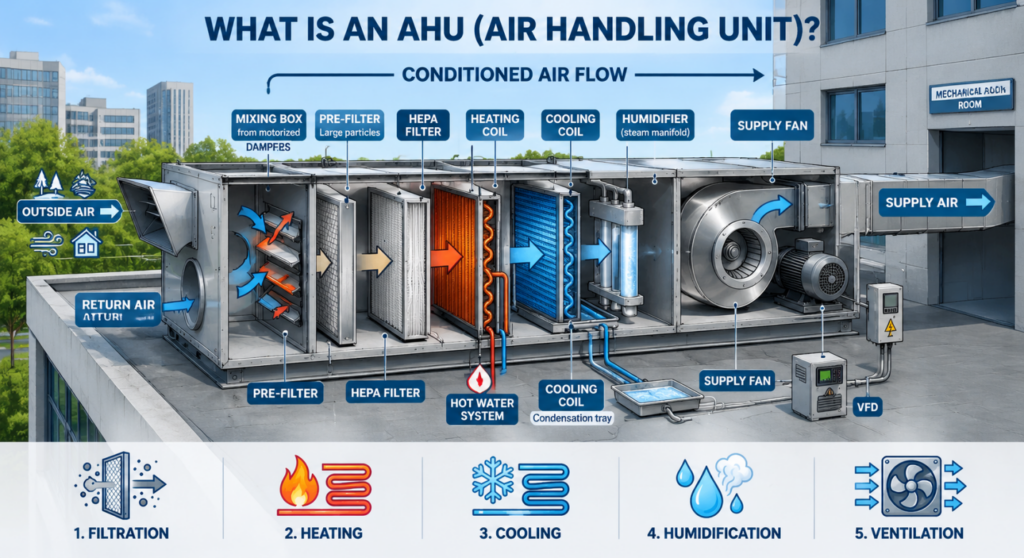
Phía hút gió tập trung đưa không khí sạch vào khu vực sơn. Phương pháp lọc theo giai đoạn giúp loại bỏ các chất gây ô nhiễm lớn hơn trước và thu giữ các hạt mịn hơn trước khi không khí đến buồng.
Một hệ thống điển hình kết hợp lọc trước với lọc trần hiệu quả cao hơn. Sự kết hợp này làm giảm ô nhiễm bụi, bảo vệ kết thúc cuối cùng, và giúp duy trì luồng không khí đồng đều khắp vùng sơn.
Thiết kế giai đoạn lọc khí thải để thu giữ lượng phun quá mức
Hệ thống ống xả phải xử lý lượng lớn sơn phun quá mức mà không nhanh chóng hạn chế luồng khí. Không giống như các bộ lọc HVAC tiêu chuẩn, bộ lọc khí thải buồng sơn yêu cầu khả năng giữ sơn cao và hoạt động ổn định trong điều kiện tải ướt.
Khu vực lọc khí thải phải phù hợp với yêu cầu về luồng không khí của buồng để tránh giảm áp suất quá mức. Việc lắp đặt quạt sau giai đoạn lọc cũng giúp ngăn chặn sự tích tụ sơn trên cánh quạt và giảm việc bảo trì thiết bị..
Tích hợp lọc với xây dựng gian hàng
Hiệu suất của bộ lọc không chỉ phụ thuộc vào vật liệu mà còn phụ thuộc vào việc buồng kiểm soát luồng không khí tốt như thế nào. Bất kỳ khoảng trống nào xung quanh khung bộ lọc hoặc cấu trúc buồng lọc đều có thể cho phép không khí chưa được lọc đi qua hệ thống.
Vỏ bộ lọc kín và các khoang thông gió được thiết kế phù hợp giúp phân phối không khí đều trên bề mặt bộ lọc. Điều này cải thiện hiệu quả lọc, giảm thiểu rủi ro ô nhiễm, và hỗ trợ hiệu suất gian hàng nhất quán hơn.
Kế hoạch vận hành và bảo trì hệ thống
Giám sát thường xuyên giúp hệ thống lọc hoạt động trong phạm vi thiết kế. Đồng hồ đo áp suất giúp theo dõi tải bộ lọc và xác định khi nào cần thay thế trước khi hiệu suất luồng khí giảm.
Sau khi cài đặt hoặc bảo trì lớn, kiểm tra tốc độ luồng không khí và tìm kiếm rò rỉ có thể xác nhận xem hệ thống có hoạt động như mong đợi hay không. Lịch bảo trì theo kế hoạch cũng giúp tránh thời gian ngừng hoạt động ngoài dự kiến và duy trì chất lượng sơn ổn định.
Thoáng mát Giải pháp lọc buồng phun
Airy cung cấp các giải pháp lọc buồng phun tùy chỉnh để giúp các cơ sở sơn công nghiệp kiểm soát tình trạng phun quá mức, duy trì luồng không khí ổn định, và cải thiện hiệu suất lọc trong môi trường sản xuất đòi hỏi khắt khe.
Lọc nhiều giai đoạn cho các ứng dụng sơn công nghiệp
Quá trình sơn công nghiệp tạo ra nhiều loại chất gây ô nhiễm trong không khí, kể cả sương sơn, hạt bụi, và khói hóa chất. Một bộ lọc duy nhất không thể xử lý mọi yêu cầu lọc, vì vậy Airy phát triển các giải pháp nhiều giai đoạn dựa trên điều kiện luồng không khí và yêu cầu về lớp phủ của từng ứng dụng.
Hệ thống lọc có thể kết hợp các phương tiện và thành phần lọc khác nhau, bao gồm:
- Bộ lọc trần: Cung cấp không khí sạch và giúp duy trì luồng không khí đồng đều khắp khu vực sơn.
- Bộ lọc ngăn sơn: Thu giữ sơn phun quá mức và giảm ô nhiễm trong hệ thống ống xả.
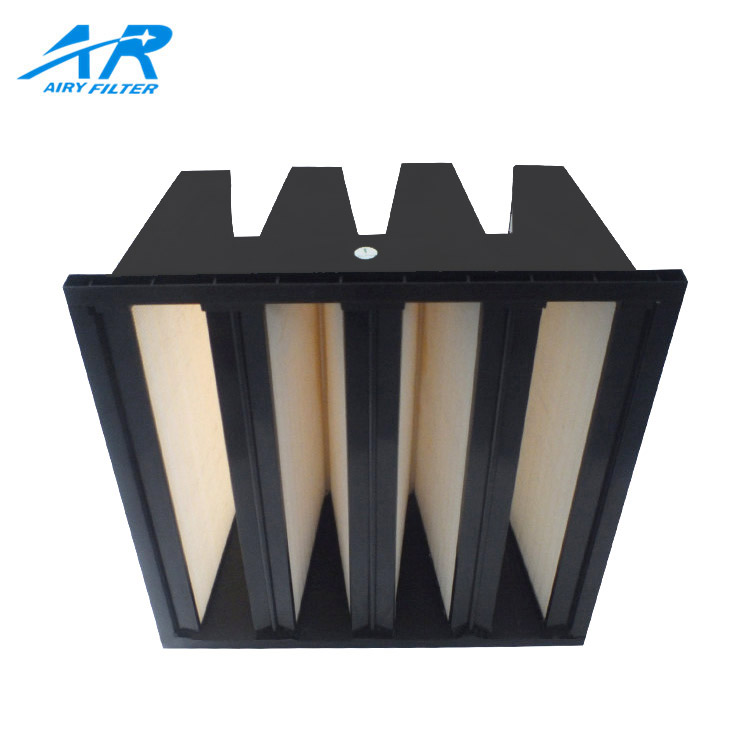
- Bộ lọc bỏ túi và Bộ lọc trước: Loại bỏ các hạt lớn hơn và kéo dài tuổi thọ của bộ lọc hạ lưu.
- Bộ lọc carbon kích hoạt: Giúp kiểm soát mùi và hơi hóa chất trong các ứng dụng có mối lo ngại về VOC.
Cách tiếp cận theo lớp này giúp các nhà sản xuất cải thiện tính nhất quán của lớp phủ, giảm ô nhiễm thiết bị, và duy trì môi trường làm việc sạch sẽ hơn.
Giải pháp lọc tùy chỉnh cho các ngành công nghiệp khác nhau
Các ngành công nghiệp khác nhau yêu cầu hiệu suất lọc khác nhau tùy thuộc vào vật liệu phủ, khối lượng sản xuất, và thiết kế thiết bị. Airy hỗ trợ các giải pháp tùy chỉnh cho các ứng dụng như sơn ô tô, sơn phủ máy móc công nghiệp, hoàn thiện nội thất, và quá trình xử lý bề mặt.
Các tùy chọn tùy chỉnh chính bao gồm:
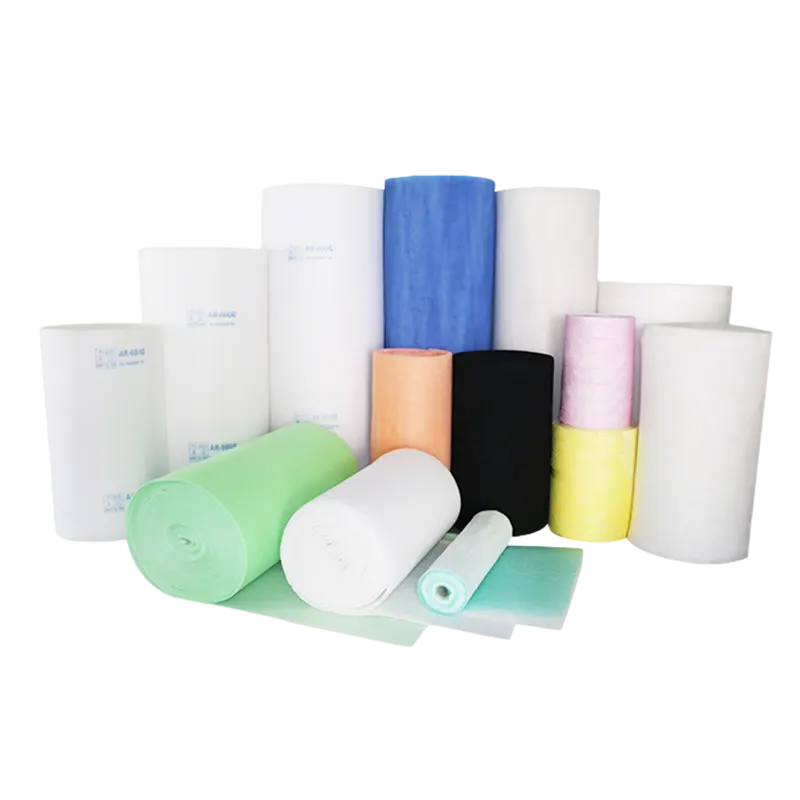
- Lọc phương tiện: Sợi thủy tinh, sợi tổng hợp, polyester, và các vật liệu khác cho các điều kiện phun quá mức khác nhau.
- Cấu trúc bộ lọc: Phương tiện cuộn, Bộ lọc bảng điều khiển, thiết kế xếp li, và các bộ lọc đóng khung để phù hợp với thiết bị hiện có.
- Yêu cầu về hiệu suất: Điều chỉnh hiệu quả lọc, sức cản luồng không khí, và tuổi thọ phục vụ.
- Kích thước và bao bì: Kích thước tùy chỉnh và các tùy chọn cung cấp cho các yêu cầu sản xuất khác nhau.
Hiệu suất, Sự tuân thủ, và hoạt động lâu dài
Một hệ thống lọc buồng phun đáng tin cậy phải cân bằng hiệu quả lọc với độ ổn định của luồng không khí và chi phí bảo trì. Airy tập trung vào các giải pháp lọc giúp thu giữ sương sơn hiệu quả, sức cản luồng không khí thấp, và hiệu suất bền bỉ cho hoạt động công nghiệp liên tục.
Lọc thích hợp giúp giảm một số rủi ro vận hành phổ biến:
- Tích tụ quá mức: Lọc khí thải hiệu quả làm giảm sự tích tụ sơn trong quạt và đường ống.
- Thời gian ngừng sản xuất: Phương tiện lọc có tuổi thọ cao hơn giúp giảm thiểu sự gián đoạn thay thế và bảo trì thường xuyên.
- Áp lực tuân thủ: Các giải pháp lọc phù hợp hỗ trợ khí thải sạch hơn và điều kiện làm việc an toàn hơn.
Hỗ trợ lọc OEM cho các đối tác công nghiệp
Ngoài các sản phẩm lọc tiêu chuẩn, Airy cung cấp OEM và hỗ trợ lọc tùy chỉnh cho các nhà phân phối, nhà sản xuất thiết bị, và người sử dụng công nghiệp. Nhóm có thể hỗ trợ lựa chọn vật liệu, thiết kế bộ lọc, thử nghiệm mẫu, và yêu cầu sản xuất để phát triển các giải pháp phù hợp với các hệ thống buồng phun cụ thể.
Câu hỏi thường gặp
Tấm lọc trần trong buồng sơn là gì?
Bộ lọc trần là bộ lọc cấp không khí phía trên trên trần buồng sơn. Vai trò chính của nó là loại bỏ bụi và các chất gây ô nhiễm trong không khí khác khỏi không khí đi vào trước khi nó đi vào vùng phun.. Điều này giúp tạo sự thống nhất, luồng không khí sạch, điều cần thiết để đạt được lớp sơn hoàn thiện không gây ô nhiễm và ngăn ngừa khuyết tật.
Bộ lọc sàn dùng để làm gì trong buồng phun sơn?
Bộ lọc sàn, còn được gọi là chất giữ sơn, được lắp đặt ở chân buồng phun để thu giữ sơn phun quá mức, bụi, và các chất gây ô nhiễm khác. Nó hoạt động như một bộ lọc phía ống xả, bẫy sương sơn trước khi nó có thể tuần hoàn, tích lũy trên thiết bị, hoặc thoát ra môi trường.
Buồng sơn có cần cả lọc trần và sàn không?
Đúng, trong hầu hết các cấu hình hạ cấp và bán hạ cấp chuyên nghiệp, cả trần nhà (lượng tiêu thụ) và sàn nhà (khí thải) bộ lọc được yêu cầu. Hệ thống kép này rất cần thiết để duy trì chất lượng hoàn thiện, kiểm soát luồng không khí, và đảm bảo an toàn. Bộ lọc trần làm sạch không khí đi vào, trong khi bộ lọc sàn giữ lại vết phun tràn được tạo ra trong quá trình sơn.
Bộ lọc nào loại bỏ sơn phun quá mức?
Lớp sơn phun quá mức được loại bỏ bằng bộ lọc khí thải, thường được gọi là bộ lọc sơn hoặc bộ lọc phun quá mức. Chúng thường được làm từ các vật liệu như sợi thủy tinh hoặc giấy nhiều lớp và được thiết kế đặc biệt để thu giữ các hạt sơn trước khi chúng thoát ra khỏi buồng và đi vào hệ thống xả.
Hệ thống lọc buồng phun hoạt động như thế nào?
Hệ thống lọc buồng phun sử dụng nhiều giai đoạn để kiểm soát chất lượng không khí. Đầu tiên, bộ lọc cửa hút/trần làm sạch không khí đi vào bằng cách loại bỏ bụi. Không khí sạch này chảy qua vùng phun. Khi không khí thoát ra, nó đi qua các bộ lọc khí thải/sàn để thu giữ sơn phun quá mức. Quá trình này đảm bảo môi trường sơn sạch sẽ và ngăn chặn các chất gây ô nhiễm thoát ra ngoài.
Bao lâu thì nên thay bộ lọc buồng phun?
Tần suất thay thế phụ thuộc vào loại bộ lọc và cách sử dụng. Đối với gian hàng được sử dụng thường xuyên, bộ lọc xả/phun quá mức thường được thay đổi sau mỗi 2–4 tuần hoặc sau khoảng 100 giờ hoạt động. Bộ lọc trước đầu vào kéo dài 1–3 tháng, trong khi bộ lọc trần được thay thế sau mỗi 6–12 tháng. Sử dụng đồng hồ đo áp suất để theo dõi luồng không khí là phương pháp đáng tin cậy nhất để xác định khi nào cần thay đổi.