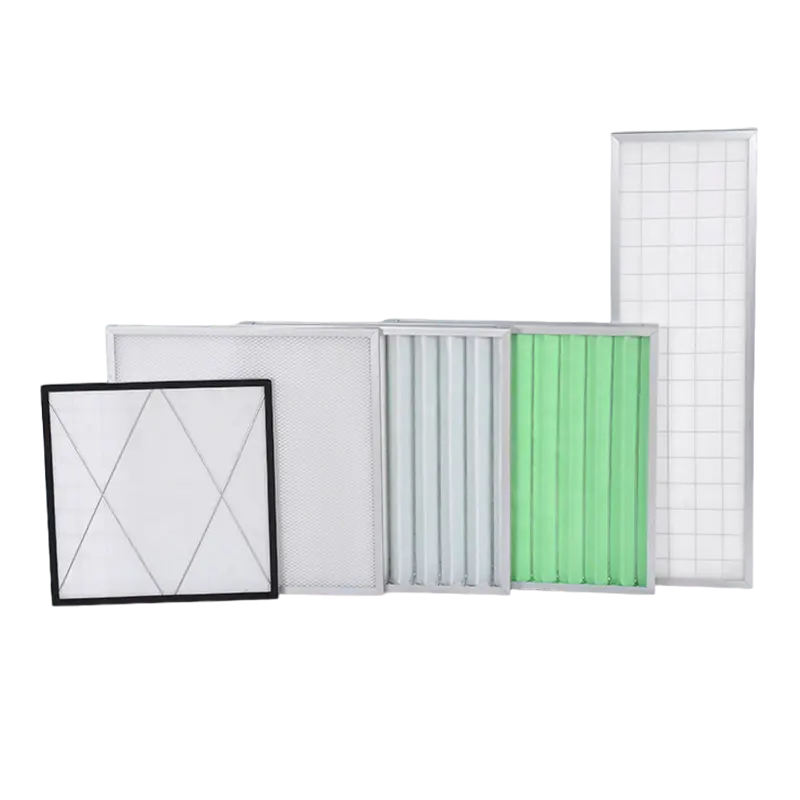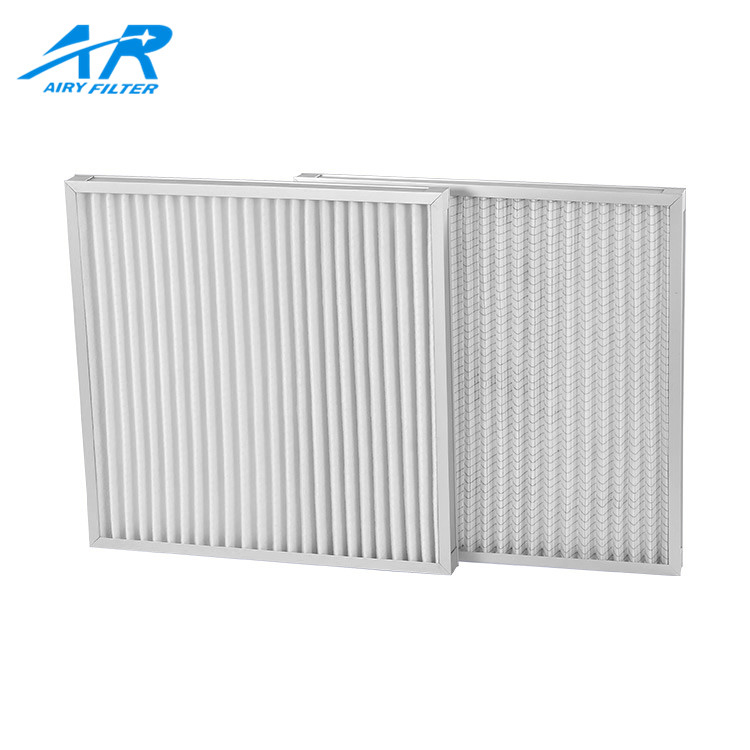
Sự cố về bộ lọc buồng sơn có thể nhanh chóng dẫn đến chất lượng hoàn thiện kém, thời gian ngừng hoạt động bất ngờ, chi phí bảo trì cao hơn, và tăng chất thải sản xuất. Khi bộ lọc bị tắc quá sớm hoặc không thu được chất gây ô nhiễm một cách hiệu quả, các công ty có thể phải đối mặt với các vấn đề về luồng không khí, khuyết tật lớp phủ, và căng thẳng thiết bị không cần thiết. Hướng dẫn này giúp nhà sản xuất xác định nguyên nhân chính gây ra lỗi bộ lọc, nâng cao hiệu quả lọc, và xây dựng chiến lược bảo trì thiết thực để kéo dài tuổi thọ của bộ lọc. Với cách tiếp cận đúng, doanh nghiệp có thể giảm việc làm lại, duy trì hiệu suất buồng phun ổn định, và kiểm soát chi phí hoạt động dài hạn.
Tại sao bộ lọc buồng sơn bị lỗi sớm
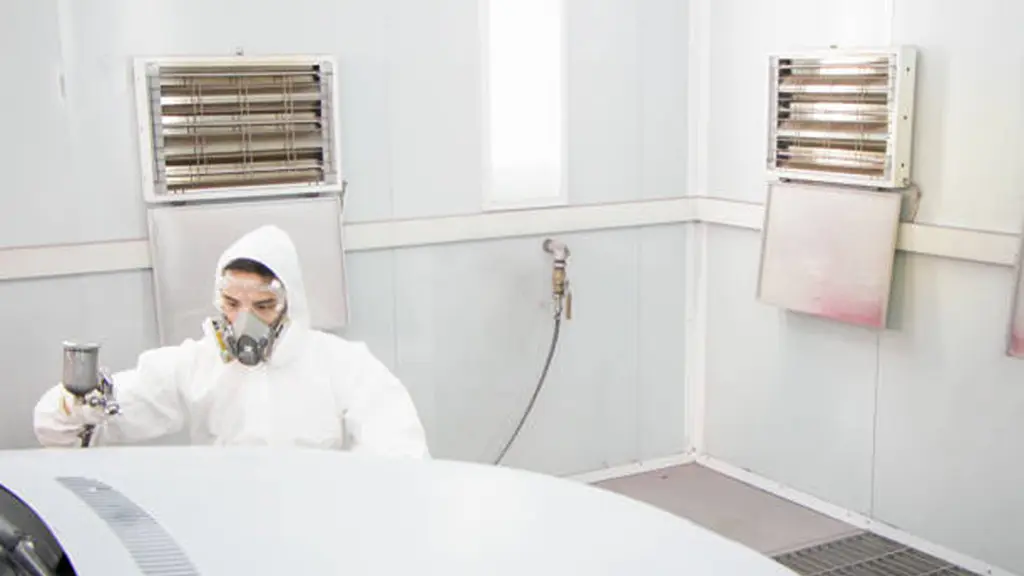
Bộ lọc bị hỏng sớm do phun quá nhiều, bỏ bê bảo trì, lựa chọn bộ lọc sai, và điều kiện cửa hàng tồi tàn. Nó thường là sự kết hợp của các yếu tố này, không chỉ một vấn đề duy nhất.
Phun quá nhiều và lượng chất gây ô nhiễm
Phun quá nhiều là một trong những nguyên nhân chính khiến bộ lọc buồng sơn mất hiệu suất sớm hơn dự kiến. Khi lượng hạt sơn đi vào hệ thống lọc vượt quá khả năng giữ của bộ lọc, phương tiện truyền thông trở nên quá tải và sức cản của luồng không khí tăng lên.
Vấn đề này thường xảy ra trong các môi trường sản xuất khối lượng lớn, nơi các gian hàng hoạt động trong nhiều giờ hoặc xử lý các lớp phủ tạo ra lượng sơn phun quá mức lớn.. Các yếu tố phổ biến làm tăng lượng chất gây ô nhiễm bao gồm:
- Khối lượng sản xuất cao: Thời gian phun lâu hơn và sản lượng tăng lên sẽ tạo ra nhiều hạt sơn trong không khí hơn mà bộ lọc phải thu giữ.
- Vật liệu phủ nặng: Sơn có hàm lượng chất rắn cao, mồi, và lớp phủ dày thường tạo ra các hạt dày đặc hơn tích tụ nhanh hơn bên trong vật liệu lọc.
- Hiệu suất truyền tải thấp: Cài đặt phun hoặc kỹ thuật ứng dụng kém làm tăng lượng phun quá mức và gây tải không cần thiết lên hệ thống lọc.
Giảm tình trạng phun quá mức tại nguồn giúp nhà sản xuất làm chậm quá trình tải bộ lọc và duy trì hiệu suất lọc ổn định hơn.
Giám sát hiệu suất và bảo trì không đầy đủ
Tuổi thọ của bộ lọc không chỉ phụ thuộc vào điều kiện vận hành mà còn phụ thuộc vào hệ thống được giám sát tốt như thế nào. Một lỗi phổ biến là thay thế bộ lọc theo lịch trình cố định mà không xem xét khối lượng sản xuất thực tế, điều kiện luồng không khí, hoặc tải bộ lọc.
Nếu không kiểm tra thường xuyên, bộ lọc có thể tiếp tục hoạt động sau khi chúng đã đạt đến giới hạn dịch vụ hiệu quả. Điều này làm giảm hiệu suất luồng không khí, tăng mức tiêu thụ năng lượng, và gây thêm căng thẳng cho thiết bị thông gió.
Sử dụng dữ liệu hiệu suất, chẳng hạn như chỉ số áp suất và hồ sơ thay thế, giúp nhà sản xuất xác định các kiểu tải và tạo kế hoạch bảo trì chính xác hơn.
Lựa chọn và cài đặt bộ lọc không chính xác
Bộ lọc không phù hợp với thiết kế buồng phun hoặc quy trình phủ có thể hỏng nhanh hơn nhiều so với dự kiến. Các ứng dụng khác nhau yêu cầu mức độ hiệu quả lọc khác nhau, sức cản luồng không khí, và khả năng giữ chất gây ô nhiễm.
Ví dụ, sử dụng bộ lọc công suất thấp trong môi trường phun quá nhiều có thể gây tắc nghẽn nhanh chóng, trong khi vật liệu lọc không phù hợp có thể không hoạt động tốt ở nhiệt độ cụ thể, độ ẩm, hoặc điều kiện hóa học.
Chất lượng lắp đặt cũng ảnh hưởng đến tuổi thọ của bộ lọc. Niêm phong kém, định vị sai, hoặc khoảng trống giữa bộ lọc và khung cho phép không khí đi qua vật liệu, giảm hiệu quả lọc và tăng khối lượng công việc trên các bộ lọc còn lại.
Điều kiện môi trường và vận hành bất lợi
Môi trường xung quanh có thể ảnh hưởng đáng kể đến thời gian duy trì hiệu quả của bộ lọc buồng sơn. Các điều kiện bên ngoài có thể làm tăng mức độ ô nhiễm và tăng tốc độ nạp bộ lọc.
Các yếu tố phổ biến bao gồm:
- Độ ẩm cao: Độ ẩm quá mức có thể ảnh hưởng đến hiệu suất vật liệu lọc và làm giảm độ ổn định của dịch vụ.
- Môi trường xung quanh bụi bặm: Hoạt động xây dựng, giao thông đông đúc, hoặc nhà xưởng sạch sẽ kém có thể làm tăng tải cho bộ lọc nạp.
- Khí nén bị ô nhiễm: Dầu, Nước, hoặc các hạt từ hệ thống không khí có thể xâm nhập vào quá trình phun và ảnh hưởng đến hiệu suất lọc.
Duy trì điều kiện làm việc sạch sẽ và vận hành thiết bị phù hợp giúp giảm căng thẳng không cần thiết cho bộ lọc và hỗ trợ hiệu suất gian hàng đáng tin cậy hơn.
Tìm hiểu thêm về Bộ lọc trần buồng sơn là gì và nó hoạt động như thế nào
Giải pháp lọc không khí tùy chỉnh cho Sơn phun công nghiệp
Các vấn đề và nguyên nhân phổ biến của bộ lọc buồng sơn
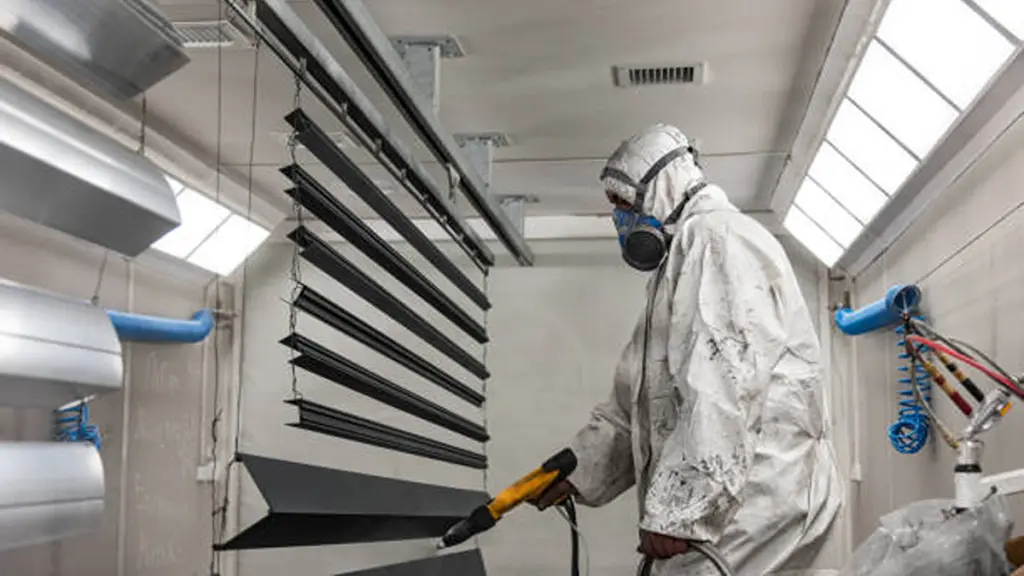
khuyết tật lớp phủ, luồng không khí không ổn định, và chi phí bảo trì tăng là dấu hiệu phổ biến của các vấn đề về lọc. Phát hiện sớm giúp nhà sản xuất giảm thời gian ngừng hoạt động và duy trì hiệu suất buồng phun đáng tin cậy.
Kết thúc vấn đề ô nhiễm và luồng không khí
Khi hiệu suất lọc giảm, tác động thường xuất hiện trực tiếp trong kết quả sơn phủ và vận hành gian hàng. Khả năng lọc kém có thể tạo điều kiện cho các chất gây ô nhiễm xâm nhập vào khu vực sơn hoặc làm giảm hiệu quả thu giữ sơn quá mức.
Các vấn đề thường gặp bao gồm:
- Ô nhiễm bề mặt: Bụi và các hạt trong không khí xâm nhập vào buồng và ảnh hưởng đến hình thức lớp phủ cuối cùng.
- tích tụ quá mức: Bộ lọc khí thải không thể thu giữ các hạt sơn một cách hiệu quả, khiến sương sơn đọng lại trong khu vực làm việc.
- Sự không ổn định của luồng không khí: Chuyển động không khí yếu hoặc không đều ảnh hưởng đến việc kiểm soát sơn phun quá mức và tạo ra các điều kiện phủ không nhất quán.
Những vấn đề này thường chỉ ra rằng hệ thống lọc không thể duy trì chất lượng không khí và cân bằng luồng không khí cần thiết.
Nguyên nhân cốt lõi đằng sau các vấn đề về hiệu suất của bộ lọc
Các vấn đề về bộ lọc thường xuất phát từ nhiều yếu tố chứ không phải do một lỗi duy nhất. Xác định nguyên nhân thực tế cho phép nhà sản xuất cải thiện hiệu suất hệ thống thay vì chỉ thay thế bộ lọc nhiều lần.
- Lọc bão hòa: Sơn quá nhiều và tích tụ bụi làm tăng sức cản và giảm công suất luồng khí.
- Rò rỉ đường dẫn khí: Bịt kín kém hoặc lắp đặt không chính xác cho phép không khí bị ô nhiễm đi qua vật liệu lọc.
- Bảo trì không đầy đủ: Việc kiểm tra bị trì hoãn và vệ sinh không thường xuyên khiến các vấn đề về lọc nhỏ trở thành vấn đề sản xuất lớn hơn.
Một chiến lược bảo trì thích hợp nên giải quyết các nguyên nhân này cùng nhau để duy trì hiệu quả lọc ổn định.
Lựa chọn và lắp đặt bộ lọc không đúng cách
Ngay cả bộ lọc chất lượng cao cũng có thể bị hỏng khi nó không phù hợp với yêu cầu về thiết kế buồng phun hoặc lớp phủ. Lựa chọn và lắp đặt không chính xác có thể làm giảm hiệu suất lọc và rút ngắn tuổi thọ.
Những lỗi thường gặp bao gồm:
- Hiệu quả lọc không chính xác: Bộ lọc có khả năng thu giữ không phù hợp có thể bị quá tải nhanh chóng hoặc không bảo vệ được chất lượng lớp phủ.
- Vật liệu lọc không phù hợp: Các quy trình phủ khác nhau đòi hỏi cấu trúc vật liệu và khả năng giữ bụi khác nhau.
- Độ chính xác cài đặt kém: Khoảng trống giữa bộ lọc và khung tạo ra luồng không khí đi qua, cho phép chất gây ô nhiễm xâm nhập vào buồng mà không được lọc thích hợp.
Phù hợp với loại bộ lọc, hiệu quả, và phương pháp lắp đặt với điều kiện vận hành thực tế là cần thiết để đạt hiệu quả lâu dài..
Giảm thời gian ngừng hoạt động với Bộ lọc sơn được chứng nhận UL

Việc tắc nghẽn bộ lọc ảnh hưởng đến hiệu suất của buồng phun như thế nào
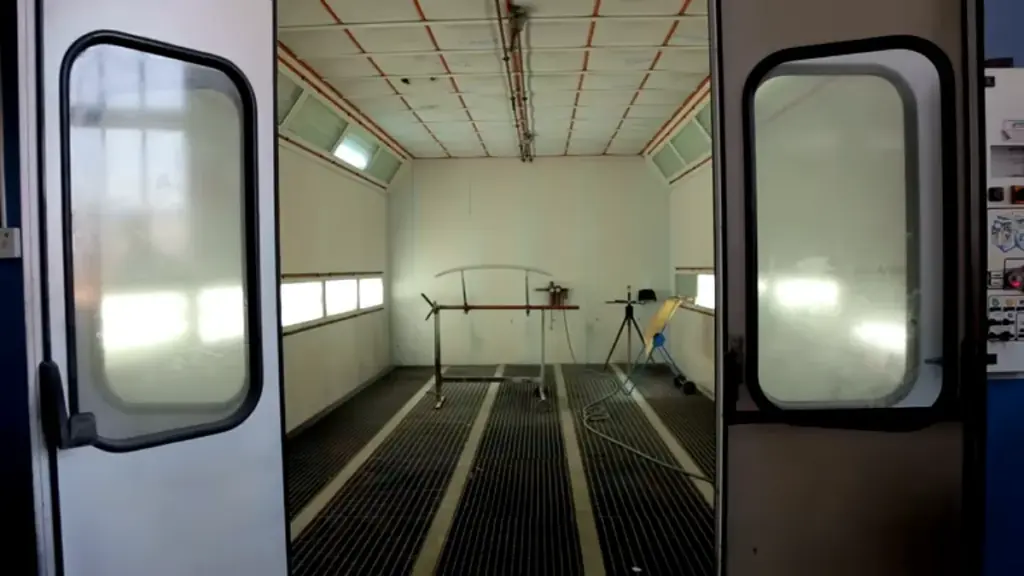
Bộ lọc bị tắc có thể làm giảm hiệu quả luồng không khí, ảnh hưởng tới chất lượng hoàn thiện, tăng chi phí hoạt động, và tạo ra những rủi ro về an toàn trong quá trình vận hành buồng phun.
Luồng khí bị hạn chế và cân bằng gian hàng kém
Bộ lọc bị tắc tạo ra sức cản ngày càng tăng bên trong hệ thống thông gió. Mặc dù người hâm mộ vẫn tiếp tục chạy, chúng không thể di chuyển lượng không khí cần thiết qua vật liệu lọc bị chặn, làm giảm dần hiệu suất luồng không khí.
Khi sức cản áp suất tăng, sự cân bằng giữa luồng khí nạp và khí thải trở nên khó duy trì hơn. Điều này có thể ảnh hưởng đến việc thu giữ lượng sơn phun quá mức và tạo ra các điều kiện không nhất quán bên trong buồng sơn..
Những thay đổi hiệu suất phổ biến bao gồm:
- Tốc độ dòng khí thấp hơn: Chuyển động không khí giảm khiến việc loại bỏ sương sơn hiệu quả khỏi khu vực phun trở nên khó khăn hơn.
- Mất cân bằng áp suất: Lực cản quá mức có thể gây ra áp suất buồng không ổn định, cho phép các chất gây ô nhiễm xâm nhập hoặc phun quá mức để thoát ra.
- Phân phối luồng không khí không đồng đều: Luồng khí bị hạn chế có thể tạo ra những khu vực không đủ chuyển động của không khí, khiến các hạt sơn bị lơ lửng lâu hơn.
Giám sát chênh lệch áp suất giúp người vận hành xác định thời điểm các bộ lọc bắt đầu hạn chế luồng không khí và thực hiện hành động trước khi chất lượng sản xuất bị ảnh hưởng.
Khiếm khuyết lớp phủ do lọc kém
Luồng không khí ổn định và không khí sạch là điều cần thiết để đạt được sự êm ái, bề mặt sơn chất lượng cao. Khi bộ lọc trở nên quá tải, họ không còn có thể duy trì môi trường được kiểm soát cần thiết để sơn chính xác.
Để lọc đầu vào, bộ lọc bão hòa có thể cho phép bụi và các hạt trong không khí xâm nhập vào buồng. Những chất gây ô nhiễm này có thể lắng đọng trên lớp phủ ướt và tạo ra các khuyết tật có thể nhìn thấy được.
Để lọc khí thải, bộ lọc bị tắc làm giảm hiệu quả thu giữ quá mức. Các hạt sơn có thể vẫn lơ lửng trong buồng hoặc quay trở lại phôi, ảnh hưởng đến sự xuất hiện cuối cùng.
Các vấn đề chất lượng điển hình bao gồm:
- Ô nhiễm bề mặt: Các hạt bụi và mảnh vụn bị mắc kẹt trong lớp phủ.
- Kết thúc không đồng đều: Kiểm soát luồng không khí kém ảnh hưởng đến tính nhất quán của ứng dụng sơn.
- Làm lại bổ sung: Các bộ phận bị lỗi cần phải chà nhám thêm, sơn lại, hoặc kiểm tra.
Đối với nhà sản xuất sản xuất sản phẩm có giá trị cao, duy trì hiệu suất lọc ổn định là điều cần thiết để giảm chất thải và bảo vệ hiệu quả sản xuất.
Chi phí sử dụng và bảo trì năng lượng cao hơn
Tắc lọc không chỉ ảnh hưởng đến quá trình sơn; nó cũng làm tăng khối lượng công việc trên toàn bộ hệ thống thông gió. Khi sức đề kháng tăng lên, quạt và động cơ cần nhiều năng lượng hơn để duy trì luồng không khí.
Theo thời gian, sức căng bổ sung này có thể làm tăng yêu cầu bảo trì và rút ngắn tuổi thọ của thiết bị.
Các tác động chi phí chính bao gồm:
- Tiêu thụ năng lượng cao hơn: Quạt hoạt động dưới lực cản lớn hơn và đòi hỏi nhiều năng lượng hơn.
- Nhu cầu bảo trì tăng: Căng thẳng liên tục có thể làm tăng tốc độ mài mòn của động cơ và các bộ phận thông gió.
- Tổn thất sản xuất: Chất lượng lớp phủ kém và những thay đổi bộ lọc không mong muốn có thể làm gián đoạn lịch trình sản xuất.
Thay thế bộ lọc đúng lúc giúp duy trì hiệu quả của hệ thống và tránh các chi phí vận hành không cần thiết do chạy bộ lọc quá tải.
Rủi ro an toàn từ quá trình lọc không hiệu quả
Ngoài mối quan tâm về chất lượng và chi phí, hệ thống lọc được bảo trì kém có thể tạo ra rủi ro về an toàn trong môi trường sơn công nghiệp. Buồng phun được thiết kế để kiểm soát các hạt và hơi độc hại, và bộ lọc bị tắc làm giảm khả năng thực hiện chức năng này.
Tích tụ sơn nặng bên trong vật liệu lọc có thể làm tăng nguy cơ hỏa hoạn, đặc biệt là khi các bộ lọc tiếp tục hoạt động ngoài điều kiện sử dụng được khuyến nghị.
Ngoài ra, luồng không khí giảm có thể ảnh hưởng đến việc loại bỏ các chất gây ô nhiễm trong không khí và có thể làm tăng lượng khí thải từ hệ thống buồng phun. Duy trì quá trình lọc hiệu quả giúp các công ty đáp ứng các yêu cầu an toàn tại nơi làm việc và duy trì hiệu suất môi trường đáng tin cậy.
Giải pháp nâng cao hiệu quả lọc buồng sơn
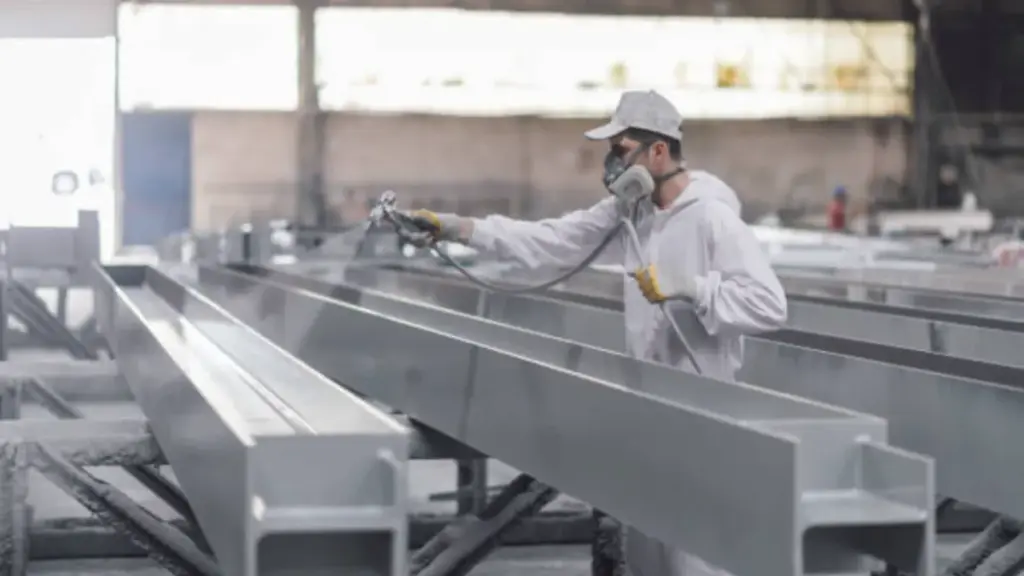
Cải thiện hiệu suất lọc đòi hỏi nhiều hơn việc thay thế bộ lọc thường xuyên. Một cách tiếp cận cân bằng kết hợp thiết kế lọc thích hợp, kiểm soát luồng không khí, và bảo trì phòng ngừa giúp nhà sản xuất giảm thời gian ngừng hoạt động và duy trì chất lượng lớp phủ ổn định.
| Giải pháp | Lợi ích chính |
|---|---|
| Lọc nhiều giai đoạn | Phân phối tải lượng chất gây ô nhiễm qua các giai đoạn lọc khác nhau và kéo dài tuổi thọ tổng thể của bộ lọc. |
| Tối ưu hóa luồng không khí | Cải thiện khả năng thu giữ tia phun quá mức và ngăn không khí lọt qua do lắp đặt hoặc bịt kín kém. |
| Giám sát hiệu suất | Cho phép thay thế bộ lọc dựa trên điều kiện hoạt động thực tế thay vì lịch trình cố định. |
Sử dụng chiến lược lọc nhiều giai đoạn
Một lớp bộ lọc có thể bị quá tải nhanh chóng trong môi trường sơn có năng suất cao. Hệ thống lọc nhiều giai đoạn cải thiện hiệu quả bằng cách cho phép mỗi giai đoạn lọc thu được các mức chất gây ô nhiễm khác nhau.
Một hệ thống điển hình bao gồm:
- Lọc trước: Thu giữ các hạt bụi lớn hơn và bụi phun quá nhiều trước khi chúng đến bộ lọc chính.
- Bộ lọc sơ cấp: Loại bỏ các hạt có kích thước trung bình trong khi vẫn duy trì hiệu suất luồng không khí.
- Bộ lọc cuối cùng: Cung cấp khả năng lọc tốt hơn để bảo vệ chất lượng lớp phủ.
Cách tiếp cận này giúp giảm khối lượng công việc trên các bộ lọc có giá trị cao và giúp các công ty đạt được sự cân bằng tốt hơn giữa hiệu quả lọc và chi phí vận hành.
Tối ưu hóa luồng không khí và lắp đặt bộ lọc
Ngay cả các bộ lọc chất lượng cao cũng không thể hoạt động hiệu quả nếu không có điều kiện luồng khí ổn định. Việc lắp đặt và niêm phong buồng đúng cách đảm bảo rằng không khí bị ô nhiễm đi qua vật liệu lọc thay vì thoát ra ngoài qua các khoảng trống.
Các thực hành quan trọng bao gồm:
- Niêm phong bộ lọc: Ngăn chặn không khí bỏ qua bằng cách đảm bảo các bộ lọc vừa khít bên trong khung.
- Cân bằng luồng khí: Duy trì hiệu suất hút và xả phù hợp để loại bỏ lượng sơn phun quá mức một cách nhất quán.
- Bảo trì gian hàng: Giảm bụi trong không khí và các hạt sơn khô thông qua việc vệ sinh thường xuyên.
Những cải tiến này giúp duy trì môi trường phun sạch hơn và giảm tải bộ lọc không cần thiết.
Giám sát hiệu suất bộ lọc với dữ liệu áp suất
Việc thay thế bộ lọc chỉ dựa trên khoảng thời gian có thể dẫn đến chi phí không cần thiết hoặc giảm hiệu suất của gian hàng. Giám sát sự thay đổi áp suất cung cấp một cách chính xác hơn để đánh giá tình trạng bộ lọc.
Đồng hồ đo áp suất chênh lệch hoặc áp kế giúp người vận hành theo dõi điện trở khi chất gây ô nhiễm tích tụ bên trong vật liệu lọc. Bằng cách so sánh số đọc hiện tại với đường cơ sở của bộ lọc sạch ban đầu, công ty có thể lên kế hoạch thay thế vào đúng thời điểm.
Việc theo dõi thường xuyên giúp:
- Ngăn ngừa quá tải: Tránh vận hành các bộ lọc sau khi hiệu suất luồng khí giảm.
- Giảm chất thải: Thay thế bộ lọc dựa trên điều kiện thực tế thay vì giả định.
- Cải thiện tính nhất quán: Duy trì hiệu suất buồng phun ổn định theo thời gian.
Bằng cách kết hợp thiết kế lọc thích hợp, quản lý luồng không khí, và bảo trì dựa trên tình trạng, nhà sản xuất có thể cải thiện hiệu quả buồng sơn đồng thời giảm việc làm lại và chi phí vận hành không cần thiết.
Airy cung cấp đầy đủ tùy chỉnh giải pháp lọc buồng sơn, hỗ trợ kích thước tiêu chuẩn (ví dụ., Bộ lọc khí thải buồng sơn 20×20), cũng như các thiết kế tùy chỉnh cho sự xuất hiện, hiệu quả, và hiệu suất.
Khi nào nên thay bộ lọc buồng sơn
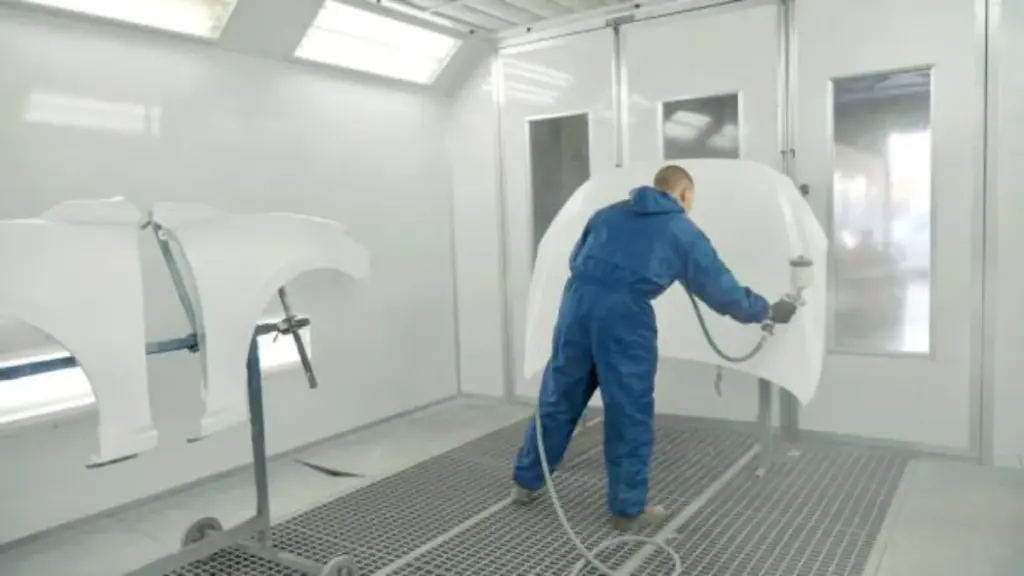
Biết khi nào cần thay bộ lọc buồng sơn phụ thuộc vào chỉ số áp suất, giờ hoạt động, và kiểm tra trực quan, không chỉ là một lịch cố định. Áp kế của bạn là hướng dẫn đáng tin cậy nhất.
Các chỉ số cốt lõi để thay thế bộ lọc
Đừng đoán mò nữa mà hãy để ý bốn dấu hiệu rõ ràng sau đây cho thấy bộ lọc của bạn sắp hết tuổi thọ sử dụng. Sự kết hợp của các chỉ số này cung cấp một bức tranh chính xác hơn nhiều so với việc chỉ dựa vào ngày dương lịch.
- Giảm áp suất: Áp kế của bạn là công cụ tốt nhất cho công việc này. Thay bộ lọc khi số đọc áp suất tăng khoảng 0,5″ w.c. (cột nước) trên số đọc ban đầu bạn lấy khi bộ lọc sạch.
- Giờ hoạt động: Sử dụng số giờ chạy làm chuẩn mực vững chắc. Một cửa hàng điển hình, Ví dụ, có thể lên kế hoạch thay bộ lọc khí thải sau mỗi 80–120 giờ phun.
- Kiểm tra trực quan: Hãy tin vào đôi mắt của bạn. Nếu bộ lọc có vết phun quá mức rõ ràng, chảy xệ, bị hư hỏng về mặt vật lý, hoặc hiển thị bóng tối, các bản vá bão hòa, đã đến lúc phải thay đổi.
- Luồng không khí và chất lượng hoàn thiện: Tiết mục của gian hàng kể một câu chuyện. Sự chuyển động của không khí giảm đáng kể hoặc sự gia tăng bụi và các khiếm khuyết trong công việc sơn của bạn là những dấu hiệu rõ ràng cho thấy bộ lọc của bạn đang bị hỏng.
Khí thải (phun quá nhiều) Tần suất thay thế bộ lọc
Bộ lọc khí thải bị lạm dụng trực tiếp nhất từ việc phun sơn quá mức. Tần suất thay thế của chúng thay đổi đáng kể theo khối lượng sản xuất, nhưng đồng hồ đo áp suất luôn có tiếng nói cuối cùng.
- Cửa hàng tiêu biểu: Đang sử dụng thường xuyên, lên kế hoạch thay thế những thứ này sau mỗi 2–4 tuần.
- Hoạt động khối lượng lớn: Do lượng phun quá nhiều, những cơ sở này có thể cần thay thế hàng tuần, hoặc đôi khi còn thường xuyên hơn.
- Cửa hàng sử dụng nhẹ: Một bộ duy nhất có thể kéo dài một tháng hoặc lâu hơn, nhưng bạn vẫn phải theo dõi chúng bằng áp kế.
- Chỉ số áp kế là chỉ báo đáng tin cậy nhất và phải luôn ghi đè lịch trình dựa trên thời gian. Nếu áp suất quá cao, thay đổi bộ lọc bất kể chúng đã ở đó bao lâu.
Tần suất thay thế bộ lọc đầu vào và bộ lọc trước
Những bộ lọc này là tuyến phòng thủ đầu tiên chống lại bụi từ bên ngoài buồng máy. Tuổi thọ của chúng liên quan trực tiếp đến sự sạch sẽ của môi trường cửa hàng của bạn.
- Tấm hút gió trên tường/cửa: Chúng thường được thay thế sau mỗi 1–2 tháng. Nếu cửa hàng của bạn đặc biệt nhiều bụi, rút ngắn khoảng thời gian này.
- Bộ lọc trước AMU: Để bảo vệ các bộ lọc chính đắt tiền hơn ở hạ lưu, thay đổi bộ phận trang điểm không khí (AMU) bộ lọc trước cứ sau 1–3 tháng.
- Trong môi trường bụi bặm, tạo thói quen kiểm tra bộ lọc khí nạp hàng tuần và thay thế chúng ngay khi chúng xuất hiện bẩn.
Trần nhà (Khuếch tán) Tần suất thay thế bộ lọc
Bộ lọc trần rất quan trọng để có một lớp hoàn thiện hoàn hảo, vì chúng cung cấp khả năng làm sạch cuối cùng cho không khí lưu thông trên bề mặt sơn. Việc thay thế chúng phụ thuộc vào năng suất của cửa hàng và mức độ hoạt động của bộ lọc trước của bạn.
- Hoạt động hạng trung: Lập kế hoạch thay thế sau mỗi 3–6 tháng.
- Nhiệm vụ nặng nề / Khối lượng lớn: Các cửa hàng bận rộn nên thay chúng 1–3 tháng một lần để duy trì luồng không khí tối ưu và ngăn ngừa lỗi.
- Hoạt động nhẹ: Trong cài đặt có âm lượng thấp và lọc trước hiệu quả, những điều này có thể kéo dài từ 6 ĐẾN 12 tháng.
- Bất chấp lịch trình, thay thế chúng ngay lập tức nếu bạn thấy những đốm đen, màu không đều, hay những giọt nước mắt thể xác.
Thiết lập hệ thống bảo trì và ghi nhật ký
Chuyển từ lịch bảo trì phản ứng sang lịch bảo trì chủ động giúp tiết kiệm tiền và cải thiện chất lượng. Hệ thống ghi nhật ký đơn giản là chìa khóa giúp hệ thống này hoạt động phù hợp với hoạt động cụ thể của bạn.
- Tạo nhật ký bộ lọc để theo dõi ngày thay thế, giờ hoạt động, và chỉ số áp suất cho từng bộ lọc trong gian hàng của bạn.
- Khi bạn cài đặt một bộ bộ lọc mới, ghi lại ban đầu (lau dọn) đọc áp kế. Điều này thiết lập đường cơ sở rõ ràng cho ngân hàng bộ lọc đó.
- Tiến hành kiểm tra áp kế hàng ngày hoặc hàng tuần để theo dõi tốc độ tải của các bộ lọc so với đường cơ sở sạch.
- Sử dụng dữ liệu đã ghi này để tinh chỉnh lịch thay thế của bạn. Bạn sẽ nhanh chóng thấy các mẫu dựa trên điều kiện và khối lượng sản xuất thực tế của cửa hàng bạn.
Lựa chọn Bộ lọc buồng sơn đáng tin cậy từ Airy
Đáng tin cậy Sơn lọc phòng lọc phải phù hợp với thiết kế luồng không khí, quá trình phủ, và yêu cầu sản xuất của từng buồng phun. Giải pháp lọc phù hợp giúp nhà sản xuất duy trì độ hoàn thiện đồng nhất, giảm tần suất bảo trì, và nâng cao hiệu quả hoạt động lâu dài.
Loại bộ lọc phù hợp với ứng dụng buồng phun của bạn
Thiết kế buồng phun và quy trình phủ khác nhau tạo ra các yêu cầu lọc khác nhau. Sử dụng bộ lọc không phù hợp với ứng dụng có thể dẫn đến khả năng thu thập sơn quá mức kém, tăng sức cản luồng không khí, hoặc thời gian sử dụng ngắn hơn.
Trước khi lựa chọn giải pháp lọc, nhà sản xuất nên cân nhắc:
- Hướng luồng khí: Cấu trúc buồng khác nhau yêu cầu bố trí bộ lọc khác nhau để duy trì chuyển động không khí ổn định.
- Loại chất gây ô nhiễm: Sơn phun sương, hạt bụi, và khói hóa chất cần có phương tiện lọc phù hợp để thu giữ hiệu quả.
- Điều kiện sản xuất: Hoạt động sơn khối lượng lớn thường cần các bộ lọc có khả năng giữ bụi cao hơn và tuổi thọ dài hơn.
Airy cung cấp đa dạng giải pháp lọc buồng sơn, bao gồm cả bộ lọc trần, bộ lọc dừng sơn, bộ lọc khí thải, và các phương tiện lọc tùy chỉnh khác được thiết kế cho các ứng dụng sơn công nghiệp.
Hiệu quả lọc cân bằng và chi phí vận hành
Một bộ lọc đáng tin cậy không chỉ thu giữ các chất gây ô nhiễm một cách hiệu quả mà còn duy trì hiệu suất luồng khí thích hợp trong suốt quá trình vận hành..
Việc lựa chọn vật liệu lọc phù hợp phụ thuộc vào các yếu tố như:
- Tải quá mức: Các quy trình phủ dày đòi hỏi vật liệu lọc có khả năng giữ sơn mạnh để giảm việc thay thế thường xuyên.
- Sức cản luồng không khí: Bộ lọc phải cung cấp khả năng thu hạt hiệu quả mà không tạo ra tổn thất áp suất không cần thiết.
- Môi trường hoạt động: Vật liệu phải phù hợp với các điều kiện như độ ẩm, nhiệt độ, và nhu cầu sản xuất liên tục.
Airy cung cấp vật liệu lọc có thể tùy chỉnh, kích thước, độ dày, và thông số kỹ thuật hiệu suất để đáp ứng các yêu cầu khác nhau về buồng phun. Sản phẩm có thể được thiết kế riêng cho các ứng dụng bao gồm sơn ô tô, hoàn thiện nội thất, lớp phủ kim loại, và sản xuất công nghiệp nói chung.
Chọn nhà sản xuất có khả năng tùy chỉnh
Đối với người mua công nghiệp, Chất lượng bộ lọc không chỉ phụ thuộc vào bản thân sản phẩm mà còn phụ thuộc vào khả năng sản xuất và hỗ trợ kỹ thuật của nhà cung cấp.
Một đối tác lọc đáng tin cậy nên cung cấp:
- Thứ nguyên tùy chỉnh: Bộ lọc phải vừa khít với khung gian hàng hiện có để tránh rò rỉ không khí.
- Tùy chọn vật liệu: Các lựa chọn phương tiện khác nhau cho phép thích ứng tốt hơn với các quy trình phủ khác nhau.
- Năng lực sản xuất ổn định: Chất lượng nhất quán là điều cần thiết cho việc lập kế hoạch cung cấp và bảo trì dài hạn.
Airy chuyên về các giải pháp lọc không khí theo yêu cầu, hỗ trợ các thiết kế bộ lọc khác nhau, nguyên vật liệu, và thông số kỹ thuật. Với cơ sở sản xuất tích hợp và kinh nghiệm trong lĩnh vực lọc công nghiệp, Airy giúp khách hàng phát triển các giải pháp phù hợp với thiết bị và mục tiêu sản xuất của họ.
Cho dù bạn cần cuộn lọc buồng sơn, phương tiện lọc khí thải, bộ lọc trần, hoặc các thành phần bộ lọc tùy chỉnh, Airy có thể cung cấp các giải pháp được thiết kế xoay quanh yêu cầu ứng dụng của bạn. Bảo vệ bản thân khỏi việc tiếp xúc với các hạt có hại bị mắc kẹt trong vật liệu cũ.
suy nghĩ cuối cùng
Địa chỉ chung vấn đề về bộ lọc buồng sơn đòi hỏi nhiều hơn việc thay thế thường xuyên. Chiến lược lọc đáng tin cậy giúp nhà sản xuất duy trì luồng không khí ổn định, bảo vệ chất lượng lớp phủ, và giảm thời gian ngừng hoạt động không cần thiết trong suốt quá trình sản xuất. Bằng cách kết hợp vật liệu lọc, yêu cầu về hiệu suất, và điều kiện hoạt động, các công ty có thể đạt được hiệu quả lâu dài tốt hơn và chi phí bảo trì thấp hơn.
Thoáng mát cung cấp các giải pháp lọc buồng sơn tùy chỉnh được thiết kế cho các ứng dụng công nghiệp khác nhau, giúp khách hàng cải thiện hiệu suất lọc và duy trì kết quả nhất quán. Liên hệ với Airy để thảo luận về yêu cầu buồng phun của bạn và phát triển giải pháp lọc phù hợp với nhu cầu sản xuất của bạn.
Câu hỏi thường gặp
Tại sao bộ lọc buồng sơn của tôi nhanh chóng bị tắc?
Bộ lọc buồng sơn nhanh chóng bị tắc do phun quá nhiều, ô nhiễm bụi, hoặc luồng không khí kém. Các nguyên nhân phổ biến bao gồm thiếu bộ lọc trước, phương tiện lọc không đúng cho loại sơn, độ ẩm cao làm cho các hạt dính hơn, và chờ đợi quá lâu giữa các lần thay đổi, khiến cho sự tích tụ trở nên nhỏ gọn.
Làm thế nào để biết khi nào cần thay bộ lọc buồng sơn?
Bạn nên thay thế bộ lọc dựa trên sự kết hợp của nhiều yếu tố. Phương pháp đáng tin cậy nhất là sử dụng áp kế để kiểm tra mức tăng áp suất đáng kể, thường 0.5 inch cột nước trên đường cơ sở. Các chỉ số quan trọng khác bao gồm lưu lượng khí giảm đáng kể, bụi có thể nhìn thấy trong lớp sơn hoàn thiện, hoặc các bộ lọc bị bão hòa rõ ràng do bị phun quá mức.
Tại sao luồng khí trong buồng phun của tôi thấp?
Luồng khí thấp thường xảy ra do bộ lọc khí nạp hoặc khí thải bị tắc hạn chế chuyển động của không khí. Thủ phạm phổ biến khác bao gồm quạt bẩn, tắc nghẽn trong đường ống, hoặc bịt kín xung quanh cửa kém khiến không khí rò rỉ. Một gian hàng thường phải duy trì tốc độ không khí ở mức 60 ĐẾN 100 feet trên phút để hoạt động chính xác.
Nguyên nhân gây ra lỗi sơn trong buồng phun?
Hầu hết các lỗi sơn, như mắt cá và ngòi bẩn, bắt nguồn từ ô nhiễm từ bề mặt bẩn, lọc không đầy đủ, hoặc dầu trong đường dẫn khí. Các nguyên nhân chính khác bao gồm nhiệt độ hoặc độ ẩm không chính xác, luồng không khí kém cho phép giải quyết tình trạng phun quá mức, kỹ thuật súng phun không đúng cách, và những sai sót trong quá trình trộn sơn hay chuẩn bị bề mặt.
Làm cách nào để kéo dài tuổi thọ của bộ lọc buồng sơn?
Để kéo dài tuổi thọ bộ lọc, lắp đặt hệ thống lọc nhiều giai đoạn với các bộ lọc trước rẻ tiền để thu được các hạt lớn hơn. Giữ môi trường gian hàng sạch sẽ, đảm bảo luồng không khí được cân bằng, và sử dụng áp kế để thay thế bộ lọc dựa trên số đo áp suất cũng giúp ích. Tối ưu hóa cài đặt súng phun để giảm thiểu tình trạng phun quá mức giúp giảm đáng kể tải trọng cho bộ lọc khí thải.
Vật liệu lọc gian hàng sơn nào tốt nhất?
Vật liệu tốt nhất phụ thuộc vào mục đích của bộ lọc. Để có khí nạp sạch và chất lượng hoàn thiện cao, phương tiện khuếch tán tổng hợp là lý tưởng cho các bộ lọc trần. Để thu giữ lượng sơn phun quá nhiều trong ống xả, vật liệu sợi thủy tinh hoặc giấy có dung lượng cao là hiệu quả nhất. Thiết lập tối ưu sử dụng các vật liệu khác nhau trong hệ thống nhiều giai đoạn.