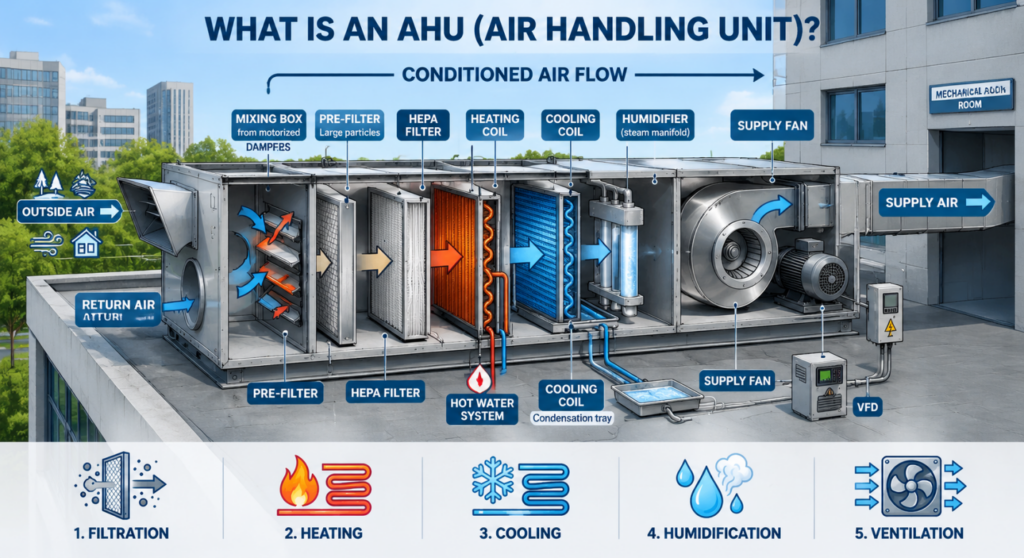
Lựa chọn bộ lọc HVAC không chính xác có thể dẫn đến tiêu thụ năng lượng cao hơn, bảo trì thường xuyên, và giảm hiệu suất hệ thống. Các loại bộ lọc HVAC khác nhau, bao gồm các bộ lọc bảng điều khiển, bộ lọc bỏ túi, bộ lọc xếp li, và bộ lọc trước, tạo ra các mức hiệu quả lọc và khả năng cản luồng không khí khác nhau. Hiểu những khác biệt này là điều cần thiết để duy trì hoạt động HVAC đáng tin cậy trong môi trường công nghiệp và thương mại.
Bài viết này giúp các kỹ sư HVAC, quản lý cơ sở, và người mua công nghiệp so sánh cấu trúc bộ lọc, đặc tính hiệu suất, và yêu cầu ứng dụng. Nó cung cấp hướng dẫn thực tế để cân bằng các mục tiêu chất lượng không khí, áp lực giảm, cuộc sống phục vụ, và chi phí vận hành khi lựa chọn giải pháp lọc phù hợp.
Tìm hiểu hệ thống lọc HVAC
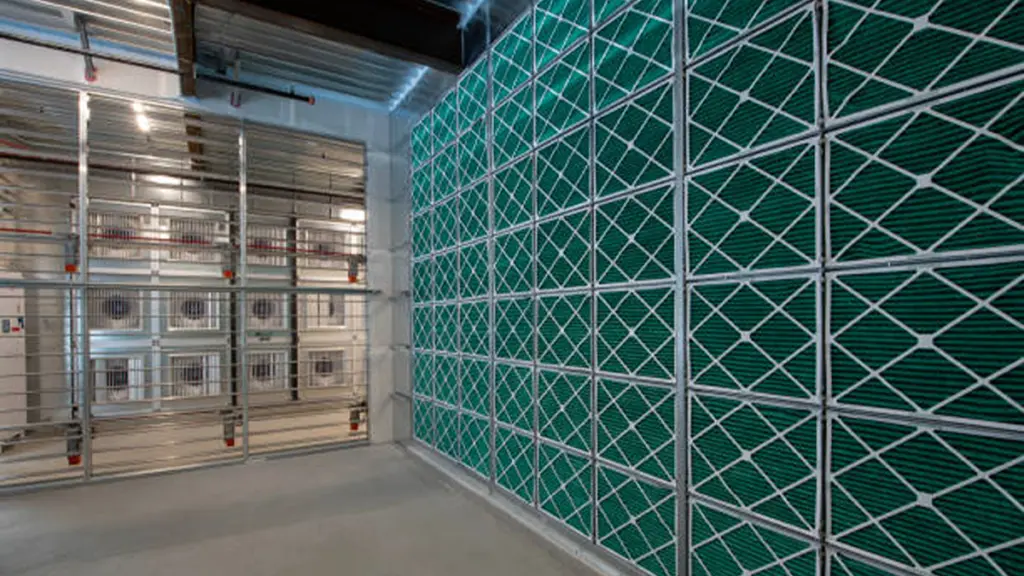
Lọc HVAC cân bằng mục tiêu chất lượng không khí với hiệu suất hệ thống, sử dụng các loại bộ lọc và xếp hạng khác nhau như MERV để thu giữ các chất gây ô nhiễm cụ thể mà không làm quạt quá tải.
Cơ chế lọc lõi
Tất cả quá trình lọc HVAC đều hoạt động bằng cách buộc không khí đi qua một môi trường có khả năng thu giữ các hạt trong không khí.. Phương pháp phổ biến nhất là chụp cơ học, nơi vật liệu dạng sợi giữ bụi, phấn hoa, và các mảnh vụn khác dựa trên kích thước. Một số bộ lọc tăng cường quá trình này bằng cách tích tĩnh điện, tạo ra lực hút kéo cả những hạt rất nhỏ ra khỏi không khí. Đối với các chất gây ô nhiễm không dạng hạt, bộ lọc than hoạt tính sử dụng một quá trình gọi là hấp phụ để bẫy mùi, chất khí, và các hợp chất hữu cơ dễ bay hơi (VOC) trên bề mặt xốp của chúng.
Các loại bộ lọc HVAC phổ biến
Các ứng dụng khác nhau yêu cầu các cấu trúc bộ lọc khác nhau. Việc chọn đúng tùy thuộc vào mục tiêu chất lượng không khí của bạn và những gì hệ thống của bạn có thể xử lý.
- Bộ lọc sợi thủy tinh và xếp nếp: Đây là tiêu chuẩn cho hầu hết các tòa nhà dân cư và thương mại nhẹ. Chúng có hiệu quả trong việc thu giữ các hạt lớn hơn như bụi thông thường và xơ vải.
- Bộ lọc túi và hộp mực: Được sử dụng trong các hệ thống thương mại lớn hơn, những bộ lọc này cung cấp diện tích bề mặt lớn hơn đáng kể. Điều này mang lại khả năng giữ bụi cao hơn và kéo dài tuổi thọ sử dụng trong môi trường có luồng không khí cao.
- Bộ lọc HEPA: Không khí hạt hiệu quả cao (Hepa) bộ lọc được dành riêng cho các môi trường quan trọng như bệnh viện và phòng sạch. Họ được chứng nhận để loại bỏ ít nhất 99.97% của các hạt 0.3 kích thước micron, nhưng tạo ra lực cản luồng không khí đáng kể.
- Bộ lọc carbon kích hoạt: Những bộ lọc này được thiết kế đặc biệt cho các chất gây ô nhiễm khí. Chúng được sử dụng để kiểm soát mùi và VOC và thường được kết hợp với bộ lọc hạt để làm sạch không khí toàn diện.
Lọc xếp hạng và tiêu chuẩn hiệu suất
Hiệu suất không phải là chủ quan; nó được đo lường bằng các tiêu chuẩn toàn ngành nhằm giúp các nhà quản lý cơ sở và kỹ thuật viên lựa chọn sản phẩm phù hợp.
- Merv (Giá trị báo cáo hiệu quả tối thiểu): Đây là hệ thống đánh giá chính, từ 1 ĐẾN 16. Nó đánh giá khả năng của bộ lọc trong việc thu giữ các hạt có kích thước giảm dần.
- Hiệu quả so với. Sức chống cự: Xếp hạng MERV cao hơn có nghĩa là bộ lọc thu được các hạt nhỏ hơn hiệu quả hơn. Hiệu quả tăng lên này phải trả giá bằng sức cản luồng không khí cao hơn (áp suất tĩnh), có thể làm căng quạt HVAC.
- Tiêu chuẩn HEPA: HEPA là chứng nhận hiệu quả cụ thể, không phải là xếp hạng MERV. Nó nằm phía trên MERV 1-16 cân và chỉ được sử dụng cho các ứng dụng đòi hỏi không khí gần như vô trùng.
- Xếp hạng lửa UL: Ở nhiều tòa nhà thương mại, mã lửa bắt buộc các bộ lọc có xếp hạng UL Loại I hoặc II, liên quan đến khả năng chống cháy của bộ lọc.
Các yếu tố lựa chọn và bảo trì chính
Việc lựa chọn và bảo trì các bộ lọc một cách chính xác là rất quan trọng đối với cả chất lượng không khí và tuổi thọ của thiết bị. Những bước đi sai lầm ở đây có thể làm giảm hiệu suất và tăng chi phí vận hành.
- Kết hợp hiệu quả với mục tiêu của bạn: Đừng chỉ mua xếp hạng MERV cao nhất. Chọn một bộ lọc đủ hiệu quả để thu giữ các chất gây ô nhiễm mục tiêu của bạn mà không hạn chế luồng không khí một cách không cần thiết.
- Kiểm tra độ giảm áp suất tĩnh: Trước khi lắp đặt bộ lọc hiệu suất cao, xác nhận quạt của hệ thống có thể chịu được lực cản bổ sung. Quạt quá tải làm giảm luồng không khí, làm tổn thương hiệu suất, và tăng hóa đơn năng lượng.
- Đảm bảo vừa vặn: Bộ lọc phải vừa khít với vỏ của nó. Khoảng trống xung quanh khung cho phép “bỏ qua không khí,” để các chất gây ô nhiễm chưa được lọc chảy qua phương tiện lọc và khiến nó không hiệu quả.
- Thay thế dựa trên áp lực, Không chỉ là Lịch: Cách tốt nhất là thay thế bộ lọc khi áp suất giảm trên chúng đạt đến giới hạn khuyến nghị của nhà sản xuất. Lịch trình cố định có thể dẫn đến việc thay đổi bộ lọc quá sớm (lãng phí tiền bạc) hoặc quá muộn (làm hỏng thiết bị).
Bộ lọc bảng điều khiển: Đặc trưng, Ứng dụng và lợi ích
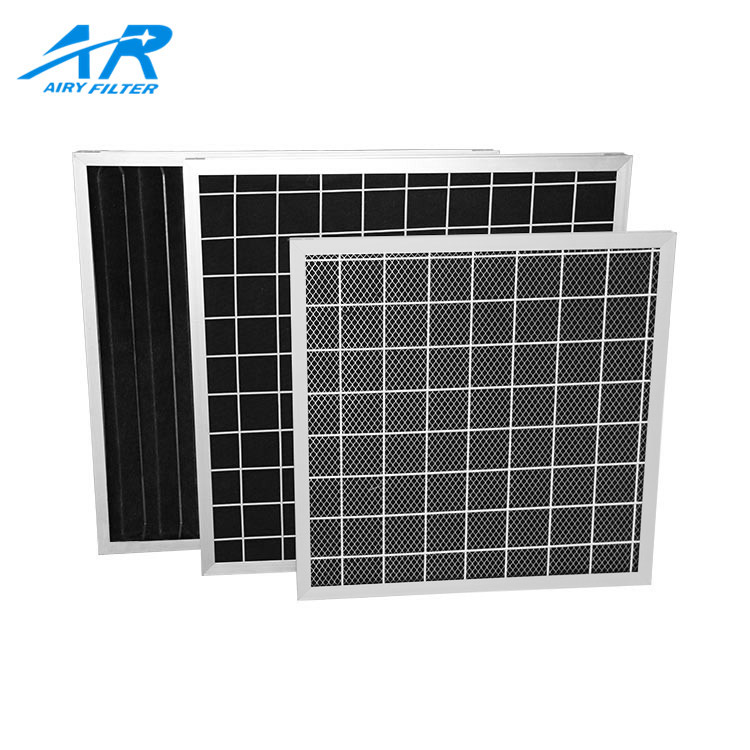
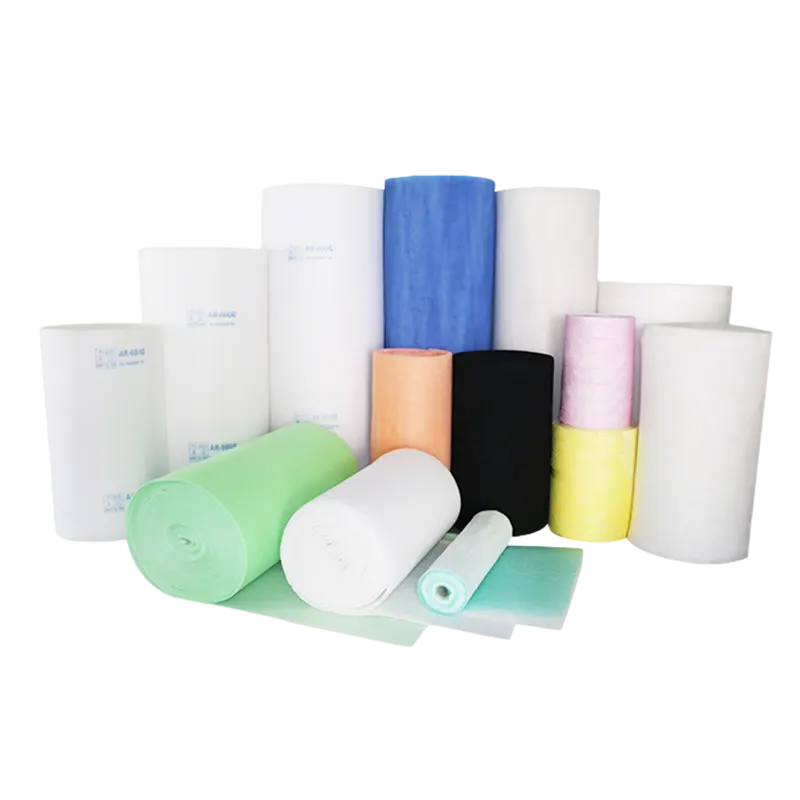
Bộ lọc bảng điều khiển là công cụ làm việc của HVAC, đóng vai trò là bộ lọc sơ cấp hoặc tiền lọc. Chúng thu giữ bụi thô để bảo vệ các bộ lọc hạ lưu đắt tiền và duy trì hiệu suất hệ thống cũng như luồng không khí.
Tính năng cốt lõi và xây dựng
Bộ lọc bảng điều khiển được xây dựng với các tính năng thiết kế cụ thể xác định vai trò của chúng trong hệ thống HVAC. Việc xây dựng ảnh hưởng trực tiếp đến hiệu suất của họ, tuổi thọ, và sự phù hợp với các môi trường khác nhau.
- Thiết kế tiêu chuẩn: Chúng được thiết kế dưới dạng tấm hình chữ nhật phẳng hoặc xếp nếp, có kích thước phù hợp trực tiếp với vỏ bộ lọc HVAC tiêu chuẩn và bộ xử lý không khí (AHU) bài hát mà không sửa đổi.
- Phương tiện xếp li: Hầu hết các bộ lọc bảng hiện đại đều sử dụng thiết kế xếp nếp. Gấp phương tiện truyền thông làm tăng tổng diện tích bề mặt bộ lọc, giúp tăng khả năng giữ bụi và kéo dài thời gian giữa các lần thay thế.
- Lọc phương tiện: Bộ lọc cơ bản sử dụng sợi thủy tinh với chi phí thấp, lọc thô. Các phiên bản hiệu suất cao hơn sử dụng sợi tổng hợp có cấu trúc tiến bộ để thu được nhiều hạt hơn với lực cản không khí thấp hơn.
- Xây dựng khung: Khung có sẵn trong một số vật liệu để phù hợp với điều kiện hoạt động, bao gồm các tông chống ẩm cho các bộ lọc dùng một lần, nhựa nhẹ, và kim loại bền cho môi trường có độ ẩm cao hoặc nhiệt độ cao.
Các ứng dụng chính trong hệ thống HVAC
Bộ lọc bảng không được thiết kế cho mọi công việc lọc. Chức năng chính của chúng là hoạt động như tuyến phòng thủ đầu tiên trong hệ thống lọc nhiều giai đoạn hoặc là bộ lọc duy nhất trong các ứng dụng ít đòi hỏi khắt khe hơn..
- Lọc sơ bộ: Vai trò chính của chúng là đóng vai trò là bộ lọc chính hoặc bộ lọc trước., thu giữ các hạt thô như bụi, xơ vải, và sợi, thông thường trong phạm vi 1–50 µm.
- Bảo vệ hạ lưu: Chúng che chắn các bộ lọc hạ lưu đắt tiền hơn, chẳng hạn như bộ lọc túi hoặc HEPA, khỏi bị tắc nghẽn bởi những mảnh vụn lớn. Sự bảo vệ này làm giảm đáng kể tần suất thay thế của các bộ lọc cuối cùng đắt tiền hơn.
- Cài đặt đa năng: Các bộ lọc này được cài đặt trên nhiều cài đặt, từ lò sưởi dân dụng và AHU thương mại đến hệ thống thông gió công nghiệp quy mô lớn.
- Bảo vệ phần cứng: Bằng cách bẫy bụi mài mòn, bộ lọc bảng điều khiển bảo vệ các bộ phận HVAC quan trọng như cuộn dây làm mát và quạt khỏi bị bám bẩn, giúp duy trì hiệu quả hệ thống và ngăn ngừa mài mòn cơ học.
Lợi ích chính cho hiệu suất và chất lượng không khí
Sử dụng bộ lọc bảng bên phải mang lại những lợi ích có thể đo lường được liên quan đến chất lượng không khí, chi phí hoạt động, và hiệu quả năng lượng. Những lợi thế này khiến chúng trở thành một thành phần cơ bản của chiến lược HVAC được thiết kế tốt.
- Cải thiện chất lượng không khí: Bộ lọc bảng cải thiện chất lượng không khí trong nhà bằng cách loại bỏ các chất gây ô nhiễm lớn trong không khí. Các mẫu xếp nếp hiệu quả cao hơn cũng có thể thu được một phần đáng kể các chất gây dị ứng như phấn hoa và mạt bụi.
- Giảm chi phí hoạt động: Bằng cách kéo dài tuổi thọ của các bộ lọc cuối cùng đắt tiền và giảm nhu cầu vệ sinh bộ phận HVAC thường xuyên, chúng làm giảm tổng chi phí bảo trì và vận hành.
- Tiết kiệm năng lượng: Bộ lọc bảng xếp nếp được thiết kế tốt duy trì khả năng cản luồng khí thấp ngay cả khi chúng chứa đầy bụi. Điều này làm giảm căng thẳng cho quạt HVAC, dẫn đến giảm tiêu thụ năng lượng.
- Giá trị vòng đời: Họ cung cấp giải pháp lọc tiết kiệm chi phí. Sự kết hợp giữa giá mua ban đầu thấp và khoản tiết kiệm chi phí được tạo ra trong hệ thống nhiều giai đoạn mang lại giá trị vòng đời mạnh mẽ.
Nhận bộ lọc được thiết kế tùy chỉnh, Giao hàng nhanh.
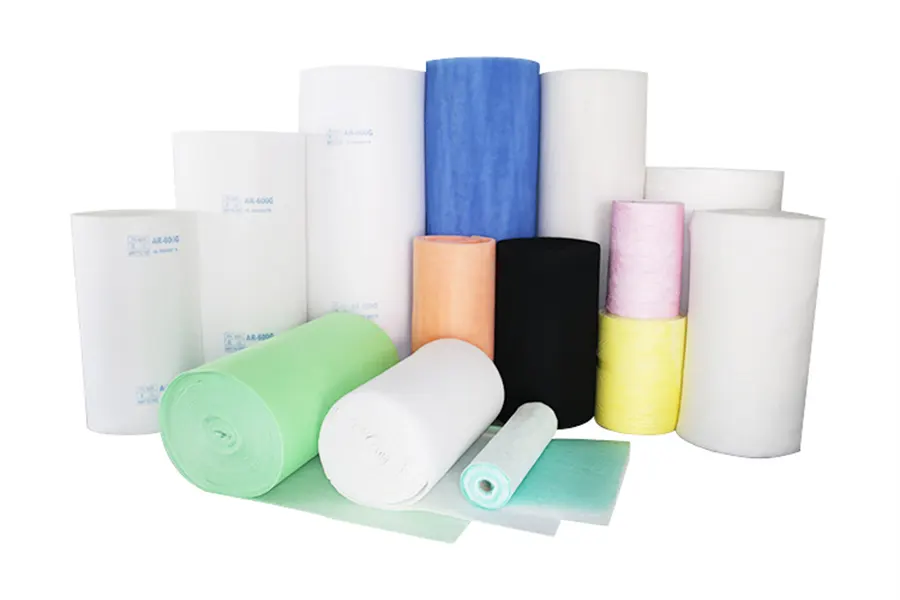
Bộ lọc bỏ túi: Lọc hiệu quả cao cho hệ thống HVAC
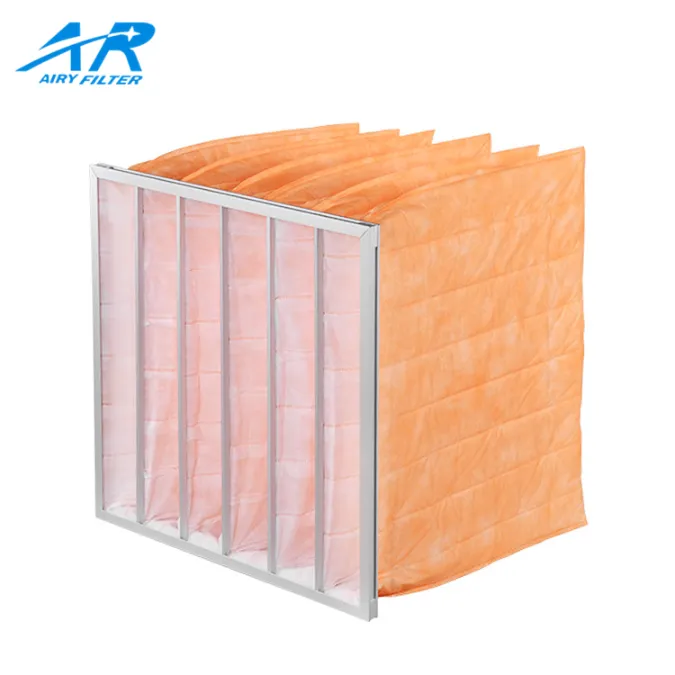
Bộ lọc bỏ túi cung cấp khả năng lọc không khí đáng tin cậy cho các hệ thống HVAC công nghiệp, mang lại sự cân bằng giữa hiệu quả thu giữ hạt, cuộc sống phục vụ, và hiệu suất luồng không khí.
Nguyên tắc xây dựng và làm việc
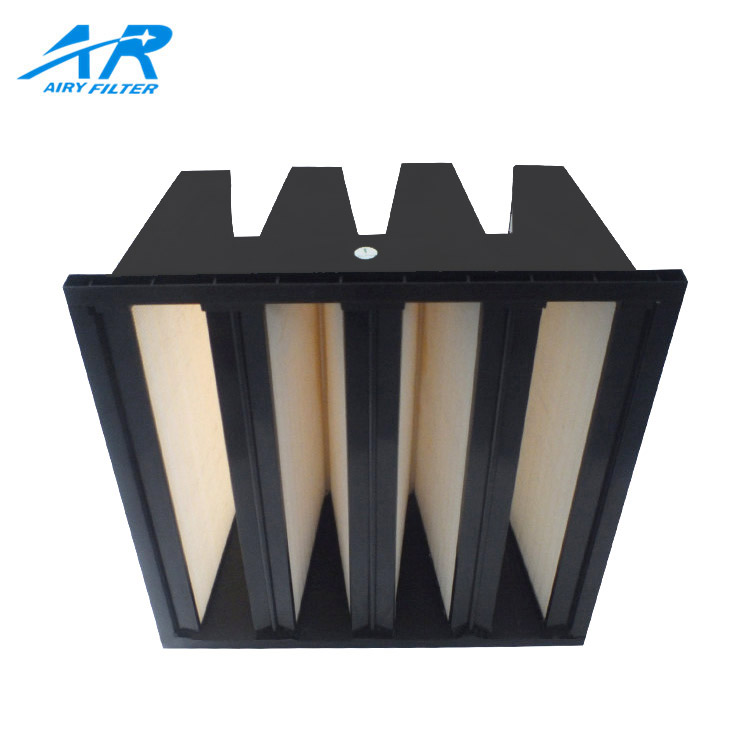
Bộ lọc bỏ túi sử dụng nhiều túi sâu làm từ sợi tổng hợp hoặc vật liệu sợi thủy tinh để tăng diện tích lọc. Cấu trúc này cho phép bộ lọc thu được nhiều hạt trong không khí hơn trong khi vẫn duy trì hiệu suất luồng khí ổn định.
Khi không khí đi qua bộ lọc, chất gây ô nhiễm bị mắc kẹt bên trong các lớp sợi. Diện tích phương tiện lớn hơn cải thiện sự phân bố bụi và giúp kéo dài tuổi thọ của bộ lọc.
Các tính năng thiết kế chính bao gồm:
- Lọc phương tiện: Vật liệu tổng hợp hoặc sợi thủy tinh cho các yêu cầu hiệu quả khác nhau.
- Cấu trúc túi: Túi sâu mang lại khả năng giữ bụi cao hơn.
- Xây dựng khung: Khung cứng đảm bảo độ kín thích hợp và lắp đặt AHU đáng tin cậy.
Xếp hạng hiệu quả và hiệu suất
Bộ lọc bỏ túi thường được đánh giá bằng các tiêu chuẩn như Merv Và ISO 16890. Trong nhiều ứng dụng thương mại và công nghiệp, bộ lọc bỏ túi thường nằm trong phạm vi MERV 8–15, trong khi ISO 16890 phân loại đo lường hiệu quả đối với các kích thước hạt khác nhau, bao gồm cả ePM10, ePM2.5, và ePM1.
| Yếu tố hiệu suất | Lợi thế của bộ lọc bỏ túi |
|---|---|
| Khả năng giữ bụi | Diện tích lọc lớn cho phép tuổi thọ dài hơn trước khi thay thế. |
| Hiệu suất luồng không khí | Cấu trúc túi sâu giúp duy trì luồng khí ổn định với lực cản được kiểm soát. |
| Tính linh hoạt của ứng dụng | Thích hợp cho HVAC thương mại, cơ sở công nghiệp, và hệ thống lọc nhiều giai đoạn. |
Ứng dụng trong hệ thống HVAC
Bộ lọc bỏ túi thường được lắp đặt làm bộ lọc thứ cấp hoặc giai đoạn lọc cuối cùng trong hệ thống HVAC đòi hỏi độ sạch không khí được cải thiện. Chúng được sử dụng rộng rãi trong:
- Cơ sở công nghiệp: Nhà máy sản xuất, kho hàng, và môi trường sản xuất có lượng bụi cao.
- Tòa nhà thương mại: Văn phòng, trường học, và hệ thống xử lý không khí lớn yêu cầu kiểm soát chất lượng không khí trong nhà đáng tin cậy.
- Ứng dụng nhạy cảm: Cơ sở chăm sóc sức khỏe, Phòng thí nghiệm, và môi trường phòng sạch nơi bộ lọc bỏ túi giúp bảo vệ bộ lọc HEPA ở hạ lưu.
Đối với các ứng dụng công nghiệp, Bộ lọc bỏ túi thường được kết hợp với bộ lọc sơ bộ để tạo thành hệ thống lọc nhiều giai đoạn. Bộ lọc trước thu giữ các hạt lớn hơn trước tiên, trong khi bộ lọc bỏ túi loại bỏ các chất gây ô nhiễm mịn hơn và giúp cải thiện hiệu suất hệ thống tổng thể.
Bộ lọc xếp nếp và trước: Khi nào nên sử dụng từng loại
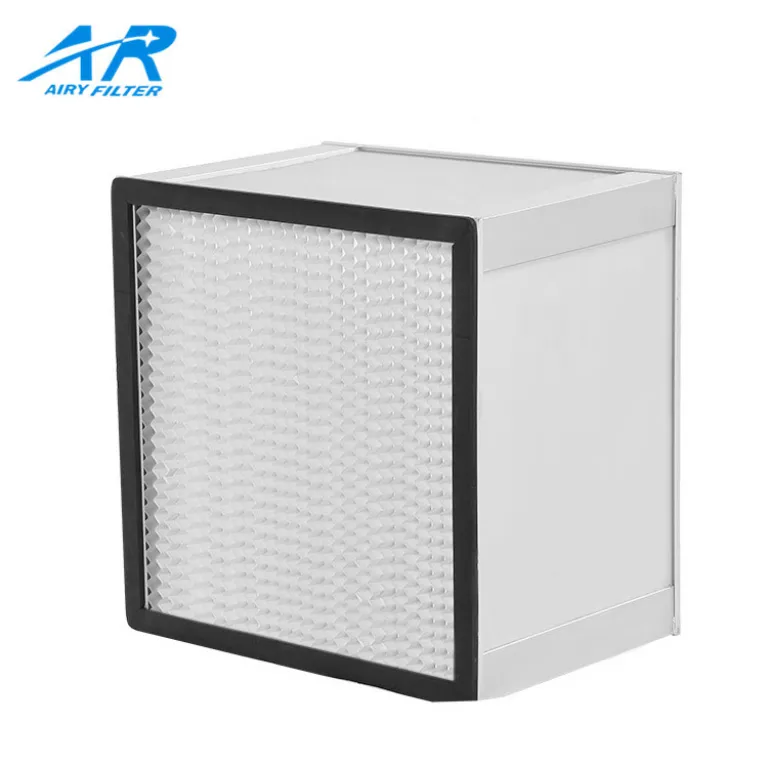
Bộ lọc sơ bộ và bộ lọc xếp nếp phục vụ các vai trò khác nhau trong hệ thống HVAC, một bên tập trung vào bảo vệ thiết bị và một bên cải thiện hiệu quả loại bỏ hạt để có không khí sạch hơn.
Bộ lọc trước: Bảo vệ hệ thống lọc hạ lưu
Bộ lọc trước được thiết kế để thu giữ các chất gây ô nhiễm trong không khí lớn hơn trước khi không khí đạt đến giai đoạn lọc mịn hơn. Bằng cách loại bỏ bụi, sợi, và các mảnh vụn khi bắt đầu quá trình lọc, chúng giảm áp lực tải lên các bộ lọc đắt tiền hơn và giúp duy trì hiệu suất HVAC ổn định.
Trong hệ thống HVAC công nghiệp, bộ lọc trước thường được sử dụng làm giai đoạn lọc đầu tiên vì chúng cải thiện hiệu quả tổng thể của hệ thống nhiều giai đoạn. Chúng bảo vệ các thành phần như cuộn dây, người hâm mộ, và các bộ lọc hiệu quả cao khỏi sự tích tụ bụi quá mức.
Những lý do phổ biến để cài đặt bộ lọc trước bao gồm:
- Môi trường bụi cao: Cơ sở công nghiệp, kho hàng, và hệ thống nạp khí ngoài trời có tải lượng hạt nặng.
- Bảo vệ thiết bị: Các ứng dụng ngăn ngừa tắc nghẽn cuộn dây và kéo dài tuổi thọ của bộ lọc hạ lưu là những ưu tiên chính.
- Lọc nhiều giai đoạn: Hệ thống HVAC kết hợp bộ lọc trước với bộ lọc bỏ túi hoặc bộ lọc HEPA để có độ sạch không khí cao hơn.
Bộ lọc xếp li: Cải thiện chất lượng không khí với hiệu quả cao hơn
Bộ lọc xếp li sử dụng phương tiện lọc gấp để tăng diện tích bề mặt lọc trong khung nhỏ gọn. Thiết kế này cho phép chúng thu được các hạt mịn hơn trong khi vẫn duy trì hiệu suất luồng khí hợp lý.
So với các bộ lọc phẳng cơ bản, các bộ lọc xếp nếp giúp cải thiện khả năng thu giữ hạt và thường được sử dụng làm giai đoạn lọc chính trong các hệ thống HVAC thương mại. Chúng phù hợp khi mục tiêu chính là cải thiện chất lượng không khí trong nhà thay vì chỉ bảo vệ thiết bị.
Các ứng dụng điển hình bao gồm:
- Tòa nhà thương mại: Văn phòng, trường học, và các cơ sở công cộng đòi hỏi chất lượng không khí trong nhà tốt hơn.
- Ứng dụng công nghiệp nhẹ: Những khu vực cần kiểm soát bụi vừa phải và không khí sạch hơn.
- Hệ thống HVAC một tầng: Các hệ thống trong đó một bộ lọc phải cung cấp cả khả năng thu giữ hạt và bảo vệ thiết bị cơ bản.
Bộ lọc trước và Bộ lọc xếp nếp: Sự khác biệt chính
Sự lựa chọn tốt nhất phụ thuộc vào việc ưu tiên là bảo vệ thiết bị HVAC hay cải thiện độ sạch của không khí.
| Khu vực đánh giá | Bộ lọc trước | Bộ lọc xếp li |
|---|---|---|
| Mục đích chính | Bảo vệ các bộ lọc hạ lưu và các bộ phận HVAC khỏi các hạt lớn. | Cải thiện chất lượng không khí bằng cách thu giữ các hạt nhỏ hơn trong không khí. |
| Ứng dụng điển hình | Thông gió công nghiệp, Ahus, và hệ thống có nhiều giai đoạn lọc. | Các hệ thống và ứng dụng HVAC thương mại yêu cầu IAQ được cải thiện. |
| Lợi ích chính | Kéo dài tuổi thọ của các bộ lọc hiệu suất cao hơn và giảm chi phí bảo trì. | Cung cấp hiệu suất thu giữ hạt tốt hơn trong thiết kế bộ lọc nhỏ gọn. |
Đối với nhiều ứng dụng HVAC công nghiệp, bộ lọc trước và bộ lọc xếp nếp hoạt động cùng nhau thay vì thay thế lẫn nhau. Bộ lọc trước xử lý các chất gây ô nhiễm lớn hơn trước tiên, trong khi bộ lọc xếp nếp hoặc hiệu suất cao hơn cung cấp khả năng bảo vệ bổ sung cho luồng không khí sạch hơn.
Cách chọn Bộ lọc HVAC phù hợp cho ứng dụng của bạn
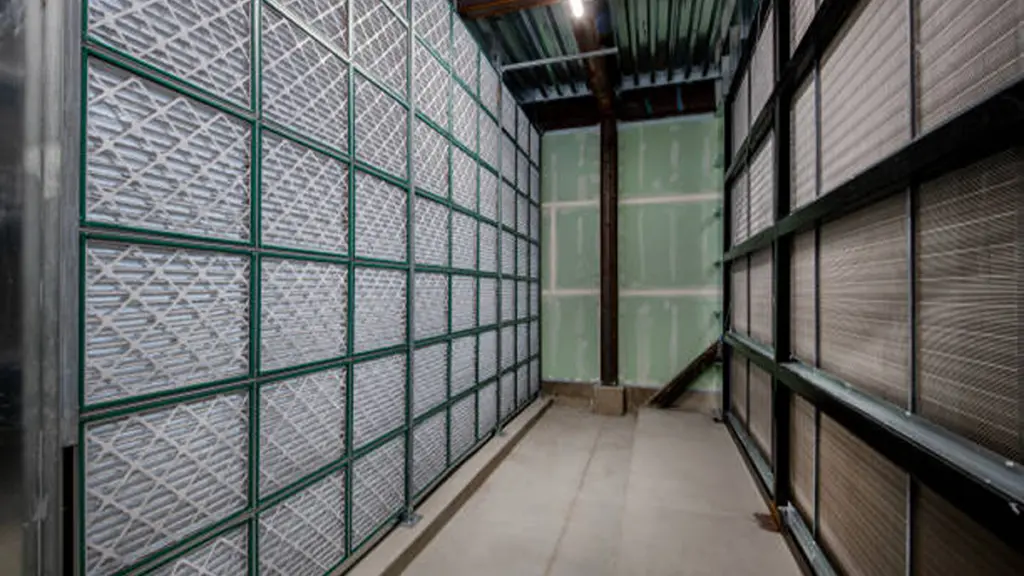
Hiệu suất bộ lọc HVAC phụ thuộc vào hiệu quả lọc, điều kiện luồng không khí, công suất hệ thống, và yêu cầu bảo trì. Đánh giá các yếu tố này giúp đảm bảo hoạt động đáng tin cậy và lọc hiệu quả về mặt chi phí.
Xác định mục tiêu ứng dụng và lọc
Mỗi hệ thống HVAC phải đối mặt với những thách thức khác nhau về chất lượng không khí. Một cơ sở sản xuất tiếp xúc nhiều với bụi đòi hỏi một chiến lược lọc khác với một tòa nhà văn phòng tập trung vào sự thoải mái trong nhà.
Trước khi chọn bộ lọc, xác định những gì hệ thống cần đạt được. Mục tiêu chính có thể là bảo vệ thiết bị, cải thiện chất lượng không khí trong nhà, hoặc hỗ trợ quá trình lọc nhiều giai đoạn.
Các yếu tố quan trọng bao gồm:
- Môi trường hoạt động: Xem xét liệu hệ thống có hoạt động trong các tòa nhà thương mại hay không, Tôicơ sở công nghiệp, khu vực sạch sẽ, hoặc môi trường có nhiều bụi.
- Chất gây ô nhiễm mục tiêu: Xác định xem mối quan tâm chính có phải là bụi thô hay không, hạt mịn, chất gây dị ứng, hoặc các chất gây ô nhiễm không khí cụ thể.
- Yêu cầu bảo trì: Đánh giá tần suất thay thế bộ lọc có thể chấp nhận được và liệu việc giảm thời gian ngừng hoạt động có phải là ưu tiên hàng đầu hay không.
Sự hiểu biết rõ ràng về ứng dụng giúp ngăn chặn việc chỉ định quá mức các bộ lọc làm tăng chi phí năng lượng mà không mang lại giá trị bổ sung.
Kết hợp hiệu quả của bộ lọc với khả năng hệ thống
Hiệu suất lọc cao hơn không phải lúc nào cũng có nghĩa là hiệu suất tốt hơn. Bộ lọc có lực cản quá mức có thể làm giảm luồng không khí, tăng khối lượng công việc của quạt, và tăng chi phí hoạt động.
Bộ lọc được chọn phải cung cấp đủ hiệu quả loại bỏ hạt trong khi vẫn giữ mức giảm áp suất trong giới hạn thiết kế của hệ thống HVAC.
| Yếu tố lựa chọn | Người mua nên cân nhắc điều gì |
|---|---|
| Đánh giá hiệu quả | Chọn MERV hoặc ISO phù hợp 16890 đánh giá dựa trên độ sạch không khí cần thiết và nhu cầu ứng dụng. |
| Giảm áp suất | Xác nhận hệ thống HVAC có thể xử lý lực cản của bộ lọc mà không làm giảm luồng khí hoặc tăng mức tiêu thụ năng lượng. |
| Khả năng giữ bụi | Bộ lọc công suất cao hơn giúp giảm tần suất thay thế và nâng cao hiệu quả bảo trì trong môi trường đòi hỏi khắt khe. |
| Cấu hình bộ lọc | Xem xét bảng điều khiển, túi, xếp nếp, hoặc thiết kế lọc nhiều giai đoạn dựa trên luồng không khí và yêu cầu lắp đặt. |
Xác nhận kích thước bộ lọc và yêu cầu cài đặt
Ngay cả bộ lọc hiệu suất cao cũng không thể hoạt động hiệu quả nếu nó không vừa vặn. Kích thước không chính xác có thể tạo ra những khoảng trống không khí xung quanh khung, cho phép không khí chưa được lọc đi qua phương tiện lọc.
Trước khi cài đặt, xác minh:
- Kích thước bộ lọc: Kiểm tra độ dài, chiều rộng, và độ sâu theo yêu cầu của thiết bị HVAC hoặc vỏ bộ lọc hiện có.
- Khả năng tương thích khung: Đảm bảo bộ lọc vừa khít, không có khe hở làm giảm hiệu suất lọc.
- Thiết kế hệ thống: Xác nhận loại bộ lọc phù hợp với hướng gió và vị trí lắp đặt thiết bị.
Đối với hệ thống HVAC công nghiệp, Việc bịt kín thích hợp đặc biệt quan trọng vì không khí đi qua có thể làm giảm hiệu quả lọc tổng thể và ảnh hưởng đến việc bảo vệ thiết bị phía sau.
Cân bằng hiệu suất, Chi phí năng lượng, và cuộc sống phục vụ
Bộ lọc HVAC phù hợp sẽ cung cấp khả năng lọc đáng tin cậy mà không tạo ra chi phí vận hành không cần thiết. Bộ lọc có chi phí thấp nhất không phải lúc nào cũng là lựa chọn kinh tế nhất khi xem xét tần suất thay thế và mức tiêu thụ năng lượng.
Người quản lý cơ sở nên đánh giá toàn bộ chu trình vận hành, bao gồm:
- Chi phí ban đầu: Giá mua bộ lọc.
- Tần suất thay thế: Bộ lọc có thể hoạt động trong bao lâu trước khi đạt đến giới hạn áp suất.
- Tác động năng lượng: Cần thêm công suất quạt khi sức cản của luồng khí tăng.
Đối với nhiều ứng dụng thương mại và công nghiệp, bộ lọc với vùng phương tiện lớn hơn, chẳng hạn như bộ lọc bỏ túi hoặc thiết kế có nếp gấp sâu, có thể mang lại tuổi thọ dài hơn trong khi vẫn duy trì hiệu suất luồng khí ổn định.
Giải pháp bộ lọc HVAC thoáng mát cho các ứng dụng công nghiệp
Hệ thống HVAC công nghiệp cần bộ lọc cân bằng độ sạch của không khí, hiệu suất luồng không khí, và chi phí vận hành. Airy cung cấp các giải pháp lọc đáng tin cậy cho các yêu cầu hệ thống và môi trường công nghiệp khác nhau.
Giải pháp sản phẩm bộ lọc HVAC công nghiệp
Airy cung cấp nhiều loại bộ lọc HVAC, bao gồm Bộ lọc bảng điều khiển, bộ lọc xếp li, bộ lọc bỏ túi, Bộ lọc V-Bank, và bộ lọc HEPA. Các sản phẩm này có thể được sử dụng ở các giai đoạn lọc khác nhau để bảo vệ thiết bị, cải thiện chất lượng không khí, và duy trì hiệu suất luồng không khí ổn định.
| Yêu cầu ứng dụng | Giải pháp lọc phù hợp |
|---|---|
| Lọc trước và bảo vệ thiết bị | Bộ lọc dạng bảng và xếp nếp thu giữ các hạt lớn hơn và bảo vệ các giai đoạn lọc tiếp theo. |
| Kiểm soát bụi công nghiệp | Bộ lọc bỏ túi cung cấp khả năng giữ bụi cao hơn cho các hệ thống hoạt động liên tục và tải hạt nặng. |
| Yêu cầu về độ sạch cao | Bộ lọc V-bank và HEPA hỗ trợ các ứng dụng yêu cầu hiệu quả lọc cao hơn. |
Giải pháp lọc tùy chỉnh cho nhu cầu công nghiệp
Các cơ sở khác nhau có tốc độ luồng không khí khác nhau, không gian lắp đặt, và mục tiêu lọc. Airy hỗ trợ các giải pháp lọc tùy chỉnh, bao gồm các kích cỡ khác nhau, vật liệu khung, tùy chọn phương tiện, và cấu hình để đáp ứng các yêu cầu HVAC cụ thể.
Bằng cách kết hợp thiết kế bộ lọc phù hợp với kiến thức ứng dụng, Airy giúp khách hàng công nghiệp duy trì hoạt động HVAC hiệu quả, giảm tần suất bảo trì, và đạt được hiệu suất chất lượng không khí nhất quán.
suy nghĩ cuối cùng
Các loại bộ lọc HVAC đóng vai trò quan trọng trong việc duy trì chất lượng không khí, thiết bị bảo vệ, và kiểm soát chi phí hoạt động dài hạn. Việc kết hợp thiết kế bộ lọc phù hợp với yêu cầu hệ thống giúp các cơ sở công nghiệp đạt được hiệu suất ổn định và giảm thiểu việc bảo trì không cần thiết.
Bộ lọc thoáng mát cung cấp giải pháp lọc HVAC công nghiệp đáng tin cậy, bao gồm các tùy chọn tùy chỉnh cho các ứng dụng và điều kiện hoạt động khác nhau. Liên hệ với Airy để thảo luận về yêu cầu lọc của bạn, đánh giá các giải pháp phù hợp, và khám phá các lựa chọn cho dự án HVAC tiếp theo của bạn.
Câu hỏi thường gặp
Các loại bộ lọc HVAC khác nhau là gì?
Bộ lọc HVAC phổ biến bao gồm sợi thủy tinh, xếp nếp, tĩnh điện, và các loại có thể giặt được. Bộ lọc sợi thủy tinh là cơ bản nhất và ít tốn kém nhất, trong khi các bộ lọc xếp nếp mang lại sự cân bằng tốt hơn trong việc thu giữ hạt và luồng không khí cho hầu hết các ngôi nhà. Các tùy chọn nâng cao hơn bao gồm HEPA để lọc hiệu quả cao, than hoạt tính để kiểm soát mùi, và hệ thống tia cực tím để vô hiệu hóa vi khuẩn.
Bao lâu nên thay thế bộ lọc HVAC?
Đối với hệ thống nhà ở, bộ lọc 1 inch tiêu chuẩn thường cần thay thế mỗi 30 ĐẾN 90 ngày. Nếu bạn có vật nuôi hoặc dị ứng, bạn có thể cần thay đổi chúng thường xuyên hơn, xung quanh mỗi 30 ĐẾN 60 ngày. Bộ lọc phương tiện dày hơn (3-5 inch) có tuổi thọ dài hơn, thường kéo dài 6 ĐẾN 12 tháng.
Bộ lọc xếp nếp có tốt hơn bộ lọc bảng không?
Đúng, trong hầu hết các trường hợp, bộ lọc xếp nếp tốt hơn bộ lọc tấm phẳng. Thiết kế dạng gập của chúng mang lại diện tích bề mặt lớn hơn để bẫy nhiều hạt mịn hơn như bụi, phấn hoa, và lông thú cưng. Mặc dù bộ lọc bảng điều khiển có giá trả trước rẻ hơn, bộ lọc xếp nếp mang lại chất lượng không khí vượt trội, tồn tại lâu hơn, và cung cấp sự bảo vệ tốt hơn cho hệ thống HVAC của bạn.
Sự khác biệt giữa bộ lọc bảng và bộ lọc túi?
Bộ lọc bảng điều khiển mỏng, phẳng, hoặc các bộ lọc xếp nếp được sử dụng cho quá trình lọc sơ bộ cơ bản để lọc các hạt bụi lớn có khả năng cản luồng khí thấp. Bộ lọc bỏ túi có nhiều túi sâu tạo ra diện tích bề mặt lớn hơn nhiều. Thiết kế này giúp chúng có khả năng giữ bụi cao hơn và tuổi thọ dài hơn, làm cho chúng trở nên lý tưởng cho việc lọc chính trong các tòa nhà thương mại.
Bộ lọc HVAC nào tốt nhất cho tòa nhà thương mại?
Sự lựa chọn tốt nhất cho tòa nhà thương mại là cấu hình tối ưu thay vì một loại bộ lọc duy nhất. Hầu hết các văn phòng đều sử dụng bộ lọc túi hoặc xếp nếp MERV 8–11. Các khu vực có công suất sử dụng cao hơn hoặc độ nhạy cảm với chất lượng không khí cao hơn, như trường học hoặc bệnh viện, thường được hưởng lợi từ bộ lọc MERV 11–13. Thiết lập lý tưởng cân bằng hiệu quả lọc, sử dụng năng lượng, và nhu cầu của người ở, thường sử dụng hệ thống nhiều giai đoạn với bộ lọc sơ bộ.