>

ブログ

>

HVAC Filter Types Explained: パネル, ポケット, Pleated and Pre Filters

HVAC Filter Types Explained: パネル, ポケット, Pleated and Pre Filters

目次

Incorrect HVAC filter selection can lead to higher energy consumption, frequent maintenance, and reduced system performance. Different HVAC filter types, including panel filters, ポケットフィルター, プリーツフィルター, and pre filters, create different levels of filtration efficiency and airflow resistance. Understanding these differences is essential for maintaining reliable HVAC operation in industrial and commercial environments.

This article helps HVAC engineers, facility managers, and industrial buyers compare filter structures, performance characteristics, and application requirements. It provides practical guidance for balancing air quality goals, 圧力降下, service life, and operating costs when choosing the right filtration solution.

Understanding HVAC Filtration Systems

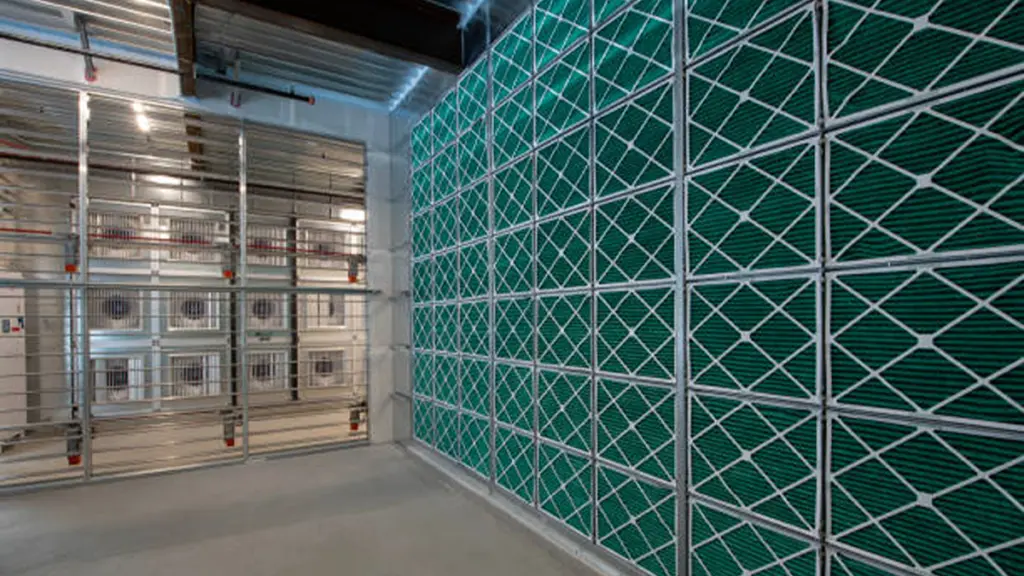
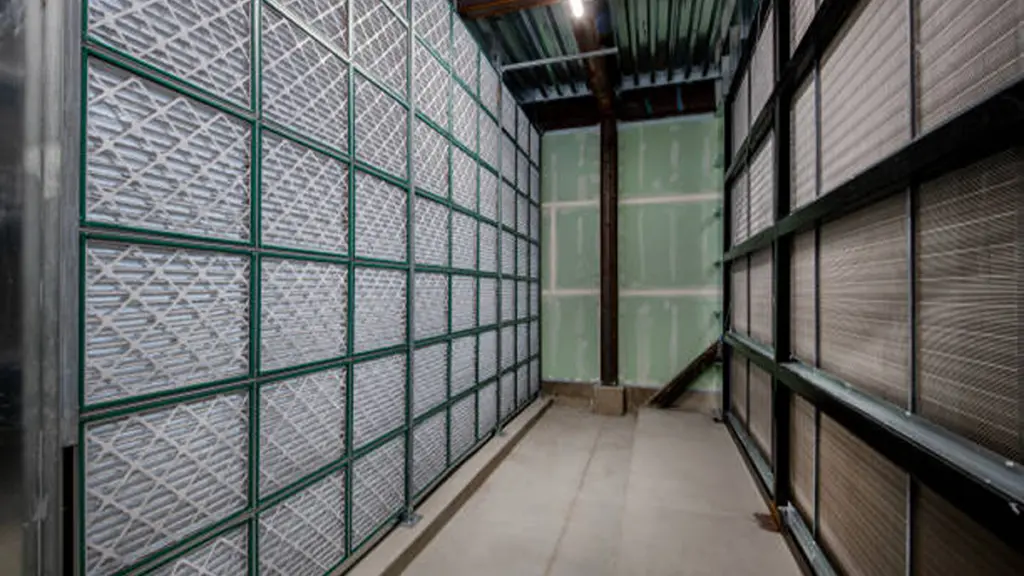
Wall of Air Filters for HVAC System

HVAC filtration balances air quality goals against system performance, using different filter types and ratings like MERV to capture specific contaminants without overloading the fan.

Core Filtration Mechanisms

All HVAC filtration works by forcing air through a medium that captures airborne particles. The most common method is mechanical capture, where a fibrous material physically traps dust, 花粉, and other debris based on size. Some filters enhance this process with an electrostatic charge, creating an attraction that pulls even very small particles out of the air. For non-particulate contaminants, activated carbon filters use a process called adsorption to trap odors, ガス, および揮発性有機化合物 (Vocs) on their porous surface.

Common Types of HVAC Filters

Different applications call for different filter constructions. Choosing the right one depends on your air quality targets and what your system can handle.

  • Fiberglass and Pleated Filters: These are the standard for most residential and light commercial buildings. They are effective at capturing larger particles like common dust and lint.
  • Bag and Cartridge Filters: Used in larger commercial systems, these filters offer significantly more surface area. This provides a higher dust-holding capacity and extends service life in high-airflow environments.
  • HEPAフィルター: 高効率粒子状空気 (ヘパ) filters are reserved for critical environments like hospitals and cleanrooms. They are certified to remove at least 99.97% of particles that are 0.3 ミクロンサイズ, but create substantial airflow resistance.
  • アクティブ化されたカーボンフィルター: These filters are designed specifically for gaseous contaminants. They are used to control odors and VOCs and are often paired with a particulate filter for comprehensive air cleaning.

Filter Ratings and Performance Standards

Performance is not subjective; it’s measured by industry-wide standards that help facility managers and technicians select the right product.

  • merv (最小効率報告値): This is the primary rating system, からの範囲 1 に 16. It grades a filter’s ability to capture particles of decreasing size.
  • Efficiency vs. 抵抗: A higher MERV rating means the filter captures smaller particles more effectively. This increased efficiency comes at the cost of higher airflow resistance (static pressure), which can strain the HVAC fan.
  • HEPA Standard: HEPA is a specific efficiency certification, not a MERV rating. It sits above the MERV 1-16 scale and is only used for applications demanding near-sterile air.
  • UL Fire Ratings: In many commercial buildings, fire codes mandate filters with a UL Class I or II rating, which relates to the filter’s resistance to flammability.

Key Selection and Maintenance Factors

Selecting and maintaining filters correctly is critical for both air quality and equipment longevity. Missteps here can reduce performance and increase operating costs.

  • Match Efficiency to Your Goal: Don’t just buy the highest MERV rating. Select a filter efficient enough to capture your target contaminants without unnecessarily restricting airflow.
  • Check the Static Pressure Drop: 高効率フィルターを取り付ける前に, confirm the system’s fan can handle the added resistance. Overloading the fan reduces airflow, hurts performance, and increases energy bills.
  • Ensure a Proper Fit: The filter must fit snugly in its housing. Gaps around the frame allowbypass air,” letting unfiltered contaminants flow right past the filter media and rendering it ineffective.
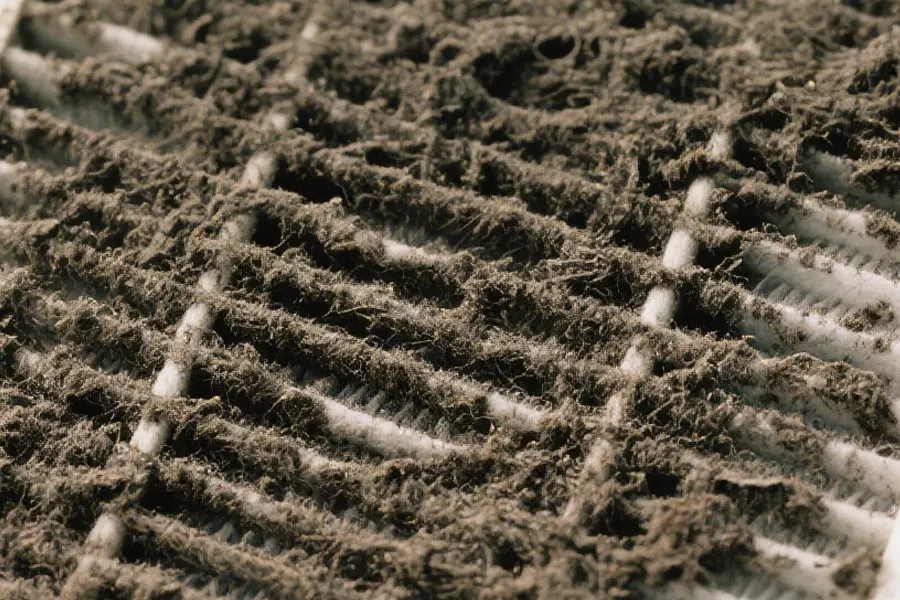
  • Replace Based on Pressure, Not Just the Calendar: The best practice is to replace filters when the pressure drop across them reaches the manufacturer’s recommended limit. A fixed schedule can lead to changing filters too early (wasting money) or too late (damaging equipment).

パネルフィルター: Features, Applications and Benefits

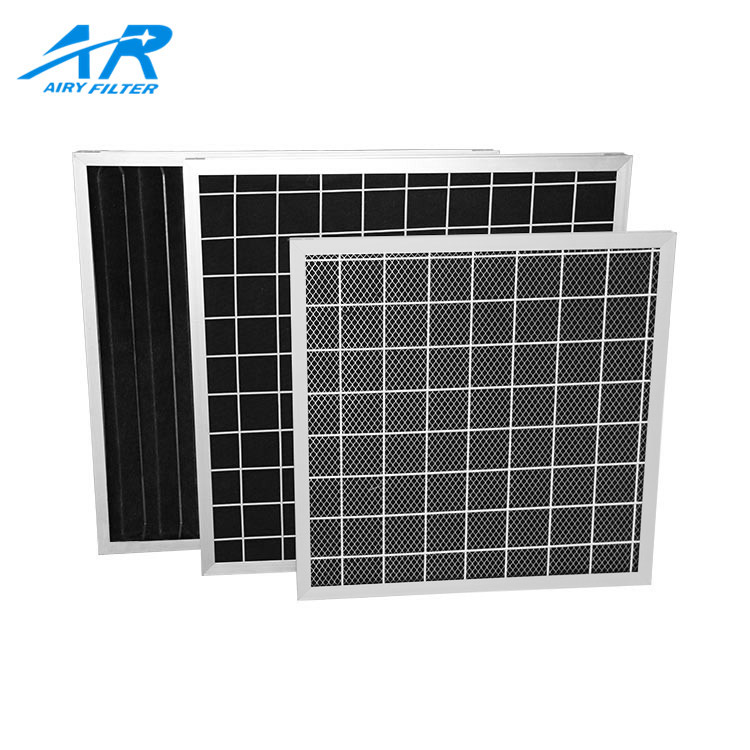
活性炭パネルフィルター (4)

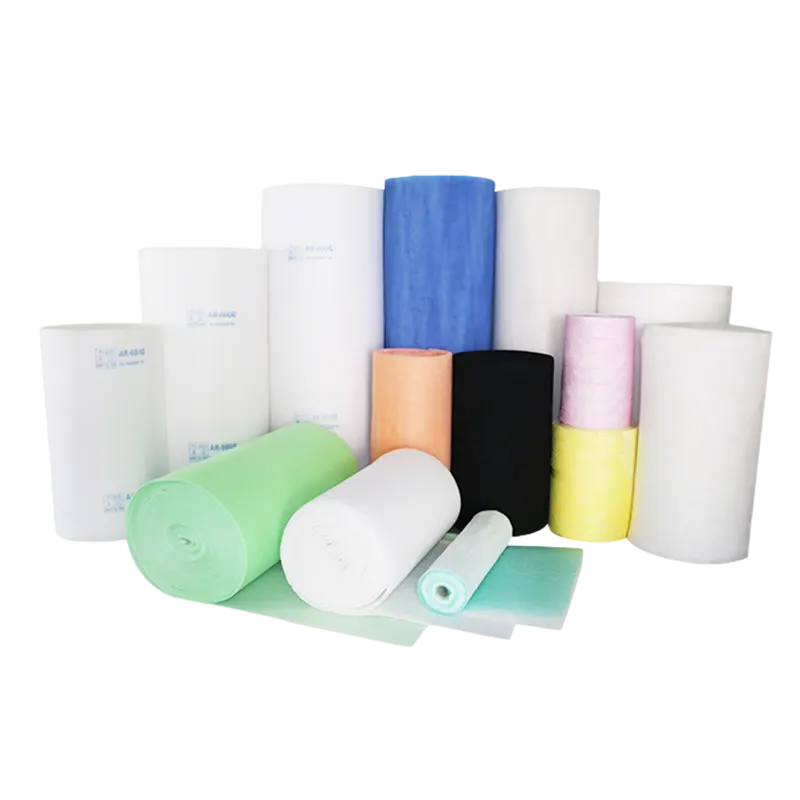
Panel filters are HVAC workhorses, acting as primary or pre-filters. They capture coarse dust to protect expensive downstream filters and maintain system efficiency and airflow.

Core Features and Construction

パネルフィルター are built with specific design features that define their role in an HVAC system. The construction directly impacts their performance, 寿命, and suitability for different environments.

  • Standard Design: They are engineered as flat or pleated rectangular panels, sized to fit directly into standard HVAC filter housings and air handling unit (AHU) tracks without modification.
  • Pleated Media: Most modern panel filters use a pleated design. Folding the media increases the total filter surface area, which boosts its dust-holding capacity and extends the time between replacements.
  • フィルターメディア: Basic filters use fiberglass for low-cost, 粗ろ過. Higher-performance versions use progressively structured synthetic fibers that capture more particles with lower air resistance.
  • Frame Construction: Frames are available in several materials to match operating conditions, including moisture-resistant cardboard for disposable filters, lightweight plastic, and durable metal for high-humidity or high-temperature environments.

Primary Applications in HVAC Systems

Panel filters are not designed for every filtration job. Their primary function is to act as the first line of defense in a multi-stage filtration system or as the sole filter in less demanding applications.

  • Prefiltration: Their main role is to serve as a primary or pre-filter, capturing coarse particles like dust, 糸くず, and fibers, typically in the 1–50 µm range.
  • Downstream Protection: They shield more expensive downstream filters, such as pocket or HEPA filters, from becoming clogged with large debris. This protection significantly reduces the replacement frequency of the costlier final filters.
  • Versatile Installation: These filters are installed across a wide range of settings, from residential furnaces and commercial AHUs to large-scale industrial ventilation systems.
  • Hardware Safeguarding: By trapping abrasive dust, panel filters protect critical HVAC components like cooling coils and fans from fouling, which helps maintain system efficiency and prevents mechanical wear.

Key Benefits for Performance and Air Quality

Using the right panel filter provides measurable benefits related to air quality, operational costs, and energy efficiency. These advantages make them a fundamental component of a well-designed HVAC strategy.

  • Air Quality Improvement: Panel filters improve indoor air quality by removing large airborne contaminants. Higher-efficiency pleated models can also capture a significant portion of allergens like pollen and dust mites.
  • Operational Cost Reduction: By extending the service life of expensive final filters and reducing the need for frequent HVAC component cleaning, they lower overall maintenance and operational spending.
  • Energy Savings: Well-designed pleated panel filters maintain low airflow resistance even as they load with dust. This lessens the strain on HVAC fans, leading to reduced energy consumption.
  • Lifecycle Value: They offer a cost-effective filtration solution. The combination of a low initial purchase price and the cost savings generated in a multi-stage system provides strong lifecycle value.

Get Custom-Engineered Filters, Delivered Fast.

We solve complex industrial challenges with certified, low-MOQ filter media that scales from rapid prototypes to full production. Partner with us to reduce operational costs and ensure your project meets strict regulatory demands.

Explore Our Filter Media →

CTA画像

ポケットフィルター: High Efficiency Filtration for HVAC Systems

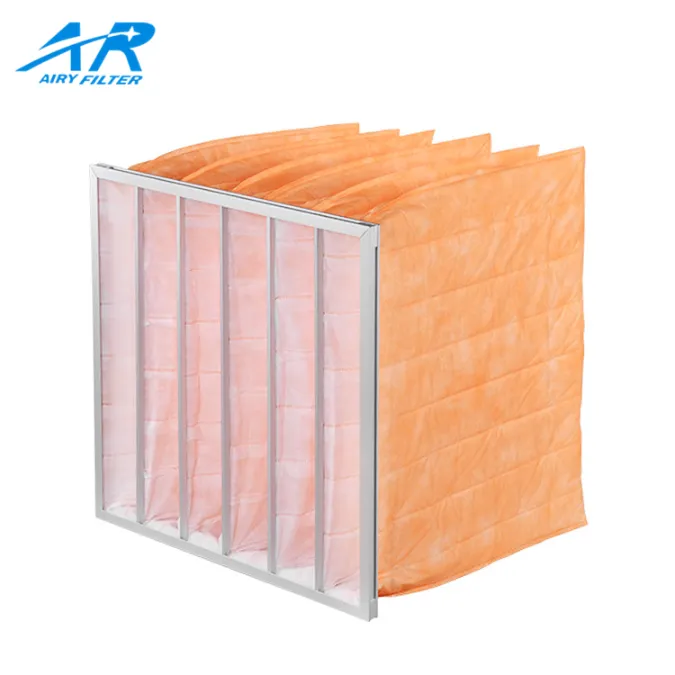
F5ポケットフィルター

Pocket filters provide reliable air filtration for industrial HVAC systems, offering a balance between particle capture efficiency, service life, そしてエアフロー性能.

Construction and Working Principle

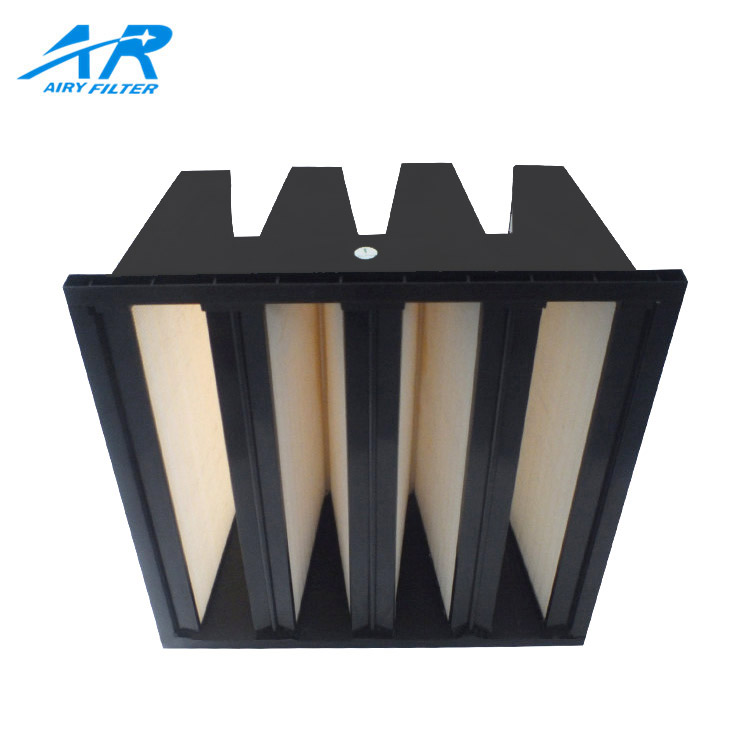
ポケットフィルター use multiple deep pockets made from synthetic fiber or fiberglass media to increase filtration area. This structure allows the filter to capture more airborne particles while maintaining stable airflow performance.

As air passes through the filter, contaminants are trapped inside the fiber layers. The larger media area improves dust distribution and helps extend filter service life.

Key design features include:

  • フィルターメディア: Synthetic or fiberglass materials for different efficiency requirements.
  • Pocket Structure: Deep pockets provide higher dust-holding capacity.
  • Frame Construction: Rigid frames ensure proper sealing and reliable AHU installation.

Efficiency Ratings and Performance

Pocket filters are commonly evaluated using standards such as merv そして ISO 16890. In many commercial and industrial applications, pocket filters typically fall within the MERV 8–15 range, ISO中 16890 classifications measure efficiency against different particle sizes, including ePM10, ePM2.5, and ePM1.

Performance Factor Pocket Filter Advantage
粉塵保持能力 Large filtration area allows longer service life before replacement.
Airflow Performance Deep-pocket structure helps maintain stable airflow with controlled resistance.
Application Flexibility Suitable for commercial HVAC, industrial facilities, and multi-stage filtration systems.

Applications in HVAC Systems

Pocket filters are commonly installed as secondary filters or final filtration stages in HVAC systems that require improved air cleanliness. They are widely used in:

  • Industrial Facilities: Manufacturing plants, warehouses, and production environments with high dust loads.
  • 商業ビル: Offices, 学校, and large air handling systems requiring reliable indoor air quality control.
  • Sensitive Applications: 医療施設, 研究所, and cleanroom environments where pocket filters help protect downstream HEPA filters.

For industrial applications, pocket filters are often combined with pre filters to create a multi-stage filtration system. The pre filter captures larger particles first, while the pocket filter removes finer contaminants and helps improve overall system efficiency.

Pleated and Pre Filters: When to Use Each Type

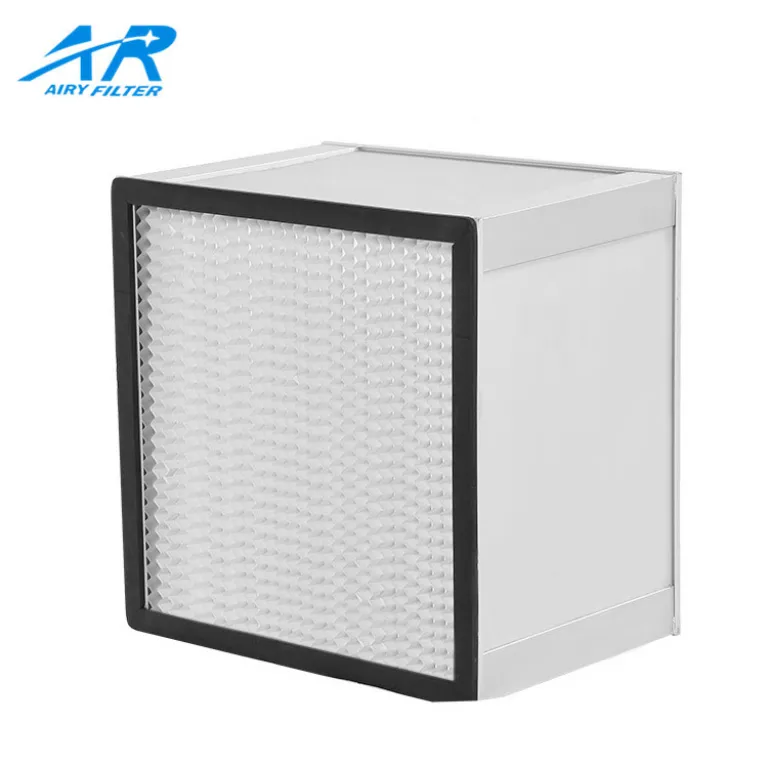
プリーツヘパフィルター

Pre filters and pleated filters serve different roles in HVAC systems, with one focusing on equipment protection and the other improving particle removal efficiency for cleaner air.

Pre Filters: Protecting Downstream Filtration Systems

Pre filters are designed to capture larger airborne contaminants before air reaches finer filtration stages. By removing dust, 繊維, and debris at the beginning of the filtration process, they reduce the loading pressure on more expensive filters and help maintain stable HVAC performance.

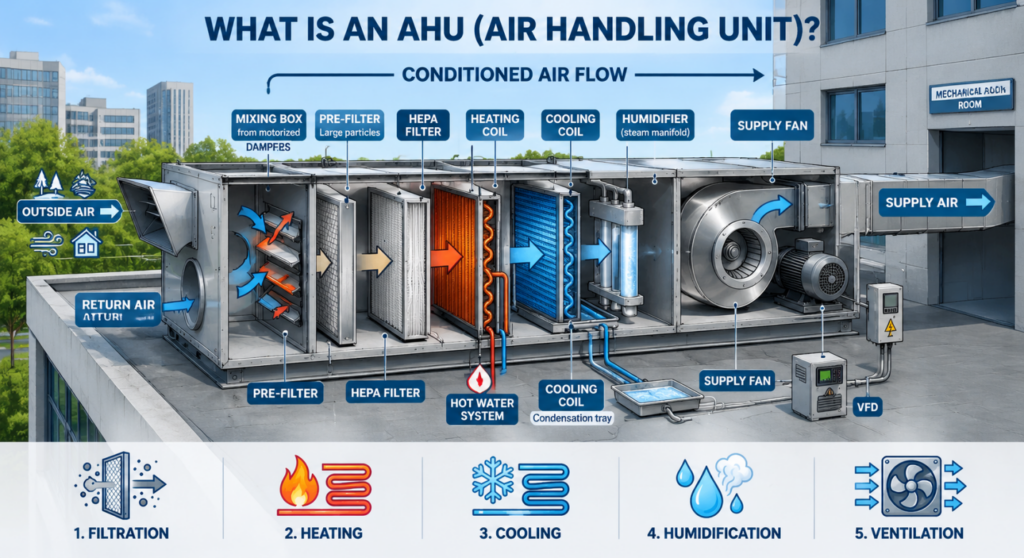
In industrial HVAC systems, pre filters are often used as the first filtration stage because they improve the overall efficiency of multi-stage systems. They protect components such as coils, fans, and high-efficiency filters from excessive dust accumulation.

Common reasons to install pre filters include:

  • High Dust Environments: 産業施設, warehouses, and outdoor air intake systems with heavy particle loads.
  • Equipment Protection: Applications where preventing coil fouling and extending downstream filter life are key priorities.
  • Multi-Stage Filtration: HVAC systems that combine pre filters with pocket filters or HEPA filters for higher air cleanliness.

プリーツフィルター: Improving Air Quality with Higher Efficiency

プリーツフィルター use folded filter media to increase filtration surface area within a compact frame. This design allows them to capture finer particles while maintaining reasonable airflow performance.

Compared with basic flat filters, pleated filters provide improved particle capture and are commonly used as the main filtration stage in commercial HVAC systems. They are suitable when the primary goal is improving indoor air quality rather than only protecting equipment.

Typical applications include:

  • 商業ビル: Offices, 学校, and public facilities requiring better indoor air quality.
  • Light Industrial Applications: Areas where moderate dust control and cleaner air are required.
  • Single-Stage HVAC Systems: Systems where one filter must provide both particle capture and basic equipment protection.

Pre Filters vs Pleated Filters: 主な違い

The best choice depends on whether the priority is protecting HVAC equipment or improving air cleanliness.

Evaluation Area Pre Filters プリーツフィルター
Main Purpose Protect downstream filters and HVAC components from large particles. Improve air quality by capturing smaller airborne particles.
代表的な用途 Industrial ventilation, ああ, and systems with multiple filtration stages. Commercial HVAC systems and applications requiring improved IAQ.
Primary Benefit Extends the service life of higher-efficiency filters and reduces maintenance costs. Provides better particle capture performance within a compact filter design.


For many industrial HVAC applications, pre filters and pleated filters work together rather than replacing each other. A pre filter handles larger contaminants first, while a pleated or higher-efficiency filter provides additional protection for cleaner air output.

How to Select the Right HVAC Filter for Your Application

Wall of Air Filters HVAC System

HVAC filter performance depends on filtration efficiency, airflow conditions, system capacity, and maintenance requirements. Evaluating these factors helps ensure reliable operation and cost-effective filtration.

Define the Application and Filtration Goal

Every HVAC system faces different air quality challenges. A manufacturing facility with heavy dust exposure requires a different filtration strategy from an office building focused on indoor comfort.

Before selecting a filter, identify what the system needs to achieve. The main goal may be protecting equipment, improving indoor air quality, or supporting a multi-stage filtration process.

Important factors include:

  • Operating Environment: Consider whether the system operates in commercial buildings, 私ndustrial facilities, clean areas, or high-dust environments.
  • 対象となる汚染物質: Identify whether the main concern is coarse dust, 微粒子, アレルゲン, or specific airborne pollutants.
  • Maintenance Requirements: Evaluate how often filter replacement is acceptable and whether reducing downtime is a priority.

A clear understanding of the application helps prevent over-specifying filters that increase energy costs without providing additional value.

Match Filter Efficiency with System Capability

Higher filtration efficiency does not always mean better performance. A filter with excessive resistance can reduce airflow, increase fan workload, and raise operating costs.

The selected filter should provide enough particle removal efficiency while keeping pressure drop within the HVAC system’s design limits.

Selection Factor What Buyers Should Consider
Efficiency Rating Choose a suitable MERV or ISO 16890 rating based on required air cleanliness and application needs.
圧力降下 Confirm the HVAC system can handle the filter resistance without reducing airflow or increasing energy consumption.
粉塵保持能力 Higher capacity filters reduce replacement frequency and improve maintenance efficiency in demanding environments.
Filter Configuration Consider panel, pocket, プリーツ, or multi-stage filtration designs based on airflow and installation requirements.

Confirm Filter Size and Installation Requirements

Even a high-performance filter cannot work effectively if it does not fit correctly. Incorrect dimensions can create air gaps around the frame, allowing unfiltered air to bypass the filter media.

Before installation, verify:

  • Filter Dimensions: Check the length, 幅, and depth required by the HVAC unit or existing filter housing.
  • Frame Compatibility: Ensure the filter fits securely without gaps that reduce filtration performance.
  • System Design: Confirm the filter type matches the airflow direction and installation position of the equipment.

For industrial HVAC systems, proper sealing is especially important because bypass air can reduce overall filtration efficiency and affect downstream equipment protection.

Balance Performance, Energy Cost, and Service Life

A suitable HVAC filter should provide reliable filtration without creating unnecessary operating expenses. The lowest-cost filter is not always the most economical option when replacement frequency and energy consumption are considered.

Facility managers should evaluate the complete operating cycle, 含む:

  • 初期コスト: The purchase price of the filter.
  • 交換頻度: How long the filter can operate before reaching its pressure limit.
  • Energy Impact: Additional fan power required when airflow resistance increases.

For many commercial and industrial applications, filters with larger media areas, such as pocket filters or deep-pleat designs, can provide longer service life while maintaining stable airflow performance.

Airy HVAC Filter Solutions for Industrial Applications

Industrial HVAC systems need filters that balance air cleanliness, エアフローパフォーマンス, and operating costs. Airy provides reliable filtration solutions for different industrial environments and system requirements.

Industrial HVAC Filter Product Solutions

Airy supplies a wide range of HVAC filters, 含む パネルフィルター, プリーツフィルター, ポケットフィルター, Vバンクフィルター, およびHEPAフィルター. These products can be used in different filtration stages to protect equipment, 空気の質を改善する, and maintain stable airflow performance.

Application Requirement Suitable Filter Solutions
Pre-filtration and Equipment Protection Panel and pleated filters capture larger particles and protect downstream filtration stages.
Industrial Dust Control Pocket filters provide higher dust-holding capacity for systems with continuous operation and heavy particle loads.
High Cleanliness Requirements V-bank and HEPA filters support applications requiring higher filtration efficiency.

Customized Filtration Solutions for Industrial Needs

Different facilities have different airflow rates, installation spaces, and filtration targets. Airy supports customized filter solutions, including different sizes, フレーム材料, media options, and configurations to meet specific HVAC requirements.

By combining suitable filter design with application knowledge, Airy helps industrial customers maintain efficient HVAC operation, reduce maintenance frequency, and achieve consistent air quality performance.

最終的な考え

HVAC filter types play an important role in maintaining air quality, protecting equipment, and controlling long-term operating costs. Matching the right filter design with system requirements helps industrial facilities achieve stable performance and reduce unnecessary maintenance.

風通しの良いフィルター provides reliable industrial HVAC filter solutions, including customized options for different applications and operating conditions. Contact Airy to discuss your filtration requirements, evaluate suitable solutions, and explore options for your next HVAC project.

よくある質問

What are the different types of HVAC filters?

Common HVAC filters include fiberglass, プリーツ, 静電気, and washable types. Fiberglass filters are the most basic and least expensive, while pleated filters provide a better balance of particle capture and airflow for most homes. More advanced options include HEPA for high-efficiency filtration, activated carbon for odor control, and UV systems for inactivating microbes.

How often should HVAC filters be replaced?

For residential systems, standard 1-inch filters typically need replacement every 30 に 90 日. If you have pets or allergies, you may need to change them more frequently, around every 30 に 60 日. Thicker media filters (3-5 インチ) have a longer lifespan, usually lasting 6 に 12 月.

Are pleated filters better than panel filters?

はい, in most cases, pleated filters are better than flat panel filters. Their folded design provides a larger surface area to trap more fine particles like dust, 花粉, そしてペットの子供たち. While panel filters are cheaper upfront, pleated filters offer superior air quality, last longer, and provide better protection for your HVAC system.

What is the difference between panel and pocket filters?

Panel filters are thin, flat, or pleated filters used for basic prefiltration to catch large dust particles with low airflow resistance. Pocket filters feature multiple deep bags that create a much larger surface area. This design gives them a higher dust-holding capacity and a longer service life, making them ideal for main filtration in commercial buildings.

Which HVAC filter is best for commercial buildings?

The best choice for a commercial building is an optimal configuration rather than a single filter type. Most offices use MERV 8–11 pleated or bag filters. Areas with higher occupancy or air quality sensitivity, like schools or clinics, often benefit from MERV 11–13 filters. The ideal setup balances filtration efficiency, energy use, and occupant needs, often using a multi-stage system with prefilters.

シルビア

創設者 & 産業用濾過ストラテジスト

エアリーフィルターを創業しました 2009, 持ってくる 14+ 産業用空気ろ過およびクリーンルーム ソリューションにおける長年の経験. 塗装ブース向けの高性能システムの提供を専門としています。, 製造, および管理された環境.

BYDなどの大手クライアントをサポートしてきました。, 吉利, いすゞ, CRRC, 美的, と白雲山製薬, 地下鉄システムにまたがるプロジェクト, クリーンルーム, 国際インフラと, 発電所やグローバルサプライチェーンを含む.

実証済みのプロジェクト経験を持つ信頼できる濾過パートナーをお探しの場合, お気軽にお問い合わせください - 私のチームと私があなたのニーズをサポートする準備ができています.

連絡してください

*私たちはあなたの機密性を尊重し、すべての情報が保護されています.

人気のブログ

It seems we can't find what you're looking for.

whatsapp
×

今すぐカスタムエアフィルターの見積もりを入手してください!

産業用グレードのろ過または迅速なレトロフィットソリューションが必要かどうか, 操作を最適化するために、精密設計フィルターを提供します.

お問い合わせ

*私たちはあなたの機密性を尊重し、すべての情報が保護されています.