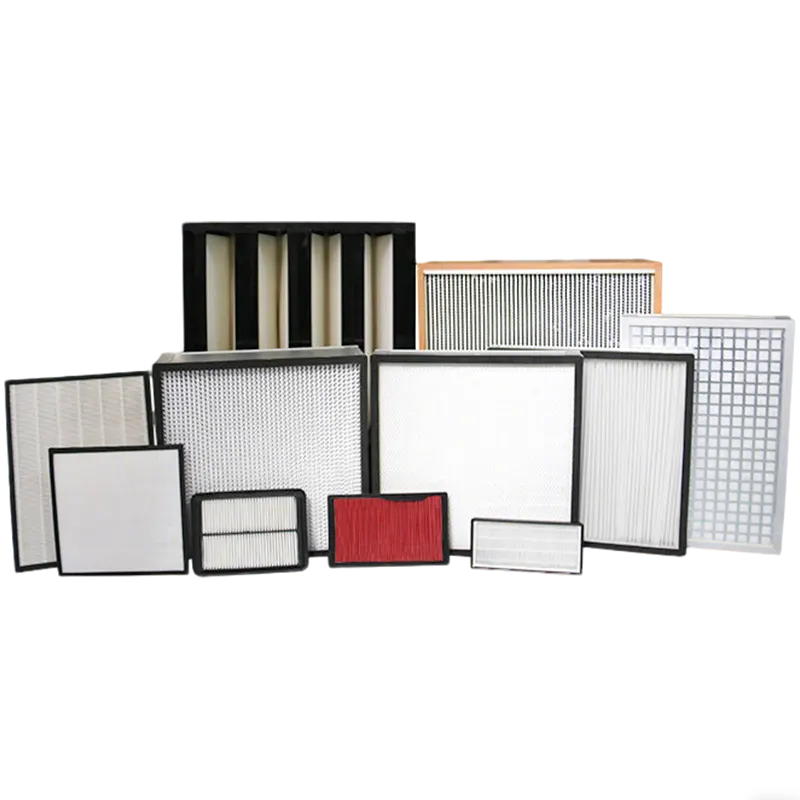
Una cabina de pintura puede llevar varias posiciones de filtración., Y el conjunto exacto depende del diseño del stand.. El dibujo del comprador muestra una apertura.; el catálogo del proveedor muestra medios. Entre esos dos documentos, Se deciden los tamaños de los filtros de las cabinas de pintura, y un desajuste surge meses después como aire de derivación, medios revoloteando, o un panel que no se asiente.
Esta guía está escrita para pedidos de filtros OEM.: los dibujos, dimensiones, y pasos de aceptación que convierten los tamaños de los filtros de las cabinas de pintura en algo producible., especificación inspeccionable. Medir una rejilla de techo para un solo reemplazo es un trabajo diferente, y nuestro guía de selección de filtros de techo ya lo cubre. Aquí, la unidad de trabajo es la hoja de pedido.
Conclusiones clave
- Las posiciones provienen del dibujo.: la categoría Airy enumera la prefiltración de admisión, medios superiores, parada de pintura del piso, y productos de bolsillo, pero las construcciones difieren.
- Tamaños por formato: los filtros enmarcados necesitan apertura, marco exterior, y profundidad; los rollos necesitan área, ancho, longitud, espesor, y subsidio.
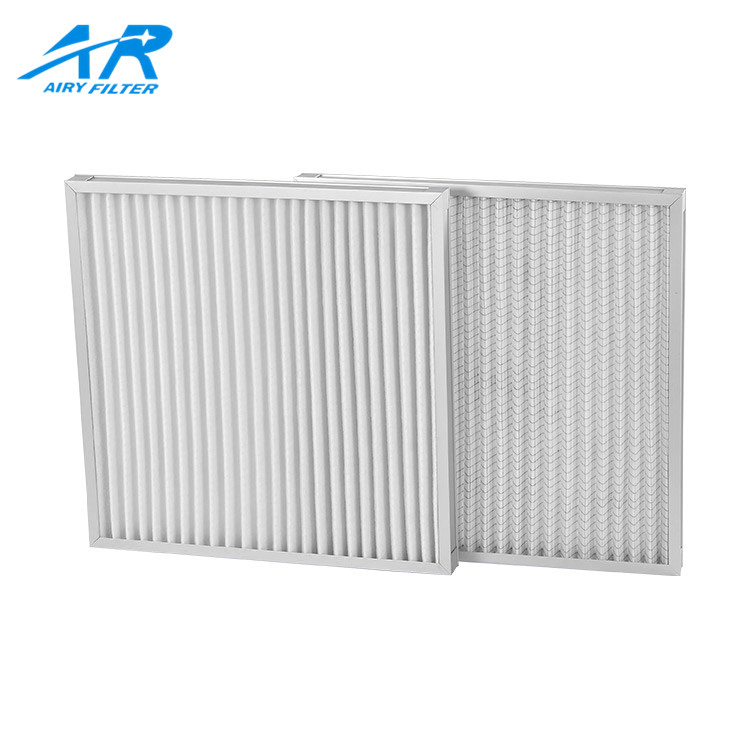
- Referencia de panel plisado: La serie AR-ZK de Airy enumera 595×595×46, 595×495×46, 595×295×46 y 495×495×46 mm.
- Ejemplo de bolsillo: la página de bolsillo no tejido AR-WD enumera 595 × 595 × 600 mm con 8 o 6 bolsillos; Las huellas más estrechas varían según el modelo..
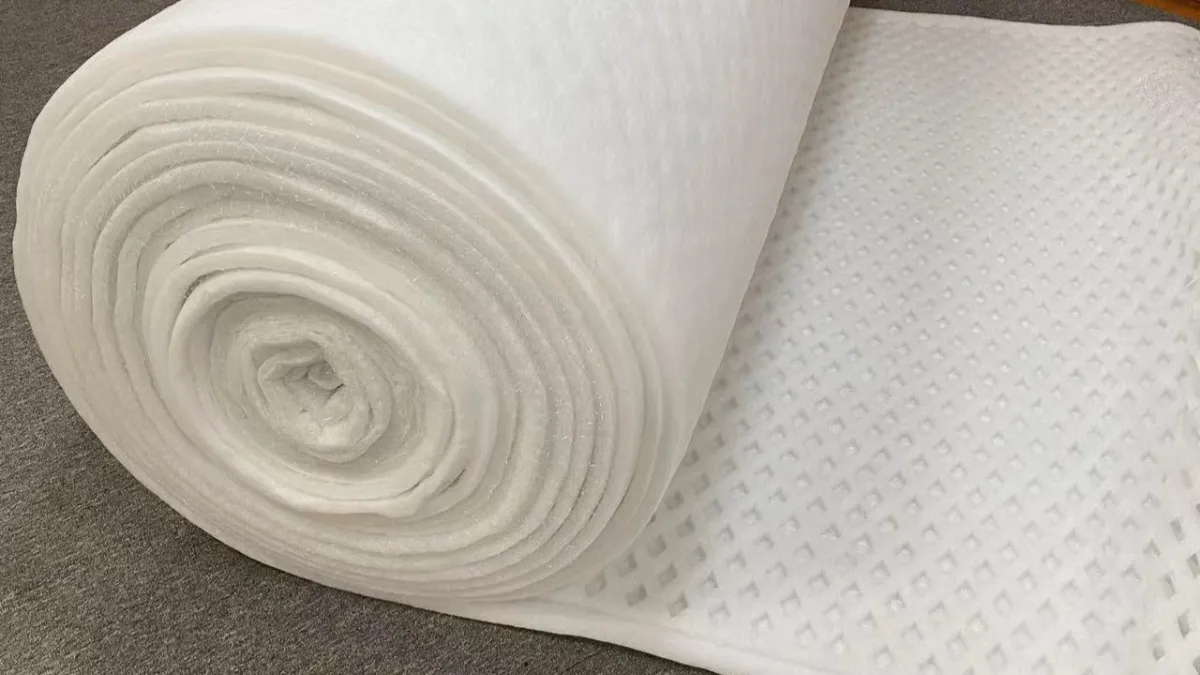
- Referencia de rollo: medios de parada de pintura en 0.8, 1.0 y 2.0 m anchos, cada 20 m de largo.
- Cadena de aceptación: dibujo acotado, prototipo aprobado, muestra retenida, y lotes a granel coincidentes.
Qué filtro de cabina y punto de instalación se especifican?
Cada línea de pedido nombra un punto de instalación. Un tamaño sin posición no es una especificación.
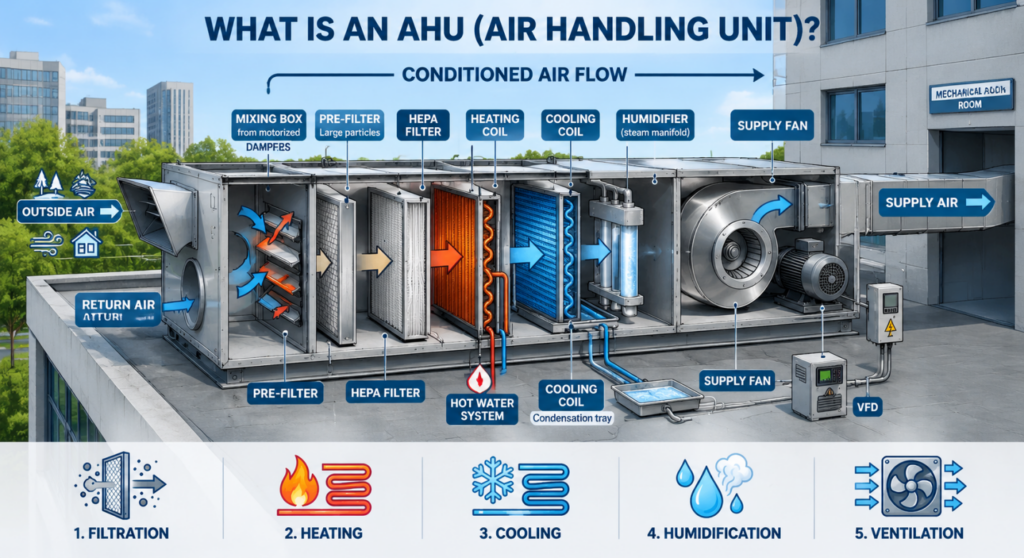
La hoja informativa de la EPA sobre filtros de cabina de pintura Describe la geometría que hereda cualquier orden de filtro.. Las cabinas de tiro descendente aspiran aire a través de filtros de techo y lo expulsan a través de supresores del piso o cercanos al piso.. Las cabinas Crossdraft colocan la toma en puertas o paneles laterales y colocan el pararrayos en la pared opuesta.. Muchas cabinas de producción agregan una etapa final de filtro de bolsillo detrás del pleno de escape., pero no todas las versiones llevan uno. Donde existe el escenario, La descripción general del producto de Airy enumera la línea de bolsillo como filtración de segunda o tercera etapa detrás de los filtros previos al panel..
Lea el plano del equipo antes de hacer coincidir un formato con una tarea.. aireado filtros y medios para cabinas de pintura categoría vende prefiltración de admisión, medios superiores y de pared, parada de pintura del piso, y productos de bolsillo DPA. Cada uno es una línea separada., y es posible que un stand determinado no instale todos. Donde el dibujo sí muestra un escenario., La conversación sobre el formato comienza allí.. Antes de escribir cualquier número en una orden de compra, Indique qué puesto está especificando y por qué.. Nuestro desglose de Tipos de filtros para cabinas de pintura. asigna las etapas habituales a los formatos como punto de partida, no como una promesa sobre tu construcción. Los constructores de stands a menudo estandarizan dos o tres tamaños en todos los modelos, por lo que comprar, inventario de repuestos, y el manual del stand comparte una lista.
Un proveedor que lea las mismas palabras puede imaginarse una pieza diferente.. “Filtro de suelo” es un deber, no es un producto. escribe la posicion, el formato, y la función en una oración por línea de pedido: rejilla de piso de tiro descendente, medios en rollo de fibra de vidrio, función del supresor de exceso de pulverización.
¿Qué apertura?, Marco, y se deben registrar las dimensiones reales del filtro?
Tamaños de registro por formato. Filtros enmarcados: apertura, marco exterior, y profundidad. Rollos: cobertura, ancho, longitud, espesor, y recortar la asignación.
Tamaños de registro por formato, no por costumbre. Los filtros enmarcados necesitan tres números.: la apertura, la dimensión exterior del marco, y la profundidad. La abertura es la dimensión interior de la rejilla o ranura por donde pasa el aire.. El marco exterior decide si el filtro se asienta y sella., y la profundidad decide si la puerta se cierra. El material en rollo sin marco no tiene dimensiones de marco. Se registra por área de instalación., ancho del rollo, longitud, espesor, y recortar la asignación. Combinar las dos listas oculta qué número controla el orden.
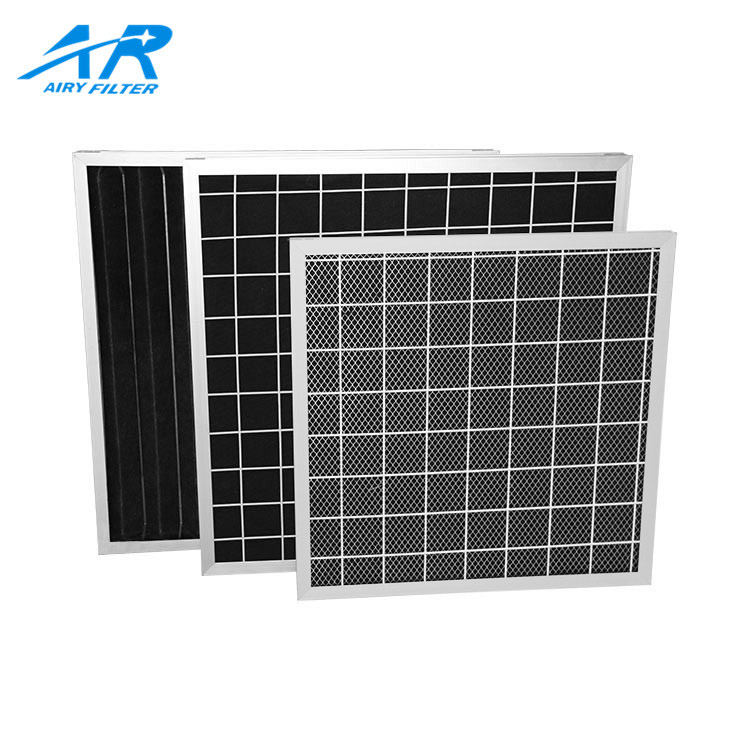
Las hojas publicadas de Airy muestran por qué la distinción es importante en la producción. El prefiltro plisado enumera las dimensiones reales del panel en milímetros, 595×595×46 hasta 495×495×46 en cuatro tamaños. Los compradores del mercado de pulgadas suelen realizar pedidos con etiquetas como 24×24, y la hoja de Airy no publica equivalentes en pulgadas, así que no asumas un mapeo. Solicitar el nombre nominal, las dimensiones exteriores reales, y la tolerancia por escrito, y marca qué figura controla el pedido. Nuestro Especificaciones del filtro de panel plisado La guía recorre la misma lista de campos para pedidos de paneles HVAC..
El artículo de techo al que se hace referencia anteriormente se limita a medir el marco interior para reemplazarlo.. Un pedido OEM va más allá: Las dimensiones provienen del plano de montaje bajo control de revisión., llevar una tolerancia establecida, y nombrar el borde de control. Si el dibujo y la cinta métrica del taller no coinciden, detenerse y reconciliarse antes de que se produzca algo. Un ingeniero OEM debe verificar la revisión del dibujo., la vivienda fisica, y el lugar de medición, luego vuelva a emitir o aprobar el cambio por escrito antes de que se apruebe la muestra. Las órdenes de rollo siguen la misma precaución.: el plano de diseño aprobado, no es un ancho recordado, gobierna lo que se ordena.
¿Cuándo es necesario que los medios en rollo y los filtros enmarcados tengan medidas diferentes??
Los rollos se especifican por cobertura y asignación.; Filtros enmarcados por ajuste y sellado.. Las listas de medidas nunca se intercambian..
Un panel enmarcado es una parte: ancho, altura, profundidad, material de marco, expectativa de junta, y las caras de sellado aparecen en el dibujo. Un rollo es un consumible.: ancho, longitud, espesor, y cuántos metros lineales consume tu rejilla de piso por cambio. Ordene los rollos por área de cobertura más margen de costura, y ordenar los paneles por ajuste contra la carcasa.
La categoría de cabina de pintura Airy enumera el filtro de bolsillo no tejido y el medio de bolsillo de pintura DPA para escape de cabina de pintura seca como productos diferentes.. Las dimensiones AR-WD a continuación ilustran cómo especificar una mochila de bolsillo; Confirme el producto exacto del bolsillo de escape y sus dimensiones para su stand.. La siguiente tabla reproduce las referencias de Airy publicadas para los tres formatos que toca una hoja de pedido OEM.. Úselo como vocabulario inicial., luego confirme las tolerancias y los métodos de prueba con el plano de su stand..
| Formato | Ejemplo de Airy publicado | Lo que el OEM debe confirmar |
|---|---|---|
| Prepanel plisado, AR-ZK | 595×595×46 milímetros; otros tamaños de cara publicados | Orientación de la dimensión exterior, profundidad, marco, y tolerancia de instalación |
| Bolsillo no tejido, AR-WD | 595×595×600 mm mostrado con 8 o 6 bolsillos | Tamaño exterior, recuento de bolsillo, profundidad del bolsillo, y espacio de instalación |
| Rollo tope de pintura de fibra de vidrio, Pensilvania | Listas de páginas 0.8, 1.0, y 2.0 m anchos por 20 metro | Ancho del rollo, longitud, espesor, y plan de corte |
Ejemplos de productos enumerados en las páginas de Airy, no hay una especificación unificada para cada modelo o instalación; confirmar dimensiones, tolerancias, y condiciones de prueba con el proveedor en el plano del pedido..
Los tres formatos están publicados en las páginas de sus productos., desde rollo de parada de pintura a la línea del panel plisado arriba. Cada hoja lleva la misma nota.: Otras especificaciones se pueden personalizar según los requisitos.. La personalización es un intercambio de dibujos., no es una búsqueda de catálogo, Y ese intercambio es donde entran las siguientes secciones..
que sellado, Apoyo, y se deben incluir detalles del flujo de aire?
El aire pasa por un filtro mal sellado. La hoja de pedido debe cerrar ese camino en papel..
El material del marco pertenece a la hoja porque es una opción funcional., no es una opción de precio. Listas aireadas de aglomerado impermeabilizante., aleación de aluminio, y chapa galvanizada para la línea de paneles plisados. Una cabina húmeda y una cabina con mucho disolvente no plantean la misma pregunta a un marco, Indique cuál lleva el pedido y por qué ingeniería lo eligió..
Luego registre la condición del asiento.: junta o sin junta, método de sujeción, y el espacio máximo aceptable en la unión del marco con la carcasa. Los filtros de bolsillo necesitan su propia línea: El número de bolsillos y la profundidad le dan al medio espacio para inflarse., y una carcasa que aplasta los bolsillos priva del flujo de aire para el que se compró el escenario.. Pregunte al proveedor cómo se mide la profundidad de la bolsa en la hoja de datos., altura del paquete o del marco a la punta, y registra la respuesta al lado del número.
Finalmente, vincular cada posición a su función de flujo de aire. Los paneles plisados tienen un flujo de aire nominal según el tamaño publicado., de 3,200 m³/h a 595×595×46 hasta 1,600 m³/h a la 295 variante en mm. Indique la velocidad frontal diseñada del stand por posición y solicite al proveedor que confirme que el tamaño seleccionado la alcance.. Un panel que encaja en la ranura pero obstruye el flujo de aire sigue siendo una especificación fallida.
¿Qué requisitos de rendimiento pertenecen a la hoja de especificaciones??
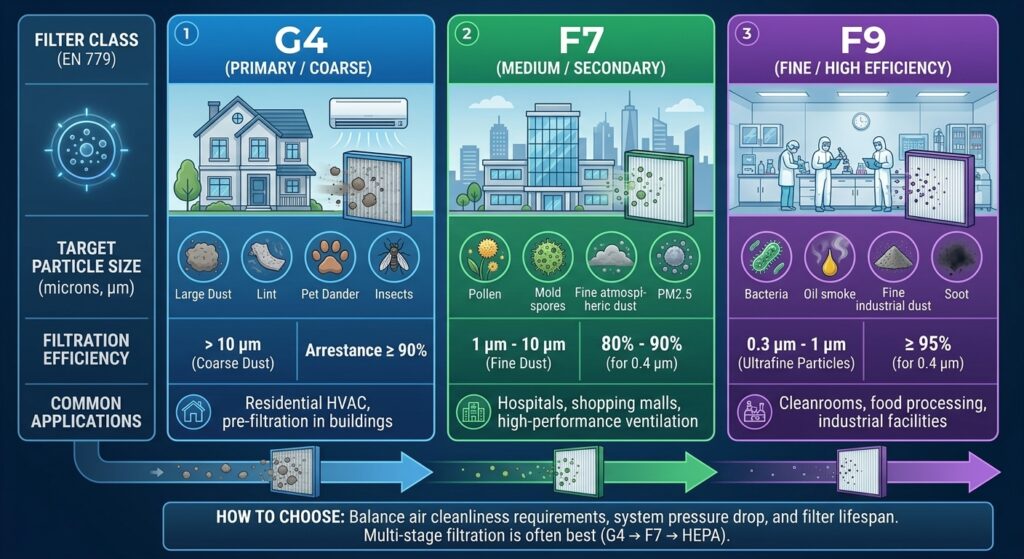
Cuatro números hacen que un filtro sea inspeccionable: clase, arresto, resistencia inicial, y la resistencia final recomendada.
Las hojas de Airy las publican como datos del producto que puede copiar en una especificación de compra.. Listas de paneles plisados AR-ZK-G3 85% detención promedio en 35 Pa resistencia inicial; las listas AR-ZK-G4 90% en 45 Pensilvania. Ambos tienen una resistencia final recomendada de 250 pa en la pagina. Cite esa cifra en la especificación., y establecer la condición de cambio real del proyecto en comparación con los requisitos de mantenimiento y flujo de aire propios del stand..
Escribe cada número con su base de prueba., o solicitar al proveedor que adjunte dicha base por escrito. “85% arresto promedio” Solo es comparable con otra hoja cuando el método de prueba de partículas y la clasificación del flujo de aire coinciden.. Donde aparece una etiqueta de clase, G3, G4 o MERV 5-8 en el título de la línea plisada, mantenga la etiqueta y el porcentaje medido juntos en su hoja. Trate el rango MERV del título como la etiqueta del vendedor., no hay una equivalencia certificada entre las escalas de prueba. Pregunte al proveedor qué método de prueba respalda cada cifra., y presentar la respuesta escrita con la especificación.
Resista la tentación de promediar. Una especificación que exige “eficiencia ≥ 87%” invita a hacer sustituciones en clase y no castiga a nadie. Especifica la clase que diseñaste, la detención y resistencia que lo documentan, y el formato del informe que lo demuestra lote tras lote.
cuales dibujos, Muestras, y aprobaciones previenen errores en los pedidos?
Los pedidos de solo texto se desvían. el dibujo, la foto, y la muestra retenida bloquea la misma parte desde tres direcciones.
Enviar el conjunto de dibujos, No es un texto de medición
Adjunte el dibujo de la carcasa acotado con la ranura del filtro indicada. Añade una foto de la apertura real con una escala en el marco.. Incluya el filtro actual o una muestra de los medios que ejecuta hoy. Para rollos, agregue el diseño de la rejilla del piso con tamaños de hoja y posiciones de costura. Si el número de pieza de un competidor existe en su línea, enumerarlo como referencia, no es un requisito.
Aprobar el Prototipo Contra la Hoja
La primera unidad física es un objeto de medición., no es un favor. Verifique las dimensiones exteriores del marco con el dibujo., asiento en la carcasa, cerrar las abrazaderas, y registre la lectura de presión inicial de limpieza en el flujo de aire diseñado para la cabina.. Firme por escrito solo cuando el ajuste y los números coincidan con la hoja de pedido., y notar cualquier desviación antes de que se convierta en un hábito.
Bloquee el lote a granel para la muestra aprobada
Conserve el prototipo aprobado y haga referencia a él en cada orden de compra por fecha y revisión de dibujo.. Acordar los elementos de aceptación., la frecuencia de muestreo, y los informes requeridos en la propia orden de compra. Luego verifique cada lote entrante con esa lista escrita y la muestra retenida.. Los compradores que reabastecen según un cronograma están comprando la muestra nuevamente., no es el estado de ánimo actual del proveedor.
Empaque y etiqueta para el muelle receptor
Los pedidos OEM llegan al por mayor, por lo que el embalaje es un elemento de aceptación como cualquier otro. Acordar el número de paletas, dimensiones del cartón, y límites de peso por caja que coincidan con su muelle y bastidores de almacenamiento. Etiquete cada caja con el formato., la posición de instalación, y el control de los tamaños de filtro de la cabina de pintura. Sólo casillas marcadas “filtrar” Obligar a los equipos de recepción a abrir los paquetes antes de guardarlos., Y así es como los prototipos aprobados y los lotes a granel se separan silenciosamente..
Preguntas frecuentes
¿Debo enviar las dimensiones nominales o reales del filtro??
enviar ambos, y marcar cual controla la producción. Una etiqueta nominal no lleva ninguna tolerancia de fabricación., mientras que la cifra milimétrica real es la que debe coincidir con el marco. Solicite al proveedor que confirme el nombre nominal., las dimensiones exteriores reales, y la tolerancia por escrito, y reexpresar el número de control en la respuesta.
¿Qué dibujos debería enviar un comprador OEM a un fabricante de filtros??
Enviar el plano acotado de la carcasa con la ranura indicada, además de una fotografía a escala de la inauguración. Adjunte el filtro actual o muestra de medios, e indicar el formato, posición, y servicio de flujo de aire por línea. Agregue la cantidad objetivo y los requisitos de embalaje para que el fabricante fije el precio del mismo objeto que usted construye..
¿Cómo se debe aprobar una muestra de filtro de cabina de pintura personalizada??
Mida la muestra contra el dibujo., asiento en la vivienda real, y registre la caída de presión inicial de limpieza en el flujo de aire de diseño. Firmar la aprobación por escrito., mantener la muestra física bajo un número de referencia, y cite ese número en cada pedido de compra al por mayor.
Pensamientos finales
Los tamaños de los filtros de las cabinas de pintura se vuelven seguros cuando existen tres cosas en el papel. Nombra el punto de instalación y su formato., registrar cada tamaño por formato con un número de control indicado, y adjunte las cifras de rendimiento con su base de prueba.. El paquete de dibujo, prototipo aprobado, y la muestra retenida luego retiene cada lote posterior en el mismo objeto.
Envíe el dibujo y las especificaciones de su stand
Envíe el paquete de dibujo del equipo., El control de los tamaños de filtro de la cabina de pintura., posiciones de instalación, formato, y objetivos de flujo de aire. Pídale a Airy que confirme los nombres nominales, dimensiones exteriores reales, tolerancias, y condiciones de prueba por escrito antes de aprobar una muestra.
Ejemplos de productos en todos los paneles, bolsillos, y los rollos se publican en el Catálogo de filtros Airy.