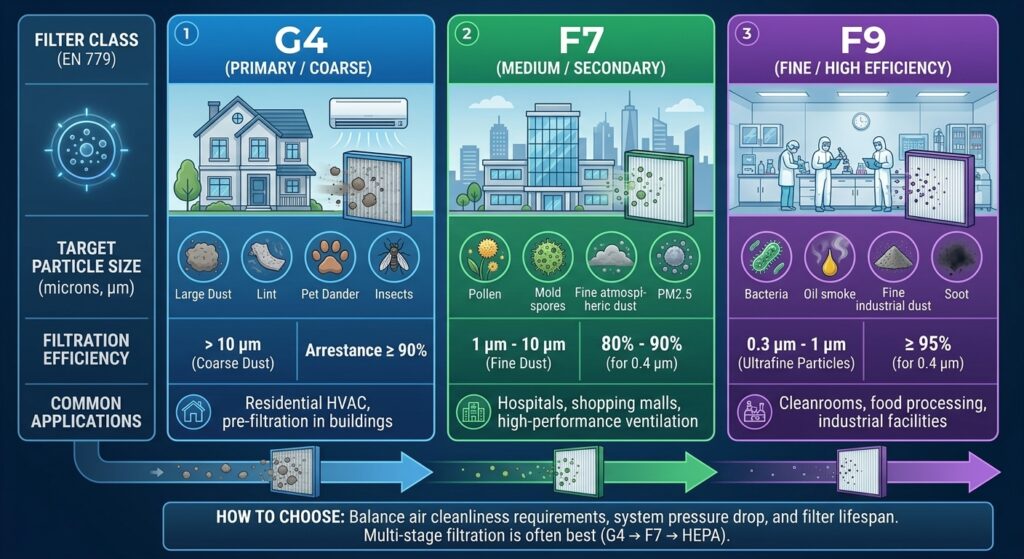
페인트 부스는 여러 여과 위치를 수행할 수 있습니다., 정확한 세트는 부스 디자인에 따라 다릅니다.. 구매자의 그림에 오프닝이 표시됩니다.; 공급자의 카탈로그에 미디어가 표시됩니다.. 두 문서 사이, 페인트 부스 필터 크기가 결정됩니다, 불일치는 몇 달 후 바이패스 공기로 표면화됩니다., 펄럭이는 미디어, 또는 안착되지 않는 패널.
이 가이드는 OEM 필터 주문을 위해 작성되었습니다.: 그림, 치수, 페인트 부스 필터 크기를 생산 가능한 크기로 바꾸는 수용 단계, 검사 가능한 사양. 단일 교체를 위한 천장 그리드를 측정하는 것은 다른 작업입니다., 그리고 우리의 천장 필터 선택 가이드 이미 다 다루고 있어. 여기, 작업 단위는 주문서입니다..
주요 시사점
- 위치는 도면에서 나옵니다: Airy 카테고리에는 흡기 사전 여과가 나열되어 있습니다., 탑 미디어, 바닥 페인트 중지, 그리고 포켓제품, 하지만 빌드가 다릅니다.
- 형식별 크기: 액자 필터를 열어야 함, 외부 프레임, 그리고 깊이; 롤에는 면적이 필요합니다, 너비, 길이, 두께, 및 수당.
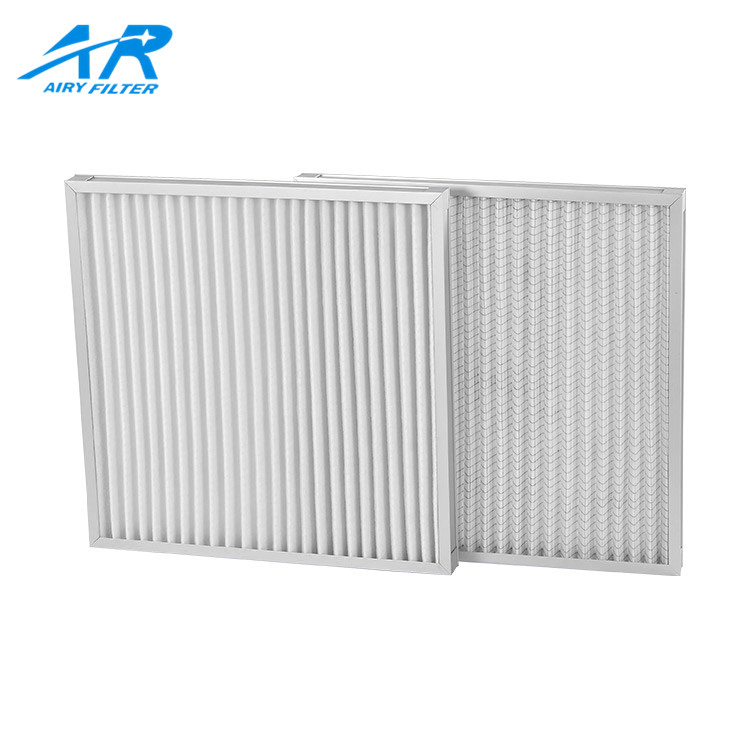
- 주름 패널 참조: Airy의 AR-ZK 시리즈는 595×595×46을 나열합니다., 595×495×46, 595×295×46 및 495×495×46mm.
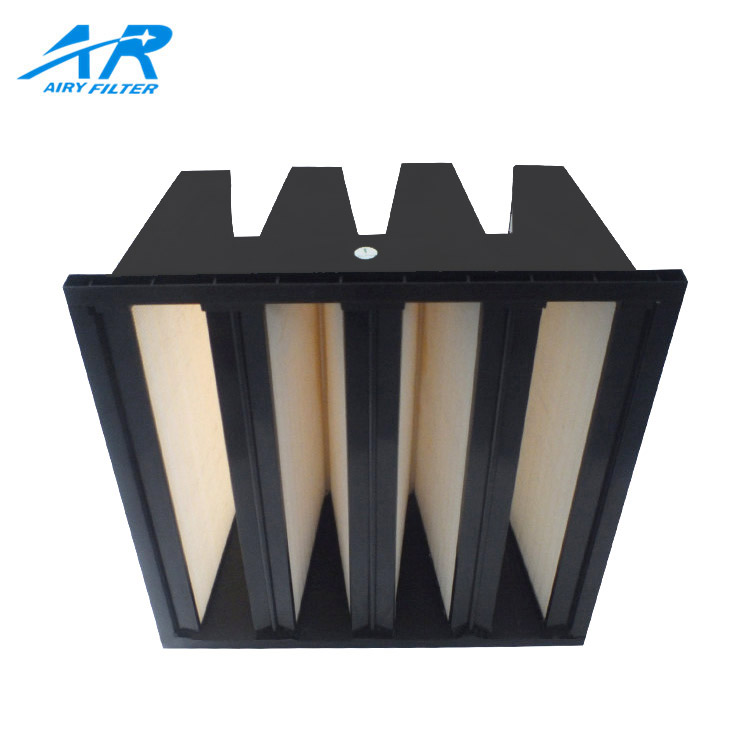
- 포켓 예제: AR-WD 부직포 포켓 페이지에는 595×595×600mm 크기가 나와 있습니다. 8 또는 6 주머니; 좁은 설치 공간은 모델에 따라 다릅니다..
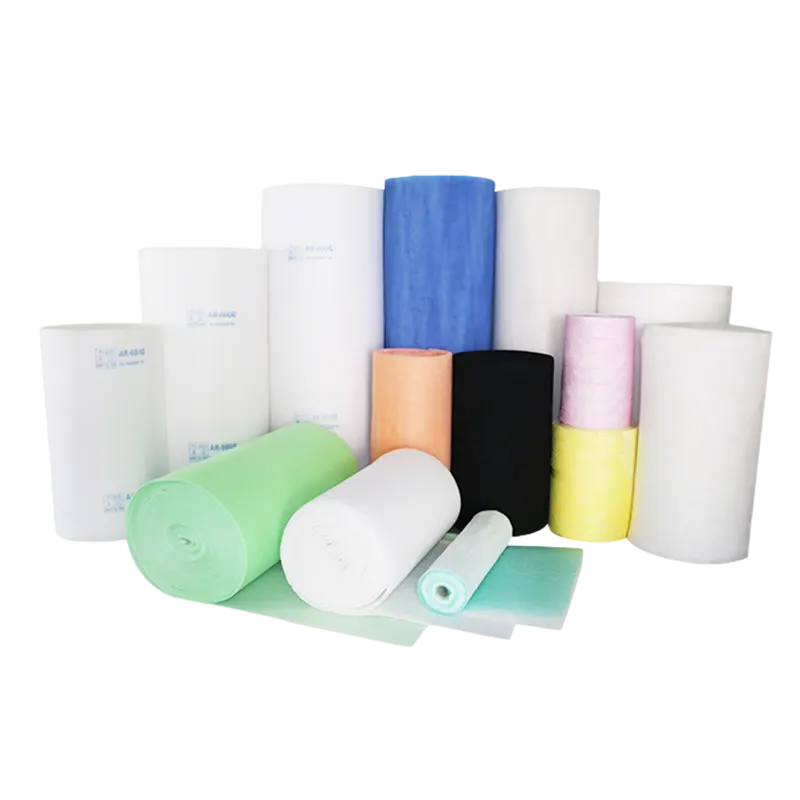
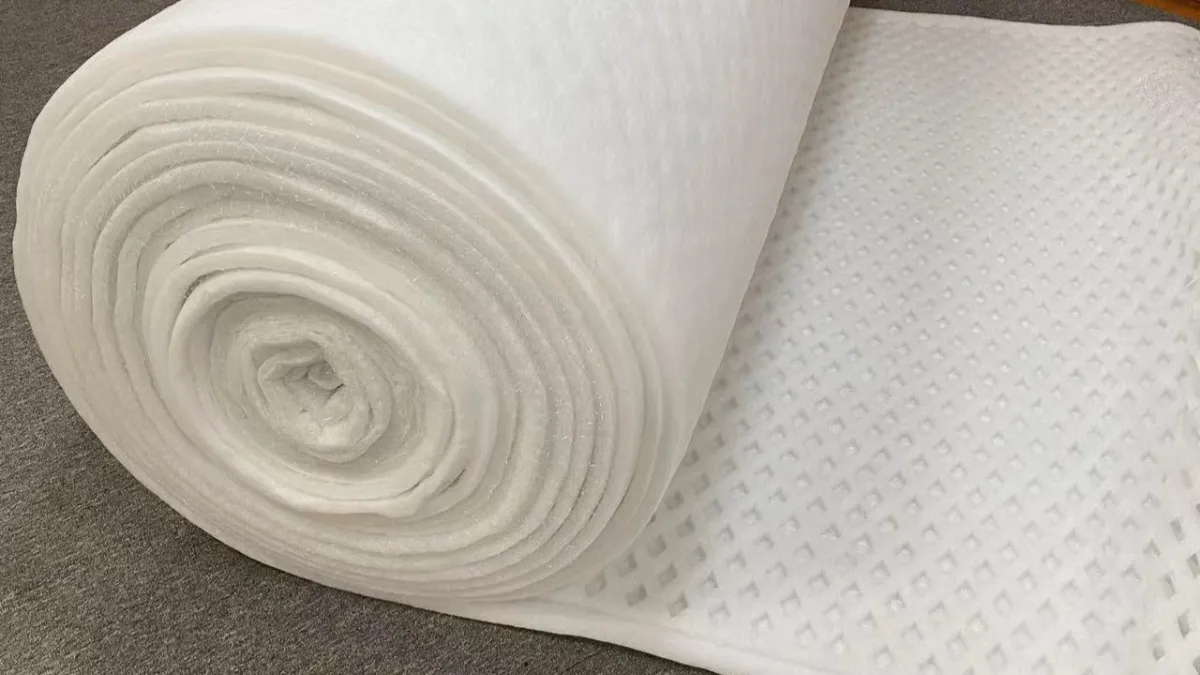
- 롤 참조: 페인트 중지 미디어 0.8, 1.0 그리고 2.0 m 너비, 각 20 m 길이.
- 수용 체인: 치수 도면, 승인된 프로토타입, 보유 샘플, 대량 로트 일치.
어떤 부스 필터와 설치 지점이 지정되고 있습니까??
모든 주문 라인에는 하나의 설치 지점이 지정됩니다.. 위치가 없는 사이즈는 사양이 아닙니다..
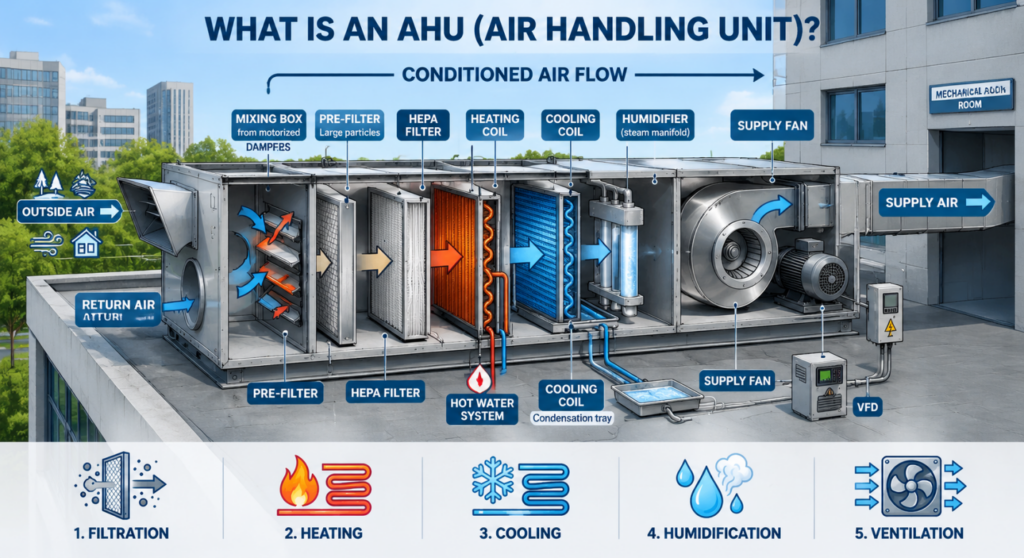
EPA 팩트 시트 스프레이 부스 필터 모든 필터 순서가 상속하는 형상을 설명합니다.. 다운드래프트 부스는 천장 필터를 통해 흡입 공기를 끌어오고 바닥 또는 바닥 근처 어레스터를 통해 배기합니다.. 크로스드래프트 부스는 흡입구를 도어나 측면 패널에 배치하고 어레스터를 반대쪽 벽에 배치합니다.. 많은 생산 부스에서는 배기 플레넘 뒤에 최종 포켓 필터 단계를 추가합니다., 하지만 모든 빌드가 하나를 포함하는 것은 아닙니다.. 무대가 있는 곳, Airy의 제품 개요에는 포켓 라인이 사전 패널 필터 뒤의 2단계 또는 3단계 여과로 나열되어 있습니다..
형식을 업무에 맞추기 전에 장비 도면을 읽어보세요.. 에어리스 스프레이 부스 필터 및 미디어 카테고리에서는 흡입 사전 여과를 판매합니다., 상단 및 벽면 미디어, 바닥 페인트 중지, 및 DPA 포켓 제품. 각각 별도의 줄입니다., 특정 부스가 모든 부스를 설치할 수는 없습니다.. 그림이 무대를 보여주는 곳, 형식 대화는 거기서 시작됩니다. 구매 주문서에 숫자를 적기 전에, 당신이 지정하는 위치와 그 이유를 설명하십시오.. 우리의 분석 페인트 부스 필터 유형 시작점으로 일반적인 단계를 형식에 매핑합니다., 빌드에 대한 약속이 아닙니다.. 부스 제작자는 종종 모델 전체에 걸쳐 2~3가지 크기로 표준화하므로 구매를, 예비 재고, 그리고 부스 매뉴얼은 하나의 목록을 공유합니다.
동일한 단어를 읽는 공급업체가 다른 부품을 상상할 수도 있습니다.. “플로어 필터” 의무이다, 제품이 아닙니다. 입장을 쓰세요, 형식, 주문 라인 당 한 문장의 기능: 하강 기류 바닥 그리드, 유리 섬유 롤 미디어, 과잉 분무 방지기 의무.
어느 오프닝, 액자, 및 실제 필터 치수를 기록해야 합니다.?
형식별 레코드 크기. 액자 필터: 열기, 외부 프레임, 그리고 깊이. 롤: 적용 범위, 너비, 길이, 두께, 그리고 수당 삭감.
형식별 레코드 크기, 습관적으로가 아니라. 프레임 필터에는 세 개의 숫자가 필요합니다.: 오프닝, 프레임 외부 치수, 그리고 깊이. 개구부는 공기가 통과하는 그리드 또는 슬롯의 내부 치수입니다.. 외부 프레임은 필터 시트와 씰 여부를 결정합니다., 깊이에 따라 문이 닫히는지 여부가 결정됩니다.. 프레임리스 롤 미디어에는 프레임 크기가 없습니다.. 설치지역별로 기록됩니다., 롤 폭, 길이, 두께, 그리고 수당 삭감. 두 목록을 합치면 순서를 제어하는 숫자가 숨겨집니다..
Airy가 출판한 시트는 생산에서 차이가 중요한 이유를 보여줍니다.. 그만큼 주름진 프리 필터 실제 패널 치수를 밀리미터 단위로 나열합니다., 5954가지 크기에 걸쳐 ×595×46에서 495×495×46까지. 인치 시장 구매자는 종종 24×24와 같은 라벨을 기준으로 주문합니다., Airy의 시트에는 인치에 해당하는 내용이 게시되어 있지 않습니다., 그러니 매핑을 가정하지 마세요. 실명을 요청하세요, 실제 외부 치수, 그리고 서면상의 관용, 어떤 숫자가 순서를 제어하는지 표시하세요.. 우리의 주름 패널 필터 사양 가이드는 HVAC 패널 주문에 대해 동일한 필드 목록을 살펴봅니다..
위에 언급된 천장용품은 교체를 위한 내부 프레임 측정에 그칩니다.. OEM 주문이 더 진행됩니다.: 치수는 개정 관리 하에 있는 조립 도면에서 가져옵니다., 명시된 허용 오차를 지닙니다., 제어 가장자리의 이름을 지정합니다.. 도면과 상점 줄자가 일치하지 않는 경우, 무엇이든 생산되기 전에 멈추고 화해하십시오. OEM 엔지니어가 도면 개정을 확인해야 합니다., 물리적 주택, 그리고 측정 위치, 그런 다음 샘플이 승인되기 전에 서면으로 변경 사항을 재발행하거나 승인하십시오.. 롤 주문은 동일한 주의 사항을 따릅니다.: 승인된 레이아웃 도면, 기억나는 너비가 아님, 주문한 내용을 관리합니다..
롤 미디어와 프레임 필터에 다른 측정이 필요한 경우?
롤은 보장 및 수당에 따라 지정됩니다.; 맞춤 및 밀봉 방식으로 프레임 필터. 측정 목록은 절대 교환되지 않습니다..
프레임 패널은 부품입니다.: 너비, 키, 깊이, 프레임 재료, 개스킷 기대, 씰링면이 모두 도면에 나타납니다.. 롤은 소모품이다: 너비, 길이, 두께, 교체당 바닥 그리드가 소비하는 선형 미터 수. 적용 범위와 솔기 허용량을 기준으로 롤을 주문하세요., 하우징에 맞게 패널을 주문하세요..
Airy 스프레이 부스 카테고리에는 부직포 포켓 필터와 건식 스프레이 부스 배기용 DPA 페인트 포켓 미디어가 다른 제품으로 나열됩니다.. 아래 AR-WD 치수는 포켓 팩을 지정하는 방법을 보여줍니다.; 부스에 맞는 배기 포켓 제품과 규격을 정확히 확인하세요.. 아래 표는 OEM 주문서에 포함된 세 가지 형식에 대해 게시된 Airy 참조 자료를 재현한 것입니다.. 시작 어휘로 사용, 그런 다음 부스 도면에 대한 공차 및 테스트 방법을 확인합니다..
| 체재 | 게시된 Airy 예시 | OEM이 확인해야 할 사항 |
|---|---|---|
| 주름진 프리패널, AR-ZK | 595×595×46mm; 다른 얼굴 크기 공개 | 외부 치수 방향, 깊이, 액자, 및 설치 공차 |
| 부직포 포켓, AR-WD | 595×595×600 mm 표시됨 8 또는 6 주머니 | 외부 크기, 주머니 수, 주머니 깊이, 및 설치 공간 |
| 유리 섬유 페인트 스톱 롤, 아빠 | 페이지 목록 0.8, 1.0, 그리고 2.0 m 너비 20 중 | 롤 폭, 길이, 두께, 그리고 컷 계획 |
Airy 페이지에 나열된 제품 예, 모든 모델이나 설치에 대한 통일된 사양은 아닙니다.; 치수 확인, 공차, 주문 도면에 있는 공급자와의 테스트 조건.
세 가지 형식 모두 제품 페이지에 게시됩니다., 에서 페인트 스톱 롤 위쪽 플리츠 패널라인까지. 각 시트에는 동일한 메모가 포함되어 있습니다.: 다른 사양은 요구 사항에 따라 맞춤 설정할 수 있습니다.. 커스터마이징은 도면 교환입니다, 카탈로그 조회가 아닌, 그 교환은 다음 섹션이 들어오는 곳입니다.
어떤 밀봉인가, 지원하다, 및 공기 흐름 세부정보가 포함되어야 합니다.?
공기는 잘못 밀봉된 필터 주위로 경로를 이동합니다.. 주문 시트는 종이에서 해당 경로를 닫아야 합니다..
프레임 소재는 기능적 선택이므로 시트에 속합니다., 가격 옵션이 아님. Airy는 방수 합판을 나열합니다., 알루미늄 합금, 주름 패널 라인용 아연도금 시트. 습기가 많은 부스와 용제를 많이 사용하는 부스는 프레임에 대해 동일한 질문을 하지 않습니다., 주문한 항목이 무엇인지, 엔지니어링팀에서 해당 항목을 선택한 이유를 설명하세요..
그런 다음 좌석 상태를 기록하십시오.: 틈막이 또는 틈막이 없는, 클램핑 방법, 프레임과 하우징 접합부에서 허용되는 최대 간격. 포켓 필터에는 자체 라인이 필요합니다: 포켓 수와 깊이는 미디어 공간을 부풀릴 수 있는 공간을 제공합니다., 주머니를 짓밟는 하우징은 무대를 구입하는 데 필요한 공기 흐름을 고갈시킵니다.. 데이터 시트에서 포켓 깊이를 측정하는 방법을 공급업체에 문의하세요., 팩 높이 또는 프레임에서 팁까지, 그리고 숫자 옆에 답을 기록하세요.
마지막으로, 모든 위치를 공기 흐름 의무에 연결. 주름진 패널은 게시된 크기에 따라 정격 공기 흐름을 전달합니다., ~에서 3,200 595×595×46에서 m³/h까지 1,600 m³/h에서 295 mm 변형. 부스의 위치별 설계 면속도를 명시하고 공급업체에 선택한 크기가 이에 도달하는지 확인하도록 요청합니다.. 슬롯에 맞지만 공기 흐름을 막는 패널은 여전히 실패한 사양.
사양서에 포함되는 성능 요구사항?
4개의 숫자로 인해 필터를 검사할 수 있습니다.: 수업, 체포, 초기 저항, 그리고 권장되는 최종 저항.
Airy의 시트는 이를 구매 사양에 복사할 수 있는 제품 정보로 게시합니다.. AR-ZK-G3 주름 패널 목록 85% 평균 체포 35 Pa 초기 저항; AR-ZK-G4 목록 90% ~에 45 아빠. 둘 다 권장되는 최종 저항은 다음과 같습니다. 250 아빠 페이지에. 사양에서 해당 수치를 인용하세요., 부스 자체의 공기 흐름 및 유지 관리 요구 사항에 맞춰 프로젝트의 실제 변경 조건을 설정합니다..
테스트 기준에 따라 각 숫자를 작성합니다., 또는 공급업체에게 해당 근거를 서면으로 첨부하도록 요청하세요.. “85% 평균 체포” 입자 테스트 방법과 등급 공기 흐름이 일치하는 경우에만 다른 시트와 비교할 수 있습니다.. 클래스 라벨이 나타나는 위치, G3, G4 또는 MERV 5-8 플리츠라인 제목에, 라벨과 측정된 백분율을 시트에 함께 보관하세요.. 타이틀의 MERV 범위를 판매자의 라벨로 취급, 테스트 저울 간의 인증된 동등성이 아님. 각 수치를 뒷받침하는 테스트 방법이 무엇인지 공급업체에 문의하세요., 사양과 함께 서면 답변을 제출하세요..
평균을 내고 싶은 충동을 억제하세요. 요구하는 사양 “효율성 ≥ 87%” 수업 시간에 다른 사람을 초대하고 아무도 처벌하지 않습니다.. 디자인한 클래스를 지정하세요., 그것을 문서화하는 체포와 저항, 그리고 그것을 계속해서 증명하는 보고서 형식.
어떤 그림, 샘플, 및 승인으로 주문 오류 방지?
텍스트 전용 주문 드리프트. 그림, 사진, 유지된 샘플은 세 방향에서 동일한 부분을 고정합니다..
도면 세트 보내기, 측정 텍스트가 아님
필터 슬롯이 표시된 치수 하우징 도면을 부착합니다.. 프레임에 눈금이 표시된 실제 오프닝 사진을 추가하세요.. 현재 필터 또는 오늘 실행하는 미디어 샘플을 포함하세요.. 롤용, 시트 크기 및 솔기 위치가 포함된 바닥 그리드 레이아웃 추가. 귀하의 라인에 경쟁사의 부품 번호가 존재하는 경우, 참고로 나열해 보세요, 요구사항은 아님.
시트에 대한 프로토타입 승인
첫 번째 물리적 단위는 측정 대상입니다., 호의가 아니다. 도면과 비교하여 프레임 외부 치수를 확인하세요., 하우징에 앉히세요, 클램프를 닫아라, 부스의 설계된 공기 흐름에서 깨끗한 초기 압력 판독값을 기록합니다.. 핏과 숫자가 주문서와 일치하는 경우에만 서면으로 승인하세요., 습관이 되기 전에 편차를 기록해 두세요..
승인된 샘플에 대량 로트 고정
승인된 프로토타입을 보관하고 날짜 및 도면 개정별로 모든 구매 주문서에 참조하십시오.. 수락 항목에 동의합니다., 샘플링 주파수, 구매 주문 자체에 필요한 보고서. 그런 다음 해당 서면 목록 및 보관된 샘플과 비교하여 들어오는 각 로트를 확인합니다.. 일정에 따라 재입고하는 구매자는 샘플을 다시 구매합니다., 공급자의 현재 기분이 아니라.
수령 도크용 포장 및 라벨
OEM 주문이 대량으로 도착합니다., 그래서 포장은 다른 것과 마찬가지로 허용 품목입니다.. 팔레트 수에 동의, 판지 크기, 도크 및 보관 랙에 맞는 상자당 무게 제한. 형식에 따라 각 상자에 라벨을 붙입니다., 설치 위치, 제어 페인트 부스 필터 크기. 표시된 상자만 “필터” 수령 직원이 보관하기 전에 팩을 열도록 강제, 이것이 바로 승인된 프로토타입과 벌크 로트가 조용히 떨어져 나가는 방식입니다..
자주 묻는 질문
명목상 또는 실제 필터 치수를 보내야 합니까??
둘 다 보내기, 어느 것이 생산을 통제하는지 표시하세요. 공칭 라벨에는 제조 허용 오차가 없습니다., 실제 밀리미터 수치는 프레임이 일치해야 하는 수치입니다.. 공급자에게 명목상의 이름을 확인하도록 요청하십시오., 실제 외부 치수, 그리고 서면상의 관용, 답장에 관리 번호를 다시 명시하십시오..
OEM 구매자가 필터 제조업체에 어떤 도면을 보내야 합니까??
슬롯이 호출된 치수 하우징 도면을 보냅니다., 그리고 오프닝의 축소 사진. 현재 필터 또는 미디어 샘플을 연결합니다., 형식을 명시하고, 위치, 라인 당 공기 흐름 의무. 제조업체가 귀하가 만든 것과 동일한 물건의 가격을 책정할 수 있도록 목표 수량과 포장 요구 사항을 추가하세요..
맞춤형 페인트 부스 필터 샘플을 어떻게 승인해야 합니까??
도면과 비교하여 샘플을 측정합니다., 실제 주택에 앉으세요., 설계 공기 흐름에서 청정 초기 압력 강하를 기록합니다.. 서면 승인에 서명, 실제 샘플을 참조 번호로 보관하십시오., 모든 대량 구매 주문에 해당 번호를 기재하세요..
최종 생각
페인트 부스 필터 크기는 종이에 세 가지가 있으면 주문하는 것이 안전해집니다.. 설치 지점 이름과 형식 지정, 명시된 관리 번호를 사용하여 형식별로 각 크기를 기록합니다., 테스트 기준과 함께 성능 수치를 첨부합니다.. 드로잉 패키지, 승인된 프로토타입, 샘플을 보관한 다음 이후의 모든 로트를 동일한 개체에 보관합니다..
부스 도면 및 사양 보내기
장비 도면 패키지 제출, 제어 페인트 부스 필터 크기, 설치 위치, 체재, 및 기류 목표. Airy에게 실명 확인을 요청하세요., 실제 외부 치수, 공차, 샘플을 승인하기 전에 서면으로 테스트 조건 및 테스트 조건.
패널 전체의 제품 예시, 주머니, 롤은 다음 사이트에 게시됩니다. 에어리 필터 카탈로그.