Найти подходящего производителя потолочных фильтров для проекта покрасочной камеры не так просто, как сравнить несколько предложений.. Если фильтр не соответствует вашему дизайну воздушного потока или требованиям по борьбе с пылью, у вас может получиться неровная отделка, переделка, или даже проблемы с соблюдением требований.
Многие покупатели сталкиваются с проблемами не потому, что поставщик ненадежен., но поскольку ключевые технические детали, такие как перепад давления, структура СМИ, или рейтинги эффективности — изначально никогда не были должным образом согласованы с системой стенда..
В этом руководстве рассказывается о том, что действительно важно при оценке производителей., от технических характеристик до долгосрочных эксплуатационных расходов, чтобы вы могли без проб и ошибок выбрать поставщика, соответствующего вашим производственным потребностям..
Шаг 1: Определите требования к покрасочной камере
Конструкция воздушного потока вашей покрасочной камеры и целевые показатели загрязнения определяют точные характеристики потолочного фильтра, необходимые для достижения безупречной отделки и соблюдения требований OSHA..
Оценка воздушного потока и конфигурации кабины
Начните с определения конкретного типа вашей системы.. Настройки нисходящего потока во многом зависят от потолка. впускные фильтры равномерно вытягивать воздух вниз и блокировать попадание пыли в рабочее пространство. В камерах с поперечной тягой поток воздуха осуществляется горизонтально, а вместо этого используются передние воздухозаборные панели.. Вам необходимо измерить точные размеры вашего стенда., мощность вентилятора, и скорость воздушного потока в футах в минуту. Вы используете эти конкретные цифры, чтобы идеально подобрать размеры фильтров и рассчитать падение статического давления, чтобы не ограничивать вентиляцию системы..
Определите целевые показатели загрязнения и эффективности
Для вашего производства необходимы четкие цели по эффективности, чтобы влажные окрашенные поверхности были полностью очищены от мусора.. Целевые частицы пыли 10 микрон и больше, выбирая фильтры с MERV 10 или более высокий рейтинг. Вам также необходимо оценить ежедневный объем производства и конкретные типы красок, которые вы распыляете.. Для окраски больших объемов или окраски на основе растворителей требуются фильтрующие материалы, которые удерживают большие объемы пыли и эффективно улавливают химические пары.. Учет этих физических элементов гарантирует соответствие строгим стандартам безопасности OSHA, одновременно защищая ваших работников и качество продукции..

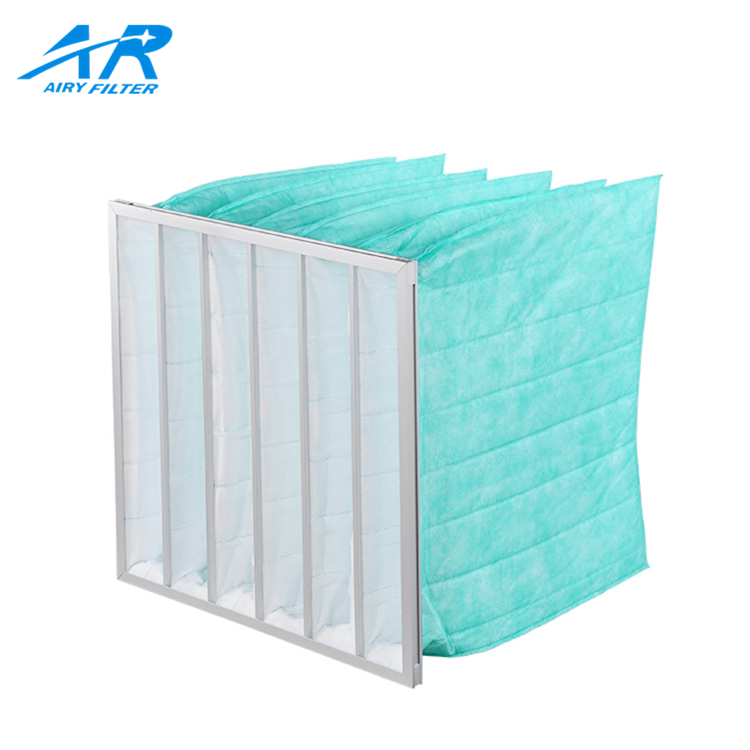
Шаг 2: Проверьте информацию производителя Потолочный фильтр Технические характеристики
Проверка физических размеров, Iso 16890 рейтинги эффективности, и пропускная способность, чтобы гарантировать точную посадку и избежать дорогостоящих байпасов системы..
Категории спецификаций основных фильтров
Потолочные фильтры диктуют чистоту воздуха и безопасность эксплуатации вашего объекта. Прежде чем принимать решение о закупке, вам необходимо изучить три основные категории спецификаций..
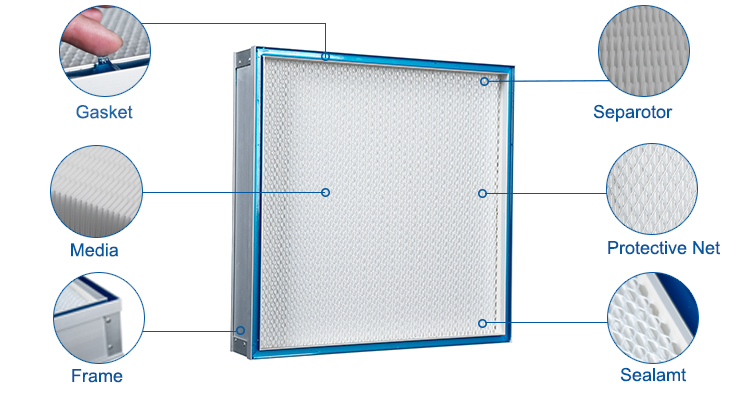
- Размеры и стандарты размеров: Просмотрите стандартную толщину панелей, которые обычно варьируются от 20 мм до 96 мм.. Высокая плотность складок напрямую увеличивает площадь активной среды и продлевает срок службы фильтра..
- Классификации эффективности: Оцените производительность с помощью ISO 16890 стандарт для подтверждения того, что фильтр надежно улавливает частицы целевого размера.
- Показатели производительности: Анализ номинальной пропускной способности и предельных значений конечного падения давления.. Стандартный коммерческий фильтр часто выдерживает конечное падение давления 250 Па, прежде чем потребуется замена.
Действия по проверке совместимости фильтров
Покупка подходящего фильтра требует соответствия технических данных производителя физическим и эксплуатационным условиям вашего предприятия.. Выполните именно эти шаги проверки, чтобы предотвратить сбои при установке..
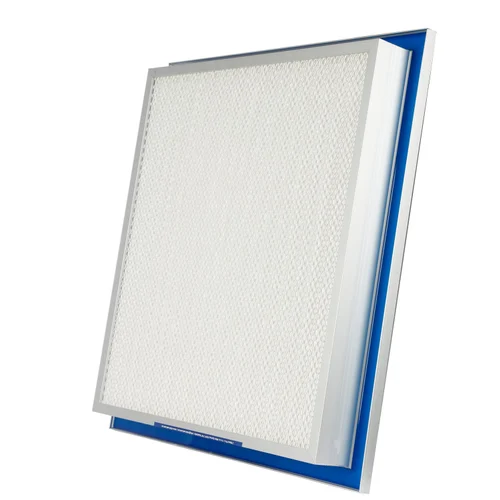
- Соответствие физическим размерам: Точно совместите размеры фильтра с существующей потолочной решеткой или модульным вырезом.. Стандартный 590×590 Модуль мм должен надежно крепиться, не оставляя перепускных зазоров..
- Подтвердите рейтинги эффективности: Убедитесь, что номиналы соответствуют требованиям вашего конкретного чистого помещения или системы отопления, вентиляции и кондиционирования воздуха.. Высокоэффективные производственные помещения требуют различных рейтингов по сравнению с базовыми установками предварительной фильтрации..
- Проверка эксплуатационных пределов: Проверьте мощность воздушного потока и проверьте максимальные пороговые значения температуры и влажности в соответствии с реальной средой.. Промышленные установки часто поднимают параметры до 100°C и 100% относительная влажность.
Высокопроизводительные промышленные воздушные фильтры по индивидуальному заказу
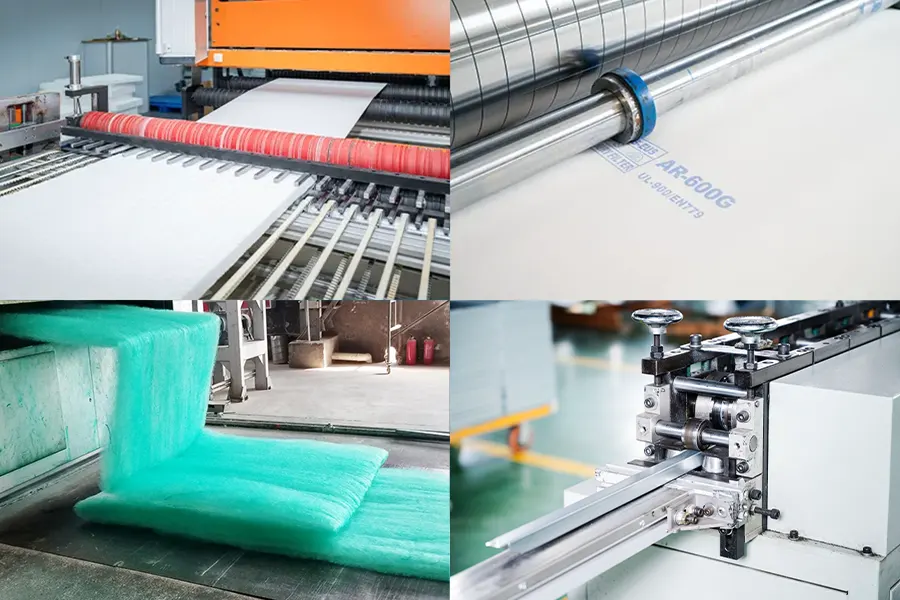
Шаг 3: Проверка настройки и ассортимента продукции
Проверка ограничений, установленных поставщиком, гарантирует, что ваши потолочные фильтры будут соответствовать точным размерам., соответствовать нормам безопасности, и соблюдать точные экологические требования, прежде чем приступать к массовому производству..
Оценка возможностей настройки
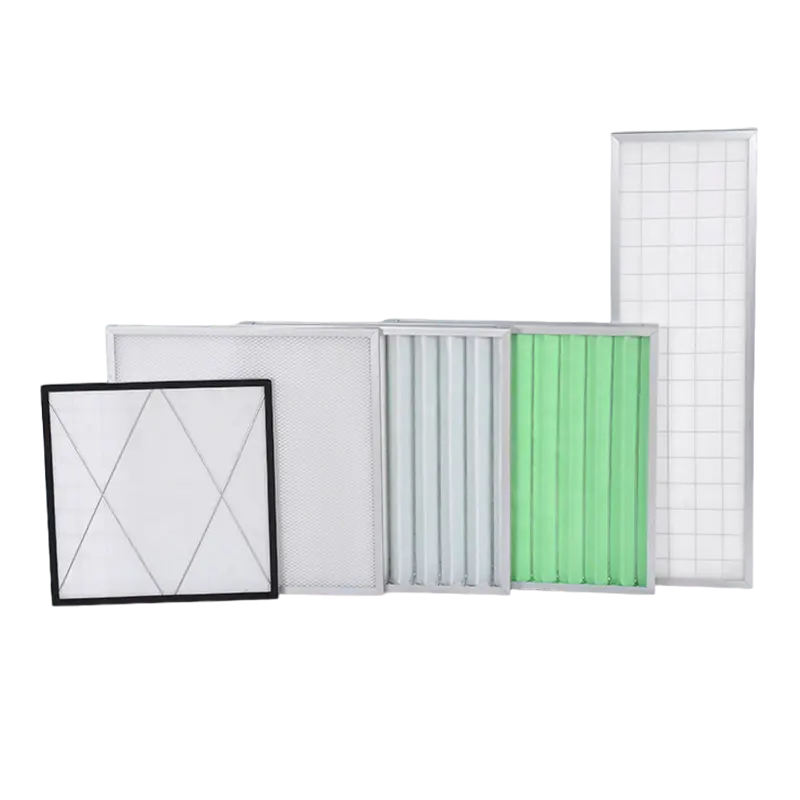
Надежный производитель должен производить точные размеры и толщину, которые идеально соответствуют вашим конкретным потолочным камерам.. Вам нужна гибкость, чтобы заказывать такие форматы, как рулоны или предварительно нарезанные листы, в зависимости от вашего процесса установки и площади объекта..
За пределами физических размеров, вы должны зафиксировать технические характеристики Фильтруя носитель сам. Поставщики должны предлагать индивидуальные конфигурации, точно соответствующие вашим эксплуатационным требованиям..
- Классы фильтрации: Подтвердите регулируемые рейтинги M5 или F5 в зависимости от ваших целевых требований к расходу воздуха и улавливанию частиц..
- Вес носителя: Укажите точный вес и пылеемкость, чтобы максимально продлить срок службы фильтра..
- Функциональные методы лечения: Оцените такие варианты, как синтетические волокна высокой плотности или огнестойкие покрытия для оптимальной безопасности и производительности..
Оценка ассортимента продукции и стандартов соответствия
Никогда не предполагайте, что стандартный продукт подходит для любого промышленного применения.. Ознакомьтесь с базовыми спецификациями производителя, чтобы убедиться, что его носитель соответствует вашим эксплуатационным условиям., особенно в отношении термостойкости и строгих правил техники безопасности. Прежде чем утвердить полный производственный цикл, требовать физические прототипы. Тестирование этих образцов позволяет проверить эффективность фильтрации., проверить качество материала, и убедитесь, что система подходит лично.
- Допуск температуры: Убедитесь, что стандартные фильтры выдерживают пиковую температуру до 120°C для таких требовательных сред, как камеры для выпечки..
- Стандарты безопасности: Убедитесь, что материалы соответствуют строгим нормам пожарной безопасности, например UL900-Class2 или DIN53438-F1..
- Гибкость производства: Оцените их способность поддерживать индивидуальный брендинг., индивидуальные требования к упаковке, и быстрые графики поставок.
Шаг 4: Обзор контроля качества и сертификации
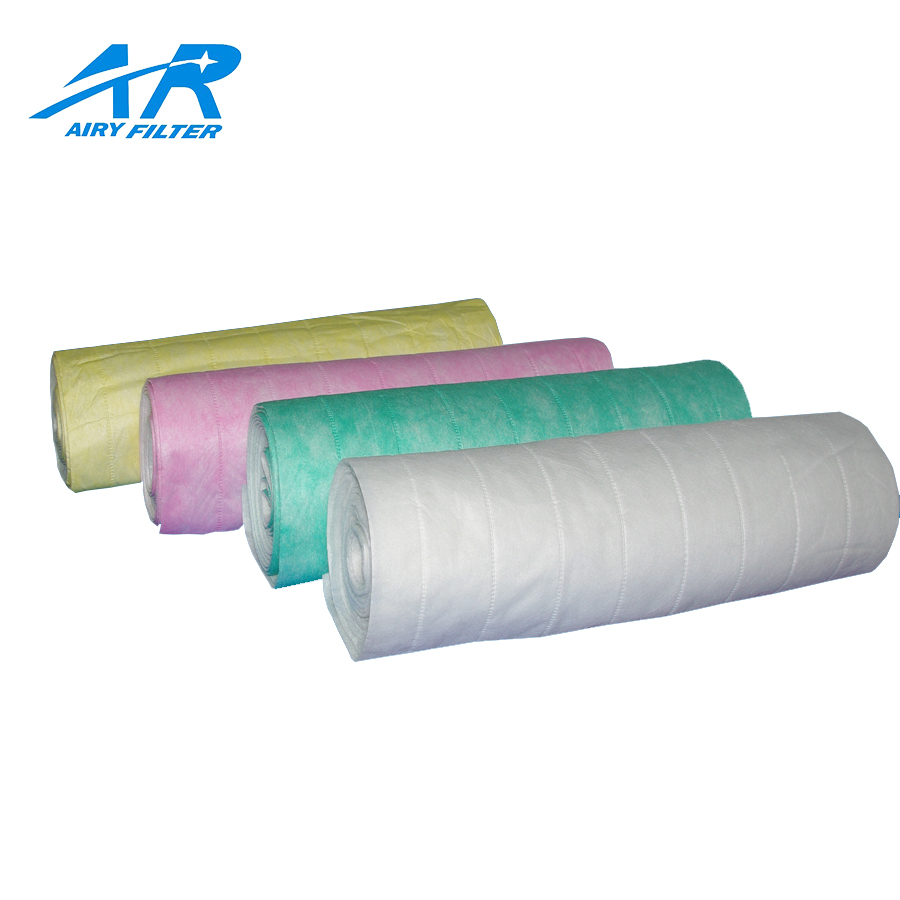
Строгий контроль качества и отраслевые сертификаты гарантируют, что ваши потолочные фильтры будут работать под давлением., предотвращение дорогостоящего загрязнения и обеспечение соответствия требованиям чистых помещений.
| Стандартный / Тест | Область фокуса |
|---|---|
| В 1822 & Iso 29463 | Эффективность удаления частиц и глобальное признание HEPA |
| Iso 9001 | Стандартизированные производственные линии и многоуровневые проверки |
| UL 900 | Огнестойкость и основы строительства систем отопления, вентиляции и кондиционирования воздуха |
| Ашра 52.2 & 62.1 | Минимум Рейтинги МЕРВ для систем вентиляции |
Ключевые тесты контроля качества
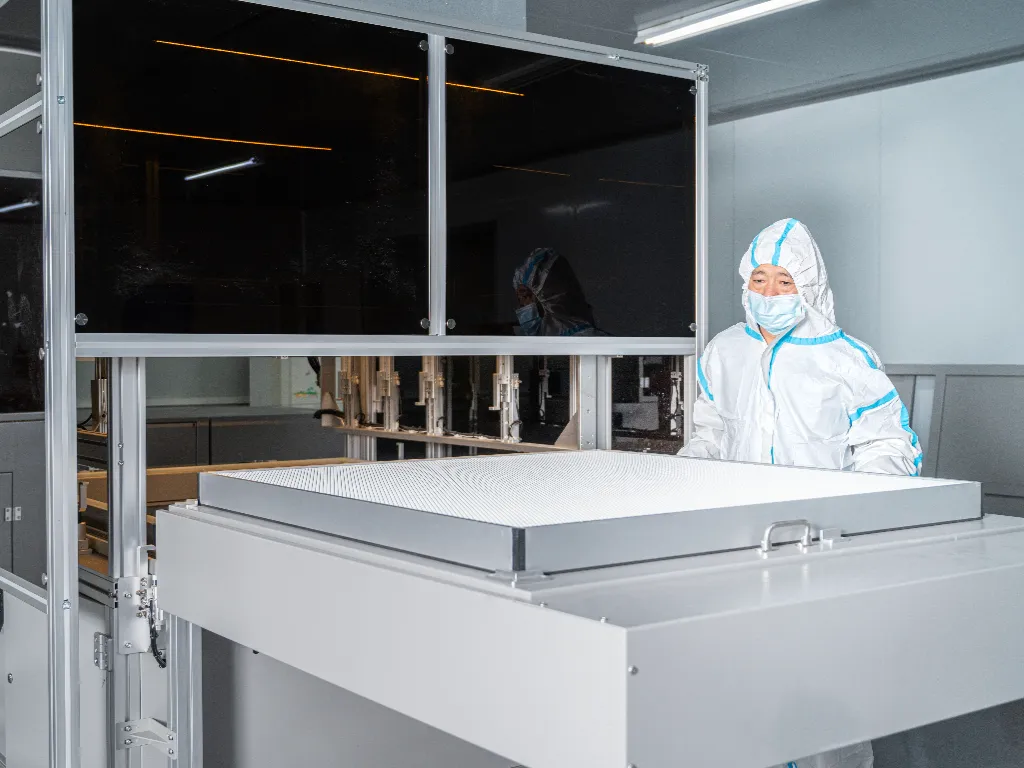
Надежные производители перед отправкой своих потолочных фильтров проходят строгие физические и эксплуатационные испытания.. Этот процесс подтверждает, что носитель эффективно улавливает загрязнения, не ограничивая поток воздуха..
- Эффективность удаления частиц: Технические специалисты проводят испытания аэрозолей и тесты на количество частиц, чтобы подтвердить попадание фильтров в EN. 1822 и ISO 29463 ориентиры.
- Показатели расхода и давления: Инспекторы измеряют начальный перепад давления, взрывная сила, и производительность воздушного потока. Это балансирует потребление энергии с необходимой пропускной способностью воздуха..
- Утечка и целостность уплотнения: Команды выполняют Bubble Point, диффузионный поток, и испытания на выдержку давления. Они тщательно проверяют швы и соединения, чтобы предотвратить утечки из байпаса, которые разрушают среду чистых помещений..
- Прочность материала: Помещения проверяют воздухопроницаемость, вес в граммах, предел прочности, и плотность стежков, чтобы убедиться, что носитель выдерживает эксплуатационные нагрузки.
Сертификаты и отраслевые стандарты
Сертификаты доказывают, что поставщик следует установленным правилам, а не срезает углы.. Запросите документацию по этим конкретным отраслевым стандартам, чтобы защитить ваше предприятие и обеспечить соответствие нормативным требованиям..
- Iso 9001: Этот стандарт диктует стандартизированные производственные линии., тестирование сырья, и строгие трехуровневые проверки с участием операторов, супервайзеры, и окончательный контроль качества.
- В 1822 и ISO 29463: Заводские испытания в соответствии с этими нормами гарантируют глобальное признание потолочных фильтров HEPA.. Они требуют классификации эффективности и индивидуальной сертификации для каждого агрегата..
- UL 900: Этот базовый уровень определяет строгую огнестойкость., строительство, и правила эксплуатации блоков воздушных фильтров, работающих в коммерческих системах отопления, вентиляции и кондиционирования воздуха..
- Ашра 52.2 и 62.1: Эти мандаты определяют минимальные рейтинги MERV для удаления частиц., определение точных требований к системе вентиляции, которым должно соответствовать ваше предприятие.
Шаг 5: Оцените отраслевой опыт и примеры проектов
Отдавайте приоритет производителям с проверенным опытом решения проблем с пылью, характерной для потолков.. Практические примеры, подтверждающие срок службы и масштабируемость индивидуальных фильтров, не подлежат обсуждению для крупносерийных производственных предприятий..
Оценка специализации и возможностей производителя
Общий опыт фильтрации воздуха недостаточен при производстве потолочной плитки.. Вам нужны производственные команды с подтвержденным опытом решения проблем, связанных с потолками.. Это означает, что они точно знают, как фильтровать свет., пушистую пыль и одновременное удаление смешанного мусора, такого как твердые куски и мягкие волокна..
Оцените их технические возможности, найдя два конкретных инженерных навыка.:
- Импульсно-струйные альтернативы: Оцените их способность разрабатывать собственные фильтры без стандартной импульсной струйной очистки.. Такой выбор конструкции позволяет использовать портативные пылесосы, работающие на пропане, в ограниченных производственных помещениях..
- Уменьшение очистки вручную: Подтвердите, что их инженерные решения активно сокращают вашу зависимость от ручных методов очистки, таких как лопаты., метлы, или сжатый воздух.
Анализ реальных проектов и тревожные сигналы
Никогда не принимайте маркетинговые заявления поставщика за чистую монету.. Всегда запрашивайте анонимные или именные тематические исследования непосредственно у других производителей потолочной плитки.. Вы должны использовать эти документы для проверки фактического срока службы фильтра., скорость улавливания пыли, и насколько хорошо система масштабируется на нескольких объектах.
Просмотрите их прошлые проекты специально для количественного повышения эффективности.. Ищите достоверные данные, доказывающие, что их системы устраняют затраты на внешние вакуумные машины или значительно снижают требования к ежедневному техническому обслуживанию..
Будьте начеку во время процесса оценки. Определите эти критические предупреждающие знаки перед подписанием каких-либо контрактов.:
- Нерелевантные портфели: Полное отсутствие случаев работы с потолками или опыта работы с плиточной пылью..
- Жесткая инфраструктура: Сильная зависимость от непереносных систем, которым требуются инженерные коммуникации или сжатый воздух..
- Плохое удержание: Отсутствие повторных заказов или развертываний на нескольких объектах из существующей клиентской базы..
Шаг 6: Подтвердите время выполнения, минимальный заказ, и стабильность поставок
Подтвердить 4 до 12 недель выполнения заказов и надежных программ инвентаризации, таких как «точно в срок» или «на заказ», чтобы гарантировать бесперебойные поставки потолочных фильтров для вашего предприятия..
Обзор графиков поставок и производственных мощностей
Наличие рабочей силы и поставок сырья напрямую определяют скорость производства и сроки выполнения заказов во всей отрасли.. Когда вы размещаете большие запросы, превышающие стандартный минимальный объем заказа. (минимальный заказ), поставщики обычно управляют объемом, разделяя заказ на еженедельные поставки в шахматном порядке..
- Стандартный потолочные фильтры: 4 к 12 недель в зависимости от типа продукта и уровня настройки.
- Потолочные системы для больниц: 10 к 12 недель для проведения строгого тестирования производительности и соответствия.
- Стандартные решетки и диффузоры: 6 недели для базовых конфигураций.
Оценка программ управления запасами и поставок
Ведущие производители предлагают специальные структуры поставок, соответствующие вашим складским мощностям и темпам производства.. Выберите модель, которая лучше всего подходит для работы вашего предприятия.
- Программы в наличии: Обеспечьте доступность доставки на следующий день для высокого спроса, стандартные потолочные фильтры.
- Производство под заказ: Поддержка пользовательских спецификаций, не требуя от покупателей больших буферов запасов..
- Своевременная поставка: Доставляйте запланированные поставки через предсказуемые промежутки времени, чтобы уменьшить неопределенность при предварительном заказе..
Всегда запрашивайте разъяснения о зависимости от сырья и количественных ограничениях при подтверждении долгосрочной стабильности поставок у потенциальных партнеров.. Этот шаг выявляет скрытые узкие места и защищает ваши производственные линии от непредвиденных дефицитов..
Шаг 7: Сравнить образцы, Услуга, и техническая поддержка
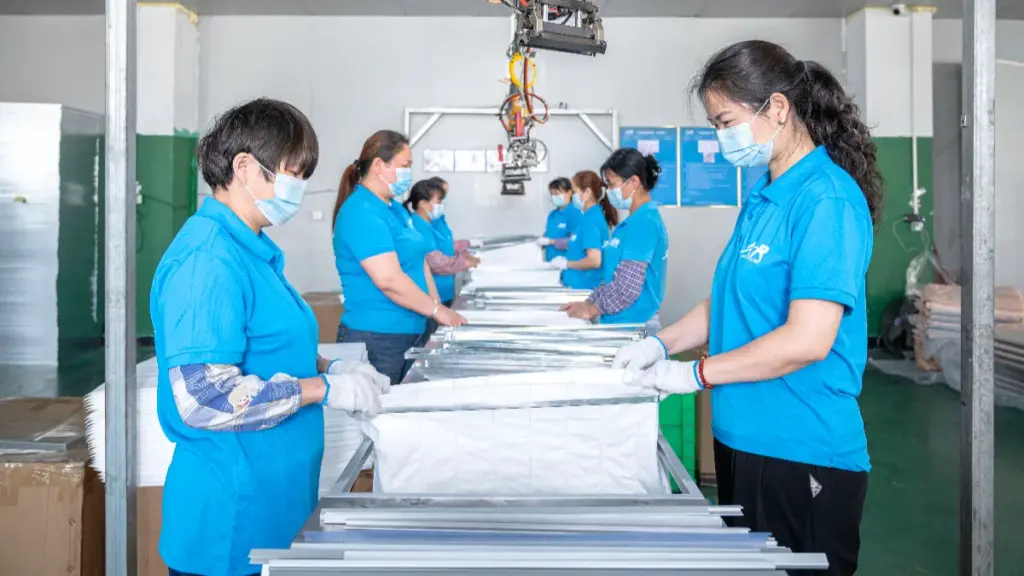
Запрос физических образцов и проверка протоколов поддержки поставщиков предотвращают дорогостоящие простои и гарантируют, что ваши потолочные фильтры соответствуют строгим требованиям предприятия..
Оцените образцы физического фильтра
Никогда не делайте оптовый заказ, не проверив образцы физических потолочных фильтров в реальных условиях.. Составьте короткий список производителей и запросите образцы, чтобы лично оценить плотность носителя и конструкцию рамы.. Вам необходимо проверить заявленную производительность на соответствие отраслевым стандартам, таким как ISO. 16890 или конкретные рейтинги MERV с использованием вашего собственного испытательного оборудования.
Визуальный осмотр показывает, что скрывают спецификации. Проверьте фильтры на герметичность., единообразие СМИ, и общая долговечность. Эта практическая оценка гарантирует, что фильтры будут соответствовать вашим конкретным требованиям. 2026 требованиям объекта и предотвращает сбои при установке, которые приводят к перепуску воздуха в потолочных камерах..
Оценка обслуживания и технической поддержки поставщика
Производительность фильтра имеет значение только в том случае, если поставщик обеспечивает ее надежным сервисом.. Оцените операционную инфраструктуру производителя, чтобы убедиться, что он может минимизировать время простоя вашего предприятия..
- Время ответа: Просмотрите их показатели выполнения технических запросов., претензии по гарантии, и запросы на регулярное техническое обслуживание.
- Специализированная поддержка: Подтвердите, что они предлагают специальную помощь по установке., калибровка системы, и устранение проблем с воздушным потоком.
- Отзывы клиентов: Запросите отраслевые рекомендации, чтобы подтвердить надежность поставщика в поддержании согласованных графиков поставок и послепродажного обслуживания..
Непосредственное общение с текущими клиентами раскрывает правду о стабильности поставок и технической компетентности поставщика.. Выбирайте партнера с проверенным опытом решения операционных задач..
Шаг 8: Сравнить общую стоимость, Не только цена за единицу
Сосредоточение внимания исключительно на цене за единицу скрывает долгосрочные расходы.. Оценка совокупной стоимости владения показывает, как фильтры премиум-класса снижают общие расходы за счет экономии энергии., сокращение труда, и увеличенный срок службы системы.
Компоненты совокупной стоимости владения
Покупатели часто смотрят на первоначальный счет и принимают решение, исходя из наименьшего числа.. Такой подход игнорирует реальность эксплуатации промышленных покрасочных камер и коммерческих систем отопления, вентиляции и кондиционирования.. Вам необходимо учитывать весь жизненный цикл, чтобы понять ваши фактические расходы..
- Частота замены: Бюджетные фильтры, основанные на электростатическом заряде, быстро теряют эффективность., требует в три-четыре раза больше замен, чем механические фильтры.
- Труд и утилизация: Более длительные интервалы замены напрямую сокращают время ручного труда и затраты на утилизацию отходов, связанные с частыми заменами..
- Энергопотребление: Фильтры премиум-класса поддерживают постоянный поток воздуха и предотвращают скопление пыли на змеевиках., сохранение энергопотребления значительно ниже, чем у грязных бюджетных альтернатив.
- Нагрузка на систему: Прочные рамы в фильтрах высокого уровня противостоят турбулентности, минимизация преждевременных отказов систем отопления, вентиляции и кондиционирования и дорогостоящих простоев объектов.
Действенная основа для оценки ценности
Вам нужны точные цифры, чтобы оправдать переход с бюджетных фильтров на премиум-фильтры.. Создайте сравнительную модель, охватывающую все переменные, влияющие на прибыль вашего предприятия..
- Исходные данные: Соберите первоначальные цены за единицу, ожидаемая продолжительность жизни, годовой объем использования, почасовая оплата труда, и местные затраты на электроэнергию.
- Расчет совокупной стоимости владения: Объедините цену за единицу, трудозатраты на один раунд замены, энергетические штрафы от перепадов давления, и регулярное обслуживание системы.
- Неценовые факторы: Оцените критически важные показатели производительности, такие как рейтинги MERV., огнестойкость, сопротивление воздушному потоку, и сертификаты соответствия безопасности.
- Реальный бенчмаркинг: Протестируйте бюджетные продукты с высокими продажами в сравнении с вариантами премиум-класса в вашей среде, чтобы оценить фактическую экономию затрат и повышение эффективности..
Использование этой математики переводит разговор о закупках с предложения поштучной цены на операционную эффективность.. Менеджеры объектов, которые внедряют эту систему, последовательно обеспечивают лучшее качество воздуха при одновременном снижении годовых операционных бюджетов..
Готовы сотрудничать с Airy?
Партнерство с Airy позволяет интегрировать запатентованный фильтрующий материал с потолочными платформами для соблюдения строгих нормативных ограничений и оптимизации общей стоимости жизненного цикла..
Мы Эйри Фильтр, производитель промышленных средств фильтрации воздуха и потолочных фильтров для покрасочных камер..
- Стабильные поставки: 200,000+ единиц/месяц от 18+ автоматизированные линии
- Быстрая доставка: 7–10 дней стандарт, срочные заказы в приоритете
- Реальный стенд подходит: несколько оценок, толщина, и эффективность для различных систем воздушного потока
- Проверка предварительного заказа: образцы готовы через 3–5 дней для реальных испытаний
- Контроль затрат: более длительный срок службы снижает частоту замены
- Гибкий минимальный заказ: поддерживает пробные и оптовые заказы
- Готов к экспорту: оптимизированная упаковка для безопасной доставки по всему миру
Чтобы оценить совместимость вашего проекта покрасочной камеры, Вы можете запросить образцы или поделиться своими спецификациями с нашей командой инженеров для получения быстрого предложения и технических рекомендаций..
Часто задаваемые вопросы
Какие данные должен предоставить поставщик потолочных фильтров?
Надежный поставщик должен предоставить Сертификат соответствия. (CoC), технические паспорта, и детали отслеживания партии. Вы также должны получить данные о производительности, такие как рейтинги эффективности., кривые падения давления, и производительность воздушного потока. Если возможно, запросить первую проверку товара (ФАИ) отчеты или результаты выборочных испытаний для проверки согласованности перед оптовыми заказами.
Какие сертификаты должны иметь производители фильтров для покрасочных камер??
Ищите ИСО 9001 по управлению качеством и ISO 16890 или RU 1822 для производительности фильтрации. Для покрасочных камер, стандарты пожарной безопасности, такие как UL 900 также важны. Эти сертификаты указывают на то, что производитель соблюдает контролируемые производственные процессы и соответствует основным требованиям безопасности и производительности для промышленных сред..
Могу ли я заказать нестандартные размеры для проектов покрасочной камеры??
Да, большинству производителей потолочных фильтров нравится Воздушный фильтр поддержка нестандартных размеров и форматов. Вы можете заказать предварительно нарезанные панели., рулонный носитель, или фильтры по размерам вашего стенда. Предоставление точных замеров, данные о воздушном потоке, и сведения о применении помогают обеспечить правильную установку фильтров и их работу должным образом, не вызывая перепуска или ограничений воздушного потока..
Как мне сравнить поставщиков потолочных фильтров помимо цены??
Сосредоточьтесь на общей стоимости владения, а не только на цене за единицу продукции.. Сравните такие факторы, как срок службы фильтра., капля давления, энергетическое воздействие, и частота замены. Также ознакомьтесь с сертификатами, данные тестирования, и образец производительности. Немного более высокие первоначальные затраты часто могут сократить расходы на техническое обслуживание., труд, и затраты энергии с течением времени.
Каковы признаки некачественного фильтрующего материала?
Некачественные фильтры часто имеют короткий срок службы., неравномерное распределение волокон, и плохая герметизация. Вы можете заметить более быстрое засорение, более высокий перепад давления, или обход пыли. Такие материалы, как базовая пена или тонкие синтетические слои, обычно указывают на более низкую производительность.. Несоответствующие размеры или слабые рамы также могут привести к проблемам с установкой и воздушным потоком..
Должен ли я запрашивать образцы перед размещением оптовых заказов??
Да, тестирование образцов – один из самых надежных способов оценить поставщика. Позволяет проверить соответствие, уплотнение, Производительность воздушного потока, и долговечность в вашей покрасочной камере. Даже небольшие различия в носителях или структуре могут повлиять на производительность., поэтому выборочное тестирование помогает снизить риск перед принятием крупных заказов..
Последние мысли
Погоня за самой низкой ценой на потолочные фильтры создает опасную иллюзию экономии, которая в конечном итоге разрушает ваше лакокрасочное покрытие и увеличивает эксплуатационные расходы.. Обновление до строгого ISO 16890 стандарты и строгий контроль качества OEM защищают ваше предприятие от неожиданных простоев и дорогостоящих доработок.. Просчитанные инвестиции в фильтрующие материалы премиум-класса остаются вашей самой сильной защитой от штрафов со стороны регулирующих органов и нарушения условий чистых помещений..
Для команд, которым необходимо стабильное качество, индивидуальный размер, или больший контроль над долгосрочными поставками, работая напрямую с производителем воздушных фильтров потолочной кабины, например Воздушный фильтр может сделать процесс более предсказуемым. Наша инженерная поддержка и подход к выборочному тестированию позволяют вам сопоставить производительность фильтрации с фактическими условиями вашей камеры перед масштабированием..