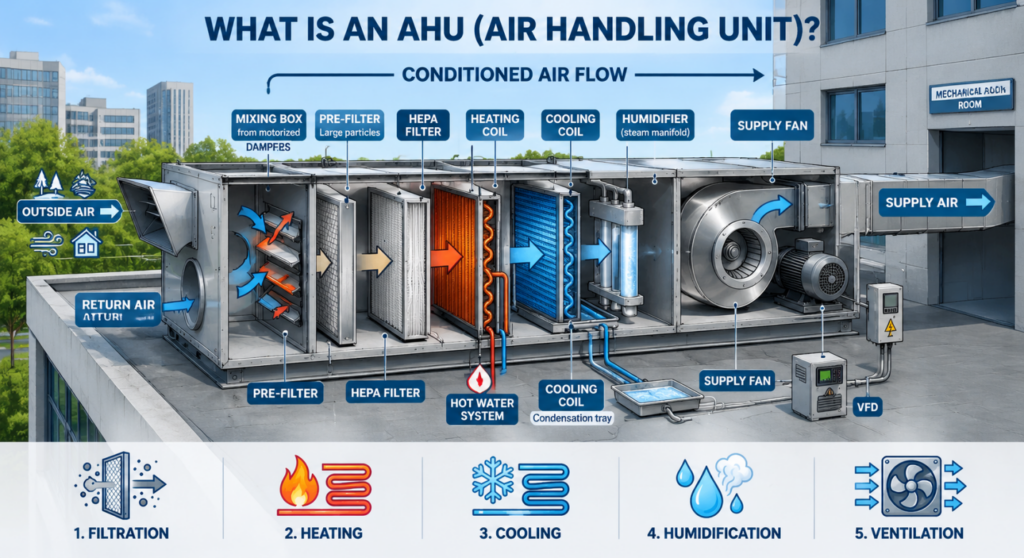
غالبًا ما يواجه مشتري مرشحات التدفئة والتهوية وتكييف الهواء (HVAC) في جنوب شرق آسيا فشلًا مبكرًا في المرشح بسبب الرطوبة العالية, مواد غير مناسبة, أو عدم كفاية التحقق من المورد. عند شراء مرشحات التدفئة والتهوية وتكييف الهواء (HVAC) من الصين, التغاضي عن عوامل مثل القدرة على التكيف مع المناخ, أداء انخفاض الضغط, ويمكن أن تؤدي الموثوقية على المدى الطويل إلى عمر خدمة أقصر وتكاليف صيانة غير متوقعة.
يساعد هذا الدليل أصحاب المشاريع ومقاولي التدفئة والتهوية وتكييف الهواء على تقييم الموردين الصينيين من خلال بيانات الأداء التي تم التحقق منها, عمليات مراقبة الجودة, وقدرات تصنيع المعدات الأصلية. ويشرح كيفية تقييم مواصفات المرشح, تقارير الاختبار, وموثوقية التصنيع للحد من مخاطر الشراء.
لماذا تحتاج مشاريع جنوب شرق آسيا إلى موردي فلاتر التدفئة والتهوية وتكييف الهواء (HVAC) الموثوق بهم

تواجه مشاريع التدفئة والتهوية وتكييف الهواء (HVAC) في جنوب شرق آسيا تحديات فريدة في مجال الترشيح بسبب الظروف المناخية, متطلبات التطبيق الصارمة, ومتطلبات التشغيل على المدى الطويل. يساعد المورد الموثوق به على ضمان أداء مستقر طوال دورة حياة النظام.
تحديات الرطوبة العالية وجودة الهواء في جنوب شرق آسيا
تعمل أنظمة التدفئة والتهوية وتكييف الهواء (HVAC) في جنوب شرق آسيا في ظروف حارة ورطبة معظم أيام العام. يمكن أن تؤثر مستويات الرطوبة العالية على مواد التصفية, بينما يزيد التلوث الحضري والغبار الصناعي من الحمل الواقع على أنظمة الترشيح.
لهذه البيئات, يحتاج الموردون إلى تزويد المرشحات بالوسائط المناسبة, بناء مستقر, وبيانات الأداء التي تتوافق مع ظروف التشغيل المحلية. قد تتسبب المرشحات التي لا يمكنها الحفاظ على تدفق الهواء وكفاءته في ظل الظروف الرطبة في دورات استبدال أسرع وتقليل أداء التدفئة والتهوية وتكييف الهواء (HVAC)..
توريد موثوق لمشاريع التدفئة والتهوية وتكييف الهواء (HVAC) واسعة النطاق
للمشاريع واسعة النطاق, يرتبط توفر المرشح ارتباطًا وثيقًا بجداول البناء وتشغيل النظام. يمكن أن يؤثر تأخير التسليم على تشغيل نظام التدفئة والتهوية وتكييف الهواء (HVAC)., خطط الصيانة, وتشغيل المرافق مثل المستشفيات, مراكز البيانات, ومصانع التصنيع.
ينبغي أن يكون لدى مورد مرشح التدفئة والتهوية وتكييف الهواء (HVAC) الموثوق به:
- القدرة الإنتاجية مستقرة: ضمان الإمداد المستمر لكل من التثبيت الأولي واحتياجات الاستبدال المستقبلية.
- تجربة التصدير: المساعدة في إدارة الشحن الدولي, الوثائق, ومتطلبات التسليم.
- التواصل المستجيب: توفير التحديثات في الوقت المناسب عندما تتضمن المشاريع جداول زمنية ضيقة أو متطلبات عاجلة.
متطلبات ضمان الجودة والامتثال
الصناعات المختلفة لديها توقعات مختلفة لأداء تنقية الهواء. مرافق الرعاية الصحية, مصانع الأدوية, وغالبًا ما تتطلب مشاريع غرف الأبحاث مرشحات تلبي مستويات كفاءة محددة ومتطلبات التوثيق.
أبعد من توفير نوع الفلتر المناسب, يجب على الموردين ذوي الخبرة فهم مواصفات المشروع وتقديم المعلومات الفنية اللازمة لدعم التثبيت, تقتيش, وعمليات الصيانة.
التحكم في التكلفة على المدى الطويل من خلال أداء مرشح أفضل
لا يمثل سعر شراء مرشح التدفئة والتهوية وتكييف الهواء (HVAC) تكلفته الكاملة أثناء التشغيل. يؤثر أداء الفلتر بشكل مباشر على استهلاك الطاقة, تردد الصيانة, وكفاءة النظام.
يركز المورد الموثوق به على القيمة طويلة المدى من خلال مساعدة العملاء على اختيار المرشحات:
- انخفاض الضغط المتوازن: تقليل استهلاك الطاقة غير الضروري مع الحفاظ على كفاءة الترشيح.
- عمر خدمة أطول: تقليل تكرار الاستبدال وعبء أعمال الصيانة.
- أداء متسق: دعم التشغيل المستقر لنظام التدفئة والتهوية وتكييف الهواء (HVAC) على مدى فترات طويلة.
أنواع مرشحات التدفئة والتهوية وتكييف الهواء (HVAC) المتاحة من الشركات المصنعة الصينية
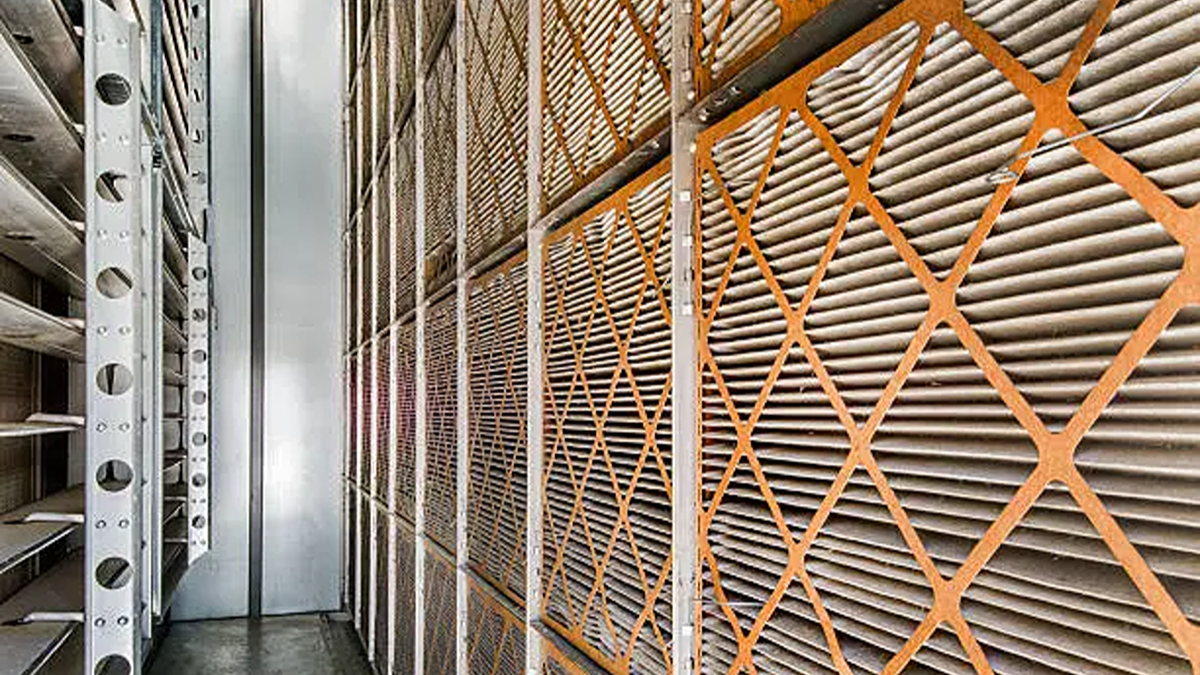
يقدم المصنعون الصينيون كل أنواع مرشحات التدفئة والتهوية وتكييف الهواء (HVAC)., من الألواح السكنية الأساسية إلى وحدات HEPA/ULPA المتقدمة لغرف الأبحاث, التوافق مع المعايير العالمية لأي تطبيق تقريبًا.
مرشحات الجسيمات القياسية لأنظمة التدفئة والتهوية وتكييف الهواء (HVAC) العامة
تغطي هذه الفئة المرشحات الأساسية لمعظم المباني السكنية والتجارية. وهي تركز على التقاط جزيئات أكبر لحماية المعدات وتوفير تحسين أساسي لجودة الهواء, تغطي مجموعة واسعة من الكفاءة.
- مرشحات الألياف الزجاجية (ميرف 1-4): هذه هي أبسط, خيار منخفض التكلفة. وتتمثل مهمتهم الأساسية في حماية معدات التدفئة والتهوية وتكييف الهواء (HVAC) نفسها من الجزيئات الكبيرة مثل الوبر والغبار الخشن, عدم تحسين جودة الهواء الداخلي بشكل ملحوظ للركاب.
- مرشحات مطوية (ميرف 8-13): ترقية مشتركة للمنازل والمكاتب. تصميم مطوي يزيد من مساحة السطح, مما يسمح لهم بالتقاط الجزيئات الدقيقة مثل حبوب اللقاح, قالب, ووبر الحيوانات الأليفة مع موازنة مقاومة تدفق الهواء واستخدام الطاقة.
- مرشحات الجيب/الحقيبة (ميرف 8-15): مع كبيرهم, جيوب ممتدة, تتمتع هذه المرشحات بقدرة عالية جدًا على الاحتفاظ بالغبار. إنها مثالية لوحدات معالجة الهواء المركزية (وحدات مناولة الهواء) في المساحات التجارية الكبيرة مثل المولات, المطارات, والمنشآت الصناعية.
مرشحات الخلايا الصلبة وعالية الكفاءة
عندما تكون نقاء الهواء أمر بالغ الأهمية, توفر هذه المرشحات الأداء اللازم للبيئات الصعبة مثل المستشفيات, المختبرات, ومرافق التصنيع ذات التقنية العالية. يضمن بنائها استقرارًا, أداء موثوق به في ظل تدفق الهواء العالي.
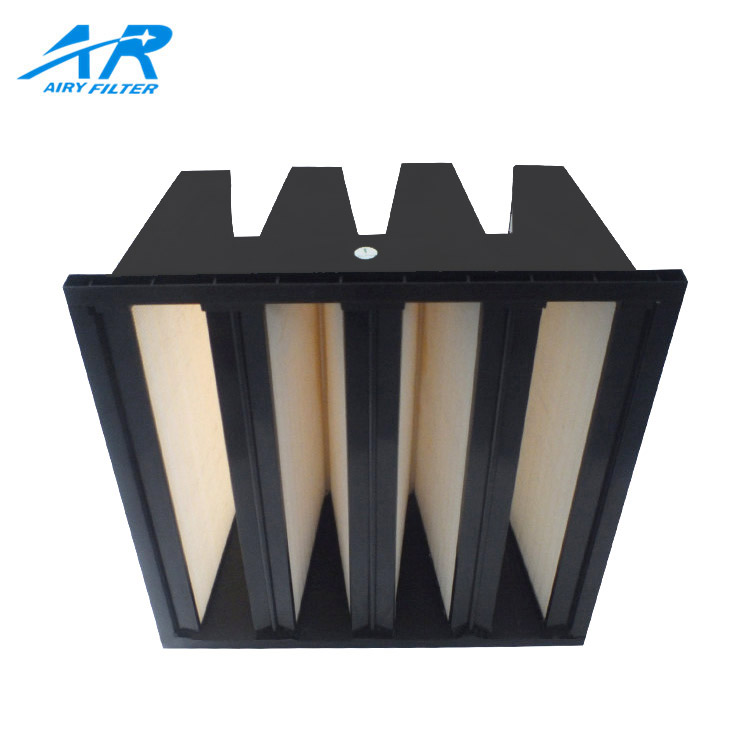
- صندوق جامد & مرشحات V-Bank (ميرف 11-15+): بنيت من أجل الاستقرار, تقوم هذه المرشحات بتعبئة كمية كبيرة من الوسائط في حجم صغير, إطار جامد. تعتبر تصميمات V-bank فعالة بشكل خاص في الحفاظ على مقاومة منخفضة في أنظمة تدفق الهواء العالية الموجودة في الرعاية الصحية والتصنيع.
- مرشحات HEPA: المعيار لتنقية الهواء. يلتقط مرشح HEPA الحقيقي على الأقل 99.97% من الجسيمات المحمولة جوا في 0.3 ميكرومتر (ميكرومتر). وهي غير قابلة للتفاوض بالنسبة لغرف العمليات في المستشفى, المختبرات, وغرف النظافة.
- مرشحات أولبا: للتطبيقات الأكثر حساسية مثل تصنيع أشباه الموصلات, ULPA (هواء الاختراق منخفض الانخفاض) المرشحات تتجاوز HEPA, مما يوفر كفاءة ترشيح أكبر للصغار, أصعب الجزيئات التي يمكن التقاطها.
مرشحات الكربون المنشط لإزالة الغاز والروائح
ليست كل مشاكل جودة الهواء ناتجة عن جزيئات صلبة. مرشحات الكربون المنشط تم تصميمها خصيصًا لامتصاص الملوثات الغازية, المركبات العضوية المتطايرة (المركبات العضوية المتطايرة), والروائح غير المرغوب فيها التي تمر عبر مرشحات الجسيمات القياسية. يتم تصنيعها باستخدام حبيبات الكربون المنشط أو الوسائط المملوءة بالكربون ويتم تثبيتها عادةً كمرحلة ترشيح ثانوية في المكاتب, المواقع الصناعية, وأكشاك الطلاء.
الوسائط المتخصصة والمرشحات الوقائية المسبقة
بعض التطبيقات تستفيد منها وسائل الإعلام المتقدمة أو نهج متعدد المراحل لتحسين الكفاءة أو إطالة عمر المرشحات الأولية باهظة الثمن.
- الوسائط الكهروستاتيكية: تستخدم هذه الوسائط شحنة ثابتة لجذب والتقاط الجسيمات الدقيقة مثل PM2.5. الميزة الرئيسية هي تحقيق كفاءة أعلى دون زيادة كبيرة في مقاومة تدفق الهواء, مما يساعد على توفير الطاقة.
- مرشحات ألياف النانو: تتميز هذه المرشحات بطبقة رقيقة جدًا من الألياف النانوية على مادة أساسية. تعمل هذه الطبقة على تحسين التقاط الجزيئات متناهية الصغر التي قد تفوتها المرشحات الأخرى, تحسين جودة الهواء بشكل عام.
- المرشحات المسبقة الخشنة: هذه غير مكلفة, مرشحات منخفضة الكفاءة مثبتة في الجزء الأمامي من نظام الترشيح. مهمتهم الوحيدة هي التقاط الحطام الكبير, حماية أكثر تكلفة, مرشحات ذات كفاءة أعلى في اتجاه مجرى النهر وإطالة عمر الخدمة.
احصل على تصفية معتمدة, من النموذج الأولي إلى الإنتاج
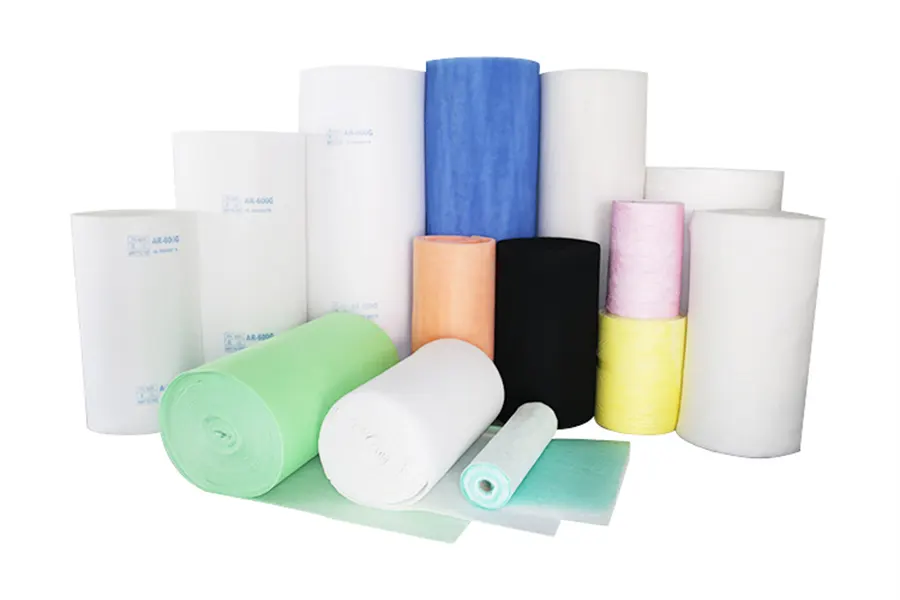
كيفية تقييم مورد مرشح HVAC في الصين
إن العثور على مورد مناسب لمرشحات التدفئة والتهوية وتكييف الهواء (HVAC) في الصين يتطلب أكثر من مجرد مقارنة كتالوجات المنتجات. يحتاج المشترون إلى التحقق من القدرة التقنية, موثوقية التصنيع, وقدرة المورد على دعم متطلبات المشروع على المدى الطويل.
قائمة مراجعة سريعة لتقييم موردي مرشح التدفئة والتهوية وتكييف الهواء (HVAC).
| منطقة التقييم | ما يجب على المشترين التحقق منه |
|---|---|
| أداء المنتج | معايير الترشيح, تقارير اختبار الأداء, تقييمات الكفاءة, بيانات انخفاض الضغط, والوثائق الفنية. |
| قدرة المصنع | عمليات الإنتاج, معدات التصنيع, أنظمة مراقبة الجودة, والقدرة على الحفاظ على جودة المنتج متسقة. |
| القدرة على التخصيص | دعم صانعي القطع الأصلية, أحجام مخصصة, خيارات المواد, متطلبات التعبئة والتغليف, والتحقق من صحة العينة قبل الإنتاج الضخم. |
| دعم الموردين | كفاءة الاتصال, الدعم الفني, تنسيق التسليم, والقدرة على التعاون على المدى الطويل. |
التحقق من أداء المنتج والامتثال الفني
تتمثل الخطوة الأولى في التأكد من قدرة المورد على توفير المرشحات التي تتوافق مع متطلبات نظام التدفئة والتهوية وتكييف الهواء (HVAC) الخاص بك. يجب على الموردين الموثوقين دعم مطالبات منتجاتهم بمواصفات واضحة, بيانات الاختبار, والمعايير ذات الصلة.
- معايير الترشيح: تحقق مما إذا كان المورد يمكنه التصنيع وفقًا لمعايير مثل ISO 16890, أشراي 52.2/ميرف, أو إن 1822 لمرشحات HEPA.
- بيانات الأداء: مراجعة المعلمات الرئيسية مثل كفاءة الترشيح, انخفاض الضغط, والقدرة على الاحتفاظ بالغبار.
- الوثائق الفنية: تأكد مما إذا كان المورد يمكنه تقديم أوراق بيانات المنتج, تقارير الاختبار, ووثائق الامتثال المطلوبة.
تقييم قدرة المصنع وإدارة الجودة
تؤثر القدرة الإنتاجية للمورد بشكل مباشر على اتساق المنتج, خاصة بالنسبة للمشاريع الكبيرة أو الطلبات المتكررة. يجب على المشترين التحقق مما إذا كانت الشركة المصنعة لديها المرافق المناسبة وضوابط الجودة المعمول بها.
تشمل المجالات الرئيسية للتقييم:
- مراقبة الإنتاج: ما إذا كانت العمليات الهامة مثل ضفائر وسائل الإعلام, ختم, ويتم إدارة التجميع بشكل فعال.
- فحص الجودة: ما إذا كان المورد يتحقق من المواد الخام, أبعاد, وأداء المنتج النهائي.
- القدرة التصنيعية: ما إذا كان المصنع يمكنه الحفاظ على جداول إنتاج مستقرة لمتطلبات المشروع.
تقييم التخصيص والدعم طويل الأمد
لمشاريع HVAC الدولية, غالبًا ما يحتاج الموردون إلى تقديم أكثر من المنتجات القياسية. تساعد القدرة القوية لتصنيع المعدات الأصلية والاتصالات الموثوقة على تجنب أخطاء المواصفات ودعم التعاون على المدى الطويل.
وتشمل العوامل الهامة:
- مرونة تصنيع المعدات الأصلية: القدرة على تخصيص أحجام المرشح, مواد, التصاميم, والتعبئة والتغليف على أساس احتياجات المشروع.
- التحقق من صحة العينة: الاستعداد لتقديم عينات للاختبار قبل الإنتاج الضخم.
- دعم المشروع: التواصل الواضح بشأن الأسئلة الفنية, تقدم الإنتاج, وترتيبات التسليم.
العلامات الحمراء الشائعة عند شراء مرشحات التدفئة والتهوية وتكييف الهواء (HVAC) من الصين
قبل المضي قدمًا مع المورد, يجب أن يكون المشترون على دراية بالعديد من العلامات التحذيرية التي قد تشير إلى مخاطر شراء أعلى:
- عدم وجود أدلة فنية: لا يمكن للمورد تقديم مواصفات واضحة, تقارير الاختبار, أو بيانات الأداء لدعم مطالبات المنتج.
- محدودية شفافية المصنع: لا يمكن للمورد إثبات قدرات الإنتاج, عمليات مراقبة الجودة, أو خبرة في التصنيع.
- دعم ضعيف للمشروع: المورد غير قادر على تقديم عينات, خيارات التخصيص, أو التواصل الواضح أثناء عملية التقييم.
تخصيص OEM ومراقبة الجودة لمرشحات التدفئة والتهوية وتكييف الهواء (HVAC).
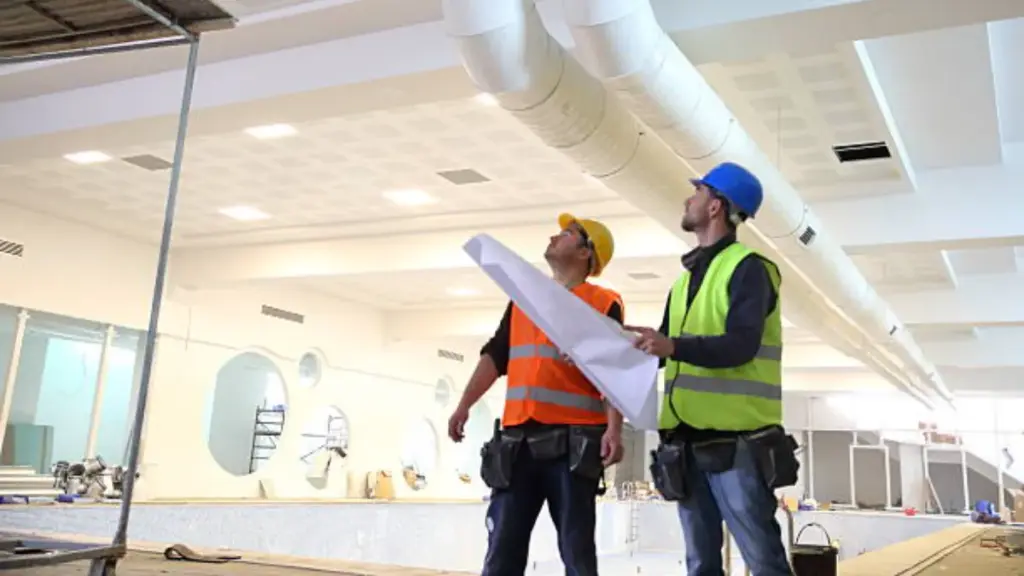
تتطلب مرشحات HVAC المخصصة تعاونًا وثيقًا بين المشترين والمصنعين. يساعد شريك OEM الموثوق به على ترجمة متطلبات النظام إلى مرشحات توفر أداءً مستقرًا, مناسبا, وجودة متسقة.
قائمة مراجعة سريعة لتخصيص مرشح HVAC لتصنيع المعدات الأصلية
| منطقة التخصيص | النقاط الرئيسية للتأكيد |
|---|---|
| تصميم المنتج | أبعاد التصفية, هيكل الإطار, طريقة الختم, نوع الوسائط, ومتطلبات الأداء. |
| التحقق من صحة النموذج الأولي | اختبار العينة, التحقق من أداء تدفق الهواء, والموافقة قبل الإنتاج الضخم. |
| ضبط الجودة | فحص المواد, مراقبة الإنتاج, الاختبار النهائي, وإدارة اتساق الدفعة. |
| دعم صانعي القطع الأصلية | المواصفات المخصصة, الاتصالات التقنية, ودعم الإمدادات على المدى الطويل. |
تحديد متطلبات التصفية المخصصة قبل الإنتاج
يبدأ مشروع OEM الناجح بمتطلبات فنية واضحة. قبل البدء بالتصنيع, يحتاج المشترون والموردون إلى تأكيد المواصفات الأساسية التي تحدد أداء الفلتر وتوافقه.
تشمل المعلمات الهامة:
- الأبعاد وتصميم الختم: أبعاد الفلتر دقيقة, مواد الإطار, ويساعد اختيار الحشية على منع تسرب الهواء وضمان التثبيت المناسب.
- أداء الترشيح: مستوى الكفاءة المطلوب, مثل ميرف, هيبا, أو تصنيف ULPA, يجب أن تتطابق مع بيئة التطبيق.
- اختيار وسائط التصفية: أنواع الوسائط المختلفة, بما في ذلك الألياف الاصطناعية, الكربون المنشط, والمواد المركبة, يتم اختيارها بناءً على الملوثات المستهدفة وظروف التشغيل.
- تدفق الهواء وانخفاض الضغط: يجب أن يوازن تصميم المرشح بين كفاءة الترشيح ومقاومة تدفق الهواء للحفاظ على كفاءة نظام التدفئة والتهوية وتكييف الهواء (HVAC)..
اتبع عملية تطوير منظمة لتصنيع المعدات الأصلية
إن تخصيص OEM لا يؤدي فقط إلى تغيير أبعاد المنتج. أنها تنطوي على التواصل, اختبار, والتحقق للتأكد من أن الفلتر النهائي يعمل بشكل صحيح في نظام التدفئة والتهوية وتكييف الهواء (HVAC) المستهدف.
تتضمن عملية التطوير النموذجية:
- تأكيد المتطلبات: يقوم المورد بمراجعة المواصفات الفنية, شروط التطبيق, وأهداف الأداء مع المشتري.
- تطوير النموذج الأولي: تنتج الشركة المصنعة عينات بناءً على متطلبات التصميم المعتمدة.
- التحقق من صحة الأداء: يتم اختبار العينات للتأكد من ملاءمتها, أداء تدفق الهواء, ونتائج الترشيح قبل الإنتاج الضخم.
- الموافقة على الإنتاج: يبدأ التصنيع بعد أن يؤكد الطرفان أن النموذج الأولي مطابق للمواصفات المتفق عليها.
تساعد هذه العملية على تقليل المخاطر مثل الحجم غير الصحيح, انخفاض الضغط المفرط, أو أداء مرشح غير متناسق بعد التثبيت.
ضمان الجودة من خلال التحكم متعدد المراحل
لمشاريع تصنيع المعدات الأصلية, يجب أن تغطي مراقبة الجودة عملية الإنتاج بأكملها بدلاً من فحص المنتجات النهائية فقط. تستخدم الشركة المصنعة الموثوقة نقاط فحص متعددة للحفاظ على الاتساق بين الدُفعات.
وتشمل المراحل الرئيسية لمراقبة الجودة:
- فحص المواد: وسائط التصفية, إطارات, مواد لاصقة, ويتم فحص المكونات الأخرى قبل الإنتاج.
- مراقبة الإنتاج: العمليات الحاسمة مثل الطيات, ختم, ويتم فحص التجميع للحفاظ على الدقة الهيكلية.
- الاختبار النهائي: يتم فحص المرشحات النهائية للأبعاد, مظهر, والأداء قبل الشحن.
- التحكم في تناسق الدفعة: تساعد سجلات الإنتاج وبيانات الفحص على ضمان مطابقة الطلبات المستقبلية للعينات المعتمدة.
شحن, اعتبارات التصديق والاستيراد لجنوب شرق آسيا

يتطلب استيراد مرشحات التدفئة والتهوية وتكييف الهواء (HVAC) إلى جنوب شرق آسيا تخطيطًا دقيقًا يتجاوز الإنتاج. حماية الشحن المناسبة, الوثائق, وتساعد فحوصات ملاءمة المناخ على منع التأخير ومشاكل الأداء بعد التسليم.
قائمة المراجعة السريعة لاستيراد مرشح التدفئة والتهوية وتكييف الهواء (HVAC) في جنوب شرق آسيا
| اعتبارات الاستيراد | النقاط الرئيسية للتأكيد |
|---|---|
| حماية الشحن | عبوة مقاومة للرطوبة, طرق الشحن المناسبة, ومسؤوليات التسليم واضحة. |
| وثائق الشهادة | المعايير المعمول بها, تقارير الاختبار, شهادات, ووثائق الامتثال الخاصة بالصناعة. |
| ملاءمة المناخ | مقاومة الرطوبة, أداء تدفق الهواء, بيانات انخفاض الضغط, وشروط الخدمة المتوقعة. |
حماية المرشحات أثناء الشحن الدولي
يمكن أن تتأثر مرشحات التدفئة والتهوية وتكييف الهواء (HVAC) بالنقل لمسافات طويلة, خاصة عندما تمر الشحنات عبر البيئات الحارة والرطبة. يساعد التخطيط السليم للتغليف واللوجستيات في الحفاظ على جودة المنتج قبل التثبيت.
وتشمل الاعتبارات الرئيسية:
- حماية الرطوبة: استخدم عبوات مخصصة للتصدير تحتوي على مواد مقاومة للرطوبة وإجراءات وقائية لتقليل التعرض للرطوبة أثناء النقل والتخزين.
- اختيار طريقة الشحن: الشحن البحري مناسب للطلبات بالجملة العادية, بينما قد يكون الشحن الجوي مفضلاً للمشاريع العاجلة أو مرشحات HEPA وULPA عالية القيمة.
- شروط التسليم: قم بتأكيد مصطلحات التجارة الدولية مثل FOB أو CIF لتحديد المسؤوليات بوضوح أثناء النقل.
إعداد الشهادات ووثائق الاستيراد
قد تتطلب الأسواق والصناعات المختلفة في جنوب شرق آسيا وثائق محددة قبل أن تتمكن مرشحات التدفئة والتهوية وتكييف الهواء (HVAC) من دخول البلاد. يساعد إعداد هذه المستندات مسبقًا على تجنب التأخير الجمركي ويدعم الموافقة على المشروع.
تشمل المتطلبات المشتركة:
- المعايير الدولية: التحقق من الامتثال للمعايير ذات الصلة مثل ISO 16890 لمرشحات التهوية العامة وEN 1822 لمرشحات HEPA وULPA.
- وثائق الاختبار: إعداد أوراق بيانات المنتج, تقارير الأداء, وشهادات المطابقة عند الاقتضاء.
- متطلبات الصناعة: المشاريع في الرعاية الصحية, الأدوية, وقد تتطلب بيئات غرف الأبحاث وثائق امتثال إضافية بناءً على اللوائح المحلية.
التحقق من الأداء للظروف المناخية الاستوائية
قد لا تقدم المرشحات المصممة للمناخات المعتدلة نفس الأداء في البيئة الحارة والرطبة في جنوب شرق آسيا. يجب على المشترين التأكد من أن المرشحات المختارة يمكنها الحفاظ على الكفاءة في ظل ظروف التشغيل المحلية.
تشمل الشيكات الهامة:
- مقاومة الرطوبة: تأكد من أن مواد التصفية يمكن أن تحافظ على الاستقرار الهيكلي في البيئات عالية الرطوبة.
- بيانات الأداء: مراجعة معلومات الاختبار المتعلقة بهبوط الضغط, تدفق الهواء, وخدمة الحياة.
- تخطيط الصيانة: فكر في دورات استبدال أقصر في المناطق ذات مستويات الغبار العالية أو التشغيل المستمر لنظام التدفئة والتهوية وتكييف الهواء (HVAC)..
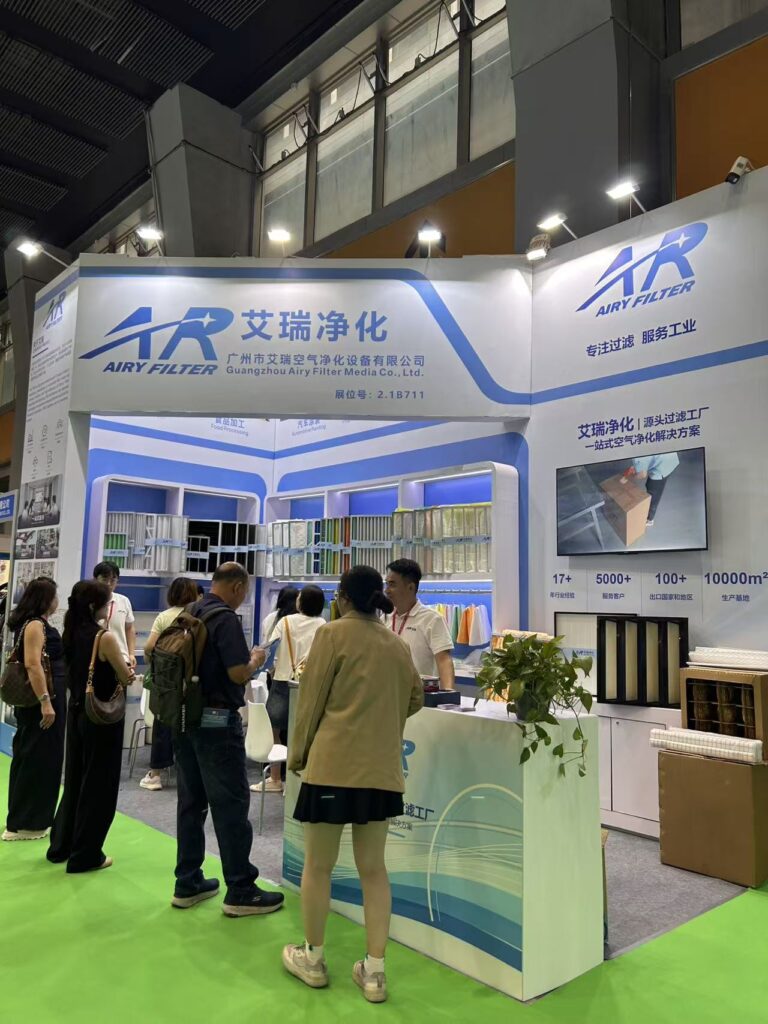
كيف تدعم Airy مشاريع الترشيح العالمية لأنظمة التدفئة والتهوية وتكييف الهواء (HVAC).
توفر Airy حلولًا مخصصة لتنقية الهواء للمشاريع العالمية, الجمع بين الخبرة في تصنيع المرشحات, الدعم الهندسي, ومراقبة الجودة لمساعدة العملاء على تحقيق أداء موثوق للتدفئة والتهوية وتكييف الهواء (HVAC)..
هندسة التصفية المخصصة لتطبيقات مختلفة
غالبًا ما تتطلب مشاريع التدفئة والتهوية وتكييف الهواء (HVAC) أكثر من أحجام المرشحات القياسية. تحتاج البيئات المختلفة إلى حلول محددة بناءً على ظروف تدفق الهواء, أهداف الترشيح, ومتطلبات التشغيل.
تعمل Airy مع العملاء لتطوير منتجات الترشيح بناءً على احتياجات التطبيقات الخاصة بهم, مشتمل:
- تخصيص التصفية: ضبط أبعاد الفلتر, اختيار الوسائط, هيكل الإطار, ومتطلبات الأداء لأنظمة التدفئة والتهوية وتكييف الهواء (HVAC) المختلفة.
- الحلول القائمة على التطبيق: توفير منتجات الترشيح للسيارات, الإلكترونيات, الأدوية, معالجة الأغذية, تجاري HVAC, و التطبيقات الصناعية.
- الدعم الفني: مساعدة العملاء على تحقيق التوازن بين كفاءة الترشيح, انخفاض الضغط, وعمر الخدمة أثناء تطوير المنتج.
بدءًا من المرشحات البديلة وحتى حلول OEM المخصصة, تركز Airy على تطوير المنتجات التي تتوافق مع ظروف التشغيل الحقيقية بدلاً من تقديم خيارات مقاس واحد يناسب الجميع.
القدرة على التصنيع وضمان الجودة
تعتمد مشاريع التدفئة والتهوية وتكييف الهواء (HVAC) الموثوقة على جودة الإنتاج المتسقة. كشركة مصنعة لمرشحات الهواء من ذوي الخبرة, تتحكم Airy في عمليات التصنيع الرئيسية للحفاظ على أداء مستقر للمنتج عبر الطلبات المختلفة.
تركز عملية التصنيع على:
- مراقبة المواد: اختيار وسائط ومكونات الترشيح المناسبة بناءً على الكفاءة المطلوبة وظروف التطبيق.
- اتساق الإنتاج: الحفاظ على دقة المنتج من خلال عمليات التصنيع المهنية وإجراءات التفتيش.
- التحقق من الأداء: التحقق من مواصفات المنتج ومتطلبات الجودة قبل الشحن.
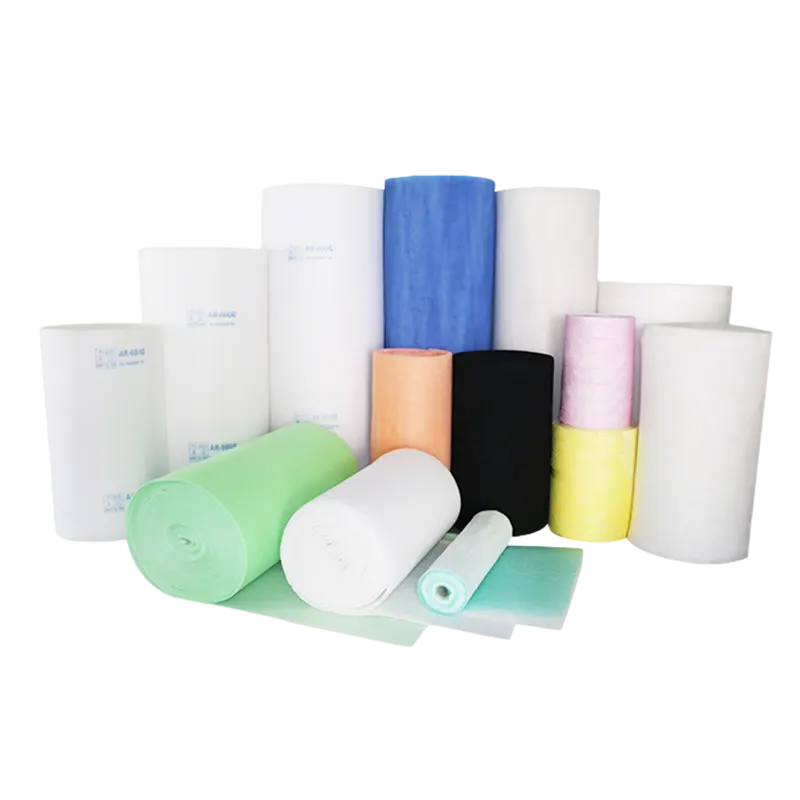
توفر Airy مجموعة واسعة من منتجات الترشيح, بما في ذلك مرشحات الهواء HVAC, مرشحات HEPA, مرشحات الجيب, مرشحات اللوحة, مرشحات الكربون المنشط, وحلول الترشيح المخصصة للتطبيقات الصناعية.
دعم موثوق لمشاريع التدفئة والتهوية وتكييف الهواء (HVAC) العالمية
تتطلب مشاريع التدفئة والتهوية وتكييف الهواء (HVAC) الدولية اتصالات مستقرة, إنتاج مرن, والتعاون الموثوق. تدعم Airy العملاء بدءًا من المناقشات الفنية وحتى الإنتاج المخصص والإمداد على المدى الطويل.
للمشترين العالميين, يوفر إيري:
- دعم مشروع OEM: المساعدة في المواصفات المخصصة, النماذج الأولية, ومتطلبات الإنتاج.
- تصنيع حسب الطلب: دعم متطلبات المنتج المختلفة, بما في ذلك مواد التصفية, أبعاد, وخيارات التعبئة والتغليف.
- تجربة التوريد العالمية B2B: خدمة الموزعين, مصنعي المعدات, والعملاء الصناعيين الذين لديهم حلول الترشيح.
من خلال الجمع بين القدرة على التصنيع وخبرة الترشيح, Airy يساعد مقاولي التدفئة والتهوية وتكييف الهواء, الموزعين, ويعمل أصحاب المشاريع على تقليل مخاطر التوريد وبناء حلول موثوقة لإمدادات الترشيح على المدى الطويل.
الأفكار النهائية
يعتمد ترشيح نظام التدفئة والتهوية وتكييف الهواء (HVAC) الموثوق به على الأداء الذي تم التحقق منه, مواد مناسبة, وجودة التصنيع متسقة. عند شراء مرشحات التدفئة والتهوية وتكييف الهواء (HVAC) من الصين, يجب على أصحاب المشاريع التركيز على الموثوقية على المدى الطويل, متطلبات الامتثال, وظروف التشغيل بدلاً من التكلفة قصيرة المدى وحدها. يساعد التقييم المناسب للموردين على تقليل المخاطر مثل الاستبدال المبكر, نفايات الطاقة, ومشاكل الصيانة غير المتوقعة.
الهواء تدعم العملاء العالميين بحلول مرشحات HVAC المخصصة, التوجيه الفني, ودعم التصنيع الموثوق. سواء كنت بحاجة إلى مرشحات قياسية أو منتجات OEM لتطبيقات محددة, اتصل بـ Airy لمناقشة متطلبات مشروعك وتطوير حل ترشيح يناسب احتياجات نظامك.
الأسئلة المتداولة
كيف يمكنني التحقق من الشركة المصنعة لمرشح HVAC في الصين?
يجب على المشترين تقييم القدرة الإنتاجية للشركة المصنعة, نظام إدارة الجودة, الوثائق الفنية, والخبرة في المشاريع الدولية. مراجعة مرافق المصنع, تقارير اختبار المنتج, إمكانية تتبع المواد, وتساعد إجراءات مراقبة الجودة على التأكد من قدرة المورد على توفير حلول مرشحات HVAC مستقرة وموثوقة.
ما هي الشهادات التي يجب أن يقدمها موردو مرشحات التدفئة والتهوية وتكييف الهواء (HVAC) للمشاريع الدولية؟?
تختلف متطلبات الشهادة حسب التطبيق, صناعة, وسوق الوجهة. عادةً ما يقدم موردو مرشحات التدفئة والتهوية وتكييف الهواء (HVAC) المحترفون شهادات الجودة, تقارير اختبار المنتج, والوثائق الفنية للتحقق من أداء الترشيح. تدعم شركة Shenzhen Airy Filter Media العملاء بالوثائق اللازمة لتقييم المشروع ومراجعة الامتثال.
هل يمكن لمصنعي مرشحات HVAC في الصين توفير حلول مرشحات مخصصة?
نعم. يوفر العديد من الشركات المصنعة المحترفة حلول مرشحات HVAC مخصصة بناءً على متطلبات المشروع, بما في ذلك أبعاد التصفية, اختيار الوسائط, مواد الإطار, طرق الختم, والتعبئة والتغليف. تعمل شركة قوانغتشو Airy Filter Media مع العملاء لتطوير منتجات الترشيح المناسبة للتطبيقات الصناعية وبيئات التشغيل المختلفة.
هل يجب أن أطلب عينات من مرشحات التدفئة والتهوية وتكييف الهواء (HVAC) قبل تقديم طلب بالجملة؟?
للطلبات المخصصة أو ذات الحجم الكبير, يساعد اختبار العينة المشترين على تأكيد جودة المنتج قبل الإنتاج الضخم. تسمح العينات بالتحقق من الأبعاد, بناء, الأداء المادي, والتوافق مع أنظمة التدفئة والتهوية وتكييف الهواء (HVAC) الموجودة. تقلل هذه العملية من خطر تلقي المرشحات التي لا تلبي متطلبات المشروع.
ما هي العوامل التي تؤثر على تكلفة مرشحات HVAC من الصين?
تعتمد تكلفة مرشحات التدفئة والتهوية وتكييف الهواء (HVAC) على عوامل مثل حجم الفلتر, مستوى الكفاءة, نوع الوسائط, تصميم الإطار, كمية الطلب, ومتطلبات التخصيص. يجب على المشترين النظر في التكلفة الإجمالية للملكية, بما في ذلك خدمة الحياة, استهلاك الطاقة, وتردد الصيانة, بدلاً من مقارنة الموردين فقط بالسعر الأولي.