ตัวกรองฝ้าเพดานห้องพ่นสีช่วยให้อากาศที่เข้ามาสะอาดและกระจายทั่วถึง, ซึ่งจำเป็นสำหรับการตกแต่งที่เรียบเนียนและปราศจากข้อบกพร่อง. แต่ตัวกรองทุกตัวมีอายุการใช้งานที่จำกัด. หากใช้งานนานเกินไป, กระแสลมอาจลดลง, การปนเปื้อนสามารถเพิ่มขึ้นได้, และคุณภาพของสีอาจลดลงได้. ดังนั้น, เมื่อใดที่คุณควรเปลี่ยนตัวกรองฝ้าเพดานห้องพ่นสี? คำตอบขึ้นอยู่กับการใช้งานบูธ, คุณภาพอากาศ, สื่อกรอง, และแรงดันตก.
ในคู่มือนี้, เราอธิบายช่วงเวลาการเปลี่ยนทดแทนโดยทั่วไป, สัญญาณเตือน, ข้อผิดพลาดทั่วไป, และการเปลี่ยนทดแทนอย่างทันท่วงทีจะช่วยปกป้องทั้งคุณภาพการเคลือบและประสิทธิภาพของบูธได้อย่างไร.
อายุการใช้งานตัวกรองเพดานโดยทั่วไป
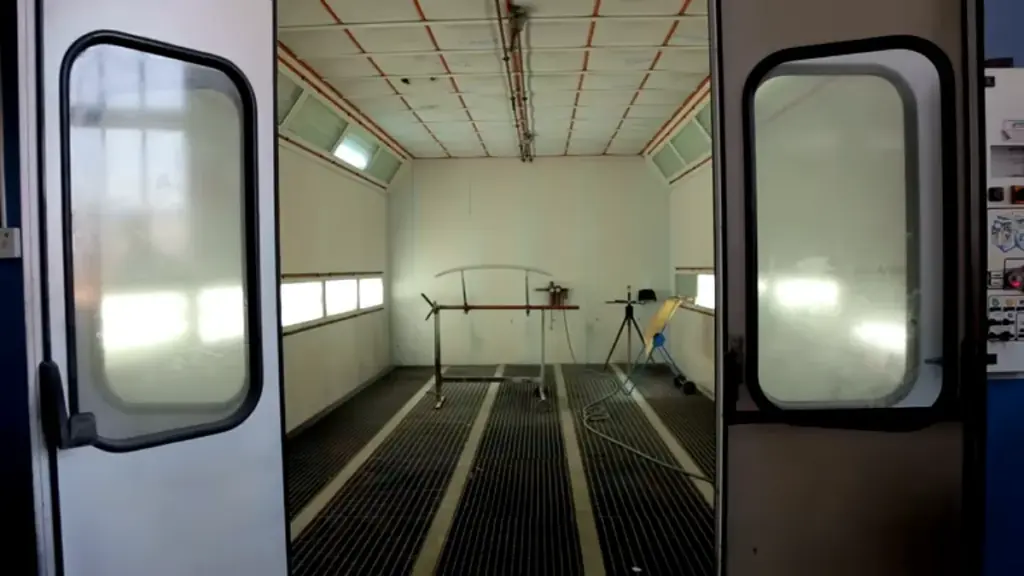
อายุการใช้งานตัวกรองฝ้าเพดานมีตั้งแต่หนึ่งเดือนสำหรับไฟเบอร์กลาสพื้นฐานไปจนถึงสองปีสำหรับหน่วย HEPA. ปัจจัยด้านสิ่งแวดล้อมและการใช้ HVAC จะกำหนดกำหนดการเปลี่ยนทดแทนที่แน่นอนของคุณ.
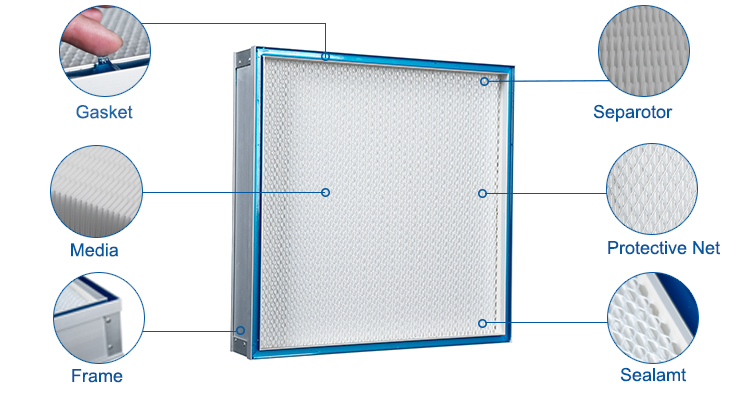
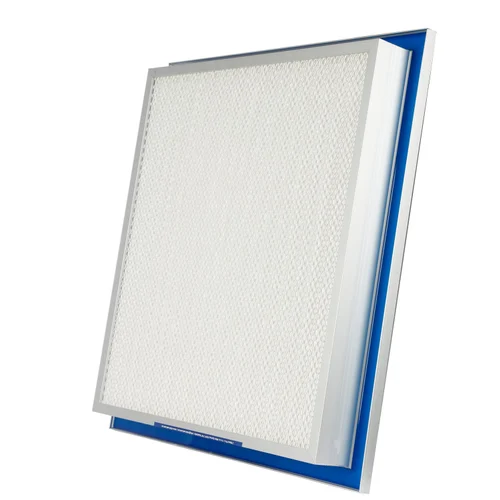
อายุการใช้งานของก ตัวกรองฝ้าเพดานห้องพ่นสี แตกต่างกันไปตามการออกแบบบูธ, ปริมาณการผลิต, คุณภาพสื่อกรอง, และสภาพแวดล้อม. ในตู้พ่นสีอุตสาหกรรมหลายแห่ง, ตัวกรองเพดาน มักจะถูกแทนที่ทุกๆ 3 ถึง 6 เดือน. ในการใช้งานหนักๆ, พวกเขาอาจจำเป็นต้องเปลี่ยนเร็วกว่านี้. ในการปฏิบัติงานที่สะอาดยิ่งขึ้นโดยมีปริมาณการผลิตน้อยลง, อาจอยู่ได้นานกว่า.
วิธีที่เป็นประโยชน์มากกว่าในการตัดสินอายุการใช้งานไม่ใช่โดยดูจากเวลาในปฏิทินเพียงอย่างเดียว, แต่ด้วยการผสมผสานระหว่างชั่วโมงการทำงานและสภาพของตัวกรอง. ตัวอย่างเช่น, บูธที่ทำงานในแต่ละวันหลายกะจะโหลดตัวกรองได้เร็วกว่าบูธที่ใช้เพียงไม่กี่ชั่วโมงต่อสัปดาห์มาก.
ระยะเวลาการเปลี่ยนโดยทั่วไปอาจมีลักษณะเช่นนี้:
- การปฏิบัติงานเบา: ทั้งหมด 6 ถึง 12 เดือน.
- การปฏิบัติงานระดับปานกลาง: ทั้งหมด 3 ถึง 6 เดือน.
- งานหนักหรืองานปริมาณมาก: ทั้งหมด 1 ถึง 3 เดือน.
ช่วงเหล่านี้เป็นเพียงข้อมูลอ้างอิงทั่วไปเท่านั้น. ตัวกรองฝ้าเพดานห้องพ่นสีระดับพรีเมียมพร้อมสารกรองความหนาแน่นแบบโปรเกรสซีฟอาจมีอายุการใช้งานยาวนานกว่าตัวกรองคุณภาพต่ำที่ใช้ในบูธเดียวกัน. ด้วยเหตุผลนั้น, การวางแผนการเปลี่ยนควรรวมการตรวจสอบการไหลเวียนของอากาศด้วย, การตรวจสอบความดัน, และการตรวจสอบการขัดสี.
หากเป้าหมายของคุณคือคุณภาพการเคลือบที่สม่ำเสมอ, ควรเปลี่ยนตัวกรองฝ้าเพดานก่อนเวลาเล็กน้อยดีกว่าสายเกินไป.

G3/G4 Paint Stop Air Filter Media Roll
ตัวกรองไอเสียไฟเบอร์กลาสที่เชื่อถือได้ ออกแบบมาเพื่อดักจับละอองสีและสเปรย์เคลือบในตู้พ่นสี, ช่วยให้การไหลเวียนของอากาศสะอาดขึ้นและลดการปนเปื้อนในพื้นที่ทำงาน.
- ความสามารถในการดักจับสีสูงสำหรับการรวบรวมการพ่นทับ
- เหมาะสำหรับพื้นห้องพ่นสีและการกรองไอเสีย
- ช่วยปรับปรุงความสะอาดของบูธและประสิทธิภาพการบำรุงรักษา
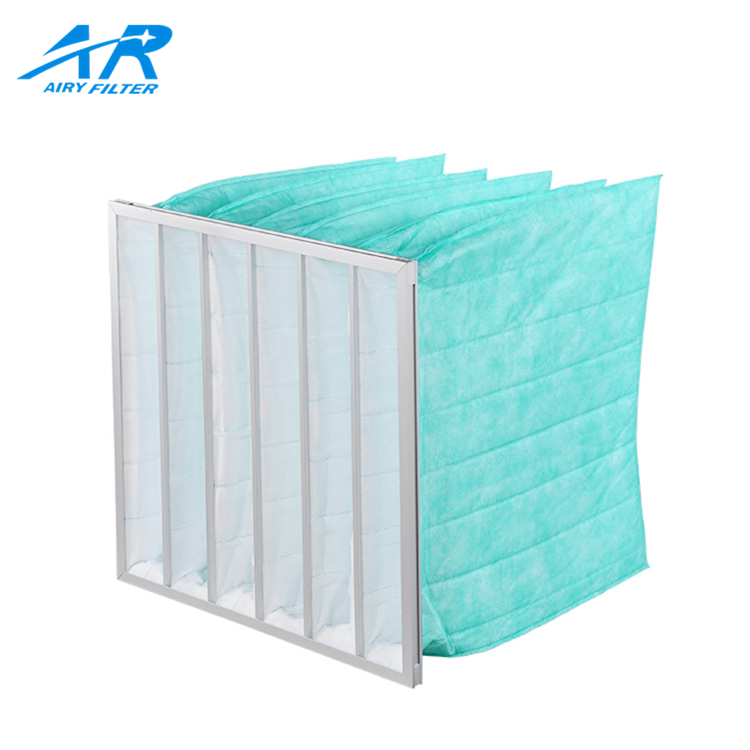
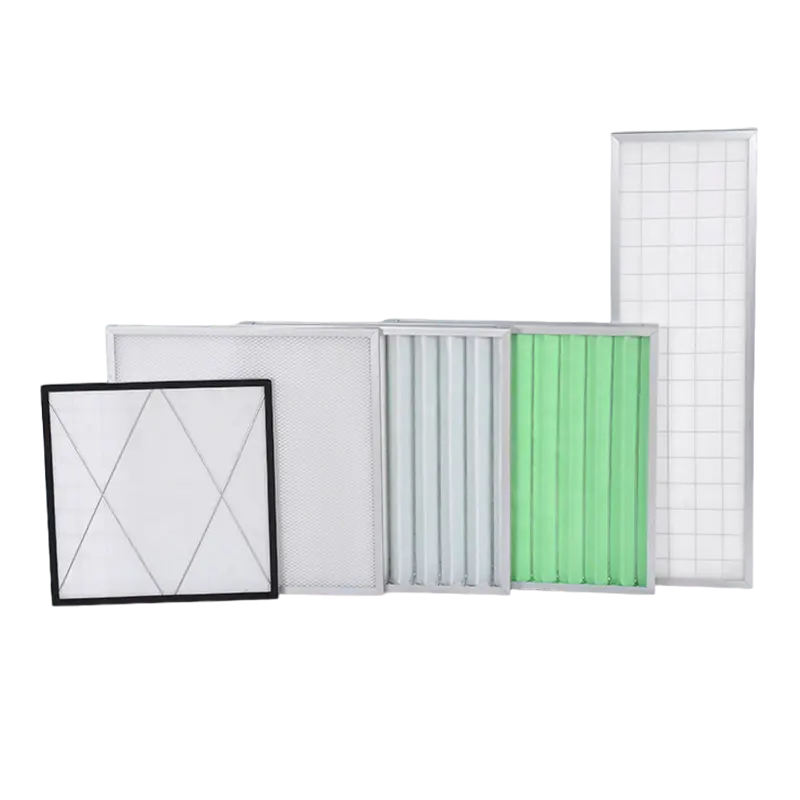
G4/F5/F6/F7/F8/F9 กระเป๋าผ้าไม่ทอกรอง
ถุงกรองประสิทธิภาพปานกลางสร้างขึ้นเพื่อการไหลเวียนของอากาศที่มั่นคงและประสิทธิภาพการกักเก็บฝุ่นที่มั่นคงในระบบ HVAC และระบบจัดการอากาศทางอุตสาหกรรมที่อายุการใช้งานยาวนานขึ้น.
- ความจุฝุ่นขนาดใหญ่พร้อมการออกแบบที่มีความต้านทานต่ำ
- ใช้ได้กับขั้นตอนการระบายอากาศทั่วไปและขั้นตอนการกรองล่วงหน้า
- รองรับการไหลเวียนของอากาศที่สม่ำเสมอในระบบเชิงพาณิชย์และอุตสาหกรรม
ปัจจัยที่ส่งผลต่อความถี่ในการเปลี่ยนแผ่นกรองฝ้าเพดาน
อายุการใช้งานตัวกรองฝ้าเพดานขึ้นอยู่กับสภาพแวดล้อมเฉพาะของคุณเป็นอย่างมาก, การใช้ระบบ HVAC, และประเภทตัวกรอง. พื้นที่ใช้สอยสูง, สัตว์เลี้ยง, และการทำงานอย่างต่อเนื่องจะช่วยลดระยะเวลาการเปลี่ยนทดแทนลงครึ่งหนึ่งเป็นประจำ.
ปัจจัยหลายประการมีอิทธิพลต่อความถี่ที่คุณควรเปลี่ยนตัวกรองฝ้าเพดานห้องพ่นสี. การทำความเข้าใจตัวแปรเหล่านี้สามารถช่วยให้คุณสร้างกำหนดการบำรุงรักษาได้อย่างชาญฉลาดยิ่งขึ้น และหลีกเลี่ยงปัญหาประสิทธิภาพการทำงานของบูธที่ไม่คาดคิด.
ความเข้มข้นในการใช้งานบูธ
ยิ่งบูธพ่นสีของคุณทำงานบ่อยแค่ไหน, ยิ่งตัวกรองฝ้าเพดานเก็บฝุ่นและอนุภาคในอากาศได้เร็วเท่าไร. การดำเนินงานที่มีปริมาณงานสูง, การผลิตแบบหลายกะ, และเส้นตกแต่งต่อเนื่องมักต้องมีการเปลี่ยนบ่อยกว่า.
ประเภทของกระบวนการพ่นสี
การใช้งานพ่นสีบางประเภททำให้เกิดการพ่นทับมากเกินไป, การปนเปื้อนในอากาศมากขึ้น, หรือข้อกำหนดการตกแต่งที่เข้มงวดยิ่งขึ้น. การรีไฟแนนซ์รถยนต์, การเคลือบการบินและอวกาศ, และการตกแต่งอุตสาหกรรมที่มีความมันเงามักต้องการอากาศที่สะอาดกว่าและการควบคุมการไหลเวียนของอากาศที่เข้มงวดกว่างานเคลือบทั่วไป.
คุณภาพอากาศในพื้นที่โดยรอบ
หากสภาพแวดล้อมโรงงานมีฝุ่นมาก, เส้นใย, ผง, หรือการปนเปื้อนจากการจราจร, ตัวกรองฝ้าเพดานจะโหลดเร็วขึ้น. สิ่งอำนวยความสะดวกใกล้ตัด, ขัด, บด, หรือบริเวณบรรจุภัณฑ์มักมีอายุการใช้งานตัวกรองสั้นลง.
คุณภาพสื่อกรอง
ตัวกรองฝ้าเพดานบูธพ่นสีบางชนิดไม่ทำงานในลักษณะเดียวกัน. สื่อคุณภาพสูงสามารถให้ความสามารถในการกักเก็บฝุ่นได้ดีขึ้น, การไหลเวียนของอากาศที่มั่นคงยิ่งขึ้น, และอายุการใช้งานยาวนานขึ้น. สื่อคุณภาพต่ำอาจอุดตันเร็วขึ้น, หลั่งเส้นใย, หรือสูญเสียประสิทธิภาพตั้งแต่เนิ่นๆ.
ข้อปฏิบัติในการบำรุงรักษาบูธ
บูธที่มีการดูแลทำความสะอาดไม่ดี, ตัวกรองล่วงหน้าเสียหาย, อากาศรั่ว, หรือการตรวจสอบไม่บ่อยนักมักจะใช้ตัวกรองฝ้าเพดานเร็วขึ้น. ในหลายกรณี, การเปลี่ยนตัวกรองชั้นแรกไอดีตรงเวลาสามารถช่วยยืดอายุของตัวกรองเพดานได้.
สภาพอุณหภูมิและความชื้น
สภาพแวดล้อมยังส่งผลต่อประสิทธิภาพของตัวกรองอีกด้วย. ความชื้นสูงสามารถเพิ่มการโหลดของอนุภาคและอาจส่งผลต่อการสะสมของสารปนเปื้อนในตัวกลาง. ในสภาพอากาศที่เรียกร้อง, การตรวจสอบตัวกรองควรบ่อยขึ้น.
คุณภาพการตกแต่งที่ต้องการ
หากสินค้าของคุณต้องการความเรียบเนียนมาก, เสร็จสิ้นปราศจากข้อบกพร่อง, คุณอาจต้องเปลี่ยนตัวกรองก่อนอายุการใช้งานสูงสุดที่เป็นไปได้. ในงานเก็บผิวละเอียดที่มีมูลค่าสูง, ความสะอาดของอากาศแม้เพียงเล็กน้อยก็สามารถสร้างการทำงานซ้ำที่มีราคาแพงได้.
ไส้กรองอากาศประสิทธิภาพสูงส่งตรงจากผู้ผลิต
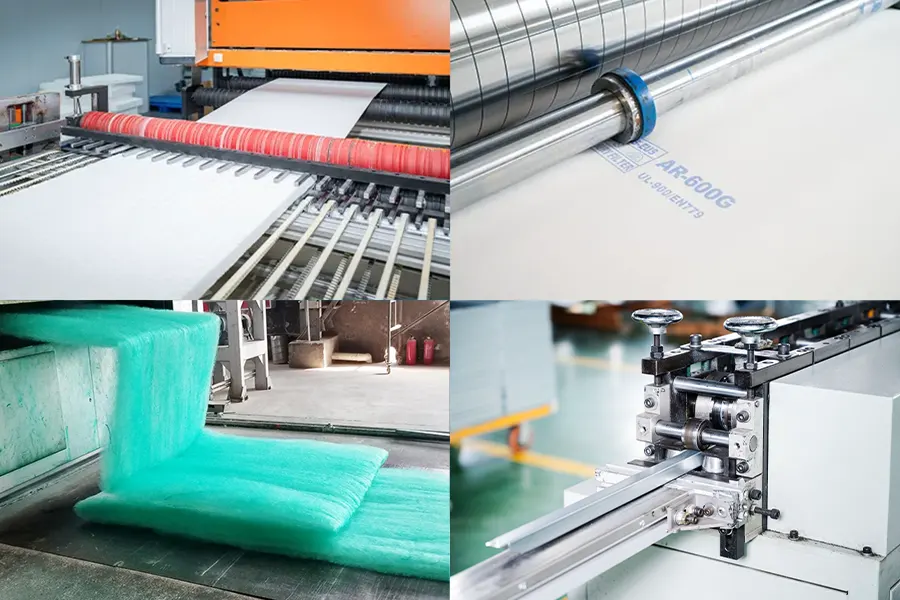
สัญญาณกรองฝ้าเพดานจำเป็นต้องเปลี่ยน
ตัวกรองฝ้าเพดานที่อุดตันจะระบายพลังงานและทำลายคุณภาพอากาศภายในอาคาร. การระบุสัญญาณเตือนล่วงหน้าจะช่วยป้องกันความเสียหายจาก HVAC และการหยุดทำงานของระบบซึ่งมีค่าใช้จ่ายสูง.
| หมวดหมู่ตัวบ่งชี้ | สัญญาณเตือนเฉพาะ | ผลกระทบของระบบ |
|---|---|---|
| ภาพ | การเปลี่ยนสีเป็นสีเทา & การสะสมของเศษซาก | ข้อจำกัดการไหลของอากาศที่สมบูรณ์ |
| การไหลของอากาศ | แรงกดดันที่อ่อนแอ & อุณหภูมิไม่สม่ำเสมอ | ความเครียดของมอเตอร์โบลเวอร์ |
| ประสิทธิภาพ | ค่าไฟพุ่งพรวด & รอบที่ยาวนาน | ต้นทุนการดำเนินงานที่สูงขึ้น |
| คุณภาพอากาศ | ฝุ่นส่วนเกิน & กลิ่นอับ | การหมุนเวียนของสารก่อภูมิแพ้ |
ตัวบ่งชี้ที่มองเห็นและการไหลของอากาศ
ตัวกรองฝ้าเพดานทำหน้าที่เป็นเกราะป้องกันหลักสำหรับระบบ HVAC ของคุณ. เมื่ออนุภาคเต็มความจุแล้ว, สัญญาณเตือนทางกายภาพจะปรากฏให้เห็นทันทีที่ระดับช่องระบายอากาศ.
- การอุดตันทางสายตา: ตรวจสอบพื้นผิวตัวกรองว่ามีการเปลี่ยนสีเทาหรือไม่, การสะสมของฝุ่น, หรือเศษซาก.
- การทดสอบแสง: ทำการทดสอบแสงเพื่อดูว่าตัวกรองปิดกั้นการส่องสว่างอย่างสมบูรณ์หรือไม่.
- ความดันลดลง: รู้สึกถึงความกดอากาศอ่อนๆ ที่ช่องระบายอากาศ ส่งผลให้อุณหภูมิห้องไม่เท่ากัน.
- เสียงผิดปกติ: ฟังเสียงกึกก้องหรือเสียงผิวปากที่ส่งสัญญาณความเครียดของระบบ HVAC.
สัญญาณประสิทธิภาพและคุณภาพอากาศ
เกินกว่าการอุดตันทางกายภาพ, ตัวกรองที่เกินกำหนดส่งผลกระทบโดยตรงต่อผลกำไรและสุขภาพของสถานประกอบการของคุณ. ระบบทำงานล่วงเวลาเพื่อดันอากาศผ่านสื่อที่อุดตัน, ผลักดันต้นทุนในขณะที่ไม่สามารถดักจับสารปนเปื้อนในอากาศได้.
- ยูทิลิตี้แหลม: เปรียบเทียบค่าพลังงานปัจจุบันกับเดือนก่อนๆ เพื่อระบุค่าไฟที่เพิ่มขึ้นอย่างไม่คาดคิด.
- ขยายเวลาการทำงาน: สังเกตว่าระบบทำความร้อนหรือทำความเย็นทำงานนานกว่าปกติเพื่อให้ถึงอุณหภูมิที่ตั้งไว้หรือไม่.
- บายพาสอนุภาค: ระวังฝุ่นส่วนเกินตกตะกอนบนพื้นผิวโดยตรงใต้ช่องระบายอากาศที่เพดาน.
- สุขภาพของผู้พักอาศัย: ติดตามสภาพแวดล้อมเพื่อหากลิ่นอับหรืออาการภูมิแพ้ที่เพิ่มขึ้นในหมู่ผู้โดยสาร.
ปัญหาที่เกิดจากการเปลี่ยนแผ่นกรองฝ้าเพดานล่าช้า
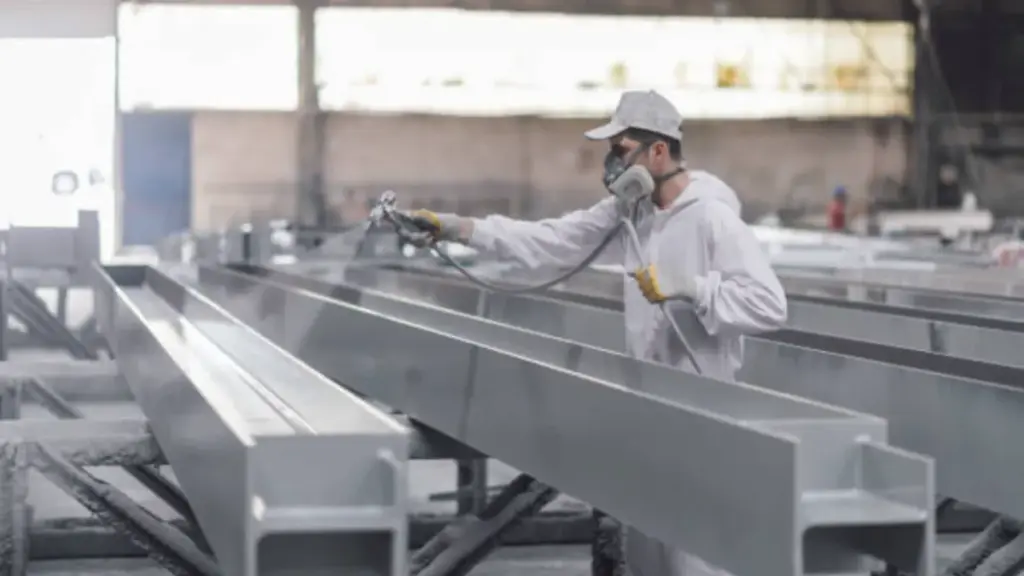
การชะลอการเปลี่ยนตัวกรองฝ้าเพดานทำให้ต้นทุนพลังงานพุ่งสูงถึง 15%, ทำให้มอเตอร์ HVAC เครียดจนเกิดความล้มเหลว, และลดคุณภาพอากาศภายในอาคารอย่างมากสำหรับผู้อยู่อาศัยที่มีความละเอียดอ่อน.
ประสิทธิภาพของระบบ HVAC และต้นทุนพลังงาน
ตัวกรองที่อุดตันจะจำกัดการไหลเวียนของอากาศ. การอุดตันทางกายภาพนี้ทำให้ระบบ HVAC ของคุณทำงานหนักขึ้นอย่างมากเพียงเพื่อรักษาการควบคุมอุณหภูมิขั้นพื้นฐานไว้. การทำงานภายใต้เงื่อนไขที่จำกัดเหล่านี้จะทำให้การใช้พลังงานโดยรวมเพิ่มขึ้น 5 ถึง 15 เปอร์เซ็นต์.
ค่าสาธารณูปโภครายเดือนของคุณสูงขึ้นเนื่องจากหน่วยทำความร้อนและความเย็นใช้พลังงานเพิ่มเติมเพื่อดันอากาศผ่านการอุดตันอย่างหนัก. มอเตอร์และโบลเวอร์ของระบบจะรับแรงกดดันนี้. ความเครียดทางกลอย่างต่อเนื่องนี้เร่งการสึกหรอของส่วนประกอบ และบ่อยครั้งทำให้อุปกรณ์เสียหายก่อนเวลาอันควร.
คุณภาพอากาศภายในอาคารและสุขภาพระบบทางเดินหายใจ
ตัวกรองที่เกินกำหนดจะหยุดจับอนุภาคในอากาศโดยสิ้นเชิง. แทนที่จะดักจับสารปนเปื้อน, สื่อที่อิ่มตัวช่วยให้มีฝุ่น, สปอร์ของเชื้อรา, และละอองเกสรดอกไม้เพื่อหลีกเลี่ยงตัวกรองและหมุนเวียนอย่างอิสระทั่วพื้นที่อยู่อาศัยของคุณ.
การสูดอากาศที่มีคุณภาพต่ำเข้าไปจะกระตุ้นให้เกิดโรคหอบหืด และทำให้อาการแย่ลงสำหรับผู้ที่เป็นโรคภูมิแพ้หรือสภาวะทางเดินหายใจอื่นๆ. เพื่อรักษาสภาพแวดล้อมภายในอาคารที่ปลอดภัยและระบายอากาศได้, บุคคลที่มีความละเอียดอ่อนต้องการตัวกรองใหม่ทุกครั้ง 20 ถึง 45 วัน.
ข้อผิดพลาดในการเปลี่ยนทั่วไปที่ควรหลีกเลี่ยง
หลีกเลี่ยงการซ่อมแซม HVAC ที่มีค่าใช้จ่ายสูงโดยปรับขนาดตัวกรองให้ถูกต้อง, จับคู่การให้คะแนน MERV กับข้อกำหนดของระบบ, และยึดมั่นในความเคร่งครัด 60-90 กำหนดการเปลี่ยนวัน.
การใช้ขนาดตัวกรองไม่ถูกต้องและการให้คะแนน MERV
วัดขนาดที่แน่นอนของช่องเพดานก่อนตัดสินใจซื้อตัวกรองทดแทน. หากคุณติดตั้งตัวกรองขนาดเล็กหรือใหญ่เกินไป, คุณสร้างช่องว่างรอบขอบ. ช่องว่างเหล่านี้ช่วยให้ฝุ่นและเศษต่างๆ ทะลุผ่านสื่อกรองและไหลเวียนกลับเข้าไปในโรงงานของคุณได้โดยตรง.
ตรวจสอบคู่มือ HVAC ของคุณเพื่อให้ตรงกับระดับ MERV ที่ต้องการ. ผู้ซื้อหลายรายเข้าใจผิดว่าซื้อระดับ MERV สูงสุดที่มีอยู่เพื่อเพิ่มคุณภาพอากาศให้สูงสุด. แทน, ตัวกรองที่มีข้อจำกัดมากเกินไปจะทำให้ระบบหายใจไม่ออก. มันทำให้มอเตอร์โบลเวอร์ตึงเครียดและลดประสิทธิภาพโดยรวมของระบบลงอย่างมาก.
การติดตั้งกำหนดการทดแทนแบบย้อนกลับและหายไป
ให้ความสนใจกับลูกศรทิศทางที่พิมพ์บนกรอบตัวกรอง. คุณต้องจัดตำแหน่งลูกศรเหล่านี้ให้สอดคล้องกับกระแสลมของระบบ. การกลับด้านตัวกรองจะจำกัดการเคลื่อนที่ของอากาศอย่างรุนแรง และทำให้ความสามารถในการดักจับอนุภาคของตัวกลางลดลง.
เปลี่ยนตัวกรองฝ้าเพดานทุกครั้ง 60 ถึง 90 วัน. เมื่อคุณทิ้งตัวกรองที่อุดตันไว้ในตัวเครื่อง, คุณบังคับให้ระบบ HVAC ทำงานหนักเกินไป. ส่งผลให้ค่าไฟสูงขึ้นโดยตรง, การควบคุมอุณหภูมิไม่ดี, และการสึกหรอก่อนเวลาอันควรของส่วนประกอบทางกลที่มีราคาแพง.
ยึดตัวกรองใหม่ให้แน่นภายในแผงปิด. อย่าโค้งงอหรือบดขยี้เฟรมระหว่างการติดตั้ง. โครงที่เสียหายทำให้เกิดรอยรั่วที่ดึงอากาศที่ไม่ได้กรองเข้าสู่ท่อของคุณโดยตรง.
อ่านเพื่อทำงานร่วมกับ โปร่ง?
Airy คือผู้ผลิตตัวกรองอากาศที่มีประสบการณ์ซึ่งมุ่งเน้นโซลูชั่นการกรองอากาศทางอุตสาหกรรม. ด้วยประสบการณ์ในอุตสาหกรรมมานานหลายปี, เราสนับสนุนลูกค้าในการพ่นสี, เครื่องปรับอากาศ, อิเล็กทรอนิกส์, และการใช้งานด้านอากาศบริสุทธิ์อื่นๆ ด้วยคุณภาพของผลิตภัณฑ์ที่มั่นคงและการจ่ายที่เชื่อถือได้.
ทำไมลูกค้าถึงเลือกแอร์รี่:
- กำลังการผลิตที่แข็งแกร่ง, ได้รับการสนับสนุนจาก 10,000 ฐานการผลิตตร.ม. และการควบคุมคุณภาพอย่างเข้มงวด.
- ตัวเลือกขั้นต่ำต่ำที่ทำให้คำสั่งซื้อทดลองและการจัดซื้อที่ยืดหยุ่นง่ายขึ้น.
- เวลานำที่รวดเร็ว, โดยทั่วไปจะใช้เวลา 7–10 วันทำการสำหรับขนาดมาตรฐาน และ 15–20 วันทำการสำหรับคำสั่งซื้อจำนวนมากหรือแบบกำหนดเอง.
- การสนับสนุนหลังการขายที่ตอบสนอง, รวมถึงการเลือกใช้ผลิตภัณฑ์, การติดตามคำสั่งซื้อ, และการสื่อสารทางเทคนิค.
- การสนับสนุนการค้าและโลจิสติกส์ที่ยืดหยุ่น, ด้วย EXW, โกง, ซีไอเอฟ, และตัวเลือกการจัดส่งแบบ door-to-door สำหรับความต้องการในการจัดหาที่แตกต่างกัน.
สำหรับผู้ซื้อที่กำลังมองหาพันธมิตรระยะยาวที่เชื่อถือได้, Airy ผสานความแข็งแกร่งด้านการผลิต, การจัดส่งที่มีประสิทธิภาพ, และการสนับสนุนการบริการเชิงปฏิบัติ.
คำถามที่พบบ่อย
คุณควรเปลี่ยนตัวกรองเพดานห้องพ่นสีบ่อยแค่ไหน?
คุณควรเปลี่ยนตัวกรองเพดานไอดีหลักทุกสี่ถึงหกสัปดาห์ภายใต้เงื่อนไขมาตรฐานของศูนย์บริการ. การใช้งานหนัก—วิ่งออกบูธแปดชั่วโมงต่อวัน, ห้าวันต่อสัปดาห์—ต้องเปลี่ยนทุกสองถึงสี่สัปดาห์. ตรวจสอบตัวกรองสำหรับการสะสมฝุ่นและติดตามชั่วโมงสเปรย์ของคุณเสมอเพื่อสร้างขั้นตอนการบำรุงรักษาที่สอดคล้องกัน.
อะไรคือสัญญาณว่าตัวกรองฝ้าเพดานอุดตัน?
ตัวกรองเพดานที่อุดตันจะจำกัดการไหลเวียนของอากาศ, ทำให้การกระจายลมภายในบูธอ่อนหรือไม่สม่ำเสมอ. คุณอาจสังเกตเห็นฝุ่นที่มองเห็นได้, แพทช์สีเข้ม, หรือพื้นผิวแข็งบนวัสดุกรอง. เกจวัดแรงดันของบูธจะแสดงแรงดันที่เพิ่มขึ้นที่ไม่สามารถควบคุมได้, บ่งชี้ว่าระบบกำลังทำงานหนักขึ้นเพื่อดึงอากาศผ่านสิ่งกีดขวางที่จำกัด.
ตัวกรองฝ้าเพดานสกปรกสามารถทำให้เกิดข้อบกพร่องของสีได้หรือไม่?
ใช่, ตัวกรองฝ้าเพดานสกปรกส่งผลโดยตรงต่อคุณภาพการทาสี. เมื่อตัวกรองถึงความจุ, ฝุ่นและเส้นใยขนาดเล็กมากจะทะลุผ่านตัวกลางและเกาะอยู่บนพื้นผิวที่ทาสีใหม่. การปนเปื้อนนี้ทำให้เกิดข้อบกพร่องที่มองเห็นได้ เช่น ตาปลา, ฟองอากาศ, จุดฝุ่น, และพื้นผิวหยาบ. ตัวกรองที่อุดตันยังขัดขวางการไหลเวียนของอากาศที่สม่ำเสมอลงซึ่งจำเป็นสำหรับการพ่นสีที่สม่ำเสมอ.
ฉันจะตรวจสอบการโหลดตัวกรองได้อย่างไร?
วิธีที่มีประสิทธิภาพมากที่สุดคือการวัดแรงดันต่างทั่วทั้งตัวเรือนตัวกรอง. ติดตั้งเกจวัดแรงดันหรือมาโนมิเตอร์ที่ด้านต้นน้ำและปลายน้ำของแบงค์ตัวกรอง. เมื่ออนุภาคสะสม, แรงดันตกคร่อมเพิ่มขึ้น. เมื่อความดันแตกต่างถึงขีดจำกัดที่แนะนำของผู้ผลิต, คุณต้องเปลี่ยนตัวกรองเพื่อรักษาประสิทธิภาพบูธให้เหมาะสมที่สุด.
บูธพ่นสีทั้งหมดต้องมีกำหนดการเปลี่ยนเหมือนกันหรือไม่?
เลขที่, กำหนดการเปลี่ยนจะแตกต่างกันไปตามการออกแบบบูธ, ปริมาณการผลิต, และสภาพแวดล้อม. บูธ Downdraft อาศัยตัวกรองการแพร่กระจายของเพดานอย่างมากเพื่อรักษาการไหลเวียนของอากาศที่สะอาดลงด้านล่าง และต้องการรอบการบำรุงรักษาที่แตกต่างจากรุ่น Crossdraft. ร้านค้าที่มีการผลิตสูงและสภาพแวดล้อมที่เต็มไปด้วยฝุ่นจะเร่งการโหลดตัวกรอง, ต้องมีการเปลี่ยนแปลงบ่อยกว่าการดำเนินการในปริมาณน้อย.
สื่อที่ดีกว่าสามารถขยายระยะเวลาการเปลี่ยนทดแทนได้?
ใช่, การอัพเกรดเป็นสื่อสังเคราะห์หรือจีบที่มีประสิทธิภาพสูงจะเพิ่มความสามารถในการกักเก็บฝุ่นของตัวกรอง. สื่อที่ดีกว่าจะจัดการกับปริมาณสารปนเปื้อนที่สูงขึ้นก่อนที่จะถึงขีดจำกัดแรงดันสูงสุด, ขยายระยะเวลาการเปลี่ยนได้อย่างปลอดภัย. ตัวกรองระดับพรีเมียมต้านทานการสลายสารเคมีจากตัวทำละลาย และรักษาการไหลเวียนของอากาศที่สม่ำเสมอได้นานกว่าตัวเลือกไฟเบอร์กลาสหรือกระดาษมาตรฐาน.
ข้อกำหนดของ OSHA สำหรับการระบายอากาศในห้องพ่นสีมีอะไรบ้าง?
OSHA ต้องการการระบายอากาศด้วยกลไกอย่างต่อเนื่องเพื่อรักษาความเข้มข้นของไอและหมอกให้ต่ำกว่า 25% ของขีดจำกัดล่างของการติดไฟ. ห้องพ่นสีต้องรักษาความเร็วลมเข้าเฉลี่ยไว้อย่างน้อย 100 ฟุตต่อนาทีทั่วหน้าบูธ. ผู้ปฏิบัติงานต้องตรวจสอบและเปลี่ยนตัวกรองฝ้าเพดานเป็นประจำเพื่อป้องกันข้อจำกัดการไหลเวียนของอากาศที่อาจลดความเร็วลงต่ำกว่าเกณฑ์ความปลอดภัยบังคับเหล่านี้.
ความคิดสุดท้าย
การเปลี่ยนตัวกรองฝ้าเพดานห้องพ่นสีในเวลาที่เหมาะสมถือเป็นสิ่งสำคัญในการรักษาการไหลเวียนของอากาศที่สะอาด, ประสิทธิภาพของบูธที่มั่นคง, และคุณภาพสีสม่ำเสมอ. ในขณะที่ผู้ให้บริการหลายรายปฏิบัติตามกำหนดการเปลี่ยนขั้นพื้นฐาน, ผลลัพธ์ที่ดีที่สุดมาจากการรับชมสภาพการใช้งานจริง, รวมถึงการเปลี่ยนแปลงการไหลของอากาศ, ความดันลดลง, และสัญญาณการโหลดตัวกรองที่มองเห็นได้.
แผนการเปลี่ยนทดแทนอย่างทันท่วงทีจะช่วยลดข้อบกพร่อง, หลีกเลี่ยงการหยุดทำงานโดยไม่จำเป็น, และปรับปรุงประสิทธิภาพการตกแต่งโดยรวม. โดยการเลือกสื่อกรองที่เหมาะสมและทำงานร่วมกับผู้จำหน่ายเครื่องกรองฝ้าเพดานที่เชื่อถือได้, คุณสามารถทำให้บูธพ่นสีของคุณทำงานได้อย่างมีประสิทธิภาพมากขึ้นและรองรับผลลัพธ์การผลิตในระยะยาวที่ดีขึ้น.