>

블로그

>

When Should You Replace a Paint Booth Ceiling Filter?

When Should You Replace a Paint Booth Ceiling Filter?

목차

A paint booth ceiling filter helps keep incoming air clean and evenly distributed, which is essential for a smooth and defect-free finish. But every filter has a limited service life. If it stays in use too long, airflow can drop, contamination can increase, and paint quality can suffer. So, when should you replace a paint booth ceiling filter? The answer depends on booth usage, air quality, 필터 미디어, and pressure drop.

이 가이드에서는, we explain typical replacement intervals, warning signs, common mistakes, and how timely replacement helps protect both coating quality and booth performance.

Typical Ceiling Filter Service Life

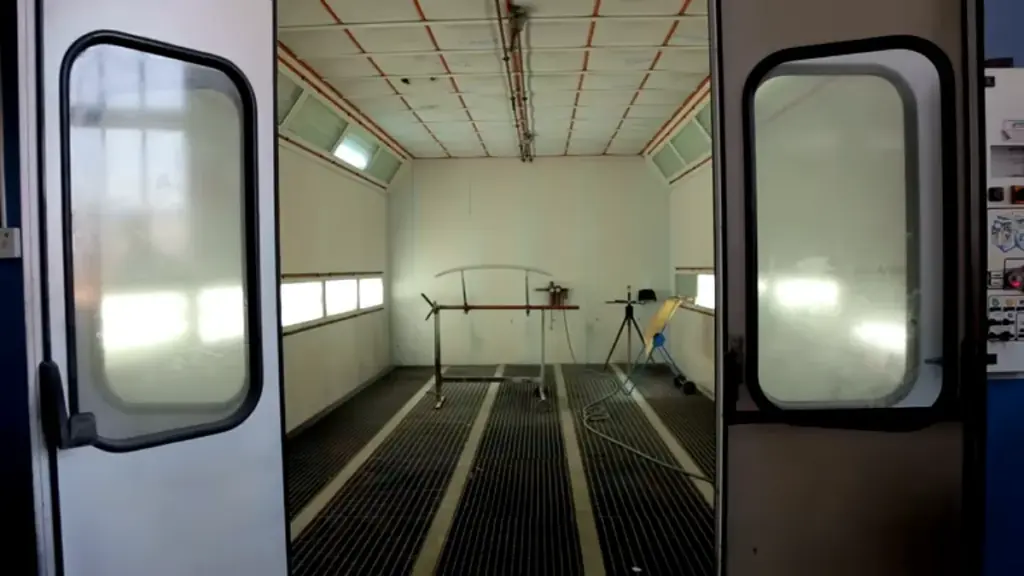
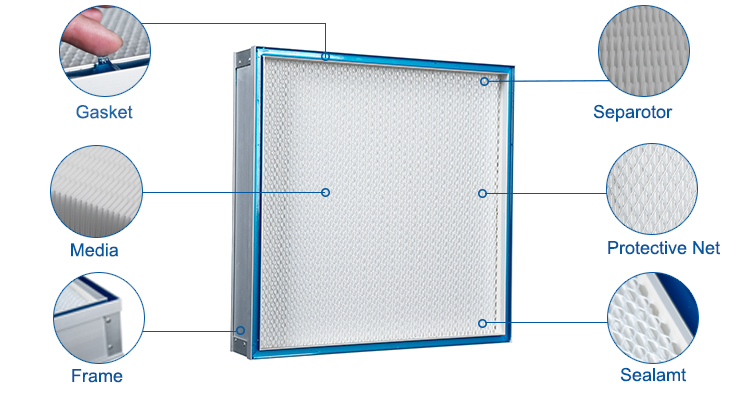
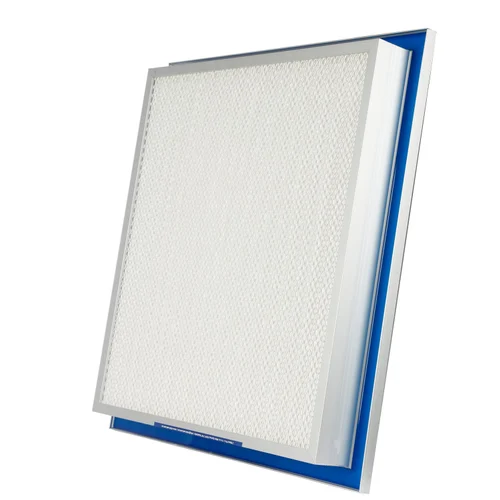
paint room ceiling filter used in the paint booth

Ceiling filter lifespan ranges from one month for basic fiberglass to two years for HEPA units. Environmental factors and HVAC usage dictate your exact replacement schedule.

The service life of a paint booth ceiling filter varies by booth design, production volume, filter media quality, and environmental conditions. In many industrial spray booths, 천장 필터 are commonly replaced every 3 에게 6 달. In heavier-use applications, they may need replacement sooner. In cleaner operations with lower production loads, they may last longer.

A more practical way to judge service life is not by calendar time alone, but by a combination of operating hours and filter condition. 예를 들어, a booth running daily on multiple shifts will load a filter much faster than one used only a few hours each week.

Typical replacement intervals may look like this:

  • Light-duty operations: every 6 에게 12 달.
  • Medium-duty operations: every 3 에게 6 달.
  • Heavy-duty or high-volume operations: every 1 에게 3 달.

These ranges are only general references. A premium paint booth ceiling filter with progressive-density media may last longer than a low-quality filter used in the same booth. For that reason, replacement planning should always include airflow checks, pressure monitoring, and paint finish inspection.

If your goal is consistent coating quality, it is better to replace a ceiling filter slightly early than too late.

Paint Booth Filter Paint stop filter floor filter fiberglass filter

G3/G4 Paint Stop Air Filter Media Roll

A reliable fiberglass exhaust filter designed to capture paint mist and overspray in spray booths, helping keep airflow cleaner and reducing contamination in the working area.

  • High paint arresting capacity for overspray collection
  • Suitable for spray booth floor and exhaust filtration
  • Helps improve booth cleanliness and maintenance efficiency
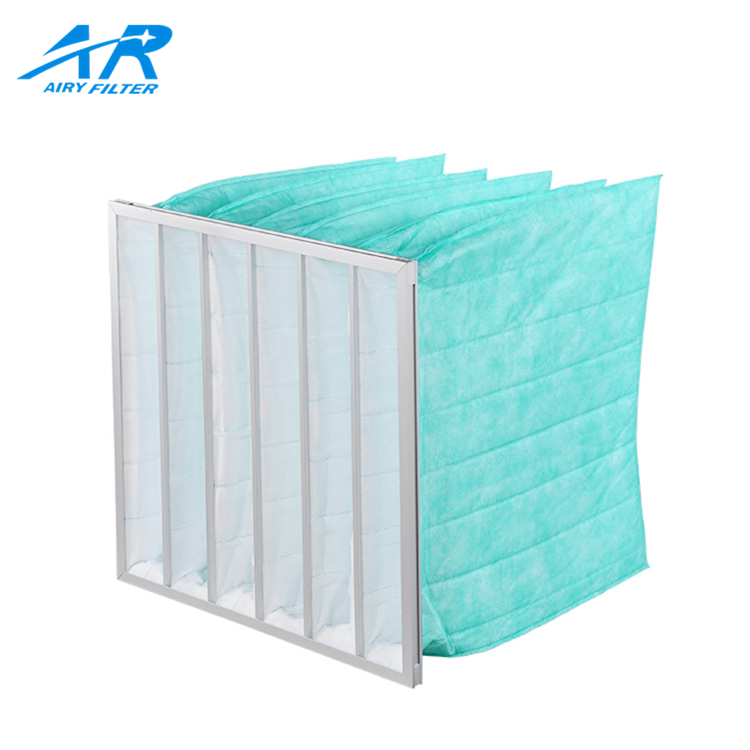
Pocket Filter Non-woven pocket filter

G4/F5/F6/F7/F8/F9 Non-Woven Pocket Filter

A medium-efficiency bag filter made for stable airflow and solid dust holding performance in HVAC and industrial air handling systems where longer service life matters.

  • Large dust holding capacity with low resistance design
  • Available for general ventilation and pre-filtration stages
  • Supports consistent airflow in commercial and industrial systems

Factors That Affect Ceiling Filter Replacement Frequency

Ceiling filter lifespan depends heavily on your specific environment, HVAC usage, and filter type. High-occupancy spaces, 애완 동물, and continuous operation routinely cut replacement intervals in half.

Several factors influence how often you should replace a paint booth ceiling filter. Understanding these variables can help you create a smarter maintenance schedule and avoid unexpected booth performance issues.

Booth usage intensity

The more often your paint booth runs, the faster the ceiling filter collects dust and airborne particles. High-throughput operations, multi-shift production, and continuous finishing lines usually require more frequent replacement.

Type of painting process

Some painting applications generate more overspray, more airborne contamination, or stricter finish requirements. Automotive refinishing, aerospace coatings, and high-gloss industrial finishing often need cleaner air and tighter airflow control than general-purpose coating work.

Air quality in the surrounding area

If the plant environment contains a lot of dust, fibers, powder, or traffic-related contamination, the ceiling filter will load faster. Facilities near cutting, sanding, grinding, or packaging areas often see shorter filter life.

Filter media quality

Not all paint booth ceiling filters perform the same way. High-quality media can provide better dust-holding capacity, more stable airflow, and longer service life. Poor-quality media may clog faster, shed fibers, or lose efficiency early.

Booth maintenance practices

A booth with poor housekeeping, damaged pre-filters, air leaks, or infrequent inspection will usually consume ceiling filters faster. 많은 경우, replacing intake pre-filters on time can help extend the life of the ceiling filter.

Temperature and humidity conditions

Environmental conditions can also affect filter performance. High humidity can increase particle loading and may influence how some contaminants collect in the media. In demanding climates, filter inspection should be more frequent.

Required finish quality

If your products need a very smooth, 흠집 없는 마무리, you may need to replace filters earlier than the maximum possible service life. In high-value finishing applications, even a small drop in air cleanliness can create expensive rework.

High-Performance Air Filters Direct From Manufacturer

Maximize operational efficiency and lower procurement costs with our vertically integrated filtration manufacturing. We offer rapid OEM/ODM customization, low MOQs, and stable global supply for all your industrial needs.

Request Custom Wholesale Quote →

CTA 이미지

Signs Ceiling Filters Need Replacement

Clogged ceiling filters drain energy and ruin indoor air quality. Spotting early warning signs prevents costly HVAC damage and system downtime.

Indicator Category Specific Warning Sign System Impact
Visual Gray discoloration & debris buildup Complete airflow restriction
Airflow Weak pressure & uneven temperatures Blower motor strain
Efficiency Energy bill spikes & long cycles Higher operating costs
Air Quality Excess dust & musty odors Recirculation of allergens

Visual and Airflow Indicators

Your ceiling filter acts as the primary defense for your HVAC system. When it reaches full particle capacity, physical warning signs become immediately apparent right at the vent level.

  • Visual blockage: Check the filter surface for gray discoloration, dust buildup, or debris.
  • The light test: Perform a light test to see if the filter blocks illumination completely.
  • Pressure drops: Feel for weak air pressure at the vents causing uneven room temperatures.
  • Abnormal noise: Listen for rattling or whistling sounds that signal HVAC system strain.

Efficiency and Air Quality Signals

Beyond physical blockages, an overdue filter directly impacts your bottom line and facility health. The system works overtime to push air through the clogged media, driving up costs while failing to capture airborne contaminants.

  • Utility spikes: Compare current energy bills against previous months to spot unexpected spikes.
  • Extended run times: Notice if the heating or cooling system runs longer than usual to reach the set temperature.
  • Particle bypass: Watch for excess dust settling on surfaces directly under the ceiling vents.
  • Occupant health: Monitor the environment for musty odors or an increase in allergy symptoms among occupants.

Problems Caused by Delayed Ceiling Filter Replacement

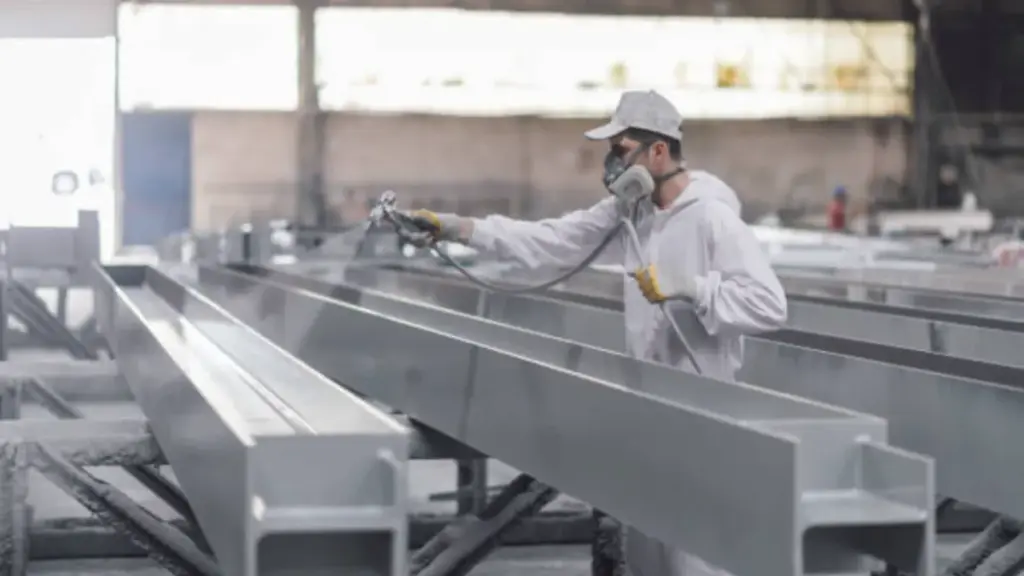
man painting in a factory

Delaying ceiling filter replacements spikes energy costs by up to 15%, strains HVAC motors to the point of failure, and heavily degrades indoor air quality for sensitive occupants.

HVAC System Performance and Energy Costs

Clogged filters restrict airflow. This physical blockage forces your HVAC system to work significantly harder just to maintain basic temperature control. Operating under these restricted conditions raises overall energy consumption by 5 에게 15 percent.

Your monthly utility bills climb higher as the heating and cooling unit expends extra energy to push air through heavy blockages. The system’s motors and blowers bear the brunt of this pressure. This continuous mechanical strain accelerates component wear and frequently leads to premature equipment failure.

Indoor Air Quality and Respiratory Health

An overdue filter completely stops capturing airborne particles. Instead of trapping contaminants, the saturated media allows dust, 곰팡이 포자, and pollen to bypass the filter and circulate freely throughout your living space.

Breathing this poor-quality air triggers asthma attacks and worsens symptoms for people dealing with allergies or other respiratory conditions. To maintain a safe and breathable indoor environment, sensitive individuals require fresh filters every 20 에게 45 날.

Common Replacement Mistakes to Avoid

Avoid costly HVAC repairs by sizing filters correctly, matching MERV ratings to system specs, and sticking to a strict 60-90 day replacement schedule.

Using Incorrect Filter Sizes and MERV Ratings

Measure the exact dimensions of the ceiling slot before you buy a replacement filter. If you install an undersized or oversized filter, you create gaps around the edges. These gaps allow dust and debris to bypass the filter media and circulate straight back into your facility.

Check your HVAC manual to match the required MERV rating. Many buyers mistakenly purchase the highest MERV rating available to maximize air quality. Instead, an overly restrictive filter chokes the system. It strains the blower motor and drastically reduces overall system efficiency.

Installing Backward and Missing Replacement Schedules

Pay attention to the directional arrows printed on the filter frame. You must align these arrows with the system’s airflow. Reversing the filter severely restricts air movement and ruins the media’s ability to capture particles.

Replace your ceiling filters every 60 에게 90 날. When you leave clogged filters in the unit, you force the HVAC system to overwork. This directly causes higher energy bills, poor temperature control, and premature wear on expensive mechanical components.

Secure the new filter tightly inside the access panel. Do not bend or crush the frame during installation. Damaged frames create leaks that pull unfiltered air directly into your ductwork.

Read to Work with 가벼운?

Airy is an experienced air filter manufacturer focused on industrial air filtration solutions. 다년간의 업계 경험을 바탕으로, we support customers in paint finishing, HVAC, 전자 장치, and other clean air applications with stable product quality and dependable supply.

Why customers choose Airy:

  • Strong production capacity, backed by a 10,000 m² manufacturing base and strict quality control.
  • Low MOQ options that make trial orders and flexible purchasing easier.
  • Fast lead times, typically 7–10 working days for standard sizes and 15–20 working days for bulk or custom orders.
  • Responsive after-sales support, including product selection, order follow-up, and technical communication.
  • Flexible trade and logistics support, with EXW, FOB, CIF, and door-to-door delivery options available for different sourcing needs.

For buyers looking for a reliable long-term partner, Airy combines manufacturing strength, efficient delivery, and practical service support.

자주 묻는 질문

How often should you replace a paint booth ceiling filter?

You should replace primary intake ceiling filters every four to six weeks under standard workshop conditions. Heavy usage—running booths eight hours a day, five days a week—requires replacements every two to four weeks. Always monitor the filters for dust buildup and track your spray hours to establish a consistent maintenance routine.

What are the signs a ceiling filter is clogged?

Clogged ceiling filters restrict airflow, causing weak or uneven air distribution inside the booth. You might notice visible dust, dark patches, or stiff textures on the filter media. The booth’s pressure gauge will also show an uncontrolled pressure increase, indicating the system is working harder to pull air through the restricted barrier.

Can a dirty ceiling filter cause paint defects?

예, dirty ceiling filters directly compromise paint finish quality. When filters reach capacity, microscopic dust and fibers bypass the media and settle on freshly painted surfaces. This contamination causes visible defects like fish eyes, bubbles, dust spots, and rough textures. Clogged filters also disrupt the uniform downward airflow necessary for consistent paint atomization.

How do I monitor filter loading?

The most effective method is measuring differential pressure across the filter housing. Install pressure gauges or manometers on the upstream and downstream sides of the filter bank. As particles accumulate, the pressure drop rises. Once the differential pressure hits the manufacturer’s recommended limit, you need to swap the filter to maintain optimal booth performance.

Do all paint booths need the same replacement schedule?

아니요, replacement schedules vary significantly based on booth design, production volume, and environmental conditions. Downdraft booths rely heavily on ceiling diffusion filters to maintain clean downward airflow and require different maintenance cycles than crossdraft models. High-production shops and dusty environments accelerate filter loading, requiring more frequent changes than low-volume operations.

Can better media extend replacement intervals?

예, upgrading to high-efficiency synthetic or pleated media increases the filter’s dust-holding capacity. Better media handles higher contaminant loads before reaching maximum pressure limits, safely extending replacement intervals. Premium filters resist chemical breakdown from solvents and maintain uniform airflow longer than standard fiberglass or paper options.

What are the OSHA requirements for paint booth ventilation?

OSHA requires continuous mechanical ventilation to keep vapor and mist concentrations below 25% of the lower flammable limit. Paint booths must maintain an average intake airflow velocity of at least 100 feet per minute across the booth face. Operators must regularly inspect and replace ceiling filters to prevent airflow restrictions that could drop velocity below these mandatory safety thresholds.

최종 생각

Replacing a paint booth ceiling filter at the right time is essential for maintaining clean airflow, stable booth performance, and consistent paint quality. While many operators follow a basic replacement schedule, the best results come from watching real operating conditions, including airflow changes, 압력 강하, and visible signs of filter loading.

A timely replacement plan helps reduce defects, avoid unnecessary downtime, and improve overall finishing efficiency. By choosing the right filter media and working with a reliable ceiling filter supplier, you can keep your paint booth running more effectively and support better long-term production results.

실비아

설립자 & 산업 여과 전략가

저는 Airy Filter를 설립했습니다. 2009, 가져오는 14+ 산업용 공기 여과 및 클린룸 솔루션 분야에서 다년간의 경험. 저는 페인트 부스용 고성능 시스템을 전문적으로 공급하고 있습니다., 조작, 통제된 환경.

우리는 BYD와 같은 주요 클라이언트를 지원해 왔습니다, 지리, 이스즈, CRRC, 미드 데, 백운산제약, 지하철 시스템에 걸친 프로젝트, 클리닝 룸, 국제 인프라, 발전소 및 글로벌 공급망 포함.

검증된 프로젝트 경험을 갖춘 믿을 수 있는 여과 파트너를 찾고 계시다면, 언제든지 연락주세요. 저희 팀과 저는 귀하의 요구사항을 지원할 준비가 되어 있습니다..

연락하십시오

*우리는 귀하의 기밀성을 존중하고 모든 정보는 보호됩니다.

인기있는 블로그

It seems we can't find what you're looking for.

whatsapp

오늘 사용자 정의 에어 필터 견적을 받으십시오!

산업 등급의 여과가 필요한지 또는 빠른 개조 솔루션이 필요한지 여부, 작업을 최적화하기 위해 정밀 엔지니어링 필터를 제공합니다.

저희에게 연락하십시오

*우리는 귀하의 기밀성을 존중하고 모든 정보는 보호됩니다.