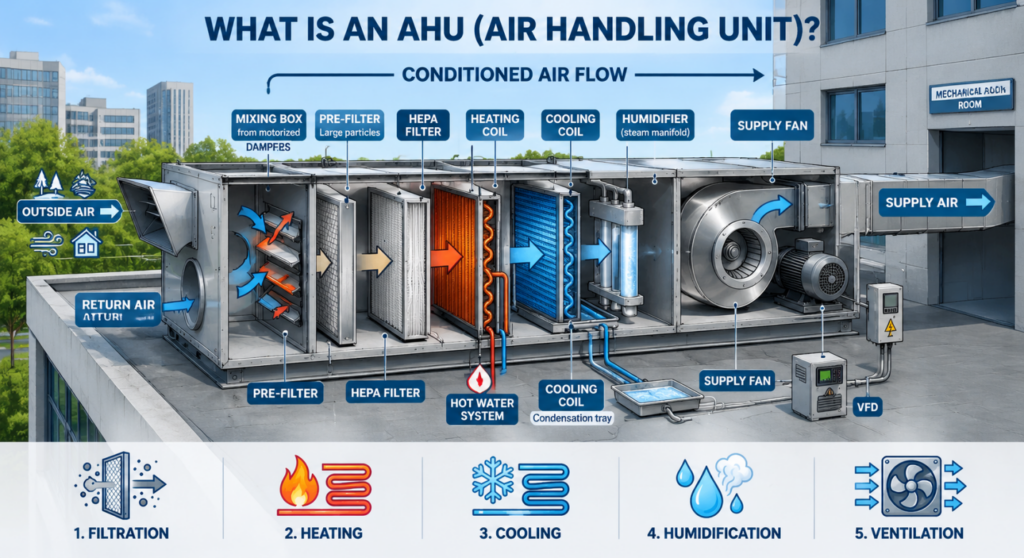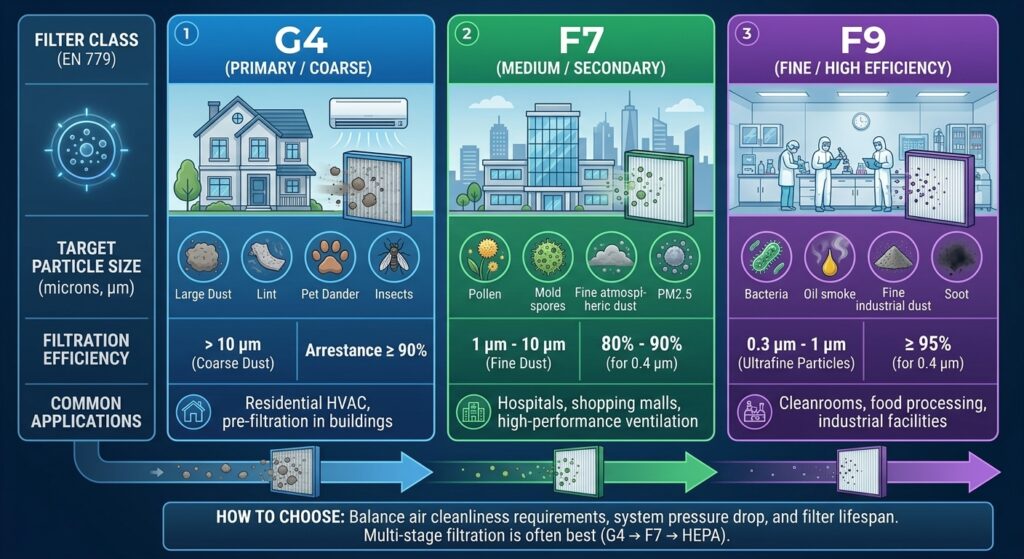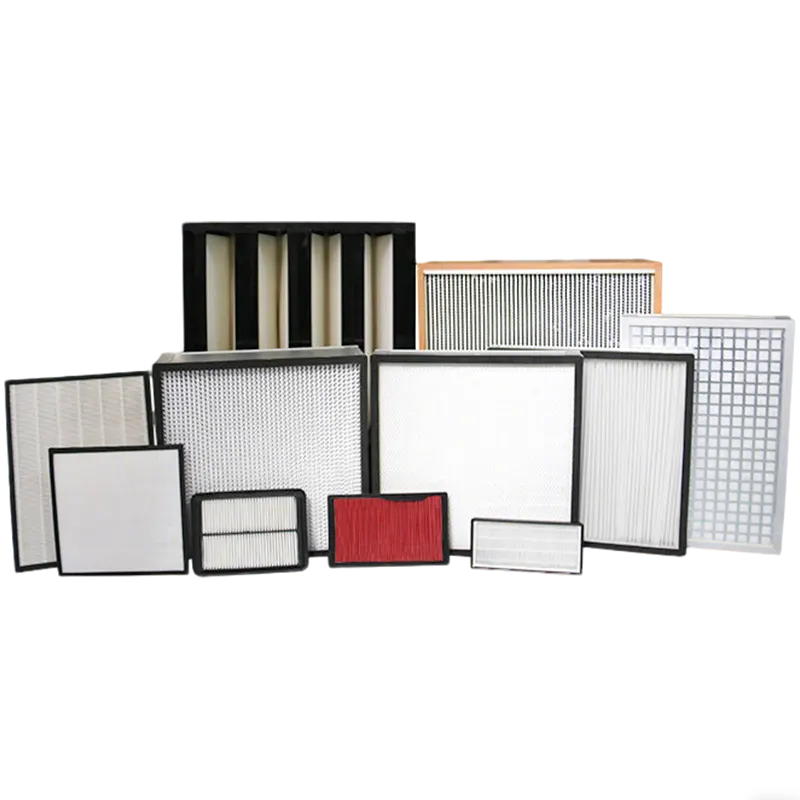
Un rullo del supporto filtrante Paint Stop cattura l'eccesso di spruzzo umido prima che raggiunga la ventola di scarico, le condutture e l'aria esterna. In una cabina downdraft allinea la griglia del pavimento. In una cabina a tiraggio incrociato riempie la parete di scarico. Il materiale sembra semplice, ed è proprio qui che gli ordini all'ingrosso vanno male.
La scheda informativa sulla rifinitura automatica dell'EPA mette a fuoco la cattura del filtro di scarico della cabina di verniciatura della nebbia di rivestimento atomizzato 90% a più di 99% tipicamente. Questa è una fascia per la categoria di prodotto, non è un risultato testato per nessun modello. Questa guida illustra gli input di selezione necessari per un ordine sul lato di scarico: carico del rivestimento, struttura mediatica, spessore, caduta di pressione alla portata d'aria nominale, e formato rotolo. I numeri di riferimento provengono dalle schede prodotto PA-60 e PA-100 di Airy.
Punti chiave
- Posizione: lato griglia a pavimento nelle cabine downdraft, lato parete di scarico nelle cabine a tiraggio incrociato.
- Cattura la banda: Elenchi delle schede informative dell'EPA 90% a più di 99% come tipico per i filtri di scarico delle cabine di verniciatura nelle rifiniture automobilistiche, non come risultato del test del modello Airy.
- Spessore: Airy PA-60 misura 60±10 mm; PA-100 misura 100±10 mm.
- Flusso d'aria: 7,200 m³/h per PA-60 e 4,500 m³/h per PA-100 a 2.0 velocità nominale m/s.
- Caduta di pressione: iniziale 30/50 Pa e finale 150/200 Pa tra i due modelli.
- Trattenimento della polvere: 3,500 g/m² (PA-60) contro 4,700 g/m² (PA-100).
- Formati in rotolo: larghezze standard di 0.8 M, 1.0 me 2.0 M, ciascuno dentro 20 m di lunghezze.
Cosa fanno i mezzi anti-verniciatura nello scarico della cabina di verniciatura?
Il mezzo Paint Stop è l'ultima barriera tra l'overspray appiccicoso e la ventola, condotto e punto di scarico.
La scheda informativa dell'EPA su filtri per cabine di verniciatura denomina il mezzo sul lato di scarico un dispositivo di protezione dagli spruzzi eccessivi di vernice. Il suo compito è la cattura fisica. L'aria in uscita dalla zona di verniciatura trasporta la nebbia di rivestimento atomizzata, e il dispositivo di arresto trattiene la nebbia nella sua matrice di fibre prima che l'aria esca dal negozio.
La posizione segue il design dello stand. Le cabine downdraft aspirano l'aria attraverso i filtri a pavimento o vicini al pavimento. Le cabine Crossdraft posizionano i limitatori sulla parete opposta alla presa. Il lato di aspirazione fa un lavoro diverso, pulizia dell'aria in entrata, e la divisione è trattata nella nostra guida al differenza tra filtri di aspirazione e di scarico.
Due limiti appartengono alle note di ogni acquirente. Primo, i normali mezzi di scarico catturano le particelle, non vapore di solvente. L'EPA afferma chiaramente che la maggior parte dei filtri di scarico non rimuovono i vapori di solventi o i COV dall'aria in uscita dall'officina.
Secondo, un limitatore carico degrada l'intero sistema. Il supporto intasato disturba il flusso d'aria, lascia ricircolare le tasche di spruzzo eccessivo sulle finiture bagnate, fa lavorare di più le ventole di scarico, e in casi estremi lascia che i solventi infiammabili si raccolgano all'interno della cabina.

Quali condizioni di rivestimento e overspray è necessario definire?
Definire il carico del rivestimento prima di discutere lo spessore o il prezzo; quei numeri decidono tutto a valle.
Inizia con ciò che lascia la pistola. Primer a base solvente, le basi a base acqua e le vernici trasparenti ad alto solido si atomizzano in modo diverso e depositano una viscosità diversa sul supporto. Una cabina che effettua riparazioni localizzate su due turni al giorno carica lentamente il suo dispositivo di arresto. Una linea che spruzza intere carrozzerie di veicoli ne carica uno molto più velocemente, e una singola scelta mediatica raramente serve a entrambi.
Quindi fissare il lato dell'aria: velocità frontale della cabina, curva della ventola e volume di spruzzo giornaliero. La guida alla manutenzione dell'EPA rileva che i limitatori raggiungono il punto di sostituzione a velocità diverse a seconda del tipo di vernice, progettazione dello stand, tecnica dell'operatore, velocità e temperatura della ventola. Queste condizioni modellano il carico di spruzzatura eccessiva molto più di qualsiasi aggettivo da brochure.
Se i tuoi rivestimenti contengono un inquinante atmosferico pericoloso mirato, si apre una questione normativa separata. IL 40 CFR §63.11173(e)(2)(io) la regola nel capitolo HHHHHH richiede che la tecnologia di filtro abbia dimostrato di catturare almeno 98 percentuale di spruzzo eccessivo di vernice. Le operazioni coperte devono dimostrare la conformità ai metodi di prova prescritti. L'arresto medio di una scheda prodotto è una misura diversa e non dimostra la conformità. Conferma se la regola raggiunge la tua operazione, quindi richiedere la documentazione di prova del fornitore per il modello specifico.
Finalmente, decidere il ruolo di questo strato all’interno dell’intero treno di filtrazione della cabina. La nostra panoramica di tipi di filtri per cabine di verniciatura soffitto delle mappe, palchi di terra e specialità, quindi ordini i mezzi di scarico sapendo cosa rimuovono già gli strati a monte.
Come funziona lo spessore del supporto, Struttura, e la selezione degli effetti di Paint Holding?
La struttura graduata delle fibre spiega come il supporto trattiene la vernice a bassa resistenza; il peso e lo spessore da soli non lo fanno.
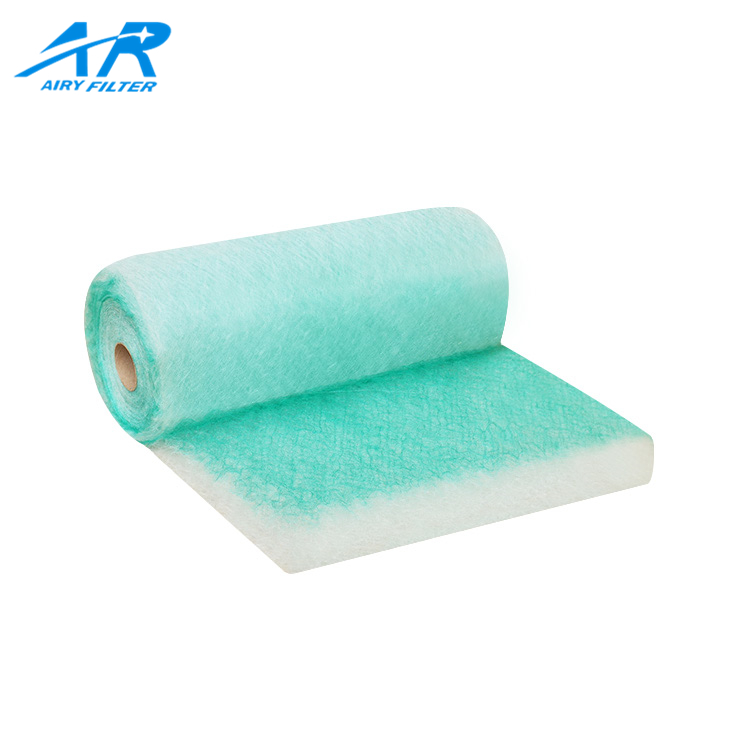
Il media filtrante Paint Stop di Airy è realizzato con fibre di vetro monofilamento continue, distanziati liberamente sulla faccia di ingresso dell'aria e gradualmente densificati verso il lato pulito. La pagina del prodotto descrive questa build graduale nei colori dal verde al bianco, con il lato aperto che assorbe la maggior parte dell'overspray. Quando si confronta qualsiasi costruzione alternativa, chiedere quale struttura di densità si nasconde dietro i dati pubblicati sugli arresti e sulle detenzioni.
Lo spessore e il peso quindi scalano la durata della struttura. La tabella seguente riproduce i dati pubblicati per i due modelli standard.
| Specifica | PA-60 | PA-100 |
|---|---|---|
| Classe di filtro | G3 | G4 |
| Spessore (mm) | 60±10 | 100±10 |
| Peso (g/m²) | 250 | 350 |
| Arresto medio | 90% | 98% |
| Portata d'aria nominale a 2.0 SM (m³/h) | 7,200 | 4,500 |
| Iniziale / resistenza finale (PA) | 30 / 150 | 50 / 200 |
| Capacità di trattenimento della polvere (g/m²) | 3,500 | 4,700 |
Dati elencati nella pagina del prodotto di Airy; confermare le condizioni del test prima di confrontare i modelli.
PA-60 e PA-100 differiscono per lo spessore pubblicato, arresto medio, resistenza, e figure che trattengono la polvere. Anche il flusso d'aria nominale elencato differisce. Prima di scegliere tra loro, chiedere ad Airy il metodo di prova e l'area del filtro utilizzata per ciascuna valutazione del flusso d'aria. Quindi confronta la caduta di pressione nel flusso d'aria e nell'area di installazione specificata per la tua cabina.
Queste cifre si applicano a questa famiglia di prodotti come pubblicata, non a tutti i rotoli venduti come fermavernici. La scheda di Airy rileva inoltre che altre specifiche possono essere personalizzate in base alle esigenze.
Come dovrebbero essere confrontati il flusso d'aria e la caduta di pressione??
Confronta le curve di resistenza ad un flusso d'aria, e vincolare la caduta di pressione finale al programma di sostituzione.
Due media filtranti paint-stop qualsiasi diventano comparabili ad una velocità frontale stabilita. Le cifre di Airy sopra riportate sono valutate a 2.0 SM, quindi chiedi a ciascun fornitore la resistenza iniziale alla velocità effettivamente attirata dal tuo stand. Una cifra di resistenza citata a 1.0 m/s non ti dice nulla sul comportamento di 2.0 SM.
Guarda il carico totale sull'area installata. Ogni strato nel treno di filtrazione aggiunge pressione statica, e il dispositivo di arresto normalmente ne trasporta la quota maggiore durante il caricamento. Dimensionare il margine di scarico in modo che la ventola mantenga ancora la velocità frontale della cabina quando il materiale si avvicina alla resistenza finale.
Quindi impostare la logica di cambio su misurazioni reali. L'EPA consiglia le letture di un manometro o di un manometro magnetico per determinare gli intervalli di sostituzione secondo le specifiche del produttore della cabina. Senza manometro, gli acquirenti indovinano, e gli intervalli indovinati riducono i costi dei media o riducono il flusso d'aria. Impostare il punto di cambio utilizzando le istruzioni del produttore della cabina e la caduta di pressione misurata sul filtro installato. Conferma come la resistenza finale pubblicata del prodotto si applica a tale configurazione.
Formato del rotolo e dettagli della richiesta di offerta
Acquista il formato del rotolo che corrisponde alla tua griglia, quindi richiedere i dati che rendano comparabili le quotazioni.
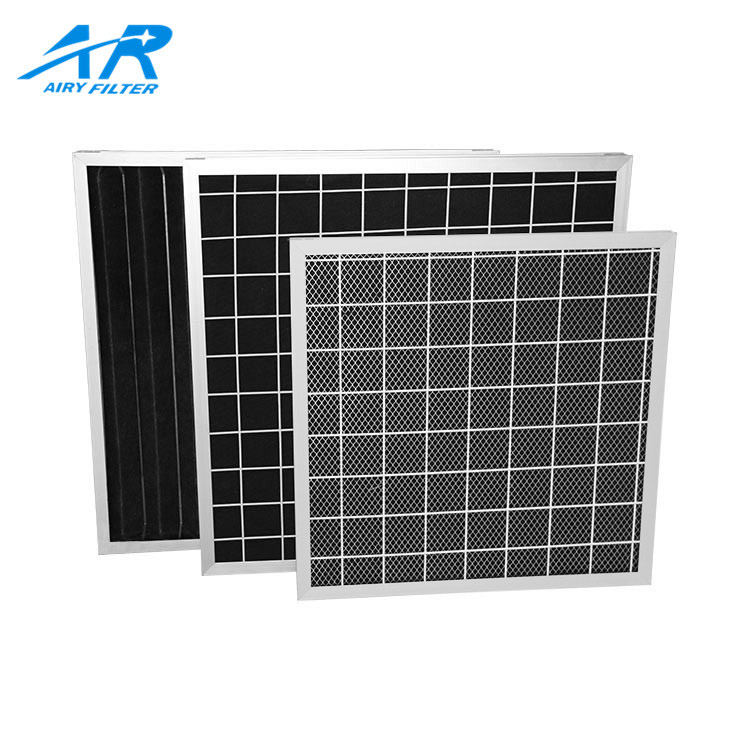
I media filtranti Paint Stop in fibra di vetro di Airy vengono forniti in rotoli standard da 0,8×20 m, 1.0×20 m e 2,0×20 m. La larghezza del rotolo determina il numero delle cuciture: un rotolo più largo può ridurre le cuciture quando si adatta al layout della griglia. Le cuciture scarsamente sigillate possono creare percorsi di bypass, quindi abbina la larghezza del rotolo alla geometria della griglia prima di confrontare i prezzi. Se l'ordine comprende anche i filtri con cornice, Nostro dimensioni dei filtri della cabina di verniciatura la guida elenca l'apertura, telaio, e i numeri di profondità necessari per ciascuna posizione.
La scheda informativa dell'EPA elenca i formati in cui appare questo dovere: rotoli sfusi e perforati, coperte, pastiglie pretagliate, cubi e sacchetti, più pannelli autoportanti. Nostro Rotolo media stop vernice in fibra di vetro copre l'estremità del rotolo e della coperta di tale elenco per il servizio della griglia del pavimento e della parete di scarico.
Prima del giorno dell'installazione, concordare i dettagli di idoneità con il fornitore. Conferma quale faccia dei media incontra l'aria in entrata, come si sigillano i bordi del rotolo, e dove il foglio ottiene supporto sulla tua griglia. Quindi registrare una lettura del misuratore di riferimento su un'installazione pulita, quindi il tuo obiettivo di cambiamento ha un punto di riferimento.
Trattare i supporti usati come rifiuti pericolosi adiacenti che possono essere. L'EPA raccomanda un respiratore, guanti e tute durante il cambio, e una determinazione dei rifiuti pericolosi prima dello smaltimento, poiché i residui di vernice catturati possono modificare la classificazione di un filtro esaurito altrimenti ordinario.
Gli acquirenti all'ingrosso raramente non hanno opzioni; mancano di opzioni comparabili. Metti gli stessi campi su ogni richiesta e i preventivi si allineano uno accanto all'altro. Per la fase di scarico, partire dalla scheda Airy pubblicata ed estenderla con i termini commerciali sotto riportati, corrispondenti ai formati elencati di seguito Filtri e mezzi per cabine di verniciatura.
- Modello e classe: designazione esatta (PA-60 o PA-100), Grado G3/G4, base dell'arresto.
- Termini fisici: spessore con tolleranza, peso in g/m², larghezza e lunghezza del rotolo.
- Termini aerodinamici: resistenza iniziale e finale alla velocità di rating indicata.
- Prova: il metodo di prova indicato dietro ogni percentuale, oltre alla certificazione attuale e ai documenti di prova del fornitore.
- Imballaggio e logistica: rotoli per balla, configurazione dei pallet, carico del contenitore, MOQ e tempi di consegna.
- Coerenza: controlli del colore e della densità del lotto durante i riordini, in modo che i lotti sostitutivi corrispondano all'accumulo approvato.
- Ripiego di dogana e qualità: accuratezza della lista di imballaggio, finestra di reclamo, termini sostitutivi.
Guangzhou Airy Filter Media Co., Ltd. da allora produce mezzi filtranti personalizzati 2009, secondo il sito aziendale. Richiedi i certificati attuali e i rapporti di prova insieme al tuo preventivo, e controlla che l'ambito dichiarato copra l'esatto modello ordinato.
Cosa dovrebbe essere controllato in una prova campione?
Un campione risponde a tre domande: si adatta, scorre, dura quanto indicato.
Srotolare prima e misurare. Controllare lo spessore rispetto alla tolleranza di 60±10 mm o 100±10 mm e confermare il gradiente di densità dal verde al bianco attraverso la sezione trasversale. Quindi verificare la larghezza e la lunghezza del rotolo rispetto al foglio dell'ordine, prima che la colla tocchi la griglia.
Quindi gestisci lo stand. Registrare la lettura iniziale del misuratore pulito, spruzzare i carichi normali, e registrare la resistenza a intervalli fissi. Le due osservazioni che decidono l'acquisto: la velocità con cui i media si avvicinano all'obiettivo della resistenza finale, e dove all'interno dello spessore si raccoglie l'overspray mentre ciò accade.
Confronta la prova con i tuoi mezzi attuali a parità di volume di spruzzatura, non giorni di calendario. Quando i numeri reggono, ordine rispetto al campione approvato. Conserva il pezzo trattenuto, e citare la sua data e le letture di prova sul documento di acquisto, quindi il primo lotto sfuso ha uno standard fisico da abbinare.
Domande frequenti
Vengono utilizzati mezzi antiverniciatura sul lato di aspirazione o di scarico?
Paint Stop funziona sul lato di scarico, montato nella griglia del pavimento di una cabina downdraft o sulla parete di scarico di una cabina crossdraft. Cattura l'overspray prima che l'aria lasci l'officina. I filtri di aspirazione sono una fase separata che pulisce l'aria in entrata.
Quali informazioni sono necessarie per ordinare i rotoli di supporto paint stop??
Specificare il modello e la classe, spessore con tolleranza, peso mediale, larghezza e lunghezza del rotolo, e la velocità nominale dietro le cifre della caduta di pressione. Aggiungi tipo di rivestimento, volume di spruzzo giornaliero, quantità dell'ordine e requisiti di imballaggio in modo che il preventivo corrisponda al tuo stand e al tuo ciclo di rifornimento.
Come possono gli acquirenti confrontare i media per diversi carichi di spruzzatura eccessiva?
Confronta lo spessore pubblicato, trattenimento della polvere, e resistenza iniziale e finale a una velocità di valutazione dichiarata, e chiedere a ciascun fornitore il metodo di prova alla base di tali cifre. Quindi esegui una prova monitorata dal manometro sul tuo carico di rivestimento. La scheda tecnica restringe il campo; il tuo stand decide l'ordine.
Pensieri finali
La scelta del mezzo filtrante Paint Stop è un esercizio di specifiche, non un esercizio di catalogo. Posizione, carico del rivestimento, la velocità nominale e la caduta di pressione al cambio definiscono la lista dei candidati; spessore, trattenimento della polvere e formato in rotolo, quindi restringilo a un modello. Confronta i fornitori sugli stessi campi e mantieni un campione approvato come standard di riordino.
Invia ad Airy il tuo tipo di rivestimento, flusso d'aria di scarico, dimensioni del rotolo e prestazioni previste per discutere un campione e un preventivo di materiale antiverniciatura adatto. Altre opzioni sono elencate nel Gamma di filtrazione dell'aria Airy Filter, e nella stessa pagina è collegata l'intera linea di cabine di verniciatura.
Parla con Airy del tuo carico di scarico
Invia il tuo tipo di rivestimento, flusso d'aria di scarico, dimensioni del rotolo e prestazioni target. Airy li confronta con i fogli PA-60 e PA-100 pubblicati, ed elenca altre specifiche personalizzabili su richiesta.
Struttura in fibra di vetro a densità progressiva| Entra la norma 0.8, 1.0 E 2.0 larghezze m| Specifiche personalizzate su richiesta