>

블로그

>

6 Common Paint Booth Ceiling Filter Problems and How to Solve Them

6 Common Paint Booth Ceiling Filter Problems and How to Solve Them

목차

A paint booth ceiling filter plays a key role in keeping incoming air clean and evenly distributed before it reaches the spraying area. When the ceiling filter has a problem, the result is often poor airflow, dust defects, overspray issues, and lower finish quality.

For many spray booth operators, defects on the painted surface are not caused by paint alone. 많은 경우, the real issue starts above the work area, where the ceiling filter should be controlling airflow and stopping dust from entering the booth.

This article explains the most common paint booth ceiling filter problems, how to diagnose them, and what to do to keep your booth running in a stable and clean condition.

What Does a Paint Booth Ceiling Filter Do?

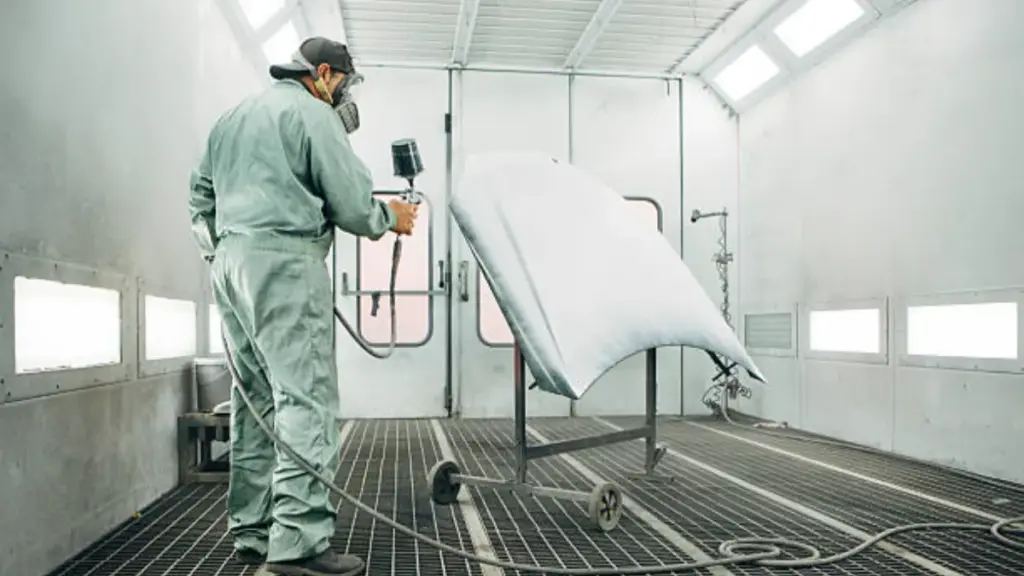
spraying in paint booth

Ceiling filters act as the final defense line, capturing microscopic particles and engineering laminar airflow to ensure flawless finishes and system safety.

Filtering Contaminants and Directing Airflow

Paint booth ceiling filters serve as the ultimate barrier for incoming air. They strip out airborne debris right before the air enters the workspace, protecting the integrity of the paint job.

  • Microscopic Capture: Trap particles as small as 10 microns to prevent blemishes and uneven coatings on the paint surface.
  • Airflow Engineering: Create laminar airflow in downdraft setups to push overspray away from the workpiece and toward the exhaust system.
  • Final Defense: Act as the final stage of intake filtration to deliver clean air directly into the painting workspace.

Supporting the Overall Filtration System

Beyond purifying the air, ceiling filters anchor the entire booth ecosystem. They operate in tandem with the broader ventilation setup to maintain consistent pressure and operational safety.

  • Specialized Media: Rely on diffusion media like polyester blankets and tackified panel filters to hold dust securely without shedding.
  • System Integration: Work alongside pre-filters to maintain consistent booth pressure and protect downstream equipment from damage.
  • Hazard Prevention: Prevent airflow restrictions that increase energy costs and raise combustion risks from dust buildup.

Read More:

페인트 부스 천장 필터란 무엇이며 어떻게 작동합니까??

다른 유형의 페인트 부스 필터는 무엇입니까??

맨 위 6 Paint Booth Ceiling Filter Problems

Ceiling filter failures like clogging, bypass leaks, and improper installation directly degrade paint finish quality and cause costly operational downtime.

Filter Problem Key Symptom Immediate Action
Clogged Filters Lingering overspray in booth Replace filters based on manometer readings
Uneven Airflow Turbulent spray zones Replace entire filter sets at once
Filter Bypass Dust visible in wet paint Install frameless ceiling panels
Low Efficiency Overspray on booth walls Upgrade to multi-stage filtration
Short Lifespan Frequent media replacements Install pre-filters at intake vents
Incorrect Selection Airflow balance failure Match MERV rating to booth specs

Problem 1: Clogged Ceiling Filters

Clogged ceiling filters restrict airflow and compromise ventilation as they accumulate paint particles, 먼지, 그리고 잔해. Excessive overspray from improper spray gun calibration, high-volume painting operations, or insufficient filter capacity causes this rapid clogging.

Watch for these specific symptoms of a clogged system:

  • Air Quality: Overspray hanging in the air longer than usual.
  • Airflow: Weak suction pull toward exhaust fans.
  • System Performance: Reduced ventilation efficiency.
  • Finish Quality: Poor paint coverage across the workpiece.

To resolve this, replace ceiling filters when manometers indicate high pressure or overspray lingers. You can adopt an aggressive filter change schedule, use high-capacity multi-layer filters, and adjust spray gun settings to maintain proper atomization pressure.

Paint Booth Filter Paint stop filter floor filter fiberglass filter

G3/G4 Paint Stop Air Filter Media Roll

A reliable fiberglass exhaust filter designed to capture paint mist and overspray in spray booths, helping keep airflow cleaner and reducing contamination in the working area.

  • High paint arresting capacity for overspray collection
  • Suitable for spray booth floor and exhaust filtration
  • Helps improve booth cleanliness and maintenance efficiency
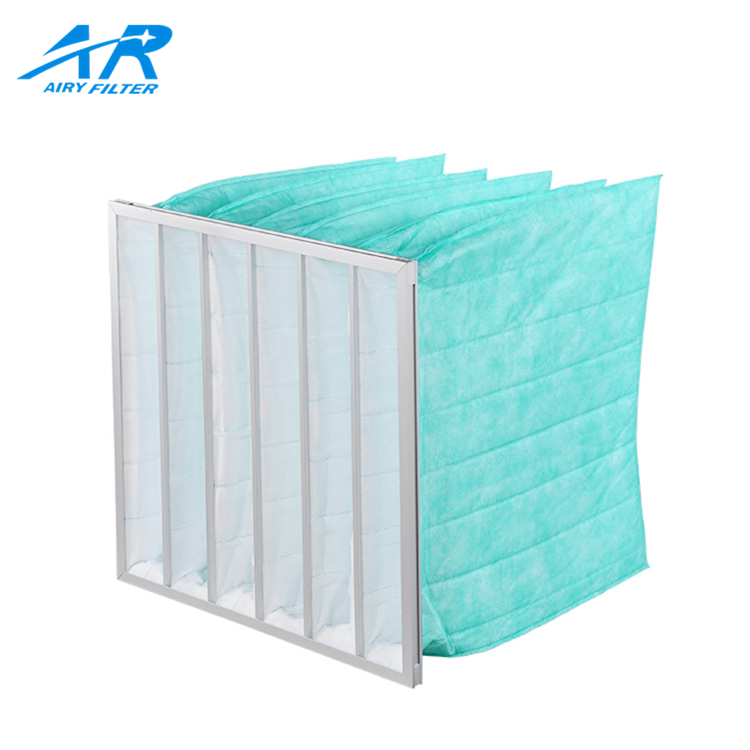
Pocket Filter Non-woven pocket filter

G4/F5/F6/F7/F8/F9 Non-Woven Pocket Filter

A medium-efficiency bag filter made for stable airflow and solid dust holding performance in HVAC and industrial air handling systems where longer service life matters.

  • Large dust holding capacity with low resistance design
  • Available for general ventilation and pre-filtration stages
  • Supports consistent airflow in commercial and industrial systems

Problem 2: Uneven Airflow and Dead Spots

Uneven airflow creates localized areas of weak or strong air movement, which disrupts spray patterns and causes inconsistent paint application. Partially clogged ceiling filter sections force air to flow preferentially through cleaner areas, causing this airflow imbalance.

You will notice turbulent spray zones, poor spray pattern control, and inconsistent coating application across the workpiece.

Restore balanced airflow by replacing the entire set of ceiling filters at once rather than swapping out individual units. Install high-efficiency, frameless panel filters (M5 class minimum) to prevent air bypass around edges, and monitor filters regularly for uneven loading patterns.

Problem 3: Filter Bypass and Air Leakage

Filter bypass happens when contaminated air escapes through gaps, poor seals, or damaged frames, letting dust settle into wet paint coatings. Poor seals around filter frames, gaps between filter edges and housings, damaged media, or framed ceiling filters create these installation leakage points.

Indicators of filter bypass include:

  • Visual Contamination: Visible dust or debris in the paint finish.
  • Persistent Dirt: Contamination appearing despite recent filter replacements.
  • Filter Condition: Discolored or physically damaged filter media.

Inspect all filters for bypass gaps. Replace dirty or damaged filters, ensure new filters fit snugly, and install frameless ceiling panel filters to eliminate bypass risks entirely.

Problem 4: Low Filtration Efficiency and Dust Contamination

Low-efficiency filters fail to capture enough overspray and airborne contaminants, resulting in poor paint quality and worker exposure to particles. Low-quality single-layer filters, insufficient MERV ratings, high external dust, and inadequate pre-filtration cause these efficiency issues.

Symptoms include overspray accumulation on booth walls, paint settling outside the intended capture zone, and persistent paint odors.

Upgrade to high-efficiency multi-stage filters capable of capturing 99.9% of overspray. Install pre-filters at intake vents to trap larger particles, match MERV ratings to booth specifications, and seal leaks around booth doors to block external contamination.

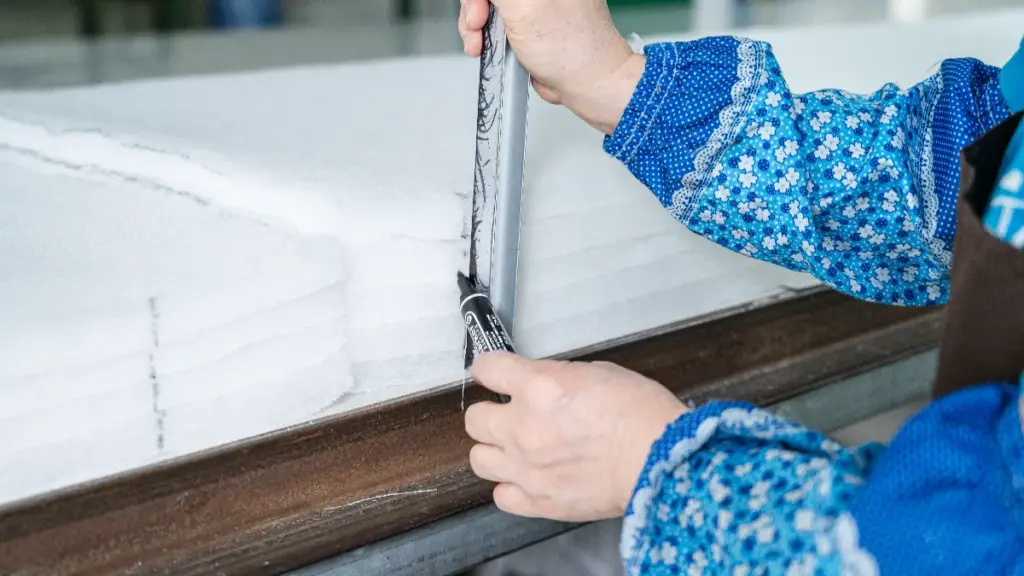
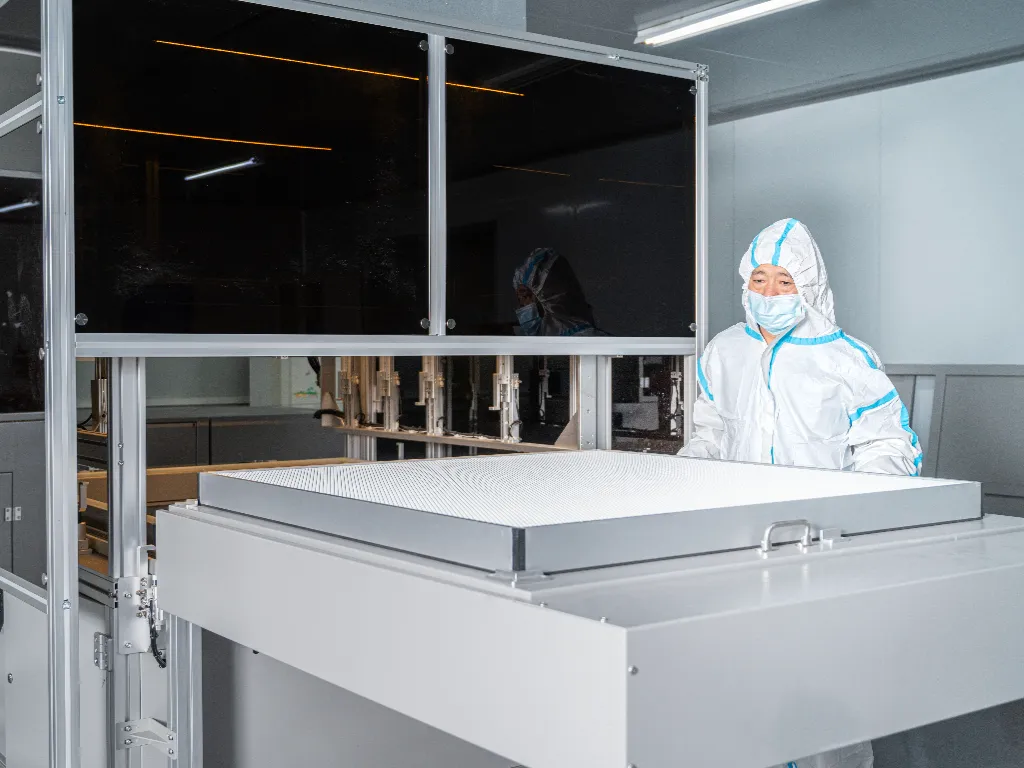
cutting air filters

Problem 5: Short Ceiling Filter Lifespan

Frequent ceiling filter replacements increase operational costs and cause unnecessary booth downtime. Excessive overspray, incorrect filter types, low-quality media, high environmental dust, and lacking pre-filtration shorten filter lifespan drastically.

Match filter selection to the specific booth type. Install multi-stage filtration systems with pre-filters to extend primary filter life.

Monitor filters using manometers to replace them based on actual loading rather than fixed schedules. Maintain optimal spray gun settings to minimize the overspray generation hitting your ceiling media.

Problem 6: Incorrect Filter Selection or Installation

Using incompatible filters or installing them improperly compromises booth performance, airflow balance, and paint quality. Common mistakes include installing intake filters in exhaust positions, choosing incorrect MERV ratings, using single-layer filters, and failing to ensure snug fits.

부스 종류 Filter Priority Recommended Specifications
Downdraft/Vertical-Flow 천장 필터 M5 class minimum; frameless panel filters
크로스드래프트 배기 필터 High-capacity exhaust filters with multi-layer fiberglass
All Types 흡기 필터 90–98% arrestance; synthetic fiber or polyester media

Always match filter selection to the airflow system specifications. Use frameless ceiling panel filters (M5 class minimum) to prevent installation leaks, verify MERV ratings, and train personnel on proper installation procedures.

Source Custom Air Filters Direct From Factory

Get fully customized, ISO-certified filtration solutions built to lower your maintenance costs and ensure reliable performance. Partner with our 10,000㎡ facility for rapid OEM/ODM manufacturing and flexible low-MOQ orders.

Get Custom Wholesale Pricing →

CTA 이미지

How to Solve Ceiling Filter Problems Step by Step

Solving ceiling filter problems requires systematic visual inspections, airflow measurements, and advanced motor current monitoring to detect blockages before they compromise system efficiency.

Initial Visual Inspection and Airflow Checks

Safety and preparation come first. Gather a ladder, gloves, a mask, and a flashlight, and turn off the HVAC system at the thermostat or circuit breaker before starting. 다음, locate the ceiling vents equipped with latches or tabs. Skip any screwed vents without access panels, as these function simply as return-only grilles.

Open the vent grille carefully to prevent the filter from dropping out. Note the airflow arrow on the frame; it should point directly toward the air handler. Complete your visual audit by checking the following parameters:

  • Media condition: Look for dirt, fuzz, 눈물, or an improper fit inside the housing.
  • Filter sizing: Measure the filter dimensions against the exact system specifications to ensure proper sealing.
  • Airflow strength: Feel the airflow at nearby supply vents to identify weak flow, as a dirty filter restricts air circulation.

Advanced Diagnostics and System Testing

Visual checks only reveal surface-level issues. For a data-driven approach, monitor the daily averaged indoor motor current to spot upward trends, which signal a blocked or dirty filter. Apply the Mann-Kendall test for advanced current monitoring to track these filter blockages over time and trigger accurate maintenance alerts.

After analyzing the electrical data, restore power to the HVAC system and measure the actual airflow velocity or static pressure drop. Execute these final validation steps to restore peak performance:

  • Specification check: Compare the recorded pressure drop to your 2026 design specifications to verify normal system operation.
  • Airflow correction: Fix reduced airflow immediately by replacing the old filter.
  • Filter selection: Choose a MERV 6 or higher rating that perfectly matches the equipment design to prevent ongoing motor strain.

How to Prevent Paint Booth Ceiling Filter Problems

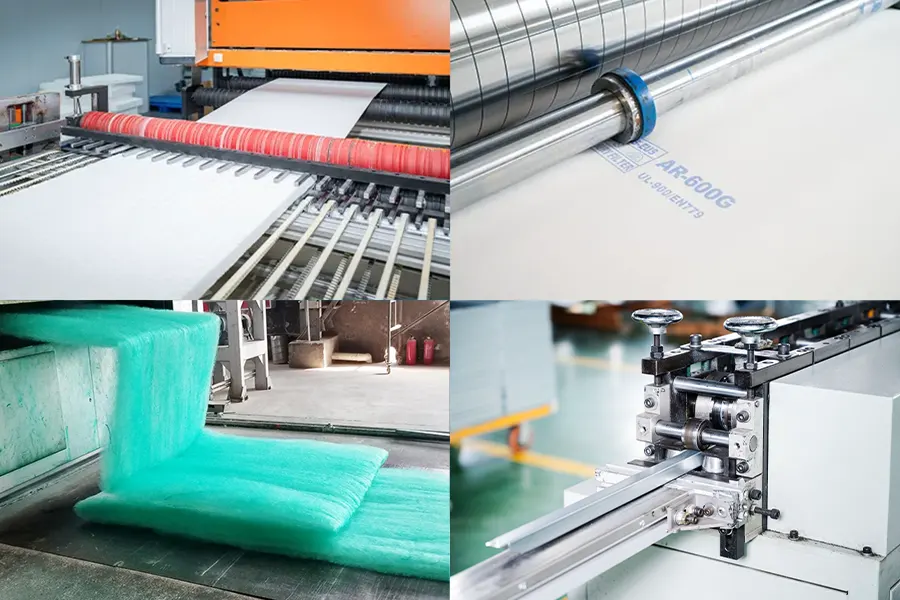
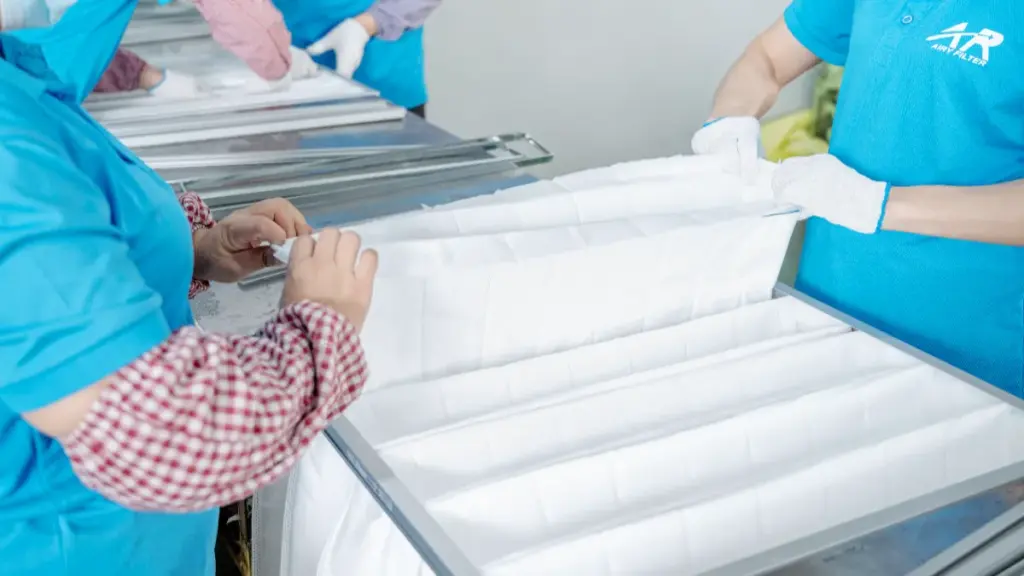
assembling stainless frame of air filter bag

Stop ceiling filter failures before they start by combining strict cleaning schedules with optimized booth environments and precise filter selection to guarantee clean airflow and flawless finishes.

Establish Routine Cleaning and Inspection Schedules

Paint booth filters fail when operators ignore basic hygiene. A rigid maintenance calendar keeps contaminants out of your incoming air and extends the life of your intake media.

  • Weekly checks: Conduct weekly visual inspections of ceiling filters, ducts, and vents to identify dust accumulation or overspray buildup.
  • Monthly deep cleans: Perform deep cleans on booth ceilings, walls, and floors monthly to stop particle migration into intake filters.
  • Daily sweeps: Apply strippable coatings to booth surfaces and sweep floors daily to minimize overspray settling and re-entrainment into the ceiling airflow.
  • Timely replacements: Replace ceiling intake filters every 100 operating hours or 3-4 weeks based on manometer readings or spray time tracking.

Sticking to this schedule stops dirt from migrating upward and overloading the ceiling plenum, directly protecting your finish quality.

Optimize Booth Environmental Conditions and Filter Selection

You cannot out-clean a bad environment or the wrong filter. Dialing in your booth’s climate while selecting the exact filter media for your downdraft setup ensures your system captures overspray efficiently.

  • Climate control: Maintain humidity levels between 40% 그리고 60% and keep temperatures around 70°F (21°C) to stop sticky particles from clogging ceiling filters quickly.
  • Pre-filtration defense: Install high-quality pre-filters as a first defense layer to capture larger particles before they reach the ceiling intake filters.
  • Media selection: Choose ceiling-mounted intake filters made of fiberglass for large particles or polyester for fine contaminants based on specific downdraft booth requirements.
  • Pressure tracking: Track filter performance with a differential pressure gauge to detect rising pressure drops and adjust predictive maintenance plans for 2026 production demands.

Pairing the right media with optimal booth conditions keeps airflow laminar and stable. You catch problems early via pressure gauges rather than discovering them as defects on a freshly painted part.

When Should You Replace a Paint Booth Ceiling Filter?

Replace ceiling filters every 2 에게 6 weeks based on volume. Watch for a 0.5-inch pressure drop, visible damage, or finish defects to avoid costly rework and downtime.

Recommended Timelines and Usage Factors

Your replacement schedule depends heavily on your shop volume and spraying environment. Active shops spraying high volumes need fresh ceiling filters every two to four weeks. Low-volume operations, or systems running dedicated pre-filters, can safely extend this replacement window to four to six weeks. The materials you spray dictate how fast the media degrades. Solvent-based paints create much heavier overspray residue than waterborne coatings, accelerating the clogging process. If your shop sits in a dusty environment or high-debris area, you must perform weekly inspections and schedule more frequent filter swaps to protect your airflow.

Warning Signs for Immediate Replacement

Do not wait for a scheduled maintenance date if your booth shows physical signs of failure. Catching filter saturation early protects your workpieces from contamination.

  • Visual Damage: Inspect the filters directly for dark patches, color streaks, physical tears, or dried-out media.
  • 압력 강하: Read your manometer daily. A reading of 0.5 inches water column above your clean baseline indicates a fully saturated filter.
  • Airflow Reduction: Monitor booth air movement. Noticeable reductions in downdraft velocity mean the filter can no longer pass sufficient air.
  • Finish Defects: Check finished workpieces. Dust specks, 줄무늬, or rough textures prove the system is recirculating particles back into the workspace.

자주 묻는 질문

What causes dust in a paint booth even with filters installed?

Filter bypass, clogged media, or system leaks usually cause dust contamination. Unfiltered air enters the spray area directly when poor seals form gaps around filter frames. Infrequent maintenance allows overspray to saturate intake filters, forcing air through compromised paths. You maintain a clean environment by regularly inspecting seals and replacing damaged filters.

Why is my spray booth airflow uneven?

Debris and paint particles clog filters and restrict air movement, creating uneven airflow. Blocked exhaust vents, underperforming fans, or an unbalanced booth—where the system pulls in and pushes out unequal amounts of air—form stagnant zones in your workspace. You restore balanced pressure by adjusting airflow settings to match your specific booth type and replacing dirty filters.

Why does my ceiling filter load too fast?

High dust concentrations or mismatched filter media efficiency cause ceiling filters to load rapidly. Fine particles quickly overload the main ceiling filters if you use high-efficiency pleated options without proper pre-filtration. You can slow down the loading process by ensuring a face area ratio of 2 square feet per 400 CFM and installing low-pressure prefilters.

Can poor sealing cause filter bypass?

예, poor sealing allows unfiltered air to bypass the 필터 미디어. Aging, cracking, or deforming gaskets cause this issue. Installation teams failing to tighten fastening bolts evenly also create leak paths. You prevent downstream contamination by performing on-site integrity tests and proactively replacing aging seals.

How do I troubleshoot paint booth filter problems?

Start by checking the manometer on the booth side; replace the filters if the reading exceeds the recommended limit. Conduct a visual inspection to spot overspray hanging in the air, dust on surfaces, or gaps around the frames. Test the fan speed and pressure drop to rule out worn belts or mechanical issues. Log these maintenance details to track filter lifespan and overall booth performance.

Can the wrong filter reduce finish quality?

Using the incorrect filter directly reduces finish quality by allowing airborne contaminants, 먼지, and overspray to settle on wet paint. Low-efficiency options like standard fiberglass capture only a small percentage of particles. Upgrading to higher MERV-rated pleated panel filters effectively traps fine particulates and prevents surface imperfections, streaking, and hazy finishes.

최종 생각

A clogged, poorly sealed, or wrongly selected filter can lead to surface defects, unstable booth performance, and higher operating costs. The best solution is to combine the right ceiling filter with correct installation, regular inspection, and timely replacement. When your filtration system is matched to your booth and maintained properly, it becomes much easier to keep airflow clean, reduce contamination, and achieve more consistent painting results over time.

If you are looking for the right paint booth ceiling filter for your spray booth system, 가벼운 can help. We supply paint booth filter media and air filters for different airflow designs, 여과 등급, and industrial finishing needs. Whether you need standard sizes or custom specifications, our team can support you with product recommendations, fast sampling, and stable bulk supply.

Contact Airy today to discuss your project and get a suitable filtration solution for cleaner airflow and better paint finish results.

실비아

설립자 & 산업 여과 전략가

저는 Airy Filter를 설립했습니다. 2009, 가져오는 14+ 산업용 공기 여과 및 클린룸 솔루션 분야에서 다년간의 경험. 저는 페인트 부스용 고성능 시스템을 전문적으로 공급하고 있습니다., 조작, 통제된 환경.

우리는 BYD와 같은 주요 클라이언트를 지원해 왔습니다, 지리, 이스즈, CRRC, 미드 데, 백운산제약, 지하철 시스템에 걸친 프로젝트, 클리닝 룸, 국제 인프라, 발전소 및 글로벌 공급망 포함.

검증된 프로젝트 경험을 갖춘 믿을 수 있는 여과 파트너를 찾고 계시다면, 언제든지 연락주세요. 저희 팀과 저는 귀하의 요구사항을 지원할 준비가 되어 있습니다..

연락하십시오

*우리는 귀하의 기밀성을 존중하고 모든 정보는 보호됩니다.

인기있는 블로그

It seems we can't find what you're looking for.

whatsapp

오늘 사용자 정의 에어 필터 견적을 받으십시오!

산업 등급의 여과가 필요한지 또는 빠른 개조 솔루션이 필요한지 여부, 작업을 최적화하기 위해 정밀 엔지니어링 필터를 제공합니다.

저희에게 연락하십시오

*우리는 귀하의 기밀성을 존중하고 모든 정보는 보호됩니다.