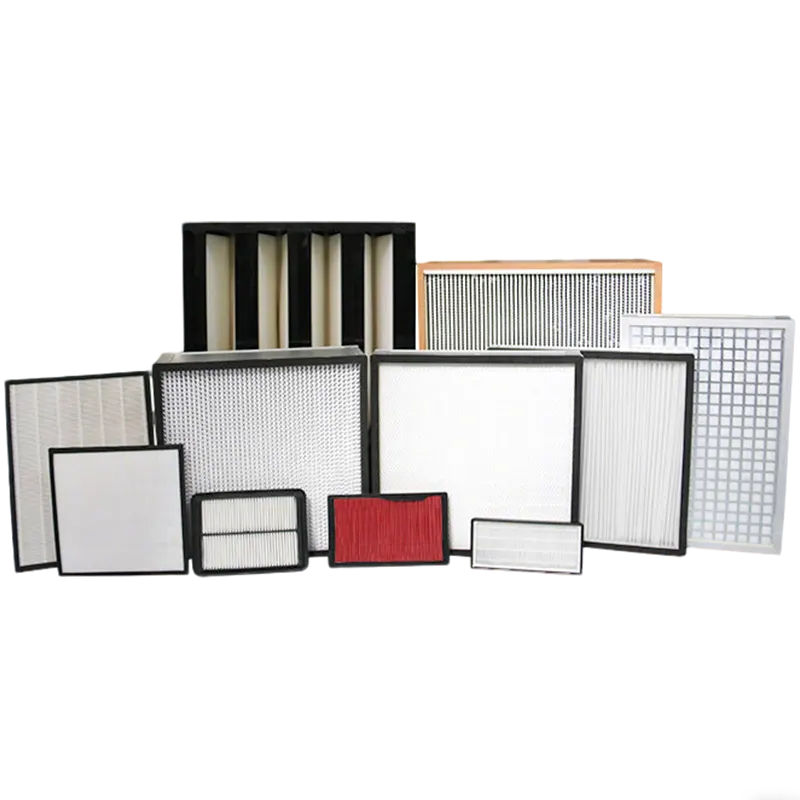
An air filter factory audit only proves something when it checks evidence against the specific order you would place. Photos show a tidy shop floor, a wall of certificates, a friendly video call. None of those confirm that this line, under this batch, produces the filter you are buying. A useful audit is narrower and more concrete. Pick one real order and follow it from the coil of media to the finished unit. Record exactly what you saw, what was missing, and who fixes it by when. That turns a visit into a decision you can defend to your own management.
This air filter factory audit checklist sets the scope by product type. It separates in-house work from subcontracted work, traces one order end to end, and reviews the testing and quality records behind the claims. It ends with two sheets to fill on site: an audit checklist and a corrective-action log.
Punti chiave
- Audit a product, not a showroom: scope the air filter factory audit to the media, tasca, pannello, or HEPA type you buy.
- Separate in-house from subcontracted: ask which steps the factory actually owns and demand evidence that maps to your order.
- Certificates are not test results: a management-system certificate says nothing about a filter’s measured efficiency. Only the product test records do.
Define the Product and Audit Scope First
The product type sets what an audit should look at. Decide the scope before you arrive, and the visit stops being theatre.
Air filter factories are not all one thing. A plant that slits rolls of nonwoven, one that welds and seals pockets, one that assembles pleated panels, and one that builds tested HEPA units have very different critical steps. An audit that ignores which you are buying will ask the wrong questions. Fix the scope first:
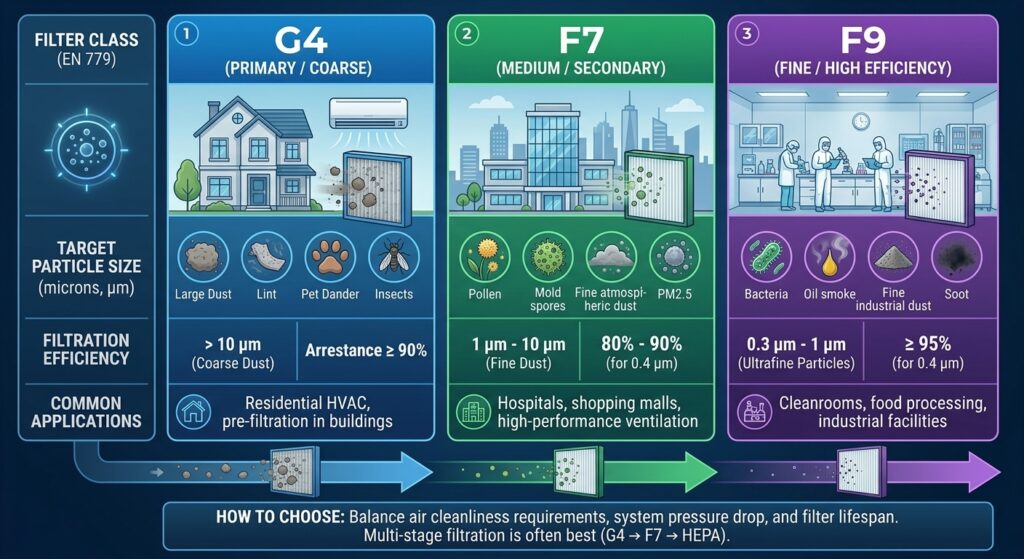
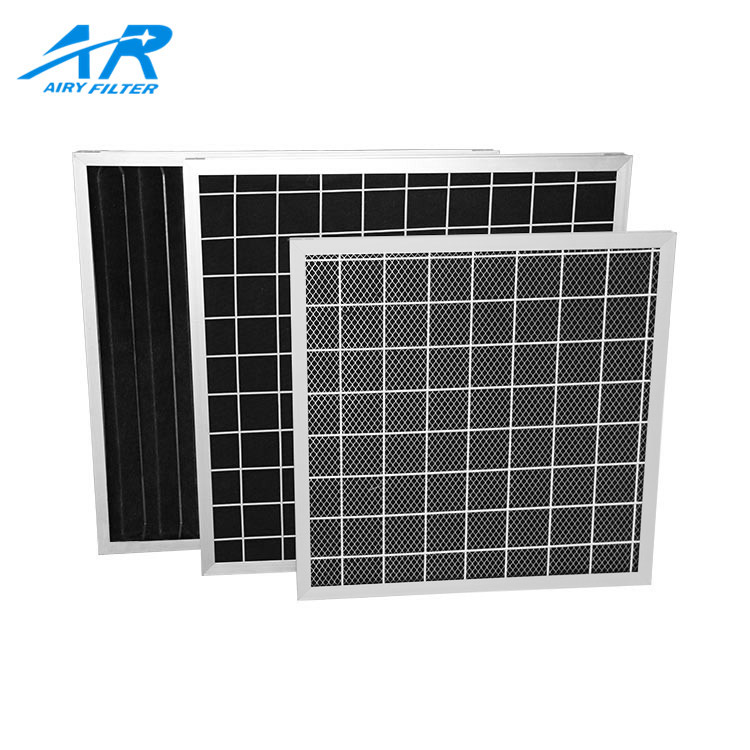
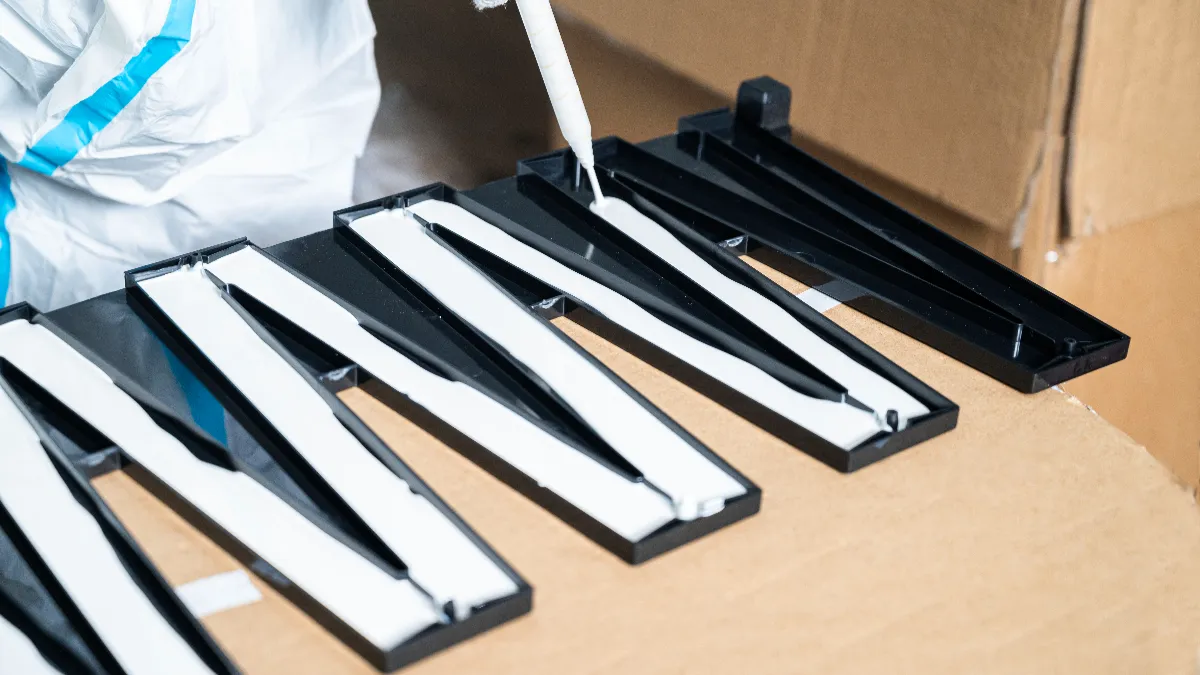
Supporto in rotolo: the audit centers on fiber batch control, thickness and basis-weight consistency, and whether the plant makes the media or converts purchased rolls. Borsa / Filtri tascabili: seam strength, pocket spacing, frame bonding, and how resistance-to-airflow is checked. Pannello / Filtri pieghettati: pleat pitch, bead-line integrity, and frame seal. Hepa / high-grade units: media handling without damage, the sealing method, and decisively the finished-unit test capability. If you are buying across several types, scope each separately rather than averaging the questions.
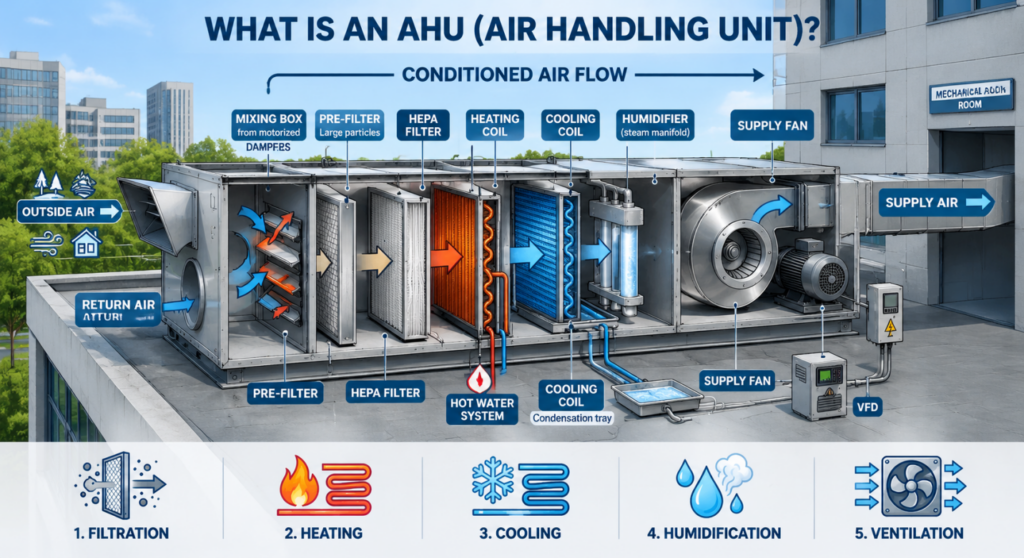
Then decide the mode. A full on-site visit lets you see records, attrezzatura, and the shop floor unscripted. It is the only way to spot the gap between what a supplier shows on camera and what actually runs. A remote or third-party audit is workable for narrower checks but is easier to stage. Overseas buyers often start through a sourcing walkthrough. Nostro guide to sourcing HVAC filters covers that wider process. This article is only about how to audit the factory itself once the product is chosen.
Verify In-House Manufacturing and Subcontracted Work
Ask which steps the factory owns, then require evidence that maps to your order. Not stock photos of a building.
The most common way a “produttore” quietly misleads a buyer is through unspoken subcontracting. Making the media, folding the pleats, injecting the frame, potting the seal, and testing the finished unit are different capabilities, and a plant may own only some of them. Walk each step and ask two things. Is this done here, and can you show me the record from a job like mine? A plant that owns a step can pull a line-side record for a comparable order on the spot. A plant that farms it out stalls, redirects you to a partner, or shows a generic certificate.
Be specific about what counts as evidence. Process instructions on the machines and dated production logs with batch numbers count as evidence. So do an equipment list matched to the steps claimed, and the traceability that ties a batch to an order. Rendered images of the facility, a certificate framed on the wall, and a polished brochure of a product family are marketing, not proof of capability. Ask directly what proportion of the work is subcontracted and to whom, and note any step where the answer is “not here.”
A supplier being honest about a subcontracted step is a good sign, not a red one. Many legitimate factories buy media or outsource plating. The risk is the step that is subcontracted and hidden, because you lose traceability and change control exactly where the product is made. Record scope ownership, per step, on the audit checklist.
Trace One Order from Raw Material to Finished Product
One real order, followed end to end, tells you more than a hundred open questions about quality in general.
Pick an actual order already produced at the scope you chose, and trace it backward and forward through five linked points. This single test exposes whether the quality system is real or decorative.
1 – Raw material: can the batch of media or frame stock be tied to a supplier, an incoming record, and a specification? 2 – Produzione: do the line logs show this order running, with parameters and operator entries, not a blank template? 3 – Ispezione: are in-process and final checks recorded with pass/fail, values, and dates? 4 – Finished-unit identification: does the product carry a serial or label that links back to that file? A per-order specification sheet demands the same discipline, e il nostro H14 ordering sheet shows the fields that must match a real unit. 5 – Nonconforming handling: ask to see what happened to a rejected or off-spec unit from a comparable batch, and how it was quarantined and dispositioned.
A factory with a working system can move through all five for one order without inventing paper on the spot. A factory that cannot usually breaks at step 2 or step 5. The tell is production logs that do not reach back to a real run, or no visible record of a single rejected part. Those breaks are the audit finding. They belong in the corrective-action log, not in a general impression of the place.
Review Test Capability and Quality Records
A certificate is not a test report. The efficiency claim lives in the product test records, so verify those exist and are current.
This part of the air filter factory audit is where claims become evidence. Ask to see the test method and the actual equipment, when it was last calibrated and by whom, and a sample report tied to a serial. For high-grade filters, an ISO 9001 certificate proves least here. A management-system certification shows the factory runs a quality process, not that a specific filter meets a performance class. The grade claim rests on the product standard and its tests. For classification and efficiency that means the Iso 29463 and EN 1822 family, and the report must reflect them. Nostro HEPA testing guide explains which report proves what. Here you only confirm the factory can produce those reports for your order.

Cover the two places claims hide. If the factory outsources testing, confirm the external laboratory and that its reports name your product. A generic third-party certificate is not a per-unit result. Then ask how the factory handles change. When media, glue, or a subcontractor changes, is there a documented change-control record and re-qualification? UN “SÌ, we change media by supplier and price” with no change log is a warning sign, because the performance you approved at sampling may quietly drift after it.
A related check is sample-to-production continuity. Whatever passed your evaluation before the order should be tied, by material batch and build sheet, to what the line runs. Otherwise the approved sample and the shipped units are two different products that merely look alike. Ask to see the retained reference sample and the specification it was approved against, and confirm the current batch falls inside it. When this link is missing, the audit is about a promise, not a process. Promises do not survive an incoming-inspection dispute.
Use an Audit Checklist and Corrective-Action Log
Two sheets make the audit usable. One records what you verified. The other records what is wrong and who owns the fix.
Fill the checklist on site. For each area, record the evidence you actually saw, the finding, and a risk rating. A gut pass is not a record. It mirrors the four sections above.
| Audit area | What to record | Evidence seen | Risk |
|---|---|---|---|
| Product scope fit | Is the line suited to my exact type and grade? | Y / N / partial | Basso / Med / Alto |
| In-house vs subcontract | Which steps are owned here; who holds the rest | Y / N / partial | Basso / Med / Alto |
| Order trace, five points | Raw material, produzione, ispezione, serial, nonconforming | Y / N / partial | Basso / Med / Alto |
| Test capability | Method, attrezzatura, calibration, per-unit reports | Y / N / partial | Basso / Med / Alto |
| Records and change control | Date and serial linkage; documented media, glue, subcontractor changes | Y / N / partial | Basso / Med / Alto |
Every gap you cannot close on the day becomes a line in the corrective-action log. The point of the second sheet is to make the follow-up checkable. An open question with a name and a date is an action. One with neither is just a worry. Ask the supplier to return it filled, then verify at re-audit or with documents before you release an order.
| Finding | Risk if unresolved | Corrective action | Proprietario | Due | Re-check |
|---|---|---|---|---|---|
| Logs stop at last month | No trace to my batch | Restore line-side logging; show sample | Production manager | date | verify at re-audit |
| Efficiency lab unnamed | Grade claim unverifiable | Name lab; send per-serial report format | QA lead | date | before PO release |
Arioso Filter Manufacturing Solutions
Airy provides documented air filter manufacturing to help overseas buyers verify capability, maintain traceability, and reduce audit risk.
A supplier that welcomes an audit can meet each row of the checklist with a record, not a promise. The three things an overseas buyer usually has to force out of a visit are exactly the ones Airy hands over up front.
Steps You Can Trace On Site
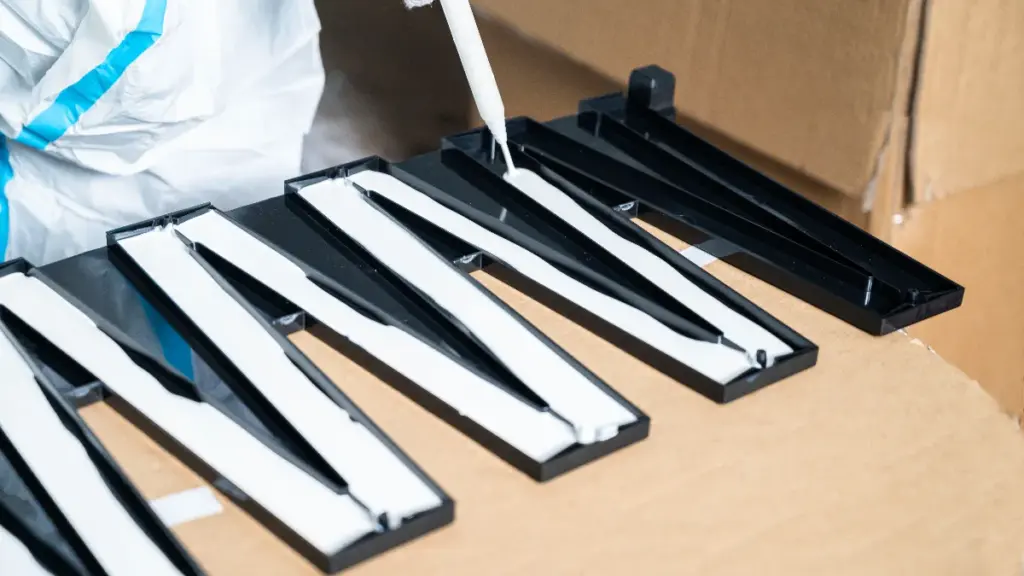
Airy runs media conversion, pleating, framing, sigillatura, and terminal assembly in-house. A single order can then be traced end to end against your checklist. Roll formats are covered in the filter media guide on this site.
Reports Tied to a Serial
For high-grade units, Airy pairs each element with a per-unit efficiency and leak record read against the test standard. The same report names the format, not a generic line.
Change Control Before the PO
When media, adhesive, or a supplier changes, a documented re-qualification precedes the build. Send the corrective-action log and Airy returns it with owners and dates, the way the RFQ template locks each field.

Domande frequenti
Five questions buyers ask before and during a factory audit.
Can I audit a factory remotely?
Partly. Remote or third-party checks work for narrowed questions. Review a named report, trace one order, read a change log. An on-site visit is the only way to see records, attrezzatura, and the floor unscripted. Remote evidence is easier to stage, so weight it accordingly.
How do I check subcontracted steps?
Ask which steps are done on site and which are farmed out. Then require a record from a comparable order at each step. A factory that owns a step can pull its log on the spot. One that outsources it stalls or redirects. Note the subcontractor’s name and how the step is controlled.
Does ISO 9001 prove filter efficiency?
NO. Iso 9001 certifies a quality management process, not the performance of a product. Efficiency and class claims rest on the product test standard, Iso 29463 o IT 1822, and the per-unit reports. For an air filter factory audit, verify those records exist for your order, independent of any certificate.
What should a trace actually show?
Five linked records, for one real order: the raw-material batch and its incoming check, then dated production logs. Add in-process and final inspection with values and pass/fail, a finished-unit serial that ties back, and the disposition of a rejected unit. A gap at production or nonconforming handling is the usual tell of a decorative system.
What happens after I find a nonconformity?
Record it on the corrective-action log with risk, owner, and due date. Ask the supplier to return it filled. Verify the fix by document or at re-audit before releasing an order. An open issue with no owner and no date is not a finding. It is a risk you have accepted.