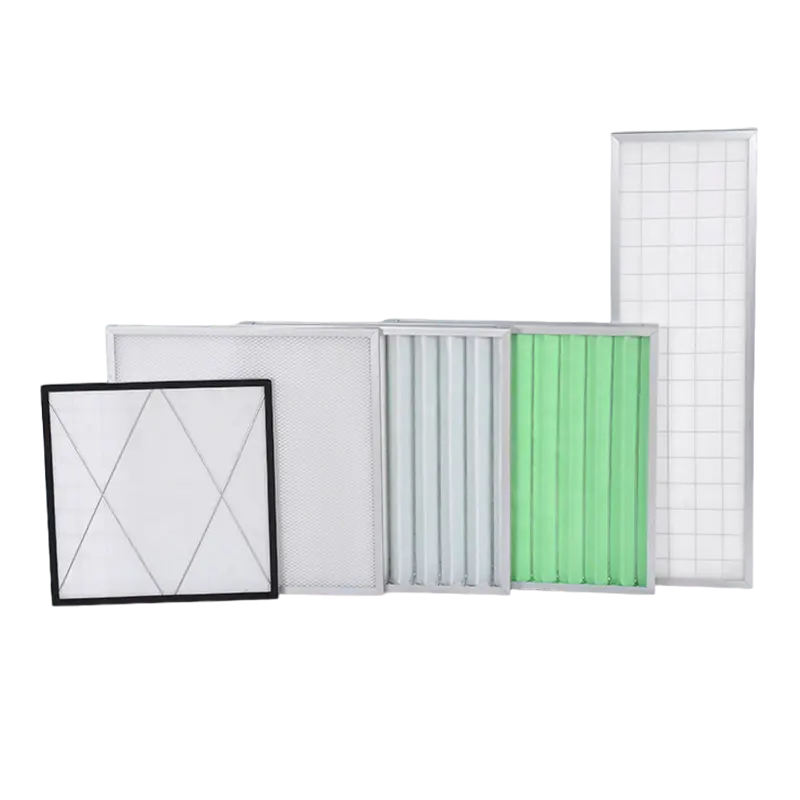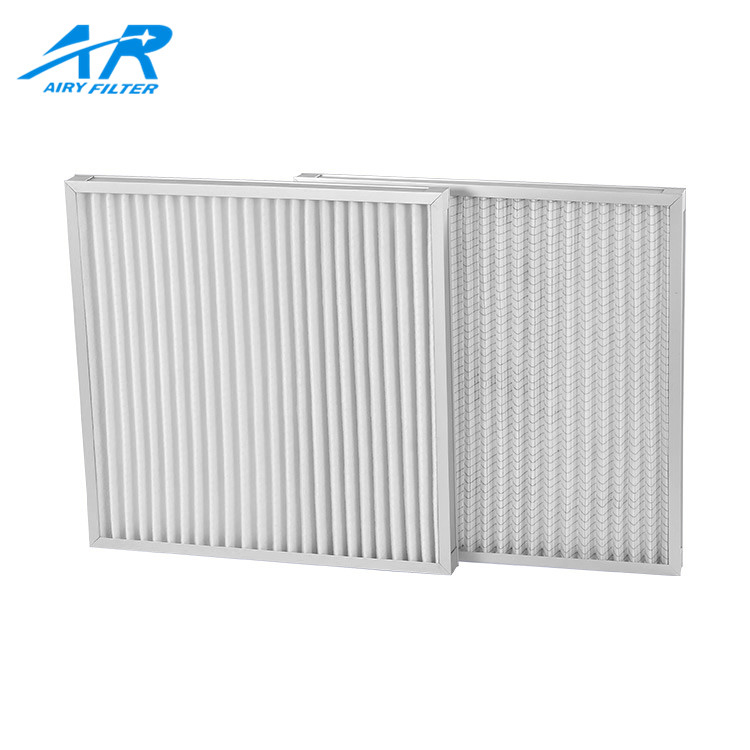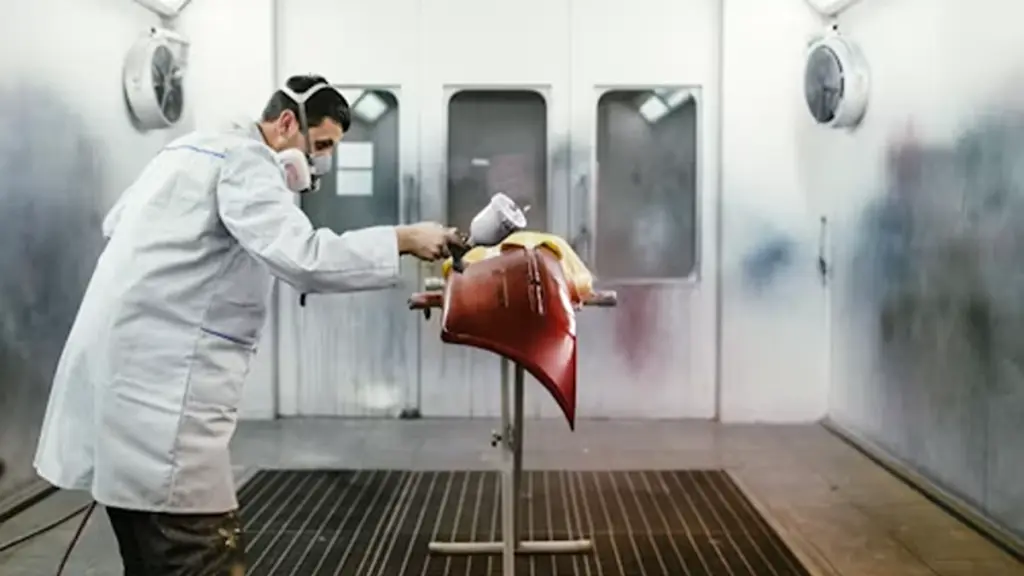
В высокоточном производстве, фармацевтическое производство, и среда чистой комнаты, строгий контроль твердых частиц необходим для предотвращения загрязнения и соблюдения нормативных требований.. HEPA-фильтры для чистых помещений обеспечивают критическую очистку воздуха, улавливая субмикронные частицы., микроорганизмы, и переносимые по воздуху загрязняющие вещества в контролируемых средах.
Выбор правильного HEPA-фильтра для чистых помещений требует тщательной оценки эффективности фильтрации., рейтинги фильтров, рамочные конструкции, конфигурации уплотнений, пропускная способность воздушного потока, и требования к сертификации. В этом руководстве, мы объясняем основные характеристики HEPA-фильтров для чистых помещений, включая классы эффективности EN1822, структурные типы, соображения по размерам, и факторы поиска, которые помогут инженерам и покупателям выбрать правильное решение для фильтрации..
Что такое HEPA-фильтр для чистых помещений?
А HEPA-фильтр для чистых помещений представляет собой высокоточную установку фильтрации воздуха, предназначенную для улавливания субмикронных частиц, микроорганизмы, и другие переносимые по воздуху загрязнители в контролируемых средах.
В качестве важнейшего компонента систем фильтрации чистых помещений., В фильтрах HEPA для чистых помещений используется сверхтонкое стекловолокно для улавливания частиц с помощью трех основных механизмов.: перехват, удар, и диффузия.
Основные компоненты и конструкция HEPA-фильтров для чистых помещений:
- Фильтрующие материалы: Субмикронный материал из микростекловолокна с очень равномерным распределением пор и превосходной влагостойкостью., обеспечение надежного улавливания частиц.
- Медиа-сепараторы: Непрерывные термоклеевые нити для мини-складчатых HEPA-фильтров или гофрированные сепараторы из алюминиевой фольги для глубоких складчатых HEPA-фильтров., обеспечение равномерного распределения воздушного потока.
- Материалы каркаса: Профили из анодированного алюминиевого сплава, 304/316 нержавеющая сталь, оцинкованный листовой металл, или деревянные каркасы, выбранные в соответствии с различными требованиями применения в чистых помещениях.
- Уплотнения и прокладки: Самовосстанавливающиеся жидкие полиуретановые гелевые уплотнения, Прокладки из пенополиуретана, или бесшовные прокладки из неопреновой резины, предназначенные для предотвращения утечки воздуха и поддержания целостности чистого помещения..
Рейтинги HEPA-фильтров и стандарты сертификации: ЭН1822, ИЭСТ, и ISO
Рейтинги HEPA-фильтров определяют эффективность фильтрации и требования к классификации фильтров для чистых помещений.. Такие стандарты, как EN1822, ИЕСТ-РП-CC001, и ISO 14644-1 обычно используются для оценки производительности фильтров HEPA и ULPA.. В таблице ниже приведены распространенные марки фильтров., уровни эффективности, и приложения.
| Класс фильтра (ЭН1822) | Эффективность MPPS | IEST-эквивалент | Класс чистых помещений ISO | Типичные приложения |
|---|---|---|---|---|
| H13 НЕРА | ≥99,95% | Тип С (≈99,99%) | ISO класс 7–8 | Общие чистые помещения, медицинское оборудование, Конечная фильтрация систем отопления, вентиляции и кондиционирования воздуха |
| H14 НЕРА | ≥99,995% | Тип К / Тип Д | Класс ISO 5–6 | Фармацевтический розлив, операционные, системы ФФУ |
| U15 УЛП | ≥99,9995% | Тип Ф | Класс ISO 3–4 | Полупроводниковые фабрики, фотолитография, передовое производство |
Типы HEPA-фильтров для чистых помещений
HEPA-фильтры для чистых помещений доступны в различных конструктивных исполнениях для удовлетворения различных потоков воздуха., место для установки, и требования к фильтрации. Две наиболее распространенные конфигурации, используемые в фармацевтике., полупроводник, медицинский, и промышленных чистых помещениях — мини-складчатые и глубокоскладчатые HEPA-фильтры..
Мини-складчатые фильтры HEPA
В мини-складчатых фильтрах HEPA используются близко расположенные складки материала, разделенные непрерывными нитями термоплавкого клея.. Компактная конструкция увеличивает эффективную площадь фильтрации, сохраняя при этом низкое сопротивление воздушному потоку., что делает их подходящими для чистых помещений, где важны пространство для установки и энергоэффективность..
Ключевые преимущества:
- Компактный дизайн: Подходит для применений с ограниченной глубиной потолка или ограниченным пространством для установки..
- Низкое падение давления: Оптимизированная структура складок помогает снизить сопротивление воздушному потоку и повысить энергоэффективность системы отопления, вентиляции и кондиционирования воздуха..
- Стабильная производительность воздушного потока: Единообразное расположение сред обеспечивает равномерное распределение воздушного потока..
Типичные приложения: Терминальные потолочные модули, чистые скамейки, и фильтрующие вентиляторы для чистых помещений (ФФУ).
Глубокие складчатые HEPA-фильтры
В HEPA-фильтрах с глубокими складками используются более глубокие фильтрующие материалы, поддерживаемые гофрированными алюминиевыми сепараторами для увеличения площади фильтрации и пылеемкости.. По сравнению с моделями мини-складок, они лучше подходят для систем, требующих более высокой производительности воздушного потока., более длительный срок службы, и более сильные структурные характеристики.
Ключевые преимущества:
- Высокая пропускная способность воздушного потока: Подходит для крупномасштабных систем отопления, вентиляции и кондиционирования воздуха, требующих большего объема фильтрации..
- Повышенная пылеемкость: Более глубокая структура фильтрующего материала помогает увеличить интервалы замены фильтров..
- Сильная структурная стабильность: Алюминиевые сепараторы сохраняют геометрию фильтра в сложных условиях эксплуатации..
Типичные приложения: Центральные кондиционеры (Ах), промышленные чистые помещения, и системы фильтрации большого объема.
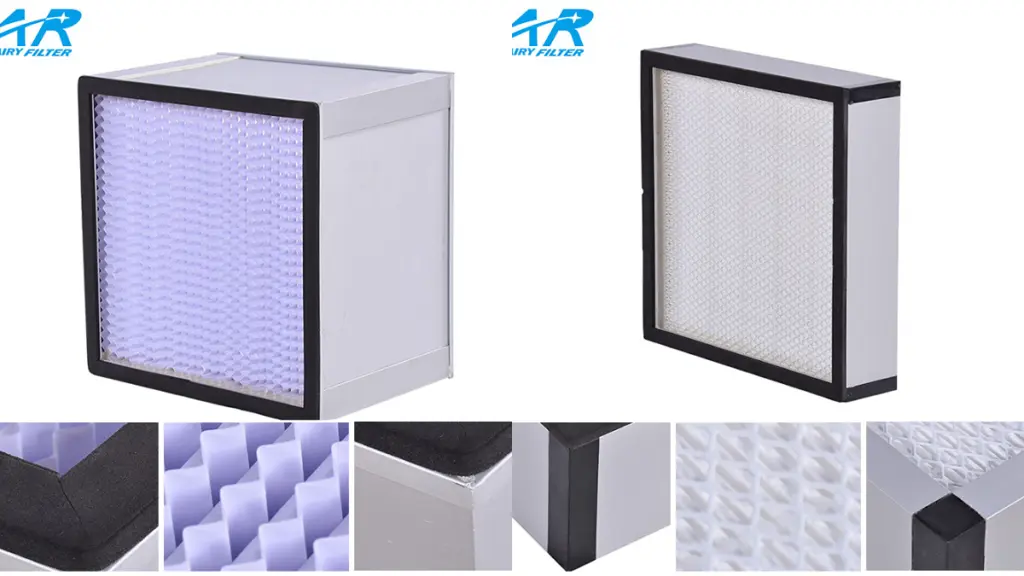
Варианты уплотнений фильтра HEPA и конфигурации прокладок
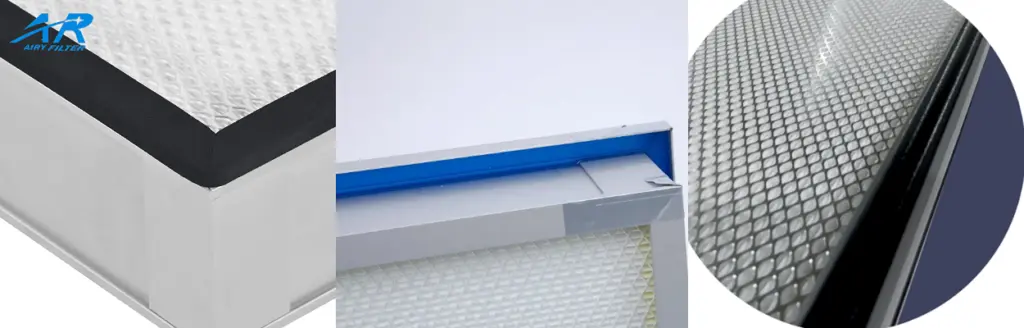
Уплотнения фильтра HEPA помогают предотвратить перепуск воздуха и поддерживать эффективность фильтрации в чистых помещениях.. Распространенные решения для герметизации включают жидкие гелевые уплотнения., неопреновые резиновые прокладки, и прокладки из пенополиуретана, каждый из них предназначен для различных требований к установке и применения в чистых помещениях..
Жидкое гелевое уплотнение (Жидкостное уплотнение)
В фильтрах HEPA с жидкостным гелевым уплотнением используется канал рамы фильтра, заполненный самовосстанавливающимся полиуретановым или силиконовым гелем.. Во время установки, гелевое уплотнение соединяется с системой сеток с острыми краями, создавая непрерывную поверхность уплотнения и уменьшая утечку воздуха..
Ключевые особенности:
- Превосходный контроль утечек: Обеспечивает высоконадежное уплотнение в критических средах, где предотвращение обхода имеет важное значение..
- Производительность самовосстановления: Гелевый материал может восстанавливаться после незначительной деформации., помогает поддерживать долгосрочную эффективность герметизации.
Приложения: Обычно используется в классе ISO 5 чистые комнаты, стерильный фармацевтические предприятия, и высокопроизводительные терминальные системы фильтрации.
Неопреновая резиновая прокладка (Ева)
Прокладка из неопреновой резины В фильтрах HEPA используется бесшовная прокладка, которая прижимается к раме корпуса фильтра, предотвращая утечку воздуха.. Этот метод герметизации представляет собой практическое решение для стандартных установок в чистых помещениях, требующих надежной работы и простоты обслуживания..
Ключевые особенности:
- Экономичное решение: Обеспечивает надежную герметизацию при более простой конструкции установки..
- Простое обслуживание: Подходит для систем, требующих регулярной замены фильтров или обслуживания с боковым доступом..
Приложения: Широко используется в стандартных терминальных модулях., блоки фильтров с боковым доступом, лаборатории, и системы HVAC для чистых помещений общего назначения.
Прокладка из пенополиуретана (Пенополиуретан)
Прокладка из пенополиуретана В фильтрах HEPA используется прокладка с непрерывным распределением жидкости, которая наносится непосредственно на корпус фильтра посредством автоматизированных производственных процессов.. После отверждения, Пенополиуретан образует гибкое и прочное бесшовное уплотнение с отличным эластичным восстановлением..
Ключевые особенности:
- Гибкие характеристики уплотнения: Поддерживает тесный контакт с поверхностью корпуса в различных условиях эксплуатации..
- Сильное эластичное восстановление: Помогает компенсировать различия в установке и механическую вибрацию..
Приложения: Подходит для систем с высокой вибрацией., промышленные чистые помещения, и приложения, требующие надежной и долгосрочной герметизации.
Как правильно выбрать HEPA-фильтр для вашего чистого помещения
Выбор правильного HEPA-фильтра для чистых помещений требует оценки требований к воздушному потоку., размеры фильтра, капля давления, и условия применения. Инженерам следует учитывать объем чистых помещений, требуемый воздухообмен в час (Ах), и проектирование системы HVAC для определения наиболее подходящих характеристик HEPA-фильтра..
Рассчитать требования к воздушному потоку в чистых помещениях
Определение необходимого воздушного потока — первый шаг при выборе HEPA-фильтров для чистых помещений.. Расчет зависит от объема чистого помещения, целевой класс чистоты ISO, и требуемый воздухообмен в час (Ах).
Шаг 1: Рассчитать объем воздушного потока в чистом помещении
Общую потребность в воздушном потоке можно рассчитать по следующей формуле.:
Q. (м³/ч) = Объем чистого помещения (м³) × Требуется ACH
Типичные требования к воздухообмену различаются в зависимости от классификации чистых помещений.:
| Классификация чистой комнаты | Типичный воздухообмен в час (Ах) | Типичные приложения |
|---|---|---|
| ISO класс 8 | 10–25 Ач | Общие производственные помещения и контролируемая среда |
| ISO класс 7 | 30–60 Ач | Участки производства медицинского оборудования и фармацевтической обработки |
| ISO класс 5 | 240–360 ACH или ламинарный поток воздуха 0,35–0,55 м/с | Стерильный розлив фармацевтических препаратов и высокоточные применения в чистых помещениях |
Шаг 2: Определите необходимое количество HEPA-фильтра
После расчета общей потребности в воздушном потоке, необходимое количество HEPA-фильтров можно определить по следующей формуле:
Количество фильтров = общий объем воздушного потока (Q.) ÷ Номинальная пропускная способность фильтра
Например, если чистое помещение требует 6000 м³/ч воздушного потока, а каждый HEPA-фильтр обеспечивает 1200 м³/ч:
6000 ÷ 1200 = 5 HEPA фильтры
Этот расчет помогает инженерам определить необходимое количество фильтрующих устройств, обеспечивая при этом достаточное распределение воздушного потока и контроль загрязнения..
Выберите правильный размер HEPA-фильтра и мощность воздушного потока.
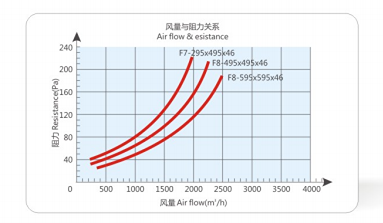
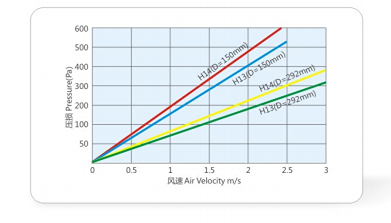
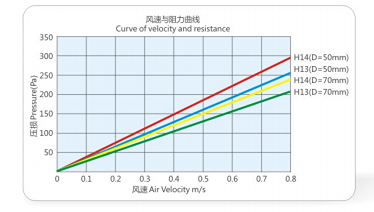
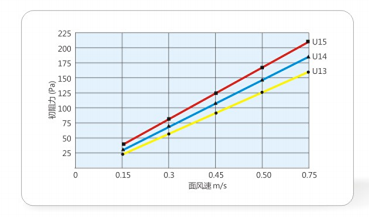
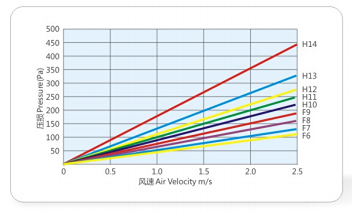
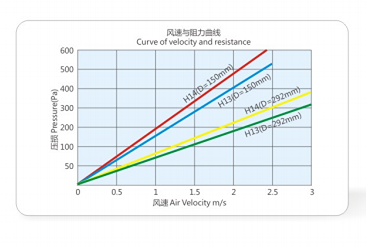
После определения необходимого объема воздушного потока, инженерам необходимо выбрать размеры фильтра HEPA и характеристики воздушного потока, соответствующие системе HVAC чистого помещения.. Размер фильтра, номинальный воздушный поток, и начальное сопротивление напрямую влияют на совместимость систем отопления, вентиляции и кондиционирования воздуха., потребление энергии, и общая производительность фильтрации в чистых помещениях.
Общие характеристики HEPA-фильтра для чистых помещений включают::
| Номинальный размер (мм) | Номинальный размер (Дюймы) | Номинальный воздушный поток | Номинальный воздушный поток (CFM) | Начальное сопротивление | Структура |
|---|---|---|---|---|---|
| 610 × 610 × 69 | 24″ × 24″ × 2,7″ | 600 м³/ч | 350 CFM | ≤110 Па | Мини-складка |
| 1220 × 610 × 69 | 48″ × 24″ × 2,7″ | 1200 м³/ч | 700 CFM | ≤110 Па | Мини-складка |
| 1170 × 570 × 69 | 46″ × 22,5″ × 2,7″ | 1000 м³/ч | 590 CFM | ≤110 Па | Мини-складка (ФФУ) |
| 610 × 610 × 150 | 24″ × 24″ × 6″ | 1000 м³/ч | 590 CFM | ≤180 Па | Глубокая складка |
| 610 × 610 × 292 | 24″ × 24″ × 11,5″ | 1500 м³/ч | 880 CFM | ≤220 Па | Глубокая складка |
При выборе размеров HEPA-фильтра, инженеры должны обеспечить совместимость с потолочными решетками, Корпуса ФФУ, или вентиляционные установки. Более низкое начальное сопротивление также может помочь снизить потребление энергии HVAC во время длительной эксплуатации..
Прокрутите, чтобы просмотреть больше данных:
Сопоставьте выбор HEPA-фильтра с требованиями применения
Различные применения в чистых помещениях требуют определенной эффективности фильтрации., пропускная способность воздушного потока, и конструктивные решения. Выбранный HEPA-фильтр должен соответствовать уровню контроля загрязнения., системные требования, и отраслевые стандарты.
Общие факторы выбора:
- Фармацевтические и медицинские учреждения: HEPA-фильтры H13 или H14 обычно выбираются для стерильных сред., заполнение областей, и операционные залы.
- Производство полупроводников и электроники: Фильтры U15 ULPA используются там, где требуется чрезвычайно низкий уровень частиц и расширенный контроль загрязнения..
- Промышленные чистые помещения: HEPA-фильтры с мини-складками или с глубокими складками выбираются в зависимости от места установки., требования к воздушному потоку, и ожидаемый срок службы.
Ключевые факторы при выборе поставщика HEPA-фильтров для чистых помещений
При оценке OEM-поставщика воздушных фильтров для чистых помещений или размещении оптовых заказов., инженерные группы должны проверить:
- 100% Индивидуальное сканирование на утечку: Убедитесь, что каждый HEPA-фильтр H13/H14 проходит автоматическую проверку EN1822 MPPS или DOP. / Сканирование утечек фотометром ПАО, в комплекте с индивидуальными сертификатами испытаний с серийным номером.
- Низкое начальное падение давления: Выбирайте однородную геометрию мини-складок, чтобы минимизировать статическое сопротивление вентилятора системы отопления, вентиляции и кондиционирования воздуха., радикальное сокращение ежегодного потребления энергии в чистых помещениях.
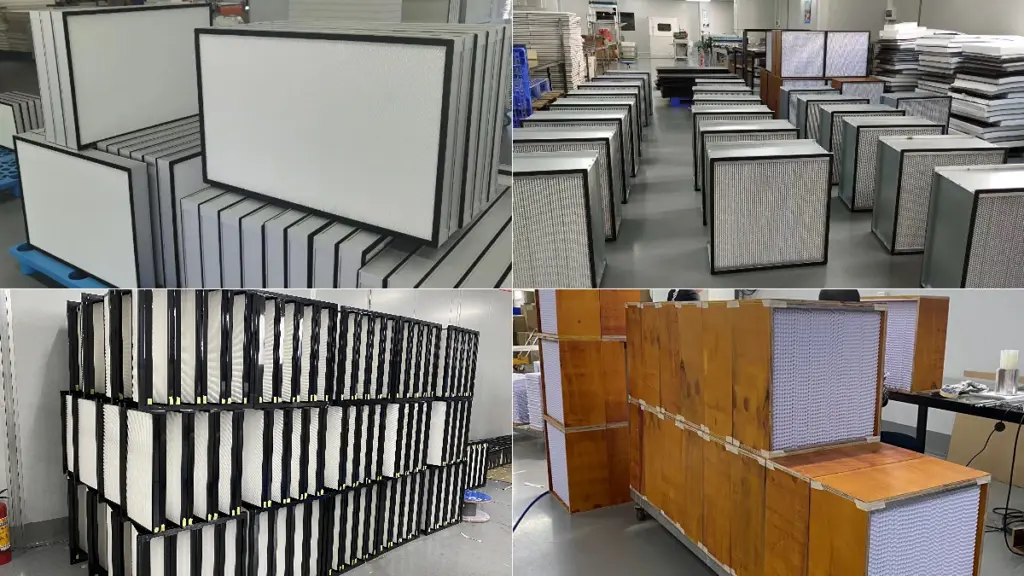
- Упаковка для чистых помещений без пыли: Фильтры класса ISO должны быть упакованы в двойные пакеты. 7 упаковка в чистых помещениях для устранения риска загрязнения во время морских перевозок и международного транзита.
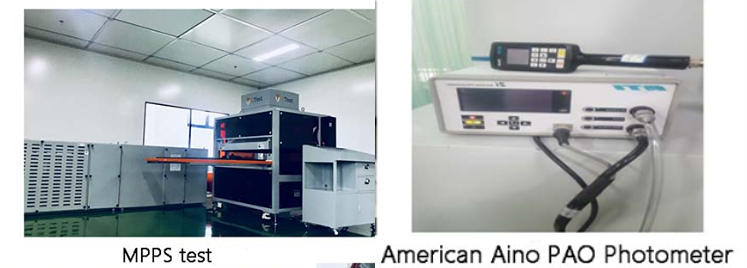
Почему стоит сотрудничать с AiryFilter как с производителем HEPA-фильтра?
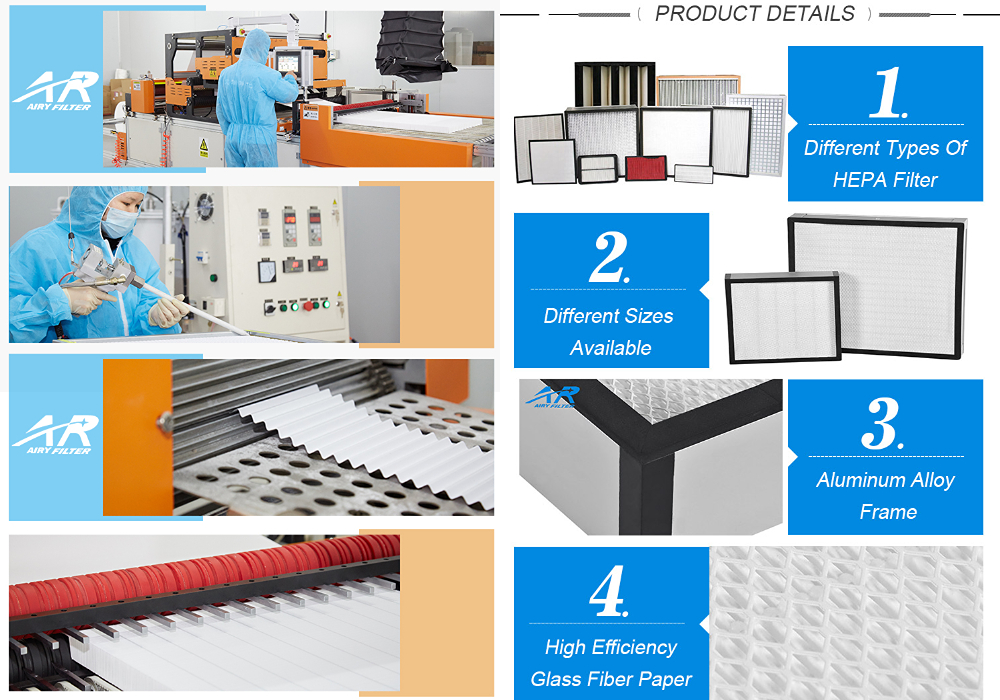
Гуанчжоу Воздушный фильтр Медиа Ко., ООО. специализируется на производстве высокоэффективных продукты для фильтрации чистых помещений разработан в соответствии со строгими международными требованиями соответствия, включая ИСО 14644-1, ЭН1822, и стандарты CE.
Благодаря профессиональным производственным возможностям и индивидуальным решениям, Airy поддерживает клиентов по всему миру надежными HEPA фильтры для чистых помещений, HVAC, и промышленные применения.
- Производитель HEPA с прямым источником: Конкурентоспособные оптовые цены напрямую с завода с полной отслеживаемостью сырья..
- Полноспектральная фильтрация воздуха: Полный каталог: от панельных фильтров предварительной очистки G4 и карманных фильтров F7 до модулей H13/H14 HEPA и U15 ULPA..
- 100% Заводская гарантия качества: Каждый HEPA-блок индивидуально тестируется на падение давления., сопротивление воздушному потоку, и проникновение частиц.
- Изготовленное на заказ OEM/ODM проектирование: Пользовательские размеры, специальная глубина рамы, каналы с жидкостным уплотнением, и частная торговая марка для международных клиентов B2B.
Благодаря современному оборудованию и строгому контролю качества., мы обеспечиваем высокопроизводительные решения по фильтрации, адаптированные к вашим потребностям. Исследуйте Эйри Передовое производство для превосходной фильтрации.
Часто задаваемые вопросы
Каков средний срок службы HEPA-фильтра для чистых помещений??
В стандартном классе ISO 7/8 чистые помещения с надлежащей предварительной фильтрацией G4/F7, HEPA-фильтры для чистых помещений обычно служат от 3 к 5 годы. Замена обязательна, когда окончательное сопротивление достигает удвоенного первоначального падения давления. (НАПРИМЕР., 250 – 300 А) или во время неудачного аудита утечек PAO.
В чем основная разница в эффективности HEPA-фильтров H13 и H14??
HEPA-фильтры H13 обеспечивают ≥ 99.95% эффективность в MPPS (Самый проникающий размер частиц), что делает их подходящими для класса ISO 7/8 удобства. HEPA-фильтры H14 обеспечивают ≥ 99.995% эффективность в MPPS (10 проникновение частиц в раз ниже), который требуется для класса ISO 5 стерильный розлив фармацевтических препаратов и производство полупроводников.
Когда следует выбирать фильтры HEPA с гелевым уплотнением вместо прокладки??
HEPA-фильтры с гелевым уплотнением рекомендуются для установки потолочных решеток с верхней загрузкой в критическом классе ISO. 5 чистые помещения, где обязателен нулевой байпас. Прокладки из неопрена или пенополиуретана идеально подходят для корпусов с боковым доступом или стандартных потолочных модулей с зажимными механизмами..
Может ли Airy Filter предоставить OEM-фильтры HEPA индивидуального размера и индивидуальную маркировку??
Да, как прямой производитель HEPA-фильтров, Guangzhou Airy Filter обеспечивает полную OEM/ODM настройку размеров, глубина рамы (алюминий, нержавеющая сталь), жидкостные гелевые каналы, и брендинг частных торговых марок для глобальных дистрибьюторов.